
Florida, often known as the Sunshine State, beckons millions of visitors annually with its pristine beaches, world-class theme parks, vibrant cities, and unique natural wonders. From the enchanting magic of Walt Disney World Resort in Orlando to the historic charm of St. Augustine and the lively cultural scene of Miami, the state offers an unparalleled array of experiences. For travelers planning a visit, understanding local laws, particularly those concerning firearms, is crucial for a smooth and enjoyable trip. One question that frequently arises, especially given varying regulations across the United States, is: “Is Florida an open carry state?” The answer, while seemingly straightforward, carries important nuances that every visitor and resident should comprehend.

Understanding Florida’s Stance on Open Carry
The issue of firearm possession and carry is a significant aspect of personal liberty and public safety, governed by specific statutes in each state. For those unfamiliar with Florida’s legislative landscape, clarity on this matter is paramount.
The Direct Answer: No Open Carry for Most
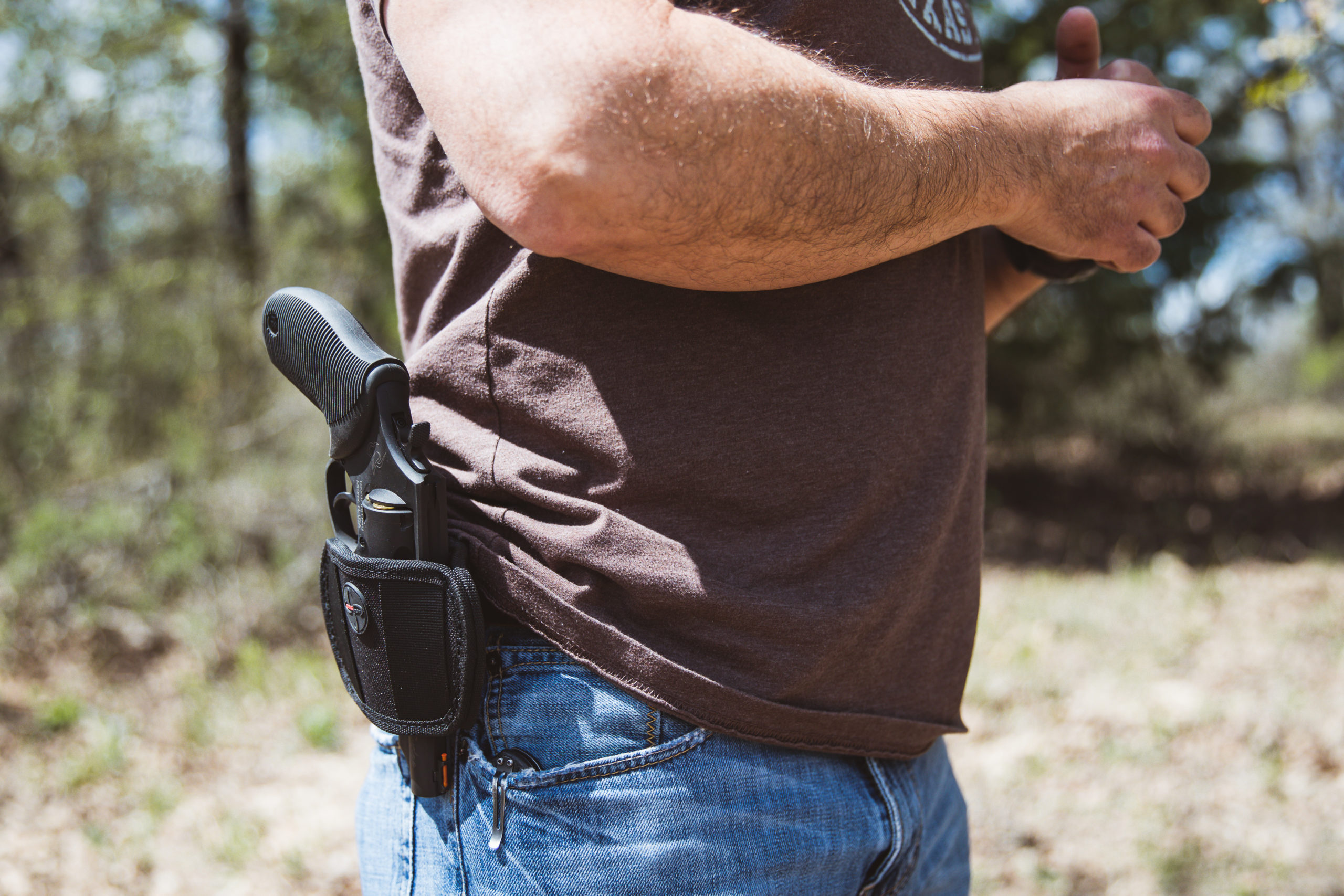
In general, Florida is emphatically not an open carry state for handguns. This means that, for the vast majority of situations, individuals are prohibited from openly carrying a handgun in public. This applies equally to residents and visitors alike. The intention behind Florida’s long-standing legislation has been to promote a system of concealed carry, where firearms are kept out of sight.
However, like many laws, there are specific, limited exceptions to this general prohibition. These exceptions are typically tied to activities where open display is either necessary or traditional. For instance, open carry is generally permitted while:
- Engaging in lawful hunting or fishing activities.
- Participating in or traveling to and from a shooting range, public or private gun club, or gun show.
- Traveling to or from a gunsmith for repair.
- Engaging in or traveling to and from a gun demonstration or exhibition.
- Working in a specific occupation that requires open carry, such as certain security roles, provided strict conditions are met.
It’s crucial to understand that these exceptions are narrow and do not grant a general right to openly carry a firearm for personal protection in everyday public spaces like a stroll down South Beach or a visit to Busch Gardens Tampa Bay. Violating Florida’s open carry prohibition can lead to serious legal consequences, including arrest and felony charges.
Constitutional Carry: A Recent Shift in Concealed Carry Laws
A significant legislative change occurred in Florida on July 1, 2023, with the implementation of what is commonly referred to as “Constitutional Carry” or “Permitless Carry.” This new law allows eligible individuals to carry a concealed firearm without first obtaining a Florida Concealed Weapon or Firearm License (CWFL).
It is vital for travelers and residents to understand that this change does not legalize open carry. The law explicitly maintains the prohibition against openly carrying firearms in public. Instead, it removes the requirement for a state-issued permit to carry a firearm concealed, provided the individual meets the existing eligibility requirements for obtaining a CWFL (e.g., age, lack of felony convictions, etc.). This distinction is often misunderstood, leading some to incorrectly assume that open carry is now permissible. Tourists planning to enjoy the bustling streets of Tampa or the serene beauty of Key West must remember that any firearm carried must remain concealed from public view, even under the new permitless carry provisions.
Navigating Concealed Carry in Florida
With open carry largely prohibited, understanding Florida’s concealed carry laws becomes paramount for anyone wishing to carry a firearm for self-defense within the state.
Who Can Carry: Resident and Non-Resident Implications
Under the 2023 “Constitutional Carry” law, any person who is at least 21 years old and meets the full requirements for obtaining a Florida Concealed Weapon or Firearm License (CWFL) can now carry a concealed firearm without a permit. These requirements typically include:
- Being a United States citizen or a permanent resident alien.
- Not having been convicted of a felony.
- Not having been convicted of a domestic violence misdemeanor or similar offenses.
- Not suffering from a physical infirmity that prevents the safe handling of a firearm.
- Not having been adjudicated delinquent or committed to a mental institution.
For non-residents, the situation is slightly more complex but still clear. If you are visiting Florida and possess a valid concealed carry permit from your home state, Florida generally recognizes permits from states with which it has reciprocity agreements. This means your out-of-state permit allows you to carry a concealed firearm in Florida as long as it remains valid and you adhere to all Florida laws, including the prohibition on open carry and restrictions on where firearms are allowed. Even with permitless carry now active for eligible individuals, travelers relying on out-of-state permits should verify reciprocity with the Florida Department of Agriculture and Consumer Services, which oversees CWFLs, before their trip. This precaution ensures that your journey, whether it’s for relaxation at Clearwater Beach or adventure at Universal Orlando Resort, remains free from legal complications.
The Importance of a Florida Concealed Weapon or Firearm License (CWFL)
Despite the advent of permitless concealed carry, obtaining a Florida Concealed Weapon or Firearm License (CWFL) still offers significant advantages, particularly for those who frequently travel outside the state or wish to have documented proof of their eligibility.
A CWFL provides:
- Broader Reciprocity: While permitless carry is valid within Florida, a Florida CWFL is recognized by many other states through reciprocity agreements. This is invaluable for travelers whose itineraries might take them beyond Florida’s borders into neighboring states or across the United States.
- Legal Clarity and Proof of Eligibility: Possessing a physical CWFL can offer peace of mind and simplify interactions with law enforcement, providing clear documentation of one’s legal right to carry a concealed firearm.
- Expedited Firearm Purchases: CWFL holders are typically exempt from the mandatory waiting period when purchasing a firearm in Florida, which is usually three business days. This can be a practical benefit for residents and long-term visitors.
- Educational Requirements: To obtain a CWFL, applicants must complete a firearms training course, which provides valuable education on safe gun handling, storage, and relevant laws. Even if not legally required for permitless carry, such training is highly recommended for responsible firearm ownership.
For many, the benefits of a CWFL extend beyond mere legal compliance, offering a layer of practical convenience and educational assurance. For visitors considering an extended stay, perhaps in a long-term apartment in Naples or a villa in Sarasota, acquiring a CWFL might be a worthwhile consideration if they meet residency requirements.
Prohibited Places and Situations: Where Firearms Are Never Allowed
Regardless of whether an individual has a CWFL or is carrying under the new permitless concealed carry law, there are specific locations and situations where carrying a firearm, openly or concealed, is strictly prohibited under Florida Statutes. These restrictions are critical for all travelers and residents to know, as violations can lead to severe penalties.
Federal and State Restricted Locations
Florida law outlines a comprehensive list of places where firearms are not permitted. These include:
- Schools and Universities: This includes K-12 schools, colleges, and university campuses, as well as school-sponsored events or property.
- Courthouses: Any building used as a courthouse.
- Polling Places: During an election.
- Government Meetings: Any meeting of a governmental body, including city councils, county commissions, or legislative sessions.
- Airports: The sterile (secured) areas of any airport, such as after passing through security checkpoints. Travelers should be particularly aware of restrictions at transportation hubs like Miami International Airport or Orlando International Airport.
- Law Enforcement Facilities: Any police station, sheriff’s office, or detention facility.
- Bars and Establishments Primarily Serving Alcohol: This prohibition applies to any portion of an establishment licensed to dispense alcoholic beverages for consumption on the premises, where the primary purpose is the sale of alcohol. Restaurants that serve alcohol but primarily focus on food are generally exempt from this rule, but it’s crucial to exercise caution and discretion.
- Professional Athletic Events: Within the premises of a professional athletic event.
- Federal Buildings: Any building owned or leased by the federal government, such as post offices, Social Security offices, or federal courthouses.
- Port Facilities: Seaports and other restricted port facilities.
- Career Centers: Any career center operated by the Department of Economic Opportunity.
- Emergency Service Facilities: Any facility where emergency services are provided.
This list is not exhaustive, and the general rule of thumb for visitors is to be extremely cautious and err on the side of caution. Even in places not explicitly listed, exercising good judgment is key. For example, while visiting a popular landmark such as the Kennedy Space Center Visitor Complex or a specific resort like the Grand Hyatt Hotel, it is advisable to check their specific firearm policies, as private entities can impose their own restrictions.
Private Property Rights
An essential aspect of Florida law that impacts firearm carry is the right of private property owners to prohibit firearms on their premises. This means that even if you are legally entitled to carry a concealed firearm under state law, a business, restaurant, hotel, or private residence can post signs or verbally communicate a prohibition against firearms.
If a property owner or manager explicitly forbids firearms, whether through signage at the entrance or direct communication, carrying a firearm on their property can constitute a trespass with a firearm, which is a serious criminal offense. For tourists staying in hotels or visiting attractions, it is always wise to be observant of signage and respect the policies of private establishments. This ensures a respectful and lawful visit, whether you’re exploring the historic district of Tallahassee or enjoying the shores of Daytona Beach.
Firearm Transportation and “Stand Your Ground”
Beyond daily carry, visitors and residents also need to understand how firearms can be legally transported, particularly in vehicles, and be aware of Florida’s well-known “Stand Your Ground” law.
Transporting Firearms in Vehicles
Florida law provides specific guidelines for transporting firearms in private vehicles. Generally, a firearm may be carried anywhere in a private conveyance when it is “securely encased” or “not readily accessible for immediate use.”
“Securely encased” means the firearm is:
- In a gun case.
- In a closed box or container.
- In a vehicle’s glove compartment (whether locked or not).
- In a vehicle’s console (whether locked or not).
- Loaded or unloaded.
“Not readily accessible for immediate use” generally means that the firearm is not immediately available for retrieval by the driver or passengers without significant effort, such as being placed in the trunk of a car or a compartment not directly accessible from the passenger cabin.
For individuals without a CWFL, carrying a firearm in a vehicle must adhere to these “securely encased” or “not readily accessible” provisions. If the firearm is a handgun and is not securely encased or readily accessible, then a CWFL or eligibility for permitless concealed carry is required for it to be lawful. This distinction is vital for travelers driving into Florida for a family trip to Jacksonville or an adventure on the Gulf Coast. Always ensure your firearm is transported lawfully to avoid potential legal issues.
Understanding Florida’s “Stand Your Ground” Law
Florida is one of the states with a “Stand Your Ground” law, which significantly impacts self-defense scenarios. In essence, this law allows individuals who are not engaged in unlawful activity and who are in a place where they have a right to be to use deadly force without a duty to retreat if they reasonably believe it is necessary to prevent death or great bodily harm to themselves or another, or to prevent the commission of a forcible felony.
It is important to understand that “Stand Your Ground” is a self-defense doctrine and not an authorization for aggressive action or the indiscriminate use of force. It means you are not legally required to attempt to escape a dangerous situation before defending yourself with proportionate force. However, the use of force must still be reasonable and justifiable under the circumstances. This law is complex, and its application depends heavily on the specific facts of each situation. While it provides a legal framework for self-defense, it does not diminish the responsibility of firearm owners to act lawfully and judiciously. Travelers exploring the natural beauty of Everglades National Park or the vibrant nightlife of Fort Lauderdale should be aware of this law but always prioritize de-escalation and safety.
Essential Considerations for Visitors and Tourists
For those visiting Florida, navigating firearm laws can seem daunting, but a proactive and informed approach ensures a safe and compliant travel experience.
Prioritizing Safety and Legal Compliance
The most crucial advice for anyone planning to carry a firearm in Florida is to verify the most current laws and regulations. Firearm laws can change, and interpretations may evolve. Relying solely on outdated information or assumptions can lead to significant legal trouble. Official resources, such as the Florida Department of Agriculture and Consumer Services website or consulting a Florida-licensed attorney, are the best sources for accurate and up-to-date information.
Beyond legal compliance, prioritizing safety is paramount. This includes:
- Safe Storage: Always store firearms securely, especially when staying in hotels, resorts, or accommodation with children present or when leaving them unattended in a vehicle or room. Many hotels or vacation rentals may have specific policies regarding firearms, so it’s wise to inquire beforehand.
- Responsible Handling: Familiarize yourself with and practice the fundamental rules of firearm safety.
- Awareness of Surroundings: Be mindful of your environment and avoid situations that could escalate into a need for self-defense.
- Discretion: Even where concealed carry is permitted, maintaining discretion and avoiding any display of a firearm contributes to public comfort and personal safety.
For international visitors, it’s particularly important to note that bringing firearms into the United States is subject to strict federal regulations, and temporary importation for non-immigrants is generally prohibited or extremely difficult without specific licenses and permits. It is almost certainly not a viable option for a typical tourist vacation.

Enjoying Florida Responsibly
Florida’s appeal as a premier tourism destination is undeniable, offering everything from the thrilling rides of SeaWorld Orlando to the natural beauty of the Destin beaches and the historical grandeur of Pensacola. Understanding and respecting the state’s firearm laws is an integral part of enjoying your visit responsibly and without incident.
Whether your lifestyle leans towards luxury travel or budget travel, adhering to these regulations ensures that your focus remains on creating unforgettable memories. By knowing that Florida is generally not an open carry state and diligently following its concealed carry and prohibited places laws, visitors can confidently explore its diverse attractions, indulge in its rich local culture and food, and experience all the Sunshine State has to offer, all while remaining safe and legally compliant.
In conclusion, while Florida has embraced permitless concealed carry, the state remains firm in its prohibition of open carry for most situations. For any traveler or resident, an informed and responsible approach to firearm ownership and carry is not just a legal necessity but a commitment to safety and peace of mind in this beautiful and vibrant state.
LifeOutOfTheBox is a participant in the Amazon Services LLC Associates Program, an affiliate advertising program designed to provide a means for sites to earn advertising fees by advertising and linking to Amazon.com. Amazon, the Amazon logo, AmazonSupply, and the AmazonSupply logo are trademarks of Amazon.com, Inc. or its affiliates. As an Amazon Associate we earn affiliate commissions from qualifying purchases.