
The question of whether Florida lies below sea level is a fascinating one, often sparking curiosity among travelers planning their next getaway to the Sunshine State. While it’s commonly perceived that much of this vibrant peninsula, famous for its pristine beaches and lush wetlands, might be submerged or precariously close to the ocean’s surface, the reality is more nuanced. The vast majority of Florida is, in fact, above sea level, though it holds the distinction of being the lowest-lying state in the United States. Its average elevation hovers around a mere 100 feet (30 meters), with its highest point, Britton Hill in Walton County, reaching a modest 345 feet (105 meters) above sea level. This unique geography profoundly shapes everything from its stunning natural landscapes and diverse ecosystems to its urban development, tourism appeal, and the lifestyle of its residents.
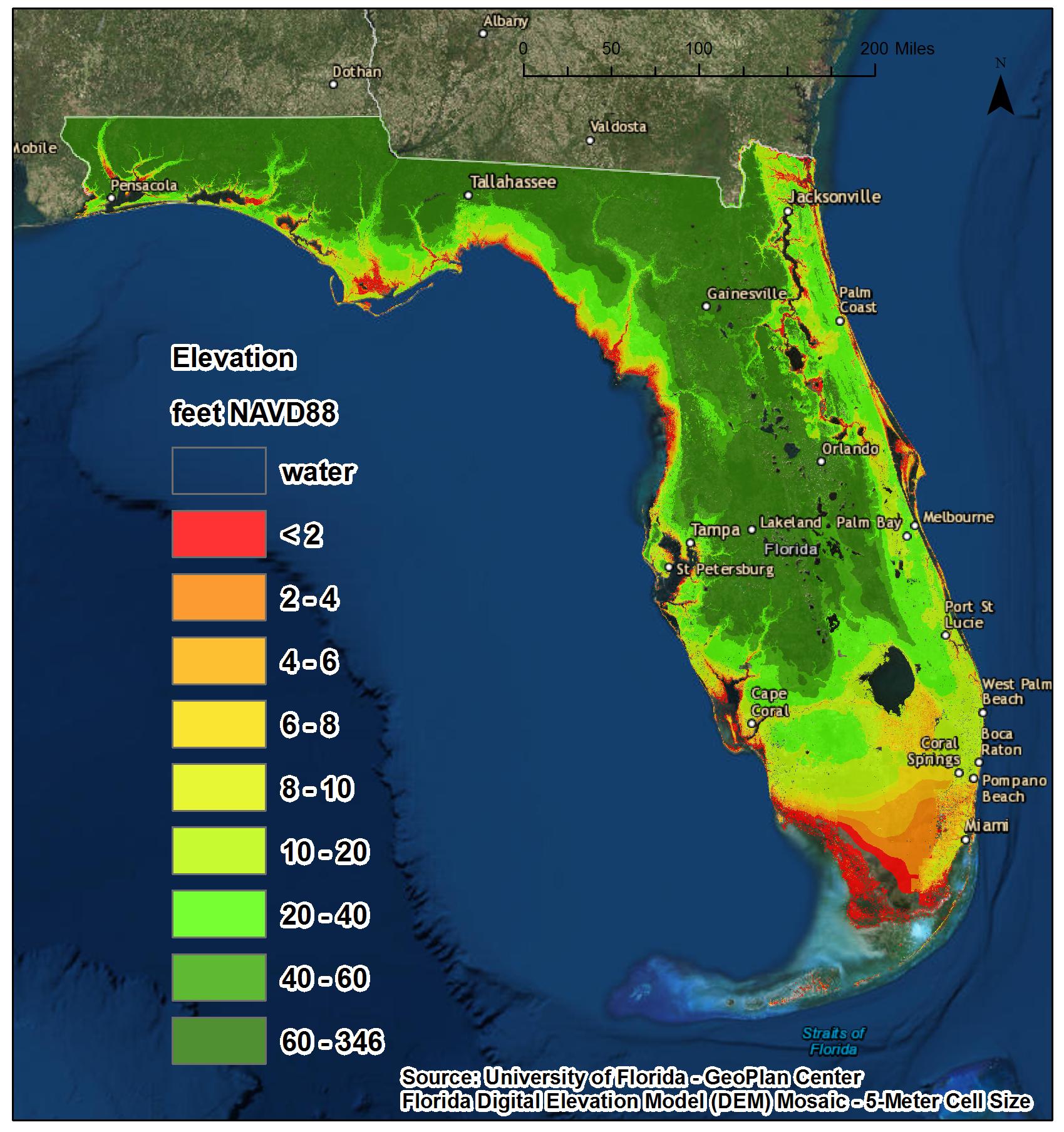
Understanding Florida’s topography is key to appreciating its vulnerabilities and its extraordinary beauty. The state’s intimate relationship with the ocean and its low elevation are central themes that weave through its identity, influencing travel experiences, accommodation choices, and the very culture of its communities. From the bustling streets of Miami to the serene waterways of the Everglades National Park, the impact of elevation, or lack thereof, is ever-present, offering both unparalleled opportunities for adventure and significant challenges for environmental preservation and urban planning.
Unveiling Florida’s Topography: A State Forged by the Sea
Florida’s geological story is one intimately tied to ancient oceans and shifting sea levels. Millions of years ago, the landmass we now know as Florida was largely submerged beneath a shallow sea. Over eons, marine organisms, particularly corals and shellfish, died and their calcium carbonate skeletons accumulated, forming thick layers of limestone. This porous limestone bedrock is the very foundation of Florida, acting as a natural sponge that holds vast quantities of freshwater in the state’s extensive aquifer systems, such as the crucial Biscayne Aquifer that supplies drinking water to South Florida.
The General Elevation Picture
While the vast majority of Florida is not technically below sea level, its low average elevation is a defining characteristic. This makes it particularly susceptible to the effects of rising sea levels and storm surges, a topic of growing global concern. Even in areas comfortably above sea level, the flat terrain means that water often has nowhere to drain quickly, leading to extensive wetlands and making parts of the state prone to flooding during heavy rainfall events or hurricanes. This low, flat topography has cultivated a distinct environment that attracts millions of visitors annually, eager to explore its unique landscapes, from the sandy shores of the Panhandle to the intricate mangrove forests of the Florida Keys.
Travelers often arrive expecting an entirely flat landscape, and while much of it is, subtle undulations create diverse microclimates and habitats. The gradual slope from the interior down to the coast is hardly noticeable to the casual observer, yet it directs the flow of water that sustains critical ecosystems. This geological history and current elevation profile set the stage for understanding the state’s natural wonders and the dynamic interplay between land and sea that defines the Floridian experience.
The Geological Formation of Florida
The formation of Florida is a tale of repeated submergence and emergence from the ocean. Over millions of years, as global sea levels fluctuated, the limestone bedrock was alternately exposed to erosion and covered by new marine deposits. This process created a diverse landscape, including the state’s famous karst topography, characterized by features like sinkholes, springs, and underground rivers. These natural wonders are not just geological curiosities; they are major attractions that draw tourists seeking adventure and natural beauty. For instance, springs like those at Silver Springs State Park or Rainbow Springs State Park offer crystal-clear waters perfect for swimming, kayaking, and wildlife viewing, providing a glimpse into the intricate hydrological system beneath the surface.
This ancient geological history also explains why so much of Florida is wetlands, including the iconic Everglades. These “rivers of grass” are essentially very slow-moving shallow sheets of water flowing over the flat limestone, creating a unique freshwater marsh ecosystem unparalleled anywhere else in North America. The low elevation and porous bedrock mean that water is a constant and defining element of the Floridian landscape, shaping its natural beauty and influencing human settlement patterns for centuries.
The Allure and Challenges of Florida’s Low Elevation
Florida’s proximity to the sea and its low-lying topography contribute immensely to its appeal as a global travel destination. The extensive coastline, warm waters, and unique aquatic environments are magnets for tourists. However, this same geographic reality also presents significant challenges, particularly in an era of climate change and rising sea levels. The delicate balance between showcasing Florida’s natural wonders and protecting them from environmental threats is a constant endeavor.
Where Florida Touches the Ocean’s Edge
With over 1,350 miles of coastline, Florida boasts some of the world’s most stunning beaches, from the lively shores of South Beach in Miami Beach to the tranquil white sands of Clearwater Beach. These coastal areas are the heart of Florida’s tourism industry, offering endless opportunities for sunbathing, swimming, surfing, and watersports. The Florida Keys, a string of tropical islands stretching into the Caribbean Sea, exemplify this close relationship with the ocean, with many resorts and accommodations literally over or beside the water.
Beyond the famous beaches, the state’s coastline is a mosaic of barrier islands, tidal flats, and estuaries where freshwater rivers meet the salty Atlantic Ocean or the Gulf of Mexico. These diverse habitats are teeming with marine life, offering exceptional opportunities for fishing, boating, and wildlife observation. The low elevation means that the land gently slopes into the ocean, creating shallow, warm waters perfect for family-friendly beach holidays and diverse marine ecosystems like the Florida Reef Tract, the only living coral barrier reef in the continental United States.
The Phenomenon of Sea Level Rise
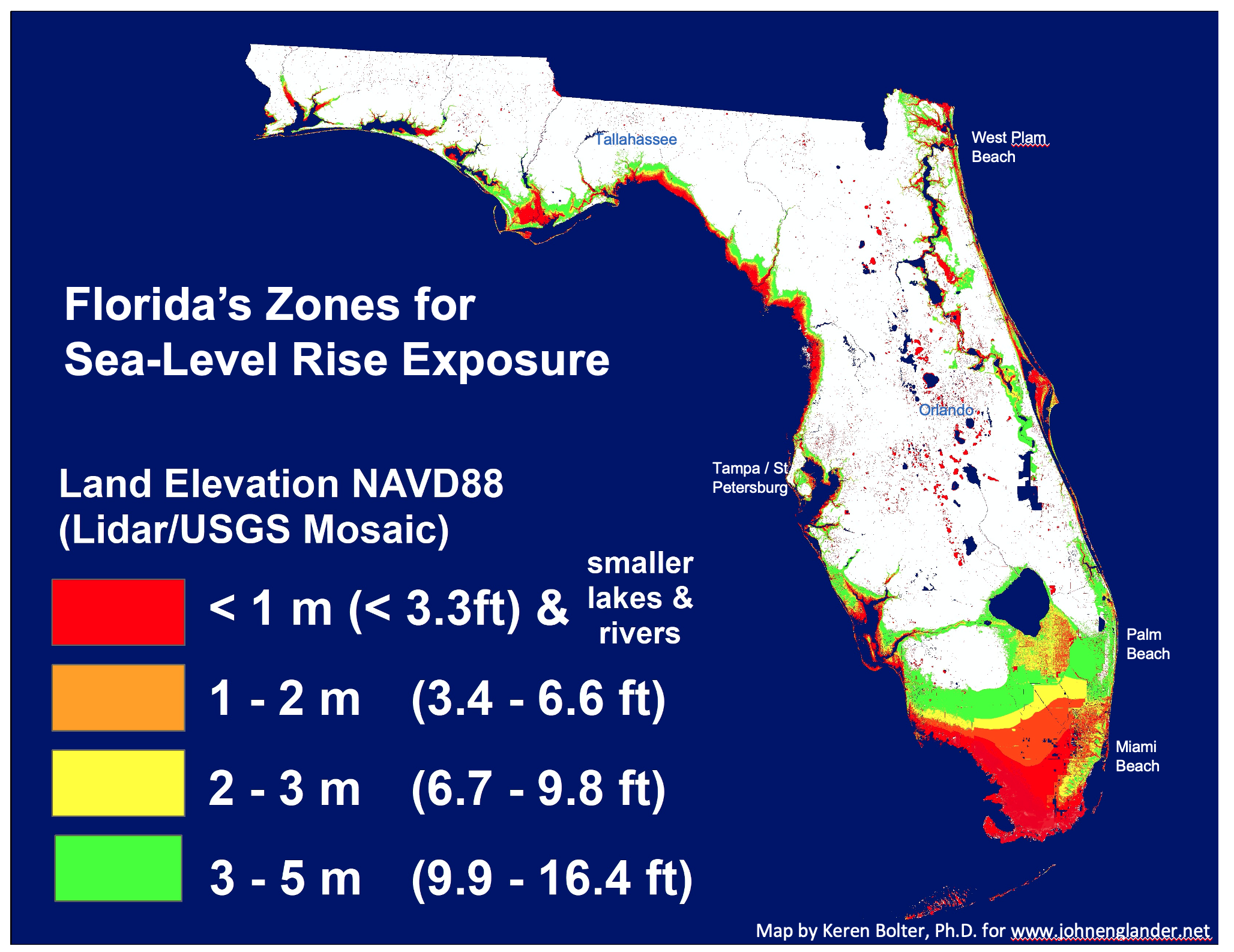
While the allure of Florida’s coast is undeniable, its low elevation makes it particularly vulnerable to the accelerating pace of global sea level rise. This isn’t just a future concern; it’s a present-day reality for many coastal communities. “Sunny day flooding” or “king tide flooding” is a regular occurrence in cities like Miami Beach and Fort Lauderdale, where saltwater intrudes onto streets and into storm drains even without rain, disrupting daily life and challenging urban infrastructure.
The impacts extend beyond visible flooding. Saltwater intrusion threatens Florida’s freshwater aquifers, jeopardizing drinking water supplies. Coastal erosion reshapes beaches and threatens beachfront properties, a significant concern for the state’s tourism and real estate sectors. The delicate ecosystems, such as mangrove forests and salt marshes that serve as natural buffers against storms, are also at risk. These environmental shifts require innovative solutions in urban planning, infrastructure development, and sustainable tourism practices to protect the state’s precious assets. The conversation around climate change and sea level rise is an integral part of Florida’s ongoing narrative, influencing policies, property values, and the future of travel to the region.
Florida’s Unique Ecosystems and Tourism Landscape
The low-lying nature of Florida has given rise to some of the world’s most distinctive and biodiverse ecosystems, which in turn form the bedrock of its ecotourism industry. These natural landmarks offer unparalleled experiences for travelers seeking adventure, relaxation, and a deep connection with nature. From sprawling wetlands to vibrant underwater worlds, Florida’s unique geography ensures a tourism landscape unlike any other.
The Everglades: A River of Grass
Perhaps the most iconic example of Florida’s low elevation impact is the Everglades National Park. This UNESCO World Heritage Site is not a swamp in the traditional sense, but a slow-moving, shallow river of grass flowing from Lake Okeechobee southwards to Florida Bay. Its existence is entirely dependent on the state’s flat, low-lying topography. A visit to the Everglades is an immersive experience, offering airboat tours that skim across the water, guided kayaking excursions through mangrove tunnels, and opportunities to spot an incredible array of wildlife, including alligators, crocodiles, Florida panthers, and manatees.
The delicate balance of freshwater and saltwater in the Everglades creates distinct habitats, each supporting different species. Tourists are drawn to its raw, untamed beauty, making it a prime destination for ecotourism and a testament to the marvels that low elevation can create. This natural landmark is a powerful reminder of the importance of conservation, as its future is inextricably linked to regional water management and global sea level trends.
Coastal Cities and Waterfront Attractions
Florida’s major cities, including Miami, Orlando, Tampa, and Jacksonville, are either directly on the coast or just a short drive away. This proximity to the water shapes their character, urban planning, and the types of attractions they offer. Miami, for instance, is world-renowned for its beachfront resorts, vibrant nightlife, and art deco architecture, all situated just feet from the Atlantic Ocean. St. Augustine, the nation’s oldest city, balances its rich history with stunning coastal views and waterways perfect for sailing.
While Orlando is famously known for its theme parks like Walt Disney World Resort and Universal Orlando Resort, it still benefits from being in a state defined by water, with easy access to both coasts. Many visitors combine theme park adventures with day trips to coastal towns, showcasing the seamless blend of entertainment and natural beauty. Waterfront dining, fishing charters, yachting, and various water sports are staples of the Floridian urban experience, making cities vibrant hubs for tourism and leisure. Even landmarks like the Kennedy Space Center on the Atlantic coast benefit from the state’s unique geography, offering unobstructed views for rocket launches over the ocean.
Diving into Florida’s Underwater World
The low elevation that allows the land to gently meet the sea also creates incredible opportunities for exploring Florida’s underwater world. The Florida Reef Tract, stretching from Biscayne National Park down through the Florida Keys, is a paradise for snorkelers and scuba divers. Its vibrant coral formations are home to an astonishing array of fish, sea turtles, and other marine creatures, offering some of the best diving experiences in the United States.
Beyond the reefs, Florida’s numerous freshwater springs, fed by the underground aquifer system, provide unique opportunities for cave diving, clear-water snorkeling, and swimming alongside manatees. These natural wonders are perfect examples of how the state’s geological characteristics have shaped extraordinary attractions, creating a thriving tourism sector built around aquatic exploration and appreciation.
Adapting to the Landscape: Lifestyle, Accommodation, and Sustainability
Living and traveling in a state as low-lying and water-centric as Florida necessitates a distinctive approach to lifestyle, accommodation, and sustainable development. Residents and visitors alike embrace a water-oriented way of life, while urban planners and developers continuously innovate to build resilient communities capable of thriving amidst environmental challenges.
Architectural Responses and Urban Planning
In response to the low elevation and the increasing threat of flooding and sea level rise, Florida has developed unique architectural and urban planning strategies. Many coastal homes, particularly in areas like the Florida Keys, are built on stilts or elevated foundations to protect against storm surges and high tides. New building codes often require higher base elevations, robust construction materials, and features designed to mitigate flood damage.
Cities like Miami Beach are investing heavily in infrastructure projects, including raising roads, installing powerful pump stations to quickly remove floodwaters, and restoring natural coastal defenses like mangroves and dunes. These efforts are not just about protection; they are about reimagining urban spaces to be more harmonious with the natural environment, ensuring that the unique charm and accessibility of Florida’s coastal communities endure for future generations of residents and tourists.
Accommodation Choices Reflecting the Environment
The types of accommodation available in Florida are as diverse as its landscapes, with many options tailored to its low-lying, waterfront character. Beachfront resorts are a staple, offering direct access to the ocean and often featuring elevated structures to provide stunning views and protection. Luxury travelers might opt for opulent suites and villas in properties like The St. Regis Bal Harbour Resort or the Loews Miami Beach Hotel, where sophisticated design meets strategic flood resilience. Many of these high-end accommodations offer amenities such as private beach access, water sports rentals, and eco-tours, further immersing guests in the Floridian aquatic lifestyle.
For those seeking longer stays or a more local experience, vacation rentals, apartments, and private villas in coastal communities provide a home-away-from-home feel. These often come with access to canals, docks, or private beaches, catering to visitors who want to fully embrace boating, fishing, or simply relaxing by the water. Even budget-friendly hotels and motels in cities slightly inland are designed with hurricane preparedness and water management in mind, ensuring safety and comfort for all travelers. The focus on integrating water elements into hotel design, from infinity pools overlooking the ocean to eco-friendly practices in water management, highlights the profound influence of Florida’s geography on its accommodation sector.
Embracing the Floridian Lifestyle
The Floridian lifestyle is inherently connected to water and the outdoors. Whether it’s paddleboarding in calm bay waters, kayaking through mangrove tunnels, boating in the Gulf of Mexico, or simply enjoying a sunset over the Atlantic Ocean, water-centric activities are central to daily life. The year-round warm climate encourages outdoor living, with communities often centered around marinas, waterfront parks, and nature preserves. This vibrant, active lifestyle attracts people from all walks of life, from retirees seeking a sunny haven to young families eager for outdoor adventures.
The laid-back yet dynamic culture is infused with an appreciation for natural beauty and a pragmatic understanding of the environmental forces at play. Festivals, local cuisine heavily featuring seafood, and community events often revolve around the state’s coastal identity. For visitors, adopting this lifestyle, even for a short while, means embracing the natural elements, being prepared for sudden weather changes, and enjoying the unique blend of tropical paradise and urban sophistication that Florida offers.

Sustainable Tourism and Conservation Efforts
Recognizing the delicate balance of its low-lying ecosystems, Florida is increasingly focusing on sustainable tourism and robust conservation efforts. Organizations like the Florida Fish and Wildlife Conservation Commission are at the forefront of protecting critical habitats, endangered species, and the state’s precious water resources. Tourists are encouraged to engage in responsible practices, such as choosing eco-certified tour operators, respecting wildlife habitats, and minimizing their environmental footprint.
Many resorts and attractions are adopting green initiatives, from reducing plastic waste to conserving water and energy. The emphasis on protecting and restoring natural landscapes, particularly wetlands and mangrove forests, is crucial not only for biodiversity but also for enhancing the state’s resilience against climate change impacts. By promoting sustainable tourism, Florida aims to preserve its extraordinary natural heritage, ensuring that its unique blend of land and sea remains a captivating destination for generations to come.
In conclusion, while the question “Is Florida below sea level?” elicits a more complex answer than a simple yes or no, it underscores the profound influence of its low elevation on every facet of the state. From its ancient geological past to its vibrant present as a global tourism hotspot, Florida’s intimate relationship with the ocean defines its character, its challenges, and its enduring allure. It is a testament to nature’s power and human ingenuity, inviting travelers to explore a truly unique corner of the world where land and sea dance in perpetual embrace.
LifeOutOfTheBox is a participant in the Amazon Services LLC Associates Program, an affiliate advertising program designed to provide a means for sites to earn advertising fees by advertising and linking to Amazon.com. Amazon, the Amazon logo, AmazonSupply, and the AmazonSupply logo are trademarks of Amazon.com, Inc. or its affiliates. As an Amazon Associate we earn affiliate commissions from qualifying purchases.