
The sunshine state of Florida is renowned for its dazzling beaches, world-class theme parks, vibrant cities, and unique natural landscapes. However, when planning a trip to this popular United States destination, one detail that often catches travelers by surprise is its nuanced approach to time zones. The straightforward answer to “Is Florida Central Time?” is generally no, but with a significant geographical exception that warrants careful attention for anyone traveling through the state.
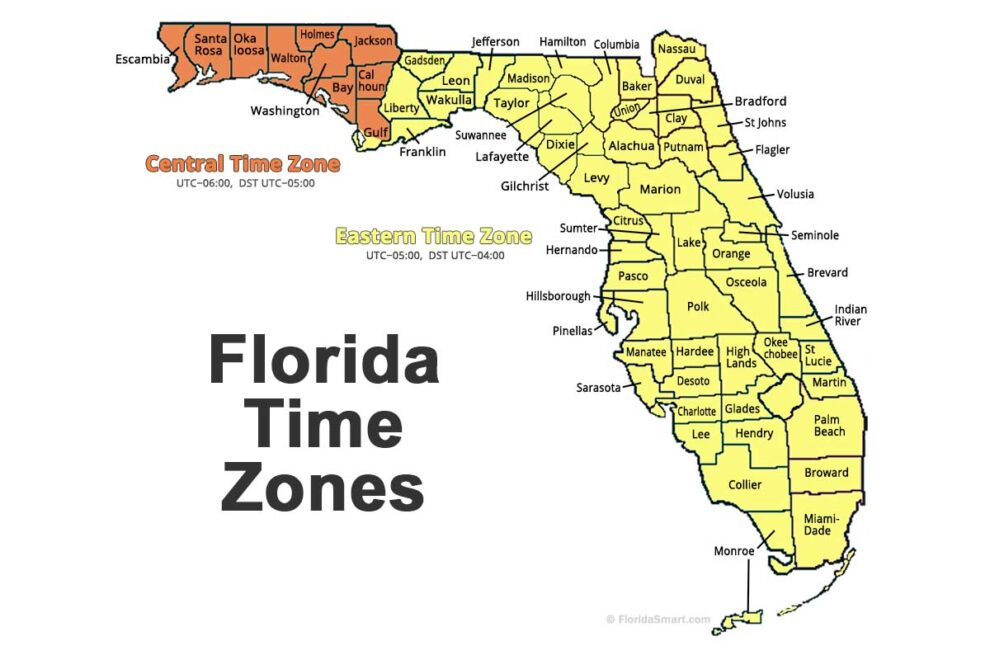
The vast majority of Florida, including major tourist hubs like Orlando, Miami, Tampa, and Jacksonville, observes Eastern Time (ET). This means that for most visitors, their watches and devices will align with the Eastern Time Zone. However, a distinct western portion of the Florida Panhandle operates on Central Time (CT). This split can create confusion, especially for those embarking on road trips across the state or planning detailed itineraries that span both regions. Understanding these distinctions is crucial for seamless travel, accurate booking, and making the most of your Florida experience, from hotel check-ins to attraction opening hours.
Navigating Florida’s Time Zone Landscape
Florida’s geographical layout and its position on the southeastern edge of the United States naturally place most of it within the Eastern Time Zone. However, the westernmost counties of the Florida Panhandle extend far enough west to fall under the influence of the Central Time Zone, creating a fascinating and sometimes challenging temporal divide within a single state.
The Eastern Time Zone: Florida’s Primary Clock
For the overwhelming majority of residents and visitors, Florida is an Eastern Time state. This encompasses all the iconic destinations that draw millions annually. From the magical theme parks of Orlando, home to Walt Disney World Resort and Universal Studios Florida, to the vibrant nightlife and beautiful beaches of Miami and South Florida, the entire Atlantic Coast, and most of the Gulf Coast up to and including Tallahassee, all adhere to Eastern Time. This consistent timing across such a vast and popular region simplifies travel for most, as attractions, flights, and accommodations typically operate on this schedule. Even the remote beauty of the Florida Keys and the wild expanse of Everglades National Park are synchronized with Eastern Time.
The Central Time Zone: The Panhandle Exception
The geographic quirk arises in the western Florida Panhandle. A significant portion of this region, particularly west of the Apalachicola River, observes Central Time. Key cities and popular vacation spots in this zone include Pensacola, Destin, Panama City Beach, and Fort Walton Beach. These destinations are famous for their stunning white-sand beaches, emerald waters of the Gulf of Mexico, and a more laid-back atmosphere compared to the bustling metropolitan areas further east. The time zone boundary is generally understood to follow the Apalachicola River to the west of Port St. Joe and then extends northward, encompassing counties like Escambia County, Santa Rosa County, Okaloosa County, Walton County, and Bay County. Even some military installations like Eglin Air Force Base and Hurlburt Field fall within this Central Time Zone pocket.
The rationale for this split is primarily geographical; the western Panhandle is geographically aligned with Alabama and Mississippi, which are both in the Central Time Zone. This alignment helps facilitate commerce, communication, and daily life with neighboring states. For travelers, however, it means being aware of a one-hour time difference when moving between Tallahassee (ET) and Panama City Beach (CT), for instance.
Daylight Saving Time: A Consistent Shift
Both the Eastern Time Zone and the Central Time Zone in Florida observe Daylight Saving Time. This means that on the second Sunday in March, clocks “spring forward” one hour, and on the first Sunday in November, they “fall back” one hour, returning to Standard Time. While the absolute time changes, the one-hour difference between the two zones within Florida remains constant throughout the year. So, if it’s 3 PM in Orlando (ET), it will be 2 PM in Pensacola (CT), regardless of whether it’s Daylight Saving Time or Standard Time. This consistency simplifies things slightly, as you don’t have to account for varying time differences at different times of the year.
Planning Your Florida Trip: Time Zone Considerations
Understanding Florida’s time zones is more than just a trivial fact; it’s a practical necessity for any well-planned journey. From coordinating travel logistics to ensuring you don’t miss out on activities, time zone awareness is paramount.
Booking Flights and Accommodations
When booking flights into or out of Florida, pay close attention to the airport’s local time zone. For example, a flight arriving at Pensacola International Airport (PNS) will be on Central Time, while a flight into Orlando International Airport (MCO) operates on Eastern Time. This is particularly important for connecting flights or if you’re coordinating pickups.

Similarly, hotel check-in and check-out times will always be based on the local time of the accommodation. If you’re driving from Miami (ET) to Destin (CT) and have a 3 PM check-in, you’ll actually gain an hour on your journey, arriving at 3 PM CT when it’s 4 PM ET. While this sounds like a bonus, failing to account for it could mean thinking you have more time than you do, or arriving an hour earlier than expected and potentially having to wait for your room. Always double-check reservation confirmations for the local time specified.
Synchronizing Your Itinerary and Activities
For travelers planning multi-city itineraries, especially those crossing the time zone boundary in the Panhandle, synchronizing your schedule is crucial.
Imagine driving from Gainesville (ET) to Panama City Beach (CT) for a sunset cruise. If the cruise departs at 6 PM CT, and you’re thinking in ET, you might mistakenly believe you have until 7 PM. This one-hour discrepancy could lead to missing your activity entirely.
Attraction opening and closing times, restaurant reservation slots, tour departure times, and event schedules are all dictated by the local time zone. Theme parks in Orlando follow ET, while attractions along the Central Time Zone Gulf Coast, like the National Naval Aviation Museum in Pensacola, operate on CT. Keeping track of this prevents missed experiences and unnecessary stress. Many modern smartphones and GPS devices automatically update time zones, but it’s always wise to manually confirm, especially in transitional areas.
Beyond the Clock: How Time Zones Impact Your Florida Experience
The implications of Florida’s time zone split extend beyond mere scheduling. They touch upon various aspects of your travel experience, influencing everything from communication to dining and even your sense of relaxation.
Communication and Coordination
For family trips or group travel where members might arrive at different airports or be in different parts of the state, coordinating can become tricky. A phone call made at “noon” by someone in Miami will reach someone in Destin at 11 AM local time. This can lead to missed calls or miscommunications if not explicitly addressed. When making plans, always clarify whether you’re referring to Eastern Time or Central Time to avoid confusion. This applies equally to business stays, where conference calls or deadlines might be affected by internal time zone changes.
Dining and Entertainment Schedules
Dining experiences can also be subtly affected. While most restaurants adapt to local demand, knowing the time zone helps manage expectations for peak hours. In a Central Time Zone city like Panama City Beach, dinner rush might feel “earlier” to someone accustomed to Eastern Time, or vice-versa. Likewise, entertainment events, concerts, or local festivals will adhere strictly to their local time. If you’re planning to catch a show or a sunset celebration, confirming the time zone for the venue is essential to ensure you don’t miss the curtain call or the most picturesque moment.
The Sense of Pace and Lifestyle
Interestingly, the time zone difference can also contribute to the distinct feel of different parts of Florida. The Central Time Zone Panhandle often feels a bit more relaxed, mirroring the slower pace of its neighboring Gulf Coast states. This subtle difference in the rhythm of the day can enhance the sense of a genuine escape for visitors. For instance, enjoying a late dinner in Pensacola at 8 PM CT might feel like a 9 PM ET experience, stretching the evening slightly later from an Eastern Time perspective.

Practical Tips for Crossing the Time Zone Boundary
If your travels take you across the Florida time zone line, here are some practical tips:
- Check Your Devices: Most smartphones and smartwatches automatically update to the correct local time. However, it’s good practice to verify this, especially after crossing the Apalachicola River when heading west or east.
- Signage: Look out for official road signs, particularly along Interstate 10 and other major highways, indicating the time zone change. These signs serve as helpful reminders.
- Double-Check All Bookings: Before you travel, reconfirm all flight, hotel, and activity bookings, explicitly noting the local time zone. A quick call or check of the confirmation email can save a lot of hassle.
- Inform Your Travel Companions: If you’re traveling with others, make sure everyone in your group is aware of the time zone change to avoid confusion and missed appointments.
- Embrace the Change: While it requires a bit of planning, the time zone difference is just another unique aspect of exploring the diverse landscapes and cultures within Florida. It’s part of the adventure!
In conclusion, while the core of Florida firmly resides in the Eastern Time Zone, the exception of its western Panhandle observing Central Time is a vital piece of information for any savvy traveler. Being prepared for this temporal shift ensures that your journey through the Sunshine State remains smooth, enjoyable, and perfectly on schedule, allowing you to focus on creating unforgettable memories amidst its beautiful beaches, vibrant cities, and endless attractions.
LifeOutOfTheBox is a participant in the Amazon Services LLC Associates Program, an affiliate advertising program designed to provide a means for sites to earn advertising fees by advertising and linking to Amazon.com. Amazon, the Amazon logo, AmazonSupply, and the AmazonSupply logo are trademarks of Amazon.com, Inc. or its affiliates. As an Amazon Associate we earn affiliate commissions from qualifying purchases.