
Florida, the “Sunshine State,” beckons millions of tourists annually with its sun-drenched beaches, vibrant theme parks, and diverse natural landscapes. Yet, like any popular destination, a question often arises in the minds of prospective visitors: Is Florida dangerous? While sensational headlines might paint a picture of widespread peril, a closer examination reveals a more nuanced reality. This guide aims to provide a balanced perspective, focusing on traveler safety and offering practical advice for a secure and enjoyable trip, strictly within the realm of Travel.
Understanding Florida’s Safety Landscape
The perception of danger is often shaped by media portrayals and isolated incidents, which can overshadow the overwhelmingly safe experiences of most visitors. Florida, a vast state with diverse environments and a large population, presents a spectrum of safety considerations, much like any other major travel destination. Understanding these factors allows for informed planning and a reduction of potential risks.

Crime Statistics and Traveler Concerns
It’s crucial to differentiate between general crime rates and those specifically impacting tourists. While Florida, like many states, has areas with higher crime rates, these are typically concentrated in specific urban neighborhoods and rarely affect tourist areas directly. Major tourist hubs such as [Orlando], [Miami], and [Tampa] generally have robust law enforcement presence in popular districts. The key for travelers is awareness and adherence to basic safety precautions.
Common Concerns and Mitigation:
- Petty Theft: This is perhaps the most common concern for tourists. Bag snatching, pickpocketing, and theft from vehicles can occur, particularly in crowded tourist spots or when leaving valuables unattended on beaches.
- Mitigation: Always keep valuables secured and out of sight. Avoid displaying large amounts of cash or expensive jewelry. Use hotel safes for passports and excess cash. Never leave luggage or bags unattended. When at the beach, consider a secure beach safe or have a companion watch your belongings.
- Scams: Tourists can be targets of various scams, ranging from inflated prices for goods and services to fraudulent ticket sales.
- Mitigation: Be wary of unsolicited offers, especially those that seem too good to be true. Purchase theme park tickets and tour packages only from official sources or reputable tour operators. Research prices for common services beforehand.
- Drunk Driving: Impaired driving remains a significant concern nationwide, and Florida is no exception.
- Mitigation: If consuming alcohol, utilize ride-sharing services like [Uber] or [Lyft], taxis, or public transportation. Never drive after drinking. Designate a sober driver if traveling with a group.
Natural Hazards: A Different Kind of Risk
Beyond human-induced risks, Florida’s unique geography exposes it to natural phenomena that travelers should be aware of, particularly during certain seasons.
Seasonal Considerations:
- Hurricane Season: Officially running from June 1st to November 30th, this period carries the risk of tropical storms and hurricanes. While a direct hit is not an everyday occurrence, it’s essential to be prepared.
- Preparedness: Monitor weather forecasts diligently before and during your trip. Book accommodations with clear cancellation policies related to severe weather. Familiarize yourself with local evacuation routes if staying in coastal areas. Many hotels in hurricane-prone zones have emergency procedures in place.
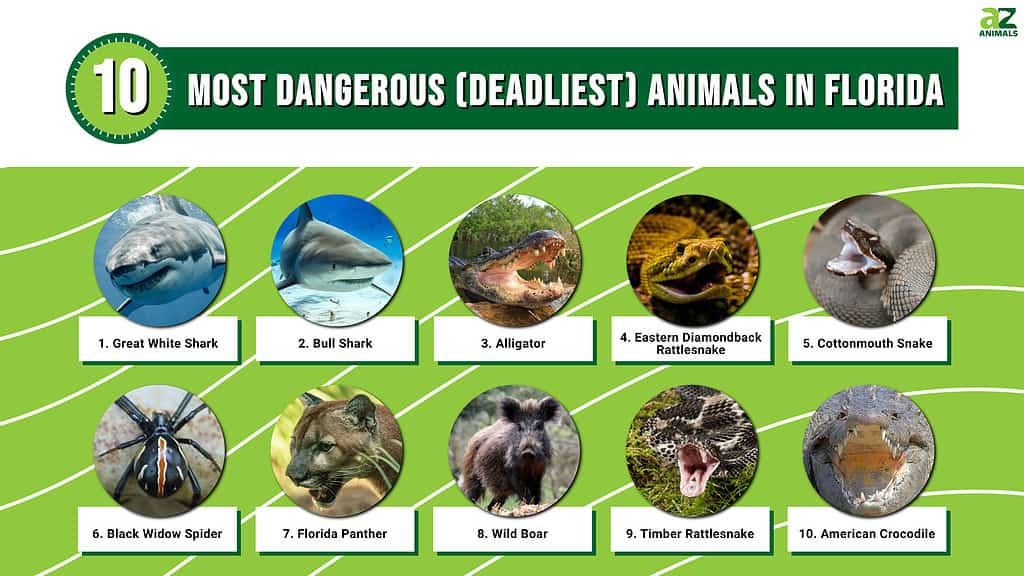
- Alligators and Wildlife: Florida is home to abundant wildlife, including alligators, which are a natural part of the ecosystem. Encounters are usually rare and avoidable if proper precautions are taken.
- Safety: Never feed or approach wild animals, especially alligators. Stay a safe distance from bodies of water where alligators might be present. Adhere to all posted warning signs at parks and nature reserves like the [Everglades National Park].
- Sun and Heat: Florida’s intense sun can lead to sunburn and heatstroke.
- Prevention: Wear sunscreen with a high SPF, protective clothing, and hats. Stay hydrated by drinking plenty of water, especially when engaging in outdoor activities. Plan strenuous outdoor activities for cooler parts of the day, such as early morning or late afternoon.
Navigating Popular Destinations Safely
Florida’s most visited regions offer a wealth of attractions, and understanding the safety nuances of each can enhance your experience.
Theme Park Thrills and Safety Protocols

Destinations like [Walt Disney World Resort] and [Universal Orlando Resort] are meticulously designed with visitor safety as a top priority. These sprawling complexes employ extensive security personnel, advanced surveillance systems, and clear safety protocols for all attractions.
- On-Site Security: Theme parks have a visible and highly trained security presence. They conduct bag checks at entrances and are readily available to assist guests.
- Ride Safety: All rides undergo rigorous testing and maintenance. Height and health restrictions are clearly posted for a reason; adherence ensures a safe experience for all.
- Lost Children/Groups: Parks have well-established procedures for reuniting lost children or members of a group. It’s advisable for families to establish a meeting point should they become separated.
- Crowd Management: During peak seasons, crowds can be immense. It’s important to stay patient, be aware of your surroundings, and keep children close.
Beach and Coastal Safety
Florida’s coastline is one of its greatest draws, but ocean safety requires vigilance.
- Rip Currents: These powerful, narrow channels of water moving away from the shore can be dangerous.
- Awareness: Learn how to identify rip currents. If caught in one, stay calm, swim parallel to the shore until you are out of the current, and then swim back to land. Never swim directly against a rip current. Lifeguard stations are your best resource; heed their advice and swim in designated areas.
- Water Quality: While generally good, occasional advisories may be issued due to factors like heavy rainfall or algae blooms.
- Information: Check local beach reports and heed any posted warnings.
- Sun Protection: As mentioned, the sun’s intensity on the coast requires constant protection.
Urban Exploration and Nightlife
Cities like [Miami] and its vibrant [South Beach] district, or the historic charm of [St. Augustine], offer unique cultural experiences.
- Nighttime Awareness: Like any urban environment, it’s wise to be more cautious after dark.
- Strategies: Stick to well-lit, populated areas. Use ride-sharing services or taxis rather than walking long distances late at night, especially in unfamiliar neighborhoods.
- Respecting Local Customs: Be aware of local laws and customs, particularly concerning alcohol consumption and public behavior.
Practical Tips for a Secure Florida Adventure
A proactive approach to safety transforms potential concerns into manageable aspects of your travel plan.
Pre-Trip Planning
- Research Your Destination: Beyond general safety, understand the specific area you’ll be visiting. Look up local news, common scams reported in that region, and any specific warnings.
- Travel Insurance: Investing in comprehensive travel insurance is a wise decision. It can cover medical emergencies, trip cancellations due to unforeseen events, and lost luggage, providing peace of mind.
- Emergency Contacts: Save important emergency numbers in your phone, including local police, your country’s embassy or consulate, and your hotel’s front desk. Share your itinerary with a trusted friend or family member back home.
During Your Trip
- Stay Informed: Keep abreast of local news and weather forecasts. Many hotels offer concierge services that can provide up-to-date safety information.
- Trust Your Instincts: If a situation feels uncomfortable or unsafe, remove yourself from it. Don’t hesitate to ask for help from hotel staff, law enforcement, or other reliable sources.
- Secure Your Belongings: Use hotel safes, secure your rental car, and be mindful of your surroundings, especially in crowded areas.
- Hydration and Sun Protection: This cannot be stressed enough. Florida’s climate demands constant attention to these basics to prevent heat-related illnesses.
Embracing the Experience
Florida offers an unparalleled vacation experience, from the magical realms of its theme parks to the serene beauty of its natural springs and the bustling energy of its cities. By understanding the potential risks and taking sensible precautions, travelers can confidently explore all that the Sunshine State has to offer, ensuring their visit is memorable for all the right reasons – its breathtaking sights, thrilling adventures, and unique cultural tapestry, rather than any perceived dangers. A well-prepared traveler is a safe traveler, and Florida awaits with open arms, ready to provide an unforgettable journey.
LifeOutOfTheBox is a participant in the Amazon Services LLC Associates Program, an affiliate advertising program designed to provide a means for sites to earn advertising fees by advertising and linking to Amazon.com. Amazon, the Amazon logo, AmazonSupply, and the AmazonSupply logo are trademarks of Amazon.com, Inc. or its affiliates. As an Amazon Associate we earn affiliate commissions from qualifying purchases.