
Florida, often dubbed the Sunshine State, is a land of vibrant contrasts, from its pristine beaches and sprawling theme parks to its diverse cultural enclaves and bustling urban centers. Beyond its undeniable allure as a premier travel destination, a frequently asked question, particularly by those considering a visit, relocation, or investment, pertains to its political identity: Is Florida Democrat or Republican? While politics might seem distant from the sun-drenched resorts and captivating landmarks that define the state, understanding its political leanings offers a deeper insight into the lifestyle, local culture, and even the future direction of its booming tourism and hospitality industries.
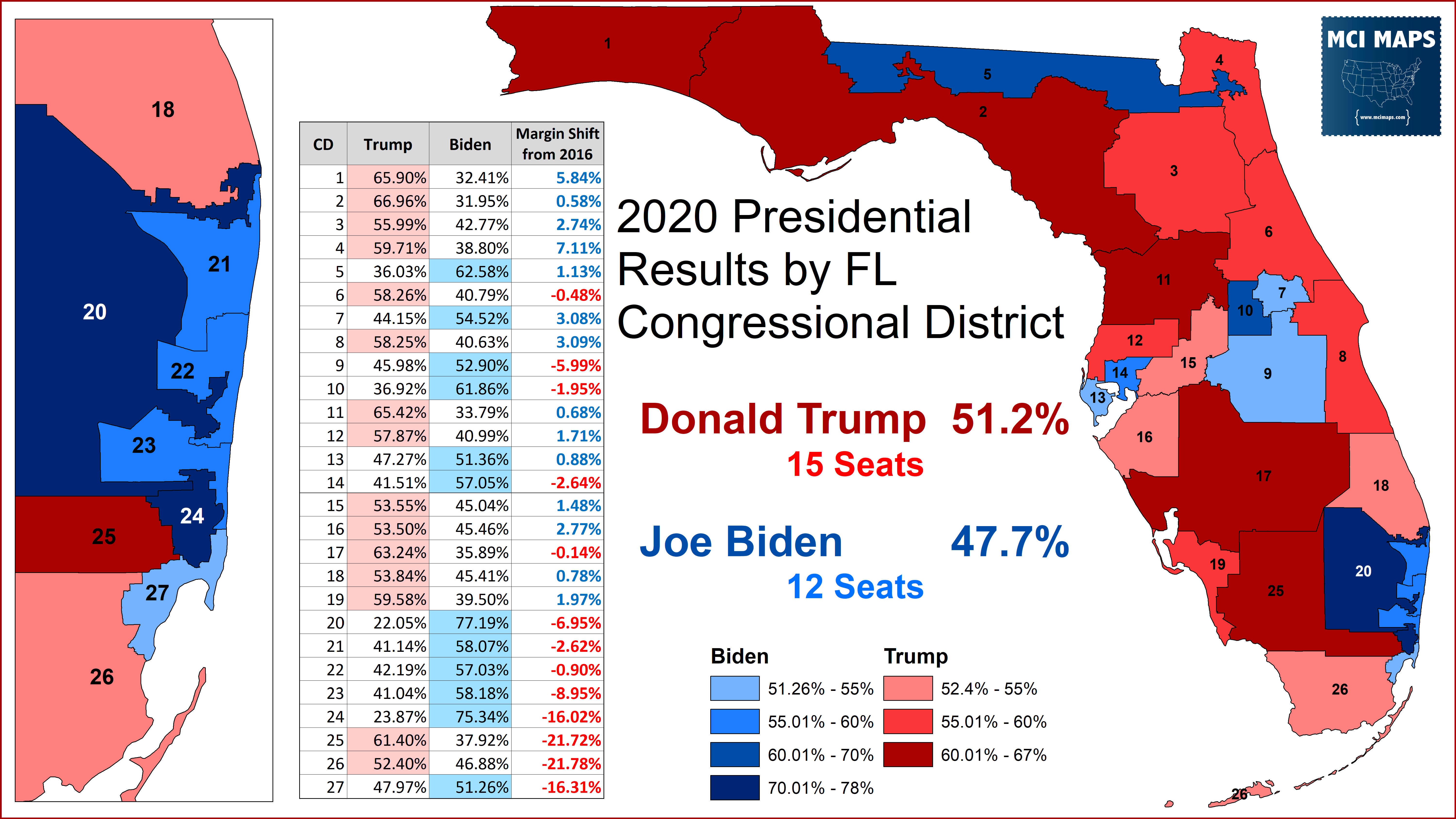
In recent years, Florida has solidified its position as a predominantly Republican state, a significant shift from its historical role as a quintessential swing state. This political evolution isn’t merely a matter of electoral maps; it subtly influences everything from environmental policies affecting its natural attractions to regulations impacting hotels and resorts, and even the general socio-cultural ambiance experienced by residents and millions of annual visitors. For anyone exploring Florida – whether for a luxurious escape, a family adventure, or a long-term stay – recognizing this political landscape can enhance one’s understanding of this dynamic state.
A Shifting Political Landscape: More Than Just Sunshine and Beaches
The political identity of Florida is a complex tapestry woven from its unique demographics, economic drivers, and historical narratives. While the state’s natural beauty and world-class attractions are universal draws, the political currents beneath the surface play a crucial role in shaping the very environment visitors and residents experience.
The Historical Pendulum: From Swing State to Red State
For decades, Florida was the ultimate political battleground, famously deciding presidential elections by razor-thin margins. Its electoral votes were fiercely contested, and its political makeup was often seen as a microcosm of the national electorate, balancing conservative retiree populations with liberal urban centers and a diverse Hispanic vote. This made it a fascinating study for political strategists and often led to policy decisions that attempted to appeal to a broad base.
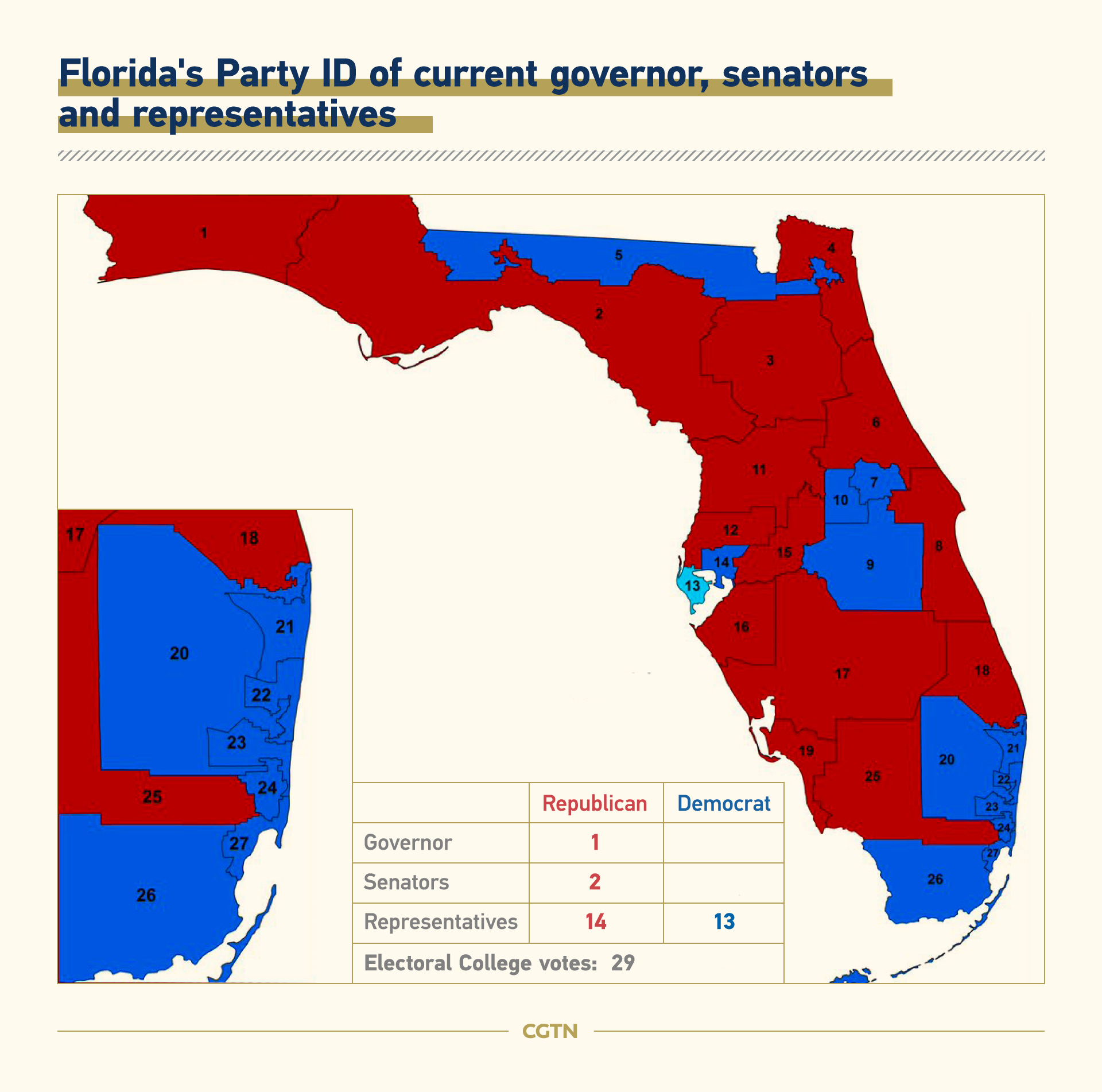
However, the past decade has seen a notable shift. Florida has steadily trended Republican, particularly in statewide elections. This transformation is attributed to several factors: a significant influx of residents from other states, particularly those seeking a more conservative political climate; robust Republican voter registration efforts; and the changing political affiliations within its large Hispanic population. Today, the state is largely considered a Republican stronghold, consistently electing Republican governors, senators, and holding a majority in its state legislature. This shift is not just reflected in state capitals like Tallahassee, but also filters down to local governance, influencing everything from urban planning to cultural funding.
Demographics, Diversity, and Political Divides
Florida’s political leanings are profoundly influenced by its remarkably diverse population. This diversity, while contributing to the state’s rich cultural mosaic, also creates distinct political pockets.
- South Florida: Areas like Miami-Dade County and Broward County, encompassing vibrant cities like Miami and Fort Lauderdale, often remain more liberal, characterized by large immigrant communities, a thriving arts scene, and a cosmopolitan lifestyle. The Cuban-American population in Miami, historically Republican, has seen some shifts, adding another layer of complexity. For travelers, this means a more progressive and internationally-infused experience, from cutting-edge cuisine to avant-garde art districts.
- Central Florida: Home to Orlando and its world-famous theme parks, this region is a swing area, influenced by the transient tourism workforce and the growing Puerto Rican population, which tends to lean Democrat. However, surrounding suburban and rural areas are reliably conservative. The balance here often dictates the state’s overall trajectory. Orlando itself, a hub for family travel and major conventions, presents a more politically neutral facade, but local policies can impact everything from affordable housing for tourism workers to development regulations for new resorts.
- The Panhandle: Known as “Florida’s Redneck Riviera,” this region, including cities like Pensacola and Jacksonville, is overwhelmingly conservative, reflecting its Deep South cultural ties and military presence. Visitors to the Panhandle might experience a more traditional, small-town American vibe, often with a focus on outdoor activities and local seafood, less influenced by the global cosmopolitanism of South Florida.
- Southwest Florida: Cities like Naples and Sarasota are popular retirement destinations, attracting a significant number of affluent retirees, many of whom lean Republican. This region boasts upscale resorts, golf courses, and a refined lifestyle, often reflecting conservative values in local governance and community standards.
These demographic concentrations and their corresponding political leanings ensure that while Florida as a state is generally Republican, the experience of visiting or living in different regions can vary dramatically. This mosaic of perspectives is part of what makes Florida such a diverse and compelling destination for any type of traveler, from those seeking vibrant nightlife to tranquil nature escapes.
Political Echoes in Florida’s Travel and Tourism Sector
The political climate of Florida is not just an abstract concept; it has tangible effects on the very industries that drive its economy and attract millions of visitors: travel, tourism, and hospitality. State-level policies, influenced by the prevailing political party, can shape the landscape for hotels, resorts, attractions, and the overall visitor experience.
Policy, Preservation, and Paradise: Environmental and Landmark Protection
Florida’s appeal is inextricably linked to its natural environment – its miles of pristine beaches, unique wetlands, and diverse ecosystems. Political decisions concerning environmental protection, land use, and conservation efforts directly impact the long-term viability and accessibility of these crucial attractions.
A Republican-led state government often emphasizes economic development and limited regulation, which can, at times, lead to debates over the balance between growth and environmental preservation. Policies related to coastal development, water quality, and the protection of vulnerable areas like the Everglades National Park are constantly under scrutiny. These decisions directly affect eco-tourism, wildlife viewing, and the health of the state’s natural landmarks. For travelers drawn to Florida for its natural beauty, understanding these underlying political discussions can provide context to conservation efforts and sustainable tourism initiatives. Similarly, funding for historical preservation, such as that for St. Augustine’s historic district or the Art Deco architecture of Miami Beach, can also be influenced by state budgets and priorities.
Hospitality and Economic Climate: What it Means for Hotels and Resorts
The hospitality industry, encompassing everything from luxury resorts and boutique hotels to vacation rentals and long-term accommodation options, is a cornerstone of Florida’s economy. State policies related to taxation, labor laws, and business regulations can significantly impact this sector.
A Republican administration typically favors lower taxes, reduced regulation, and a business-friendly environment, which can attract investment in new hotels and resorts, fostering competition and potentially leading to more diverse and luxurious accommodation options. For example, policies encouraging large-scale development have contributed to the expansion of major tourism hubs like Orlando and the Space Coast. However, these policies can also face criticism regarding their impact on local communities, infrastructure, and the environment.
Labor policies, minimum wage laws, and employee benefits also play a role in the operational costs and service quality of the hospitality sector. While visitors might not directly perceive these political influences, they indirectly shape the pricing, availability, and overall standard of services in Florida‘s vast tourism ecosystem. From the grand suites of Palm Beach to the family-friendly apartments in Kissimmee, the economic climate fostered by the state government has a profound, if subtle, effect.
Lifestyle and Local Culture: A Spectrum of Experiences
Beyond the direct policy impacts, the prevailing political leanings of a region can shape its lifestyle and local culture, influencing everything from dining trends to artistic expressions. Florida’s political diversity means visitors can encounter a wide spectrum of cultural experiences.
In more liberal areas like Miami or Key West, there might be a greater emphasis on cultural diversity, LGBTQ+ inclusivity, and a vibrant arts and nightlife scene. These regions often embrace more progressive social policies, which can manifest in a welcoming and open atmosphere for a broader range of visitors seeking unique experiences. The food scene in such areas often reflects global influences and innovative culinary trends.
Conversely, in more conservative regions, particularly in the northern part of the state or inland rural areas, the culture might be more traditional and family-oriented. There might be a stronger emphasis on outdoor activities, local heritage, and community events that align with conservative values. The dining might lean towards classic Southern comfort food or fresh local catches rather than experimental fusion cuisine. While these differences are not explicitly political, they are often correlated with the underlying political sentiments of the communities. Understanding this subtle interplay can help travelers choose destinations that align with their preferred lifestyle and cultural experiences.
Navigating Florida: Understanding Regional Political Nuances
For travelers and those seeking to understand Florida beyond its surface appeal, recognizing the political nuances across its various regions is key to fully appreciating the state’s diverse offerings.
Urban vs. Rural Divides: Miami, Orlando, and Beyond
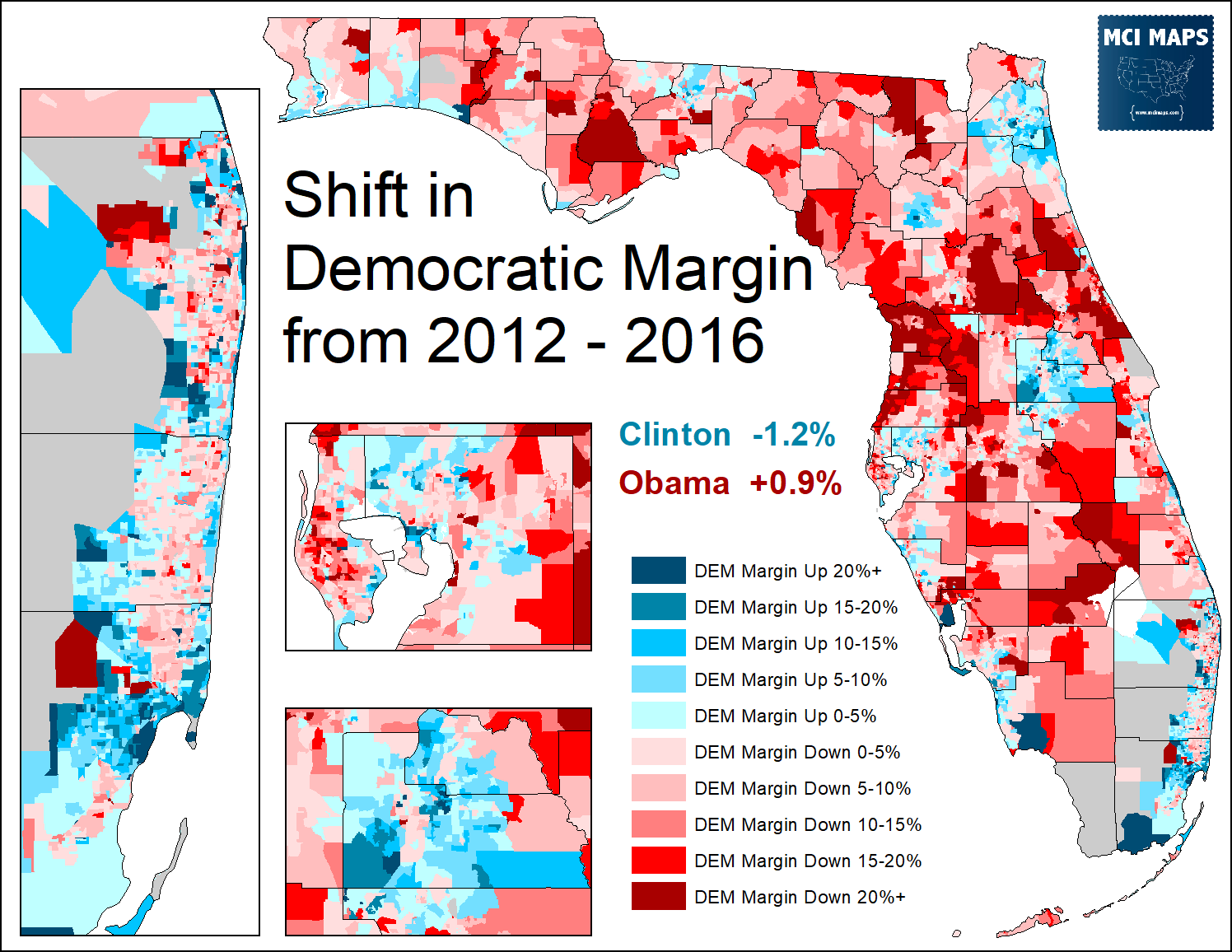
Just like in many other states, Florida’s political map often shows a clear divide between its densely populated urban centers and its more sparsely populated rural areas. Major metropolitan hubs tend to lean more Democrat, while the surrounding suburbs and rural counties are overwhelmingly Republican.
- Miami and Fort Lauderdale: These cities, as mentioned, are bastions of liberal thought within a largely conservative state. Their cosmopolitan atmosphere, diverse populations, and international flavor make them distinct. Travelers here can expect a dynamic nightlife, a thriving arts scene (e.g., the Art Deco Historic District and Vizcaya Museum & Gardens), and a wide array of global culinary experiences.
- Orlando and Tampa: These central Florida cities represent a more moderate political landscape, often swinging between parties depending on specific elections. Orlando, with its massive tourism industry, diverse workforce, and growing tech sector, is a melting pot. Tampa, similarly, boasts a mix of industries and cultures. Both offer a wide range of attractions, from theme parks like Busch Gardens Tampa Bay to vibrant downtowns, and represent a crucial battleground in state politics.
- Rural Florida: Venturing outside these urban cores, particularly into the heartland or the Panhandle, one finds a more conservative, traditional Florida. Here, agriculture, outdoor recreation (hunting, fishing), and a slower pace of life dominate. These areas offer a glimpse into a different side of the state, with charming small towns, natural springs, and a focus on local heritage rather than international glamour.
- The Florida Keys: While geographically part of South Florida, the Florida Keys, particularly Key West, maintain a unique, independent, and often liberal political and cultural identity, known for its eccentricity and tolerance. This makes it a distinct travel destination within the state.
These regional differences underscore that Florida is far from a monolithic entity. Its political identity, while leaning Republican statewide, is a sum of its diverse parts, each offering a unique flavor.
Tourist Hotspots and Political Nuances
Major tourist hotspots like Walt Disney World Resort in Orlando, Universal Orlando Resort, SeaWorld Orlando, and LEGOLAND Florida Resort often strive to maintain an apolitical stance to appeal to a global audience. However, even these giants can find themselves indirectly influenced by state politics. Debates over special district governance, tax incentives, and social policies can put major corporations in the spotlight, illustrating how even seemingly neutral entertainment attractions are interwoven with the state’s political fabric.
Similarly, iconic landmarks and natural attractions such as the Kennedy Space Center Visitor Complex on the Space Coast, Castillo de San Marcos in St. Augustine, or Dry Tortugas National Park near Key West, operate within the framework of state and federal regulations, which are ultimately shaped by political decisions. Understanding this connection adds depth to the appreciation of Florida’s treasured sites.
In conclusion, while the question “Is Florida Democrat or Republican?” can be answered by observing its current electoral trends, the full picture is far more nuanced. Florida has firmly established itself as a Republican-leaning state, but its political identity is dynamic and regionally diverse. This political landscape subtly permeates the state’s vibrant travel and tourism sector, influencing everything from environmental protection for its natural wonders to the economic conditions for its world-class hotels and resorts, and shaping the unique lifestyles and cultural experiences available in its various cities and regions. For any visitor or potential resident, recognizing these underlying currents offers a richer, more informed perspective on the captivating and ever-evolving Sunshine State.
LifeOutOfTheBox is a participant in the Amazon Services LLC Associates Program, an affiliate advertising program designed to provide a means for sites to earn advertising fees by advertising and linking to Amazon.com. Amazon, the Amazon logo, AmazonSupply, and the AmazonSupply logo are trademarks of Amazon.com, Inc. or its affiliates. As an Amazon Associate we earn affiliate commissions from qualifying purchases.