
For anyone contemplating an extended stay, relocation, or even a long-term visit to Florida, the question “Is Florida DMV open today?” is far more than a simple query about operating hours. It’s a gateway to understanding the practicalities of settling into life, even temporarily, in the Sunshine State. From securing a local driver’s license to registering a vehicle, navigating the Florida Department of Highway Safety and Motor Vehicles (DHSMV) system is an essential step for countless travelers and new residents. This comprehensive guide aims to demystify the process, offering insights and practical advice to ensure a smooth transition, whether you’re moving your life or just your car to Florida.
Understanding DMV operations, necessary documentation, and available services is crucial for anyone seeking to establish themselves in Florida. This isn’t merely about bureaucracy; it’s about seamlessly integrating into the local infrastructure, ensuring legal compliance, and ultimately enhancing your travel or living experience in this vibrant state. We’ll explore how to find current operating hours, what services are most relevant to newcomers, and how to prepare for a successful visit.
Understanding Florida DMV Operations: Beyond a Simple “Yes” or “No”
The seemingly straightforward question, “Is Florida DMV open today?”, often requires a nuanced answer. Unlike a retail store with standardized hours, the Florida DHSMV system is a network of state-run and independently contracted offices, primarily managed by County Tax Collector offices, each with potential variations in their schedules and service offerings. This decentralized approach means that an office in Miami might have different hours or holiday closures than one in Orlando or a smaller, more rural county.
Key Factors Influencing DMV Hours
Several factors dictate when a Florida DMV office, or more accurately, a County Tax Collector’s office providing DMV services, will be open:
- Weekdays vs. Weekends: Almost all offices operate exclusively on weekdays, typically Monday through Friday. Weekend hours are exceptionally rare, if they exist at all, and would be an anomaly.
- Public Holidays: Florida state holidays and federal holidays (e.g., New Year’s Day, Memorial Day, Independence Day, Labor Day, Thanksgiving, Christmas) will almost certainly result in office closures. It’s crucial to check for these, especially if your travel or relocation plans coincide with a holiday period.
- Local Office Variations: As mentioned, each County Tax Collector’s office might set its own specific operating hours within general guidelines. Some may open earlier or close later, or even have specific days for certain services.
- Emergency Closures: Inclement weather (especially during hurricane season), natural disasters, or unforeseen local emergencies can lead to temporary closures. These are typically announced via local news or official websites.
How to Verify Current Operating Status
To avoid a wasted trip, verifying the current operating status is paramount. Relying on outdated information can be frustrating and costly, especially for those new to the area.
- Official Florida DHSMV Website: The central hub for state-level information is the Florida DHSMV website. While it doesn’t list individual office hours, it provides links to the various County Tax Collector websites.
- County Tax Collector Websites: This is your most reliable source. Identify the specific county you plan to visit (e.g., Orange County for Orlando, Miami-Dade County for Miami) and navigate to their official website. Most will have a dedicated section for “Motor Vehicle” or “Driver License” services, detailing hours, locations, and holiday schedules.
- Phone Calls: While less convenient, a direct phone call to the specific office can confirm hours and services, particularly if information online seems unclear or if you have specific questions about your unique situation.
Appointment Systems and Walk-ins
The COVID-19 pandemic significantly altered how many DMV offices operate, with a widespread shift towards appointment-based systems to manage crowd flow and reduce wait times. While many offices now offer a hybrid approach, or have reverted to walk-in services, securing an appointment online beforehand remains the most advisable strategy, especially for complex transactions or if you’re traveling a significant distance. Always check the specific office’s policy on appointments versus walk-ins to streamline your visit.
Essential DMV Services for Travelers and New Florida Residents
For those relocating to Florida or planning an extended stay, interacting with the DHSMV goes beyond simple inquiries. It involves a range of critical services that facilitate your legal presence and mobility within the state. Understanding these services is a vital part of any comprehensive Florida travel or relocation guide.
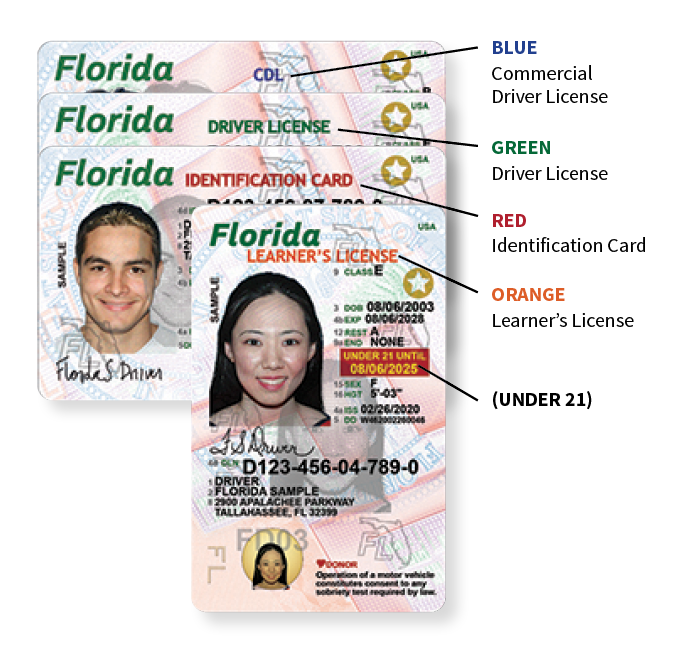
Driver’s License and ID Card Services
The process of obtaining a Florida driver’s license or ID card is often the first significant administrative step for new residents.
- For New Florida Residents: If you’re establishing residency in Florida, you are generally required to obtain a Florida driver’s license within 30 days of becoming a resident. This involves surrendering your out-of-state license. The process usually requires presenting proof of identity, Social Security number, and two proofs of Florida residency. This is a crucial step for legal driving and often for other administrative tasks like opening bank accounts or registering to vote.
- For Non-Residents/International Visitors: If you hold a valid driver’s license from another U.S. state or territory, you can generally drive in Florida without obtaining a Florida license, provided you are not establishing residency. For international visitors, a valid license from your home country is typically accepted for up to one year. An International Driving Permit (IDP) is highly recommended, as it provides a translation of your license, though it is not a standalone license. Florida does not issue temporary driver’s licenses to international visitors unless they meet specific residency criteria.
- Getting a Florida ID Card: For those who don’t drive but need an official state-issued identification, a Florida ID card is available. This is particularly useful for students, seniors, or anyone needing a government-issued photo ID for various purposes, including air travel (especially with the upcoming enforcement of the REAL ID Act).
Vehicle Registration and Title Services
Bringing a vehicle to Florida necessitates specific registration and titling procedures.
- Registering Out-of-State Vehicles: New Florida residents must register their vehicles and obtain a Florida license plate within 10 days of establishing residency or becoming employed in the state. This process requires proof of ownership (title), proof of Florida insurance, and completion of a Vehicle Identification Number (VIN) verification and odometer declaration (Form HSMV 82042).
- Temporary Tags for Purchased Vehicles: If you purchase a vehicle in Florida, dealers typically issue a temporary tag. If purchasing privately, you may need to visit a DMV office to obtain a temporary tag to legally drive the vehicle until permanent registration is processed.
- Renewals for Long-Term Residents: For those on extended stays or permanent residents, annual vehicle registration renewals are standard. Many of these can be completed online, saving a trip to the DMV office.
Special Considerations for Seasonal Visitors (“Snowbirds”)
Florida is a magnet for “snowbirds” – seasonal visitors who spend several months in the state. Understanding residency rules and vehicle registration implications is crucial for this demographic. Generally, if you maintain your primary residence (and driver’s license/vehicle registration) in another state and do not establish Florida residency, you are not required to switch your driver’s license or vehicle registration. However, specific rules apply regarding the duration of your stay and any actions that might indicate intent to reside (e.g., enrolling children in Florida schools, registering to vote). It’s wise to review the DHSMV guidelines for “non-resident” status to ensure compliance.
Preparing for Your Florida DMV Visit: A Travel-Smart Approach
A successful DMV visit in Florida, especially for those unaccustomed to the local system, hinges on thorough preparation. Think of it as mapping out a critical part of your travel itinerary – ensuring you have all the necessary components before departure.
Required Documentation Checklist
This is perhaps the most critical aspect of preparation. Showing up without the correct documents is the fastest way to guarantee a second trip. Always check the official County Tax Collector website for the most current and specific requirements for your transaction. However, common documents often include:
- Proof of Identity: Original birth certificate or valid U.S. passport. For non-U.S. citizens, valid immigration documents (e.g., green card, visa, I-94).
- Proof of Social Security Number: Your Social Security card or a document from the Social Security Administration displaying your full name and SSN.
- Proof of Florida Residency (two documents): This can include a utility bill, lease agreement, bank statement, or a voter registration card, all showing your Florida address.
- Proof of Vehicle Ownership/Registration: Original vehicle title for registration, or your out-of-state driver’s license for a transfer.
- Proof of Florida Auto Insurance: Mandatory for vehicle registration and driver’s license issuance.
- Name Change Documents: If your name on any document differs (e.g., due to marriage), bring certified copies of marriage certificates or court orders.
Make copies of all documents, but remember that original documents are typically required for verification at the office.
Online Services and Remote Options
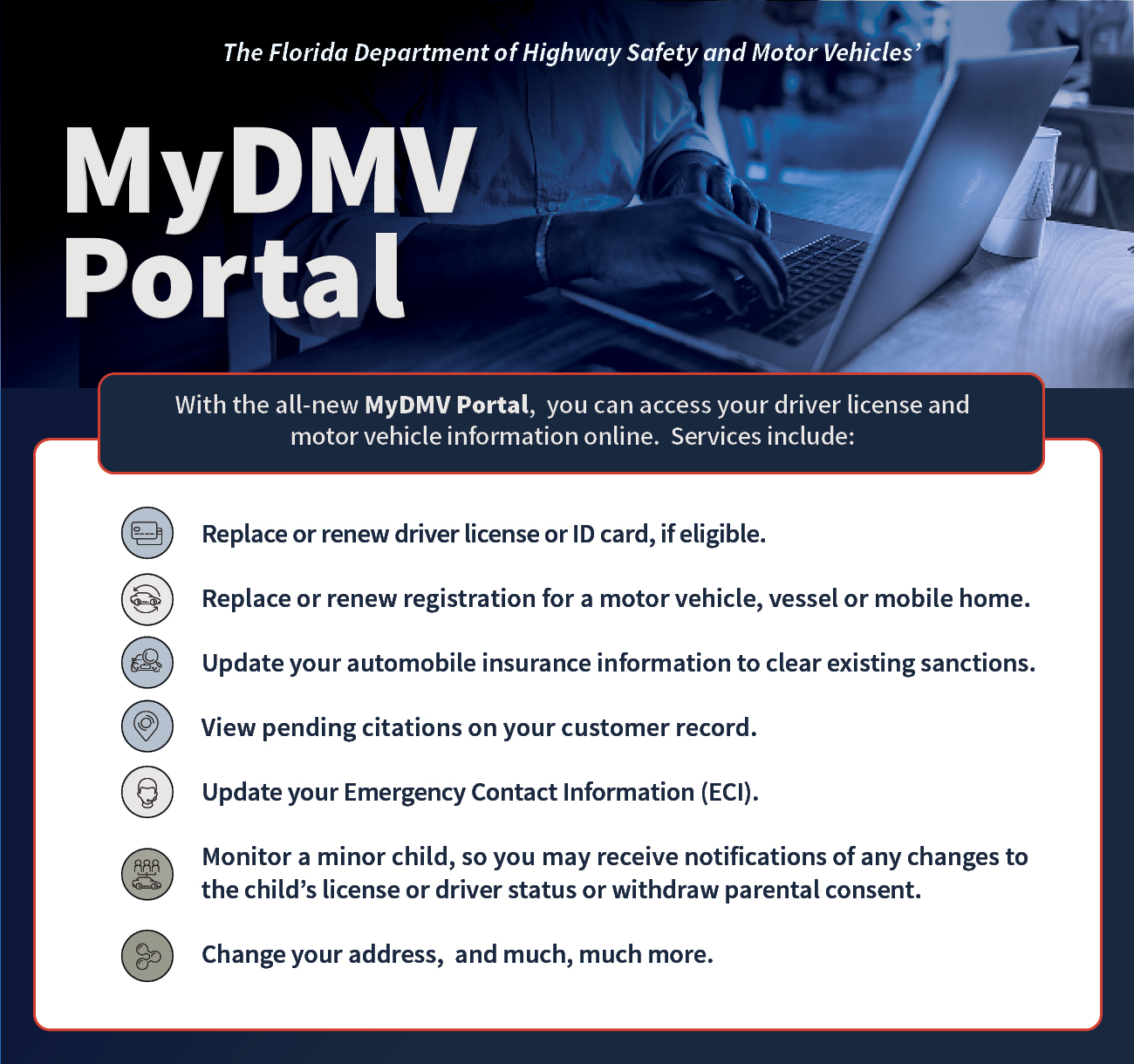
The Florida DHSMV has significantly expanded its online services, allowing many transactions to be completed remotely. This is an invaluable tool for travelers and new residents looking to minimize in-person visits and save time.
- Driver’s License and ID Card Renewals: Many renewals are eligible for online processing.
- Vehicle Registration Renewals: Most annual renewals can be done via the online portal.
- Address Changes: Updating your address on your driver’s license or vehicle registration can often be done online.
- Driving Records: Requests for official driving records can be made online.
Leveraging these digital platforms whenever possible can dramatically reduce the need for a physical visit, allowing you more time to enjoy Florida’s attractions.
Strategic Timing and Location Choices
Patience is a virtue, especially when dealing with administrative offices. However, strategic planning can minimize your wait time.
- Avoid Peak Hours: Typically, mid-morning (after opening rush) and mid-afternoon (before closing rush) are less crowded. Tuesdays, Wednesdays, and Thursdays often see fewer visitors than Mondays and Fridays.
- Choose Less Busy Locations: If possible, consider visiting a County Tax Collector’s office in a smaller town rather than a major metropolitan hub like Miami, Orlando, or Tampa. While this might require a short drive, the time saved in shorter queues could be significant.
- Check Live Wait Times: Some larger County Tax Collector websites now offer features to check live wait times for different services, allowing you to choose the optimal moment for your visit.
Navigating the Florida DMV: Common Challenges and Solutions for Visitors and Newcomers
Even with meticulous planning, encountering unexpected hurdles at the DMV can happen. Being aware of common challenges and having potential solutions in mind can smooth the process for travelers and those establishing new roots in Florida.
Language Barriers
Florida is a multicultural state, and while English is the official language, many residents and visitors speak Spanish, Creole, or other languages.
- Seek Assistance: Many larger DMV offices, especially in areas like Miami or Orlando, may have bilingual staff. Don’t hesitate to ask if an interpreter is available.
- Translated Materials: Some forms or informational brochures might be available in Spanish or other languages. Check the DHSMV website for downloadable translated documents.
- Bring a Confidant: If you anticipate a significant language barrier, consider bringing a trusted friend or family member who can assist with translation.
Understanding Florida Residency Requirements
Defining “residency” for driver’s license purposes can sometimes be confusing, particularly for seasonal visitors or those in the process of moving. Florida law generally considers you a resident if you have taken any action to establish legal domicile in Florida (e.g., gained employment, enrolled children in public school, registered to vote, filed for homestead exemption, or resided in Florida for more than six consecutive months).
- Clarify Your Status: If you are unsure whether you meet the residency criteria, consult the DHSMV website or contact an office directly. Misrepresenting your residency status can lead to penalties.
- Documentation is Key: The proofs of residency you provide are crucial. Ensure they clearly demonstrate your intent to reside in Florida.
Dealing with Unexpected Delays
Despite all efforts, delays can occur due to system outages, unexpected staff shortages, or unusually high visitor volumes.
- Maintain Patience: A calm and polite demeanor can make a big difference. Remember, the staff is there to assist you.
- Be Prepared for a Wait: Bring a book, a fully charged phone, or anything else to occupy your time if you anticipate a long wait.
- Inquire, Don’t Assume: If a delay seems excessive, politely inquire about the estimated wait time or the reason for the holdup.
Beyond the DMV: Other Essential Administrative Steps for Your Florida Stay
While the DHSMV is a key touchpoint, settling into Florida involves other important administrative considerations for travelers and new residents. These are part of the broader “travel guide” context for long-term stays.
Insurance Requirements
Florida has specific mandatory auto insurance requirements, including Personal Injury Protection (PIP) and Property Damage Liability (PDL). You must have valid Florida insurance coverage to register a vehicle and obtain a driver’s license. Secure this before your DMV visit.
Voter Registration
If you’re a new Florida resident and a U.S. citizen, you can register to vote at a DHSMV office when applying for or renewing your driver’s license or ID card. This is an important civic step that can be conveniently handled during your administrative errands.
Successfully navigating the Florida DHSMV system is a fundamental aspect of a smooth transition to life in the Sunshine State, whether you’re a permanent transplant, a seasonal visitor, or on an extended travel adventure. By thoroughly understanding the operational nuances, preparing your documentation diligently, and leveraging available online resources, you can transform a potentially daunting task into a straightforward step. With your driver’s license secured and vehicle registered, you’ll be free to fully explore and enjoy all that Florida has to offer, from its pristine beaches to its vibrant cultural hubs. Plan ahead, stay informed, and enjoy your journey in Florida.
LifeOutOfTheBox is a participant in the Amazon Services LLC Associates Program, an affiliate advertising program designed to provide a means for sites to earn advertising fees by advertising and linking to Amazon.com. Amazon, the Amazon logo, AmazonSupply, and the AmazonSupply logo are trademarks of Amazon.com, Inc. or its affiliates. As an Amazon Associate we earn affiliate commissions from qualifying purchases.