
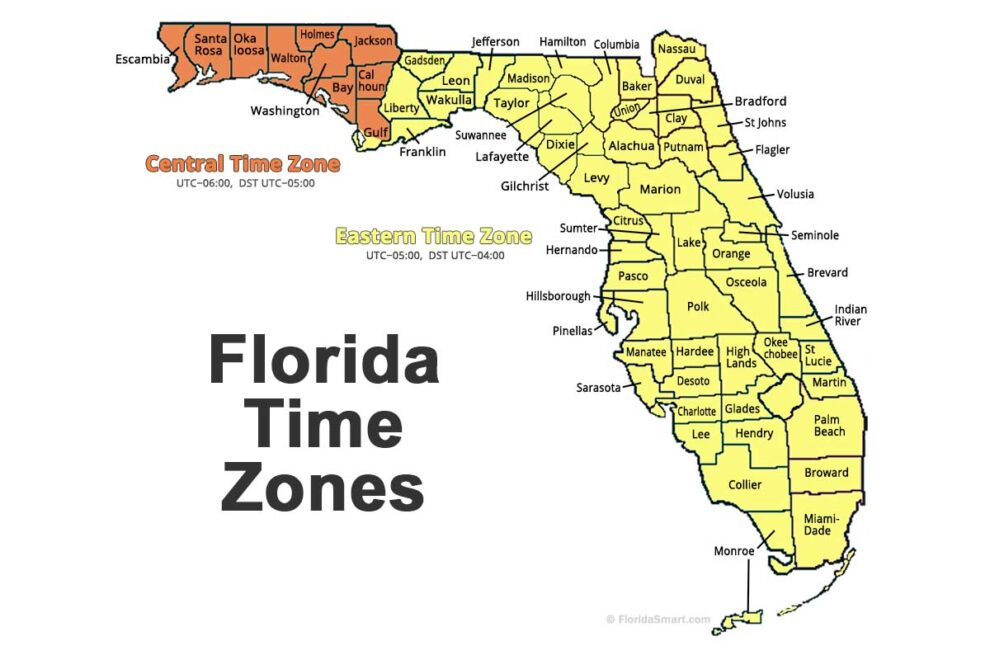
The sunshine state of Florida, a perennial magnet for travelers seeking everything from thrilling theme parks to tranquil beaches, presents a fascinating question when it comes to time: Is Florida Eastern Standard Time? The simple answer is mostly, but not entirely. While the vast majority of Florida observes Eastern Standard Time (EST) or Eastern Daylight Time (EDT) during the appropriate seasons, a notable portion of its western Florida Panhandle operates on Central Standard Time (CST) or Central Daylight Time (CDT). This unique geographical division across two time zones has significant implications for tourism, accommodation bookings, travel planning, and the overall lifestyle experience within the state.
For anyone planning a visit, understanding Florida’s time zone nuances is crucial for seamless navigation, timely arrivals, and ensuring every moment of your vacation is enjoyed without a hitch. From scheduling flights and hotel check-ins to planning visits to iconic landmarks and reserving tables at exquisite restaurants, being time-aware can make all the difference. This comprehensive guide will delve into the intricacies of Florida’s time zones, offering insights for both first-time visitors and seasoned travelers looking to optimize their Florida adventure.
Navigating Florida’s Time Zones: A Traveler’s Guide
Understanding the geographical split of time zones in Florida is fundamental for any traveler. This division, though seemingly minor, can affect everything from transportation logistics to the rhythm of local life, making it a key aspect of travel planning within the state.
The Predominant Presence of Eastern Standard Time (EST)
The vast majority of Florida, encompassing its most famous cities and tourist hubs, falls squarely within the Eastern Standard Time (EST) zone, which is GMT-5 during standard time and GMT-4 during Daylight Saving Time (EDT). This includes the bustling metropolises, vibrant coastal communities, and world-renowned entertainment complexes that attract millions of visitors annually.
Cities like Miami, with its Art Deco architecture and pulsating nightlife; Orlando, the undisputed theme park capital of the world; Tampa, known for its cultural attractions and thriving food scene; Jacksonville, the largest city by area in the contiguous United States; Fort Lauderdale, often called the “Venice of America” due to its extensive canal system; and Key West, the southernmost point of the continental USA, all adhere to Eastern Standard Time. This broad coverage simplifies planning for many travelers, as most popular itineraries will remain within this single time zone.
For instance, a family vacation centered around Walt Disney World Resort in Orlando or an adults-only escape to the luxurious resorts of South Beach in Miami will entirely take place on EST/EDT. The operating hours for attractions like Universal Orlando Resort, dining reservations at high-end restaurants in Palm Beach, or sunset cruises from Key West will all be synchronized to Eastern Standard Time. This uniformity across the most visited regions ensures a consistent travel experience, allowing visitors to easily manage their schedules without constantly adjusting their watches.
During the warmer months, Florida shifts to Daylight Saving Time, becoming Eastern Daylight Time (EDT). This means the clock springs forward one hour, effectively pushing sunsets later into the evening, which is perfect for enjoying more daylight at the beach, extending outdoor activities, and savoring the vibrant nightlife that cities like Miami Beach and St. Petersburg are famous for. Tourists flocking to destinations like Sarasota, Fort Myers, Naples, Daytona Beach, and St. Augustine will find themselves operating on this consistent schedule. The eastern time zone provides a unified experience for the majority of Florida’s diverse attractions, from the historical charm of St. Augustine to the natural wonders surrounding Lake Okeechobee and the pristine beaches of the Atlantic Ocean coastline.
The Panhandle’s Peculiarity: Central Standard Time (CST)
While the bulk of Florida operates on Eastern Standard Time, a distinct portion of the Florida Panhandle observes Central Standard Time (CST), which is GMT-6 during standard time and GMT-5 during Daylight Saving Time (CDT). This westernmost strip of the state, bordering Alabama and the Gulf of Mexico, adheres to a different clock, creating a unique travel consideration for those exploring this region.
Specifically, counties west of the Apalachicola River typically observe Central Standard Time. This includes popular coastal cities and vacation spots such as Pensacola, famous for its historic downtown and naval aviation museum; Destin, renowned for its emerald waters and sugar-white beaches; and Panama City Beach, a vibrant destination known for its lively atmosphere and family-friendly attractions. Other counties like [Escambia], [Santa Rosa], [Okaloosa], [Walton], [Holmes], [Washington], [Bay], and a significant portion of [Gulf] county fall within this time zone. Travelers exploring this part of the state, often referred to as the “Emerald Coast,” need to be mindful of this time difference.
The practical implications of crossing this time zone line are particularly relevant for travelers undertaking road trips across Florida. Imagine driving from Tallahassee (EST) westward towards Pensacola (CST); you would effectively gain an hour upon crossing the boundary. Conversely, heading eastward from Destin towards Gainesville would mean losing an hour. This can impact arrival times for pre-booked accommodations like The Pearl Hotel in Rosemary Beach or WaterColor Inn in Santa Rosa Beach, as well as scheduled tours or dining reservations.
For instance, if you book a dolphin-watching tour departing from Destin at 2:00 PM CST, but your internal clock is still set to EST, you might arrive an hour late, potentially missing your excursion. Similarly, connecting flights within Florida or bus schedules between the panhandle and central Florida require careful attention to time zones to avoid missed connections. The unique time zone split adds an extra layer of planning for those who wish to experience the full geographical breadth of Florida’s diverse offerings, from the bustling theme parks to the serene beauty of the Florida Panhandle’s beaches.
Time Zone Impact on Florida Travel and Tourism
The distinction between Eastern Standard Time and Central Standard Time in Florida, while geographically confined, can ripple through various aspects of a traveler’s journey. From the moment of planning to the enjoyment of local experiences, time zone awareness is a subtle yet significant factor in ensuring a smooth and enjoyable trip.
Planning Your Itinerary and Bookings
One of the most critical areas where time zones come into play is in the meticulous planning of your travel itinerary and the booking of various services. Travel websites and online booking platforms generally display times in the local time zone of the service provider, but a traveler’s awareness is key, especially when crossing zones within Florida.
Flight Schedules: When booking flights into or out of Florida, or connecting flights within the state, always confirm the time zone displayed for departure and arrival. A flight arriving at Pensacola International Airport at 3:00 PM CST will feel like 4:00 PM EST to someone traveling from [Orlando International Airport](https://lifeoutofthebox.com/orlando-international-airport], requiring an hour’s mental adjustment. This can impact rental car pickups, hotel transfers, and initial activity plans.
Hotel Check-ins/Check-outs: Whether you’re staying at a luxurious resort like The Breakers Palm Beach on the east coast or a charming boutique hotel in Seaside on the panhandle, check-in and check-out times are strictly local. Misjudging the time zone can lead to early arrival fees or late departure penalties. For properties like Loews Portofino Bay Hotel at Universal Orlando Resort or a beachfront apartment in Panama City Beach, adherence to the local clock is paramount for a seamless accommodation experience.

Dining Reservations: Florida boasts an incredible culinary scene, from five-star dining in Miami to fresh seafood eateries in Destin. A dinner reservation at 7:00 PM in Miami Beach (EST) would be at 6:00 PM in Pensacola (CST). For multi-city trips, ensure you’re adjusting your internal clock and reservation times accordingly to avoid missing coveted tables or arriving an hour early.
Tour Timings and Attraction Tickets: Planning a visit to Everglades National Park for an airboat tour, or securing tickets for a rocket launch viewing at Kennedy Space Center Visitor Complex? These attractions operate on strict schedules. Similarly, theme parks like Walt Disney World Resort and Universal Studios Florida have precise opening and closing times, as do various museums and cultural landmarks. When purchasing tickets online, double-check the time zone specified for any timed entries or tour departures, particularly if you’re traveling across the state.
For instance, a traveler driving from Tallahassee to Panama City Beach for a fishing charter at 8 AM might unknowingly arrive an hour late if they don’t account for the time zone change. This meticulous approach to time zones in planning is a cornerstone of responsible and stress-free travel, ensuring that every booking, from a room at The Diplomat Beach Resort in Hollywood, Florida to an excursion from Key Largo, is executed perfectly.
Lifestyle and Local Experience Considerations
Beyond logistics, time zones subtly influence the local lifestyle and the overall rhythm of a destination. Understanding these nuances can deepen a traveler’s appreciation and engagement with the culture of Florida’s diverse regions.
Business Hours and Local Events: Local businesses, shops, government offices, and even many restaurants operate according to their respective local time zones. A shop that closes at 5:00 PM in Coral Gables (EST) will operate on a different absolute time than one closing at 5:00 PM in Destin (CST). For travelers seeking authentic local experiences, whether it’s visiting a farmers market or attending a community festival, knowing the local time is essential. Sporting events, concerts, and cultural performances across the state will also adhere to their local time. For example, a Miami Heat basketball game will start at a different absolute time than a Pensacola Ice Flyers hockey game, even if both are listed for 7:00 PM local time.
Communication with Those Outside Florida: For business travelers or those maintaining contact with family and friends outside Florida, the time zone difference can affect communication. When calling someone in New York City from Orlando, you’re on the same time. However, calling from [Panama City Beach](https://lifeoutofthebox.com/panama-city-beach] to New York means a two-hour difference, and to California (PST), it’s a three-hour difference from EST and four hours from CST. This is a small but important detail for international travelers or those on business stays who need to coordinate across different regions of the United States, Canada, or even Mexico and the Bahamas.
“Florida Time” – A Relaxed Pace? While not officially a time zone, the concept of “Florida time” sometimes refers to a more relaxed, unhurried pace of life, particularly in vacation destinations. While you should always adhere to official schedules, embracing a slightly more laid-back attitude can enhance your overall travel experience, especially in places like the Florida Keys or the quieter coastal towns. This lifestyle consideration is more about mindset than mechanical time, but it speaks to the general ambiance that often draws visitors to the state.
Sunrise and Sunset Differences: Due to the Earth’s rotation, locations further west within a time zone experience later sunrises and sunsets than those further east. This effect is magnified across two time zones. The panhandle, being on Central Standard Time and geographically to the west, will generally have noticeably later sunsets than destinations on the east coast, even when adjusted for the time zone difference. For instance, a sunset viewing on Clearwater Beach might occur later than one on South Beach, providing extended opportunities for evening beach activities, outdoor dining, and enjoying the twilight hours. This can be a delightful perk for travelers who love to maximize their daylight hours for exploration and relaxation, especially around iconic natural landmarks or scenic coastal drives.
Beyond the Clock: Maximizing Your Florida Experience
While understanding time zones is a practical necessity, the true art of travel in Florida lies in embracing its diversity and leveraging smart planning to create unforgettable memories. By integrating time awareness with broader travel strategies, you can unlock a truly seamless and enriched experience.
Accommodation and Logistics for a Seamless Stay
Choosing the right accommodation and meticulously handling logistics are paramount for any successful trip, and this is where time zone considerations subtly intertwine with broader travel planning. Florida offers an incredible array of lodging options, from lavish resorts to cozy vacation rentals, each promising a unique experience.
When booking hotels and resorts, whether it’s the opulent Boca Raton Resort & Club on the Atlantic side or the serene Ritz-Carlton, Naples on the Gulf of Mexico, always confirm check-in and check-out times, noting the local time zone. Many travelers rely on loyalty programs like Marriott Bonvoy, Hilton Honors, or Hyatt Globalist for perks like late check-out. It’s wise to confirm if these benefits are available and how they translate across potential time zone changes, especially if you have a connecting flight or an itinerary spanning both eastern and central time zones. Hotels like the Waldorf Astoria Orlando or the JW Marriott Marco Island Beach Resort cater to discerning guests, and their high standards include precise scheduling.
Beyond standard hotels, Florida excels in offering diverse accommodation types. Vacation apartments in Orlando for family trips to Epcot and Magic Kingdom, luxurious villas in Miami for groups, or long-term stays in charming [Key West](https://lifeoutofthebox.com/key-west] for snowbirds are popular options. When coordinating arrivals and departures for these private accommodations, direct communication with hosts or property managers, explicitly mentioning local time, is crucial. For instance, arriving at a booked Casa Marina Key West, A Waldorf Astoria Resort after a long drive, only to realize you are an hour off, can be frustrating.
For families, selecting resorts like Gaylord Palms Resort & Convention Center near Walt Disney World or a more secluded option on Amelia Island requires careful synchronization of children’s schedules. For business stays, ensuring meeting times align with colleagues across the state or other time zones is non-negotiable. Even budget travelers can benefit from this vigilance, as missing a pre-booked bus or shuttle due to a time zone miscalculation can lead to unexpected expenses. Destinations renowned for their natural beauty, such as Sanibel Island and Captiva Island, offer unique accommodation like charming inns or beachfront bungalows, where the emphasis is on relaxation but punctuality for excursions like shelling tours remains important.

Embrace the Diversity: From East to Central
Ultimately, the time zone dichotomy is just one facet of Florida’s incredible diversity, which truly enhances the travel experience. Rather than viewing the time difference as a complication, savvy travelers can see it as an opportunity to explore distinct regions, each with its own character, attractions, and rhythm.
The vibrant east coast, rooted in Eastern Standard Time, offers iconic experiences ranging from the high-energy theme parks of Orlando (including Disney’s Hollywood Studios and Animal Kingdom) and the bustling urban centers of Miami and Fort Lauderdale, to the historical richness of St. Augustine and the luxurious enclaves of Palm Beach and Delray Beach. Here, you can immerse yourself in diverse cultures, visit landmarks like Vizcaya Museum & Gardens, or enjoy world-class shopping and dining. Attractions such as SeaWorld Orlando and Discovery Cove offer unique marine life encounters, all within the harmonious flow of EST.
Venturing into the Florida Panhandle, with its Central Standard Time observance, unveils a different side of Florida. This region, often lauded for its pristine white-sand beaches and laid-back atmosphere, offers gems like Pensacola, Destin, and Panama City Beach. It’s a haven for outdoor enthusiasts, with abundant fishing, water sports, and tranquil natural preserves. The pace feels a little slower, the sunsets a little later, inviting a different kind of relaxation and adventure. Even inland, destinations like Gainesville (EST) offer rich natural springs and a vibrant university town atmosphere, serving as a gateway between the coasts.
Consider pairing a thrilling adventure at Busch Gardens Tampa Bay (EST) with a serene retreat to the beaches of Anna Maria Island (EST), or combining the luxury of a stay at The Vinoy Renaissance St. Petersburg Resort & Golf Club (EST) with a drive through the Panhandle to experience its unique coastal charm. Even exploring remote natural wonders like Dry Tortugas National Park, while accessible from Key West, still operates under the broader EST umbrella for logistical purposes.
No matter your travel style—be it luxury travel with stays at the Amelia Island Plantation Resort, budget travel exploring local cuisine, or family trips navigating the magic of theme parks—Florida’s diverse landscape and experiences are truly boundless. The time zone difference is merely a small yet significant detail that, once understood, allows for a more informed, efficient, and ultimately, more enriching exploration of all that the sunshine state has to offer. So, set your watch (or watches!), embrace the adventure, and discover the many wonders of Florida, from its bustling eastern shores to its tranquil western beaches.
LifeOutOfTheBox is a participant in the Amazon Services LLC Associates Program, an affiliate advertising program designed to provide a means for sites to earn advertising fees by advertising and linking to Amazon.com. Amazon, the Amazon logo, AmazonSupply, and the AmazonSupply logo are trademarks of Amazon.com, Inc. or its affiliates. As an Amazon Associate we earn affiliate commissions from qualifying purchases.