
Florida, the Sunshine State, is renowned globally for its stunning beaches, vibrant cities, world-class theme parks, and rich cultural tapestry. Millions of travelers flock to its shores annually, seeking everything from luxurious resort stays and exhilarating adventures to tranquil getaways and deep dives into local history. However, a question that frequently arises, especially during specific times of the year, is the potential for hurricanes. Understanding the dynamics of hurricane season and its implications for travel, accommodation, and the overall tourism experience in Florida is crucial for anyone planning a visit or residing in the state.

While the prospect of a hurricane can be daunting, it’s essential to approach the topic with an informed perspective, balancing awareness with an appreciation for Florida’s enduring appeal and robust preparedness. This article delves into the realities of Florida’s hurricane season, offering insights into how travelers can navigate potential challenges, make informed decisions, and still enjoy the myriad experiences this beloved destination offers.
Understanding Florida’s Hurricane Season and Its Impact on Travel
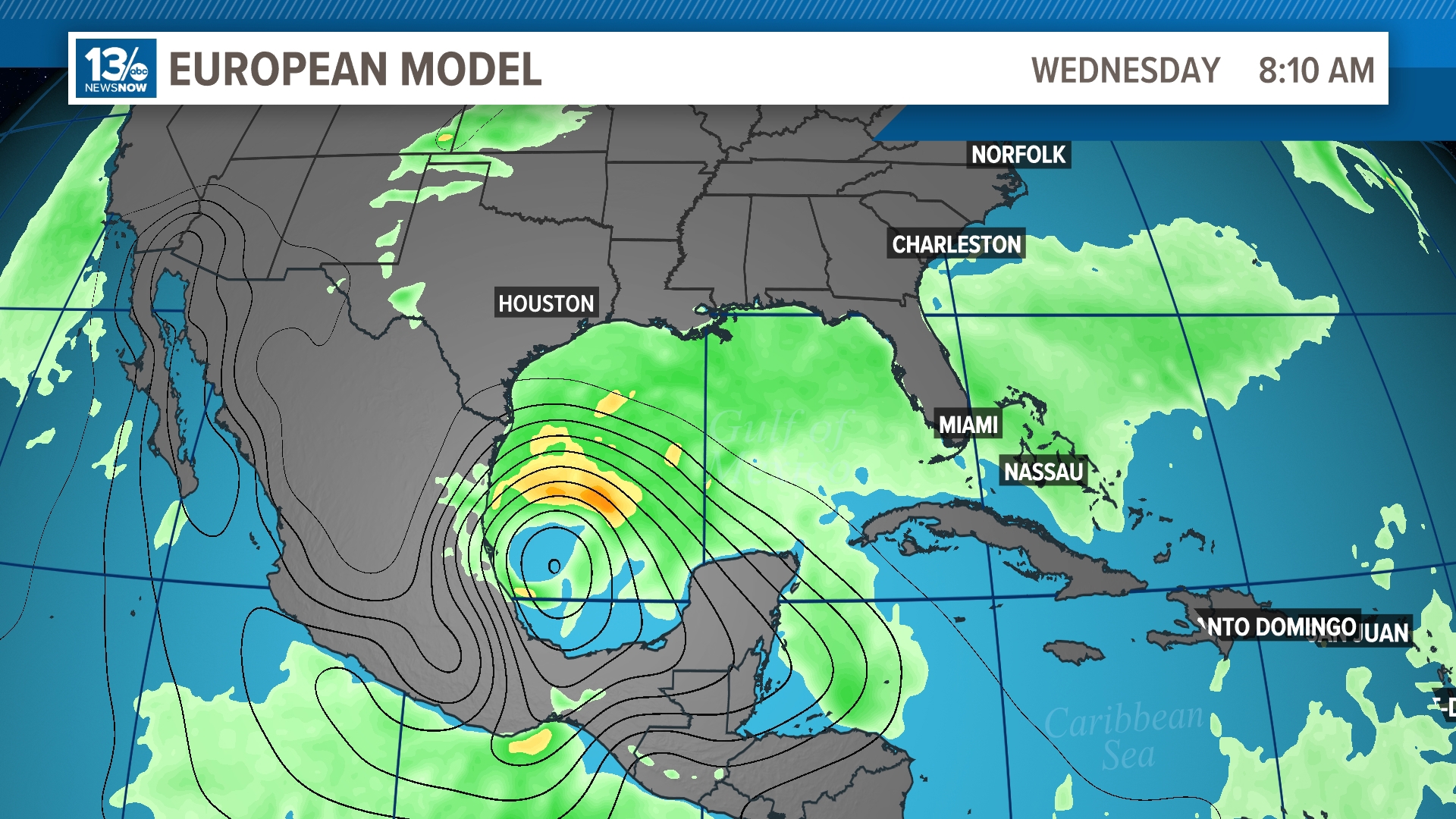
Florida’s geographical position, nestled between the Atlantic Ocean to the east and the Gulf of Mexico to the west, places it in a prime pathway for tropical systems originating in the Atlantic basin, which also includes the Caribbean Sea. This unique location contributes to the state’s susceptibility to hurricanes, making preparedness a cornerstone of daily life and tourism operations.
When is Hurricane Season?
Officially, hurricane season in the Atlantic basin runs from June 1st to November 30th each year. While storms can form outside this window, the vast majority of tropical cyclones, including tropical depressions, tropical storms, and hurricanes, occur within these six months. The peak of the season typically falls between mid-August and late October, when ocean waters are at their warmest, providing ample fuel for storm development and intensification. It’s during this peak period that travelers often begin to ask the critical question: “Is Florida getting another hurricane?” For those planning a trip during these months, staying informed about weather forecasts and understanding the nuances of storm activity is paramount. This knowledge allows for proactive decisions regarding travel insurance, flexible booking options for hotels and flights, and choosing destinations within Florida that might be less impacted or quicker to recover.
Historical Context: Florida’s Resilience
Florida has a long history with hurricanes, and over the decades, the state has developed an impressive infrastructure and set of protocols for hurricane preparedness, response, and recovery. Major storms like Hurricane Andrew in 1992, Hurricane Irma in 2017, Hurricane Michael in 2018, and most recently, Hurricane Ian in 2022, have tested the state’s resilience. Each event, while devastating in its immediate aftermath, has also showcased the remarkable ability of Florida’s communities to rebuild, adapt, and emerge stronger.
The state’s emergency management agencies, local governments, and even the private sector, particularly the hospitality industry, have sophisticated plans in place. This includes evacuation routes, shelters, and rapid deployment of resources for restoration. For travelers, this means that even if a storm does threaten or make landfall, the systems for visitor safety and recovery are highly organized. Understanding this historical context helps alleviate some of the anxiety associated with potential storms, highlighting that while hurricanes are a serious concern, Florida is exceptionally well-equipped to handle them. The focus is always on minimizing risk to residents and visitors alike, ensuring their safety and the quick return to normalcy for tourism and daily life.
The Immediate Impact on Tourism and Accommodation
When a hurricane approaches or impacts Florida, the tourism and accommodation sectors are often among the first to experience immediate effects. These can range from minor inconveniences to significant disruptions. Flight cancellations and delays are common as airports prioritize safety and operational continuity. This can lead to stranded travelers or those unable to begin their trips as planned.
Hotels, resorts, and various accommodation providers (including apartments and villas) often implement their own hurricane preparedness plans. These might include early check-out requests, temporary closures, or even full evacuations, especially in coastal zones. For example, a luxurious Key West resort or a family-friendly suite in Orlando might have different protocols depending on their location and the severity of the threat. Travelers with existing bookings must stay in close communication with their accommodation providers to understand their specific policies and any changes to their reservations. Beyond cancellations, attractions like theme parks in Orlando, historical sites in St. Augustine, or the vibrant nightlife of Miami may temporarily close to ensure visitor safety and to assess any potential damage. While these impacts are challenging, they are a testament to the industry’s commitment to prioritizing human safety above all else.
Navigating Travel to Florida During Hurricane Season
Traveling to Florida during hurricane season requires a blend of careful planning, flexibility, and a proactive approach to information gathering. It’s not about avoiding Florida entirely, but rather about being a smart and prepared traveler.
Essential Travel Planning and Preparedness
The cornerstone of safe travel during hurricane season is comprehensive planning. First and foremost, consider purchasing travel insurance that includes robust coverage for weather-related disruptions. Policies vary significantly, so carefully read the terms and conditions to understand what is covered, such as trip cancellations, interruptions, medical emergencies, and evacuation expenses due to hurricanes. Many policies offer “cancel for any reason” upgrades, which, while more expensive, provide the ultimate flexibility.
Secondly, prioritize flexible bookings for flights, hotels, and car rentals. Opt for refundable rates or bookings that allow changes without hefty fees. Many airlines and hotels offer waivers during active hurricane threats, but having this flexibility built-in from the start can save considerable stress and cost. Thirdly, monitor weather alerts diligently. The National Hurricane Center (NHC), a division of the National Oceanic and Atmospheric Administration (NOAA), is the authoritative source for hurricane forecasts and advisories. Regularly check their website, local news channels, and weather apps for real-time updates. Subscribing to local emergency alerts for your destination city can also provide critical, immediate information. Keeping important documents – passports, IDs, insurance details – easily accessible, either physically or digitally, is also a wise precaution.

Choosing Hurricane-Ready Destinations and Accommodations
Florida’s vast and diverse geography means that not all areas are equally susceptible or affected by every storm. Inland destinations like Orlando, home to Walt Disney World and Universal Orlando Resort, often fare better during coastal storm impacts, though heavy rain and wind are still possible. Cities like Tampa on the Gulf Coast or Fort Lauderdale on the Atlantic have excellent infrastructure and comprehensive emergency plans. When selecting your destination, consider its historical hurricane impact and recovery speed.
Regarding accommodations, look for hotels and resorts with robust hurricane plans. Many major hotel chains like Marriott, Hilton, Ritz-Carlton, and Grand Hyatt have detailed emergency procedures that include backup generators, food and water supplies, and clear communication strategies for guests. Inquire about these plans when booking, especially if you’re traveling during peak hurricane season. Some properties might even offer “hurricane guarantees” which provide for rebooking or refunds if a storm directly impacts their location. For those considering long-term stays in villas or apartments, ensure the property management has a similar emergency framework in place. Reviews and comparisons of accommodations should also factor in their handling of past weather events, offering insights into their reliability during challenging times.
Understanding Hotel Policies and Traveler Rights
Navigating hotel policies during a hurricane threat can be complex. It is vital for travelers to thoroughly understand the terms and conditions of their booking, particularly regarding cancellation and rebooking. Most hotels will have a “force majeure” clause that outlines situations beyond their control, such as natural disasters, which may affect their standard cancellation policies. However, many establishments, especially those catering to tourism, will offer waivers or flexible options when a named storm is threatening.
For instance, if you have a reservation for a luxury suite or a family resort, check if they offer full refunds or credit for future stays if a mandatory evacuation is issued for the area or if the property becomes inaccessible. It’s also important to understand how resort fees and other pre-paid amenities are handled in such situations. Document all communications with hotels, airlines, and travel agencies, noting dates, times, and the names of representatives you speak with. Knowing your traveler rights and being prepared to advocate for them, while also understanding the operational challenges faced by the hospitality industry, can make a significant difference in resolving issues smoothly should a hurricane disrupt your plans.
Exploring Florida Beyond the Storm Clouds: Alternative Travel Experiences
Despite the potential for hurricanes, Florida’s allure remains strong, offering a wealth of experiences year-round. Wise travelers know how to plan around the season or pivot their plans to discover different facets of the state.
Unveiling Florida’s Year-Round Allure
Even during hurricane season, Florida offers countless attractions and experiences that are less susceptible to direct storm impacts or recover quickly. While coastal areas might be more vulnerable, inland destinations remain incredibly popular. Orlando, the theme park capital of the world, boasts iconic landmarks like Walt Disney World and Universal Orlando Resort. These massive parks and their surrounding resorts are designed with robust infrastructure and sophisticated drainage systems, often resuming operations rapidly after a storm passes.
Beyond the theme parks, Florida’s cultural and natural landmarks offer unique experiences. Explore the historic charm of St. Augustine, the nation’s oldest city, with its ancient forts and cobblestone streets. Discover the vibrant art scene, diverse cuisine, and energetic nightlife of Miami, including its famous South Beach and Art Deco architecture. For nature enthusiasts, the unique ecosystem of Everglades National Park offers airboat rides and wildlife viewing, often less affected by distant tropical systems. The state’s extensive network of state parks and natural springs provides opportunities for kayaking, swimming, and hiking, offering tranquil retreats away from the bustling cities. Focusing on these diverse attractions can provide a fulfilling travel experience, regardless of the time of year.
Post-Storm Travel: Supporting Local Tourism and Recovery
Should Florida experience a hurricane, there’s a unique opportunity for travelers to contribute positively to the state’s recovery. Post-storm travel, once an area is declared safe and open for visitors, plays a critical role in economic revitalization. By visiting, travelers directly support local businesses, including hotels, restaurants, shops, and tour operators, many of which are small, family-owned enterprises.
After a storm, there can be a window where the crowds are thinner, and the local community is eager to welcome visitors back. This not only offers a chance for a more intimate travel experience but also serves as a gesture of solidarity with the affected areas. Before traveling, it’s crucial to verify that the chosen destination has fully reopened and has the capacity to host tourists comfortably. Websites of local tourism boards and chambers of commerce are excellent resources for accurate, up-to-date information on which areas are open for business and how visitors can best support recovery efforts. For those with a desire to give back, some organizations also offer opportunities for volunteer tourism, combining travel with hands-on assistance in rebuilding efforts.
Maximizing Your Florida Lifestyle Experience
Whether you’re planning a luxurious escape, a budget-friendly family trip, or a necessary business stay, maximizing your Florida lifestyle experience means adapting to the circumstances, especially during hurricane season. For luxury travel, consider resorts that boast comprehensive hurricane preparedness plans, offering peace of mind alongside premium amenities. Many high-end properties provide dedicated concierge services that can assist with any weather-related adjustments to your itinerary. For budget travel or family trips, opting for accommodations with kitchenettes can help save on food costs, and exploring free or low-cost attractions like state parks or public beaches (when safe) can make your vacation more affordable. Booking flexible accommodations, such as extended stay suites, can also be beneficial for longer trips, allowing for easy adjustments if plans change.
Even for business stays, understanding potential weather impacts is key. Booking hotels with strong connectivity, business centers, and robust contingency plans ensures that work can continue with minimal interruption. Many business travelers leverage Florida’s excellent convention centers and corporate event venues throughout the year, confident in the state’s ability to manage events even during the more active storm months. Embracing a proactive, informed approach allows you to fully enjoy Florida’s diverse lifestyle offerings, from world-class dining and shopping to thrilling outdoor adventures and serene natural beauty, regardless of the time of year.
In conclusion, the question “Is Florida getting another hurricane?” is a perennial one for good reason. However, Florida is not just a state vulnerable to natural phenomena; it is also a state of unparalleled resilience, robust preparedness, and enduring allure. With informed planning, flexible travel arrangements, and an understanding of the state’s comprehensive safety protocols, travelers can confidently explore the vast experiences Florida offers, even during hurricane season. By staying vigilant, choosing wisely, and supporting local communities, visitors can ensure their Florida adventure remains unforgettable for all the right reasons.
LifeOutOfTheBox is a participant in the Amazon Services LLC Associates Program, an affiliate advertising program designed to provide a means for sites to earn advertising fees by advertising and linking to Amazon.com. Amazon, the Amazon logo, AmazonSupply, and the AmazonSupply logo are trademarks of Amazon.com, Inc. or its affiliates. As an Amazon Associate we earn affiliate commissions from qualifying purchases.