
The shimmering sun, the endless beaches, the vibrant theme parks – Florida has long been the jewel in the crown of American tourism. For decades, the Sunshine State has beckoned millions with its promise of idyllic getaways, from the bustling streets of Miami to the family-friendly thrills of Orlando, and the iconic natural beauty of the Everglades. Whether you’re seeking the luxury of a Four Seasons Resort or the charm of a quaint beachfront villa, Florida offers an accommodation option for every traveler, catering to a diverse range of lifestyles, from budget backpackers to those indulging in the ultimate luxury travel experience. But beneath the surface of this popular tourist destination, a more concerning narrative is unfolding, one that questions the very future of this beloved state. The title of this article, “Is Florida Going Underwater?”, isn’t just a sensational hook; it’s a pressing question informed by scientific data and observable changes that are already impacting the lives of Floridians and the experience of its millions of visitors.
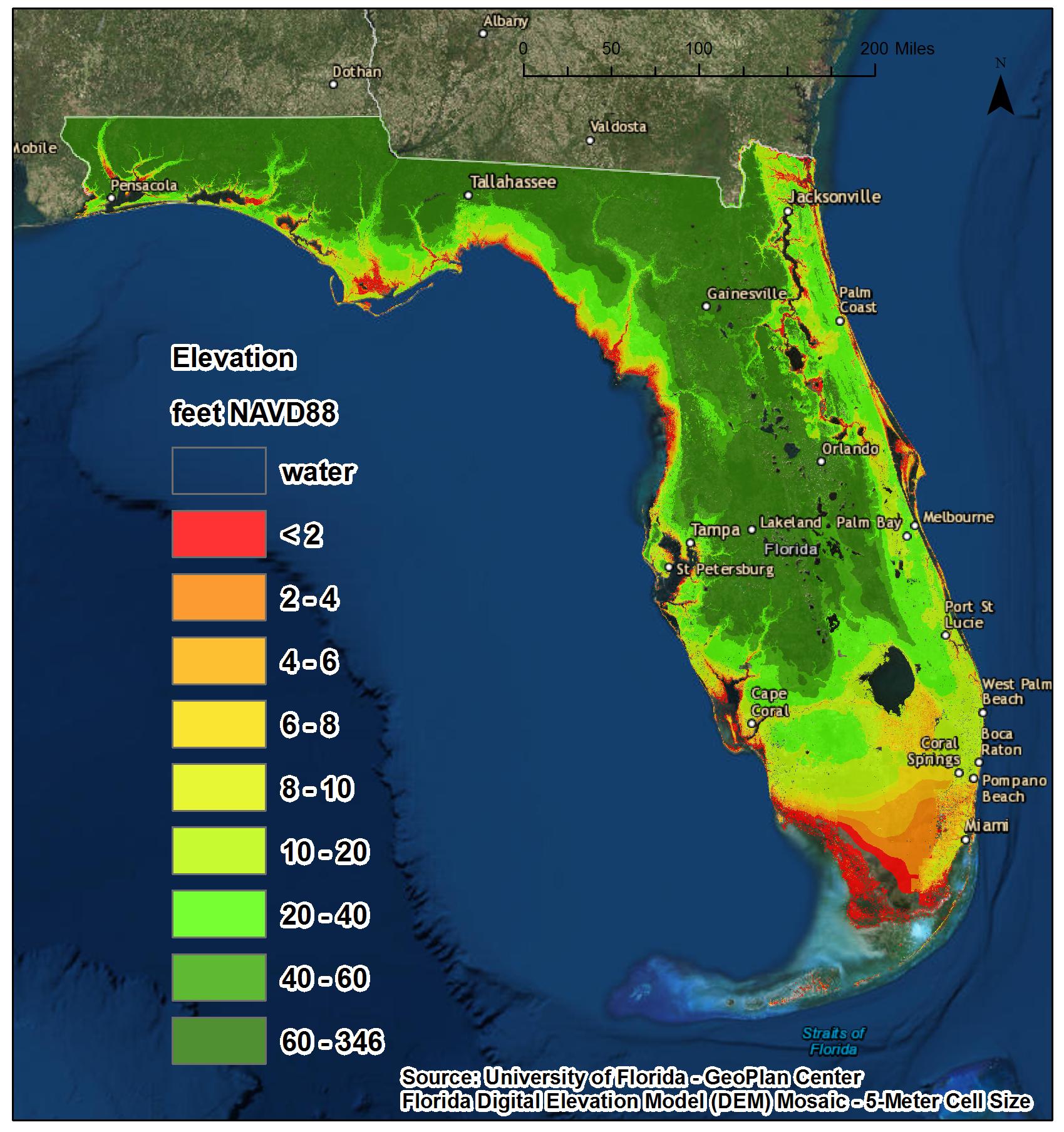
This article delves into the escalating issue of sea-level rise and its profound implications for Florida. We will explore the scientific evidence, the tangible impacts on the state’s infrastructure and natural landscapes, and what this means for the future of tourism and the lifestyle many have come to associate with the Sunshine State.
The Rising Tide: Understanding the Threat
The science is unequivocal: global sea levels are rising, and Florida is disproportionately affected. Several factors contribute to this vulnerability, making the state a ground zero for the impacts of climate change.
Sinking Foundations and Swelling Oceans
One of the primary drivers of Florida’s increased susceptibility is its unique geology. Much of the state is built on porous limestone, a geological formation that allows water to flow freely beneath the surface. This means that as sea levels rise, saltwater intrusion isn’t just a surface-level issue; it can penetrate deep into the freshwater aquifers that supply drinking water and agricultural needs. Furthermore, some parts of Florida are also experiencing land subsidence, meaning the ground itself is sinking, exacerbating the effects of rising ocean waters. This combination of rising seas and sinking land creates a double whammy, accelerating the rate at which coastal areas are being inundated.
The Intergovernmental Panel on Climate Change (IPCC) reports have consistently highlighted the escalating threat of sea-level rise globally. For Florida, the projections are particularly stark. Studies by organizations like the National Oceanic and Atmospheric Administration (NOAA) predict significant sea-level rise in the coming decades, with some projections indicating several feet of rise by the end of the century. This isn’t a distant future problem; it’s a present reality with observable consequences.
The Impact on Coastal Communities and Infrastructure
The tangible effects of rising sea levels are already being witnessed across Florida’s extensive coastline, from the bustling metropolises of Miami and Fort Lauderdale to the more laid-back communities along the Gulf Coast.
- Increased Flooding Events: “Sunny day flooding” or “nuisance flooding” is becoming an increasingly common occurrence. During high tides, streets in low-lying areas regularly inundate, disrupting daily life, damaging vehicles, and overwhelming drainage systems. These events, once rare, are now becoming a regular feature of life in many coastal cities. This impacts not only residents but also the seamless flow of tourism, affecting transportation to and from hotels and attractions.
- Erosion of Beaches: The iconic sandy beaches that are a cornerstone of Florida’s tourism appeal are under threat. Rising seas and more frequent, intense storm surges are accelerating beach erosion, shrinking shorelines and requiring costly nourishment projects to maintain them. This directly impacts the very essence of the Florida beach experience, from lounging on the sand to participating in water sports.
- Damage to Infrastructure: Roads, bridges, wastewater treatment plants, and even airports located in coastal zones are increasingly vulnerable to inundation and storm damage. The economic implications are significant, requiring substantial investment in protective measures and repairs. For businesses, including hotels and tour operators, this can mean operational disruptions and increased costs.
- Saltwater Intrusion: As mentioned earlier, rising sea levels are pushing saltwater further inland, contaminating freshwater sources. This poses a significant threat to drinking water supplies for millions and impacts the delicate ecosystems of inland wetlands and estuaries, which are vital for biodiversity and recreational activities.
Florida’s Iconic Landmarks and Natural Wonders Under Siege
Florida’s allure is deeply tied to its unique landmarks and breathtaking natural beauty. However, many of these cherished places are now on the front lines of climate change impacts.
The Delicate Ecosystems at Risk

The Everglades National Park, a UNESCO World Heritage Site and a vital wilderness area, is particularly vulnerable. This vast subtropical wetland is a complex ecosystem that relies on a delicate balance of fresh and saltwater. As sea levels rise, saltwater intrudes further into the marshlands, altering the plant and animal life that call it home. Species adapted to freshwater environments are being pushed out, threatening biodiversity. The iconic sawgrass prairies and mangrove forests are undergoing significant changes, impacting the unique wildlife, from alligators and manatees to a myriad of bird species. This ecological degradation diminishes the very essence of experiencing the wild beauty of the Everglades.
Similarly, the vibrant coral reefs off the coast of Florida, a major draw for divers and snorkelers, are facing immense pressure. Rising ocean temperatures lead to coral bleaching, while ocean acidification makes it harder for corals to build their skeletons. The combined effects of climate change and other human-induced stressors threaten the survival of these vital underwater ecosystems, impacting marine life and the tourism industry that depends on them. Destinations like the Florida Keys are acutely aware of this threat, as their economy is intrinsically linked to the health of their marine environments.
Coastal Cities and Historic Sites Facing the Flood
Many of Florida’s most famous cities and historic sites are located at or near sea level, making them highly susceptible to the impacts of rising waters.
- Miami Beach: This iconic destination, known for its Art Deco architecture and vibrant nightlife, is already grappling with frequent flooding. The city has invested millions in sophisticated drainage systems and elevated roads, a testament to the severity of the problem. However, the long-term viability of such extensive infrastructure in the face of continued sea-level rise remains a significant concern. The charm of exploring the historic streets of the Art Deco Historic District could be forever altered by rising waters.
- St. Augustine: As the oldest continuously inhabited European-established settlement in the United States, St. Augustine is a treasure trove of history. Its historic downtown, including landmarks like the Castillo de San Marcos, is situated in a low-lying area. The threat of inundation and increased storm surge poses a significant risk to these invaluable historical sites, impacting the rich tapestry of the state’s past.
- The Florida Keys: This chain of islands is particularly vulnerable, with much of its landmass barely a few feet above sea level. The iconic Overseas Highway, connecting the islands, is at constant risk of flooding and damage from storms. The unique lifestyle and the very existence of these communities are under existential threat. The experience of driving the scenic route and enjoying the pristine island life could become a relic of the past.
Navigating the Future: Adaptation, Resilience, and the Travel Landscape
The question “Is Florida Going Underwater?” is not just about a future prediction; it’s about the present and the choices that need to be made. The state is at a critical juncture, requiring a multifaceted approach to adaptation and resilience.
Adapting to a Changing Climate
Florida is not passively accepting its fate. Significant efforts are underway to adapt to the reality of rising sea levels and increased climate variability.
- Infrastructure Upgrades: Cities and counties are investing in climate-resilient infrastructure. This includes raising roads, improving drainage systems, building seawalls, and relocating critical facilities away from vulnerable areas. The cost of these adaptations is substantial, placing a significant financial burden on the state and its municipalities.
- Coastal Management and Planning: Stricter land-use regulations, building codes that account for future sea levels, and strategies for managed retreat from the most vulnerable areas are becoming increasingly important. These measures aim to protect lives and property while preserving the unique character of coastal communities.
- Protecting Natural Defenses: Restoring and protecting natural coastal ecosystems like mangroves and coral reefs is a crucial part of the resilience strategy. These natural barriers can help dissipate wave energy, reduce erosion, and protect inland areas from storm surges.
- Water Management Innovations: Addressing saltwater intrusion into freshwater aquifers requires innovative water management strategies, including advanced water treatment technologies and the exploration of alternative water sources.

The Evolving Tourism Landscape
The implications for Florida’s massive tourism industry are profound. While the allure of the Sunshine State remains strong, the experience may evolve.
- Shifting Destinations: Travelers might begin to favor inland destinations or higher-elevation coastal areas as flood-prone regions become more challenging to access and experience. This could lead to a redistribution of tourist traffic.
- Increased Travel Costs: The costs associated with maintaining infrastructure, protecting natural attractions, and implementing adaptation measures could translate into higher prices for accommodation, activities, and even travel to certain parts of the state. Travelers might find that the luxury of a Ritz-Carlton or the convenience of a shuttle service to Disney World comes with an added climate premium.
- Focus on Resilience and Sustainability: Savvy travelers may begin to seek out destinations and accommodations that are actively demonstrating a commitment to sustainability and resilience. This could influence booking decisions, favoring hotels and resorts that have invested in eco-friendly practices and climate adaptation strategies.
- New Tourism Experiences: As some coastal areas face challenges, new opportunities for tourism may emerge. For example, there could be an increased focus on ecotourism in less vulnerable inland areas, or on the restoration efforts themselves as a point of interest.
The question of whether Florida is going underwater is not a simple yes or no. It’s a complex issue with far-reaching consequences for its residents, its natural beauty, and its status as a global tourism powerhouse. While the future presents undeniable challenges, the spirit of innovation and adaptation that has characterized Florida for so long will be crucial in navigating these rising tides. The Sunshine State’s ability to transform and remain vibrant will depend on proactive planning, significant investment, and a collective commitment to building a resilient future, ensuring that its unique charm and allure can be experienced for generations to come, albeit perhaps in ways we are only beginning to imagine.
LifeOutOfTheBox is a participant in the Amazon Services LLC Associates Program, an affiliate advertising program designed to provide a means for sites to earn advertising fees by advertising and linking to Amazon.com. Amazon, the Amazon logo, AmazonSupply, and the AmazonSupply logo are trademarks of Amazon.com, Inc. or its affiliates. As an Amazon Associate we earn affiliate commissions from qualifying purchases.