
When planning a trip to the Sunshine State, one of the most pressing questions many travelers ask is, “Is Florida humid?” The answer, in short, is a resounding yes, but understanding the nuances of Florida’s humidity is crucial for packing the right clothing, planning activities, and ensuring a comfortable and enjoyable experience. Florida’s unique geographical position, bordering the Atlantic Ocean and the Gulf of Mexico, combined with its southerly latitude, creates a climate characterized by warmth and significant moisture for much of the year.
The perception of humidity can vary greatly depending on an individual’s origin and tolerance. For those accustomed to drier climates, Florida’s air can feel thick and heavy, especially during the summer months. This pervasive moisture is a hallmark of the state’s subtropical and tropical climates, influencing everything from the lush vegetation to the types of outdoor activities that are most pleasant. Beyond simply asking “Is Florida humid?”, it’s more beneficial to understand when and where the humidity is most pronounced, and how to mitigate its effects. This knowledge will empower you to choose the best time to visit your favorite Florida destination and pack accordingly, ensuring your vacation is filled with sunshine and comfort rather than discomfort.
The Science Behind Florida’s Humidity
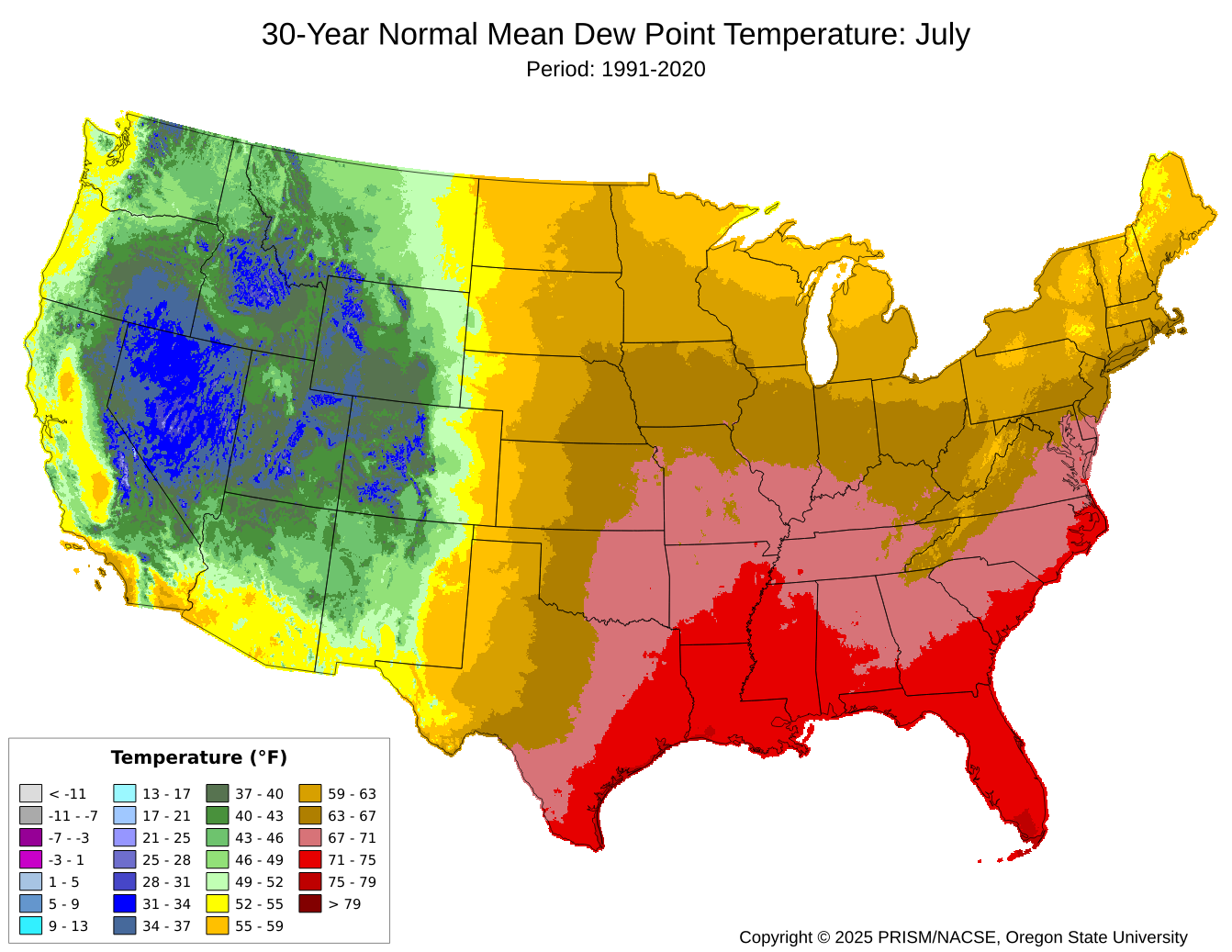
Florida’s humidity is a direct consequence of its geography and climate. Situated in the southeastern United States, the state is a peninsula surrounded by water on three sides. This vast expanse of water, the Atlantic Ocean to the east and the Gulf of Mexico to the west, is a primary source of moisture. Warm ocean currents heat the surface water, which then evaporates into the atmosphere.
Adding to this, Florida’s southern latitude means it receives abundant sunshine throughout the year, further fueling evaporation from both the oceans and the state’s numerous lakes, rivers, and wetlands. This constant input of moisture creates a humid environment, particularly when temperatures are high. The state experiences a distinct wet season, typically from late May or June through September or October, coinciding with the summer months. During this period, daily thunderstorms are common, releasing significant amounts of rain and replenishing the atmospheric moisture. These storms, while often brief, contribute to the overall feeling of humidity.
Furthermore, Florida’s landscape itself plays a role. The Everglades, for instance, is a vast wetland ecosystem that acts as a giant sponge, contributing to the moisture in the air across South Florida. Even in the northern parts of the state, the presence of numerous lakes and the proximity to the coast ensure that humidity remains a noticeable factor. Understanding these contributing elements helps demystify the question of “Is Florida humid?” and provides context for the daily weather patterns experienced across the state, from the vibrant city of Miami to the historic streets of St. Augustine.
Seasonal Humidity Patterns Across Florida
While Florida is generally humid, the intensity and duration of this humidity vary significantly throughout the year and by region. The Sunshine State can be broadly divided into two main climatic zones: subtropical in the northern two-thirds and tropical in the southern third. This distinction influences the seasonality of humidity.
Summer: The Peak of Humidity
The summer months, from June through September, represent the peak of Florida’s humidity. This is when the state experiences its warmest temperatures and its wet season. High temperatures, often in the upper 80s and 90s Fahrenheit (around 30-35 degrees Celsius), coupled with high dew points, create a palpable sense of stickiness in the air. The humidity levels can frequently reach 70-90% during these months, making outdoor activities feel more strenuous. Daily afternoon thunderstorms are a characteristic feature of summer in Florida. These storms are a result of intense solar heating of the moist air, leading to rapid convection and the formation of towering cumulonimbus clouds. While these downpours can be heavy, they are often short-lived, providing a temporary respite from the heat before humidity levels rebound. Evenings offer little relief, with temperatures remaining high and humidity often persisting through the night. This is the period when visitors most acutely feel the humidity, and activities like exploring the theme parks in Orlando or relaxing on the beaches of Clearwater require careful hydration and strategic planning to avoid heat exhaustion.
Fall and Spring: Transition and Relative Comfort
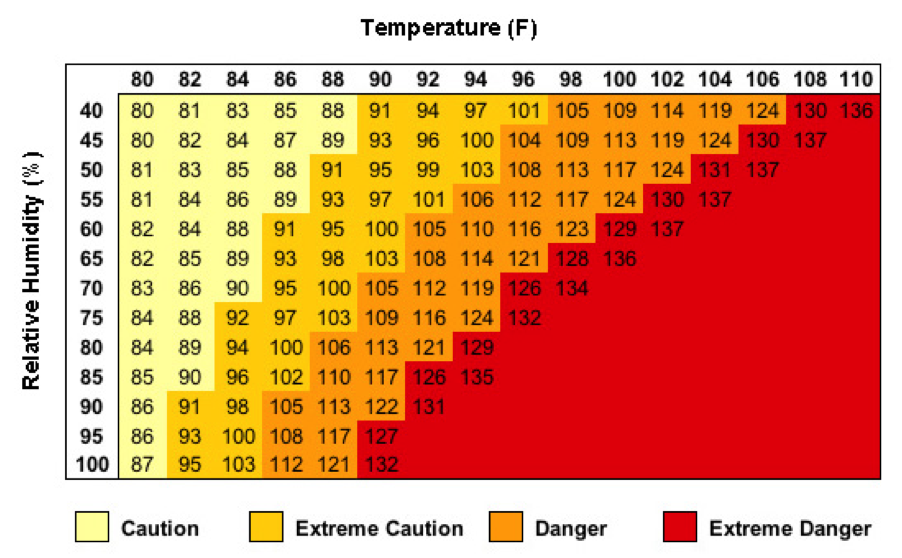
The shoulder seasons of fall (October to November) and spring (March to May) offer a welcome change from the intense summer humidity. As the temperatures begin to moderate and the rainy season subsides, humidity levels generally decrease. This is often considered the most pleasant time to visit Florida for many. In the fall, the lingering warmth of the sun combines with lower moisture content, creating comfortable days. Similarly, spring brings rising temperatures without the oppressive humidity of summer, making it ideal for exploring attractions like Everglades National Park or enjoying outdoor dining in Tampa. While still humid compared to many other parts of the country, these months provide a much more forgiving climate for outdoor adventures and sightseeing. The dew points are typically lower, making the air feel less heavy and more breathable.
Winter: The Driest and Coolest Period
Winter (December to February) is generally Florida’s driest and coolest season, offering a reprieve from the high humidity experienced for much of the year. While it’s still warmer than most of the United States, temperatures are milder, and humidity levels are at their lowest. This is especially true in North Florida, where the climate is more temperate. Coastal areas will always retain some level of moisture, but overall, the air feels considerably drier. This period is perfect for exploring cities like Jacksonville, visiting historical sites, or enjoying the beaches without the constant feeling of dampness. Even in South Florida, while it remains warm, the humidity is significantly less pronounced than in the summer, making it an attractive destination for those seeking to escape colder climates.
Managing Humidity for a Comfortable Florida Experience
Understanding “Is Florida humid?” is the first step; the next is learning how to manage it for a truly enjoyable trip. Florida’s humidity, while a defining characteristic, doesn’t have to detract from your vacation. With a few strategic considerations, you can embrace the Sunshine State’s climate and make the most of your visit.
Smart Packing and Clothing Choices
When packing for Florida, think light, breathable, and moisture-wicking. Natural fabrics like cotton and linen are excellent choices as they allow air to circulate and feel cool against the skin. Performance fabrics designed for athletic wear are also beneficial, as they draw sweat away from the body. Avoid heavy synthetics like polyester or nylon, which can trap heat and moisture, making you feel even hotter and stickier. Pack a wide-brimmed hat and sunglasses to protect yourself from the sun, which can exacerbate the feeling of heat and humidity. Lightweight, long-sleeved shirts and pants made from breathable materials can offer protection from the sun while still being comfortable. Don’t forget to pack swimwear, as the beach and pool are always a good way to cool down.
Hydration and Timing Your Activities
Staying hydrated is paramount in Florida’s warm and humid climate. Drink plenty of water throughout the day, even if you don’t feel thirsty. Dehydration can set in quickly and lead to heat exhaustion or heatstroke. Carry a reusable water bottle and refill it frequently. When planning your outdoor activities, be mindful of the time of day. The hottest and most humid parts of the day are typically from late morning to late afternoon. Consider scheduling strenuous activities like theme park visits or long walks for the cooler hours of the morning or late afternoon. Take advantage of indoor attractions, museums, and air-conditioned restaurants and shops during the peak heat. Many popular attractions, such as Walt Disney World or Universal Orlando Resort, offer ample indoor experiences. Evenings can also be a pleasant time to explore, with cooler temperatures and lower humidity.

Accommodation and Transportation Choices
Your choice of accommodation can significantly impact your comfort in Florida’s humid environment. Look for hotels, resorts, or vacation rentals that feature excellent air conditioning systems. Many hotels in Florida offer amenities like ceiling fans, which can improve air circulation and make rooms feel cooler. For a truly luxurious experience, consider a suite at a resort like the Ritz-Carlton or a villa with a private pool. When booking, check reviews specifically mentioning the effectiveness of the air conditioning. During your travels, utilizing air-conditioned transportation is essential. Renting a car with reliable AC, using ride-sharing services, or opting for public transport with good climate control will make a significant difference. Even short walks between locations can feel more comfortable if you’ve recently been in an air-conditioned environment. For those seeking longer stays, serviced apartments can offer a comfortable and controlled living environment.
By understanding the seasonal patterns and implementing these practical tips, you can transform any potential concerns about Florida’s humidity into a seamlessly comfortable and memorable travel experience, allowing you to fully enjoy the diverse attractions and vibrant lifestyle the state has to offer.
LifeOutOfTheBox is a participant in the Amazon Services LLC Associates Program, an affiliate advertising program designed to provide a means for sites to earn advertising fees by advertising and linking to Amazon.com. Amazon, the Amazon logo, AmazonSupply, and the AmazonSupply logo are trademarks of Amazon.com, Inc. or its affiliates. As an Amazon Associate we earn affiliate commissions from qualifying purchases.