
For travelers planning a vibrant escape to the Sunshine State, understanding its time zone can be as crucial as packing sunscreen. The question “Is Florida in Eastern Standard Time?” might seem straightforward, but the answer, like many things in this diverse destination, has nuances. While the vast majority of Florida operates on the Eastern Time Zone, a significant portion of its western Panhandle region observes Central Time Zone. This unique geographical split has interesting implications for travel, accommodation, and daily life, making it a key piece of information for anyone exploring Florida’s myriad attractions.
From the bustling theme parks of Orlando and the vibrant nightlife of Miami to the pristine beaches of Destin and the historic charm of Pensacola, Florida offers an unparalleled array of experiences. But navigating these experiences seamlessly often begins with a clear understanding of the local time. Whether you’re booking a flight, reserving a table at a top restaurant, or ensuring you arrive on time for a thrilling excursion, being aware of Florida’s time zone dynamics is essential for a stress-free and enjoyable trip. This guide delves into the specifics of Florida’s time zone landscape, offering insights for every type of traveler.
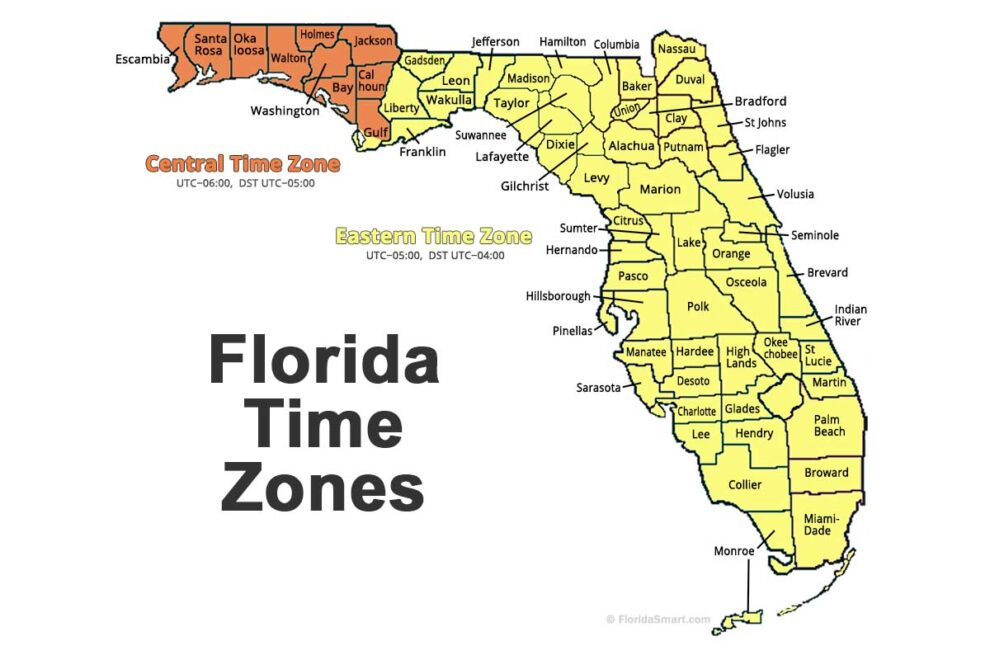
Understanding Florida’s Time Zone Landscape
The time zone division within Florida is a fascinating aspect of its geography, influencing everything from local governance to daily routines and, most importantly for visitors, travel logistics. The boundary between the Eastern and Central Time Zones isn’t arbitrary; it follows a historical and geographical line that impacts several counties.
The Dominance of Eastern Standard Time
The vast majority of Florida operates on the Eastern Time Zone. This includes all major metropolitan areas and popular tourist destinations that spring to mind when people think of the Sunshine State. Cities like Miami, Orlando, Tampa, Jacksonville, and the state capital, Tallahassee, all fall within this time zone. This means that if you’re planning a trip to Walt Disney World Resort in Orlando, exploring the Art Deco district of South Beach in Miami, or relaxing on the pristine beaches of the Florida Keys, you’ll be operating on Eastern Standard Time during the winter months and Eastern Daylight Time during the warmer seasons when Daylight Saving Time is observed.
For travelers, this widespread uniformity across the most frequently visited parts of the state simplifies planning considerably. Flight arrivals, hotel check-ins, attraction opening hours, and dining reservations are generally straightforward. Whether you’re enjoying a luxurious stay at a Miami beach resort or a family-friendly villa in Kissimmee, the time on your watch will align with the local rhythm without much thought. This consistency ensures that your Florida adventure, from theme park thrills to tranquil beach retreats, can unfold without unexpected chronological hiccups.

The Panhandle Exception: Where Central Time Reigns
The primary exception to Florida’s Eastern Time Zone rule lies in its scenic western Panhandle. This region, stretching from the Apilachicola River west to the Alabama border, observes the Central Time Zone. Key cities and popular tourist destinations in this part of the state, such as Pensacola, Panama City, and Destin, are all one hour behind the rest of Florida.
This distinction is particularly important for those who might be traveling across the state or making connections between flights or other transport methods. Imagine flying into Tallahassee International Airport (in Eastern Time) and planning to drive to Panama City Beach (in Central Time). While the drive might be relatively short, you’ll gain an hour upon arrival, which can be a pleasant surprise but also requires careful attention when coordinating activities. The counties that predominantly observe Central Time include Escambia, Santa Rosa, Okaloosa, Walton, and Bay Counties, along with western Gulf County. For visitors to the Emerald Coast and its stunning white-sand beaches, being aware of this time zone shift is vital for planning everything from sunset cruises to dinner reservations at exquisite local restaurants. It ensures that your experience, whether it’s a relaxing stay at a boutique hotel or an adventurous exploration of the region’s natural beauty, proceeds exactly as planned.
Practical Implications for Florida Travelers
Understanding Florida’s dual time zones is more than just a geographical trivia; it has tangible impacts on every aspect of a travel itinerary. From the moment you begin planning your trip to the minute you check out of your accommodation, time zone awareness plays a critical role in ensuring a smooth and enjoyable experience.
Planning Your Itinerary: Flights, Attractions, and Reservations
When it comes to travel logistics, time zones are paramount. For those flying into Florida, particularly if your journey involves a connecting flight or ground transportation between the Eastern and Central Time Zones, careful attention to detail is essential. A flight arriving in Pensacola International Airport (in Central Time) at 3:00 PM will feel like 4:00 PM if you’ve flown from Miami (in Eastern Time). Conversely, traveling eastward means “losing” an hour, which could impact scheduled pickups or evening plans.
Attraction operating hours are strictly enforced according to local time. If you’re visiting Universal Orlando Resort or Busch Gardens Tampa Bay, all listed times for park entry, shows, and rides will be in Eastern Time. However, if your itinerary includes attractions like the National Naval Aviation Museum in Pensacola or a dolphin cruise out of Destin, those timings will adhere to Central Time. Making dinner reservations, booking guided tours, or scheduling spa appointments all require double-checking the local time to avoid missed opportunities or unnecessary rushes. For instance, a sunset dinner cruise from Key West (Eastern Time) will depart at a different actual clock time than a similar experience from Panama City (Central Time). Always confirm the time zone for specific bookings, especially when dealing with online reservation systems that might default to your current location’s time zone.

Navigating Hotel Stays and Accommodations Across Time Zones
Accommodation logistics are another area where Florida’s time zone split can become relevant. Hotel check-in and check-out times are always based on the local time of the property. For instance, a 3:00 PM check-in at a luxury resort in Fort Lauderdale (Eastern Time) will occur simultaneously with a 2:00 PM check-in at a charming bed and breakfast in Seaside (Central Time). This difference can affect how you plan your arrival day, especially if you’re driving across the time zone boundary. Arriving an “hour early” in Panama City could mean more time to relax before check-in, while arriving an “hour late” in Tallahassee could mean rushing to beat a check-out deadline.
For travelers who are on a road trip across the state, particularly those exploring both the vibrant eastern coast and the picturesque Panhandle, this distinction is crucial for seamless transitions between accommodations. Imagine spending a few days at a family-friendly hotel near St. Augustine and then driving west to a vacation rental in Destin. Understanding that you will “gain” an hour upon entering Central Time allows you to adjust your travel time estimates, ensuring you arrive punctually for check-in and have ample time to settle into your new surroundings. Furthermore, coordinating with family or friends who might be arriving from different parts of the state or country also requires a clear understanding of which time zone they are observing. This attention to detail will help ensure that your hotel stays, whether at lavish Hyatt Regency properties or cozy independent guesthouses, contribute positively to your overall Florida experience, devoid of any time-related confusions.
The Rhythms of Life and Leisure in Florida
Beyond the practicalities of travel and accommodation, Florida’s time zones subtly influence the lifestyle and rhythm of its communities. This is particularly noticeable in daily routines, business hours, and how residents and visitors engage with the state’s diverse leisure opportunities.
Day-to-Day Living and Business Hours
In the Eastern Time Zone heartland of Florida, from the bustling financial districts of Miami to the government offices in Tallahassee, daily life operates in sync with the major economic hubs of the East Coast of the United States. Businesses, schools, and local services typically open and close according to Eastern Time. This means that a standard 9-to-5 workday aligns with the broader rhythm of cities like New York and Washington D.C.. For business travelers, this consistency is a benefit, ensuring seamless communication and scheduling with colleagues and clients across the eastern United States.
However, as you move west into the Panhandle’s Central Time Zone, the pace of life shifts slightly. While still very much a part of the Sunshine State, communities like Pensacola and Panama City synchronize their daily operations with cities such as New Orleans and Houston. This can mean a later sunrise and sunset by the clock, giving residents and visitors the feeling of a slightly extended day, particularly noticeable in the evenings. Banks, post offices, and local shops will follow Central Time for their opening and closing hours, a detail that’s crucial for tourists who might need to run errands or attend to local appointments. Understanding these subtle differences in the daily rhythm ensures that whether you’re seeking a vibrant urban experience or a relaxed beach town vibe, you can immerse yourself fully into the local lifestyle without a misstep.
Enjoying Florida’s Diverse Lifestyle: From Sunrise to Sunset
Florida’s diverse lifestyle, from its thrilling theme parks to its tranquil beaches, is intrinsically linked to the solar cycle, which time zones aim to standardize. In the Eastern Time Zone, sunrises and sunsets typically occur earlier by the clock. This makes for spectacular dawn views over the Atlantic from Miami Beach and extends the evening light for activities like exploring the Disney Springs entertainment complex or enjoying an outdoor dinner in Key West. Many tourist activities, like early morning fishing charters or late-night entertainment, are scheduled with this clock time in mind, offering extended hours that cater to the vibrant Eastern Time lifestyle.
Conversely, the Panhandle’s Central Time Zone offers later sunrises and sunsets by the clock. This creates a unique appeal for travelers seeking to maximize their daylight hours in the evening. The legendary sunsets over the Gulf of Mexico in places like Destin or St. George Island are even more spectacular when they feel like they linger longer into the night according to local time. This can influence choices for evening activities, from beachfront dining to leisurely strolls. For those traveling with families, the later sunsets can mean more time to enjoy outdoor playgrounds or evening events before little ones need to head to bed. Whether your preferred Florida lifestyle involves early bird activities or lingering evening enjoyment, understanding the time zone will help you perfectly align your schedule with the sun’s rhythm and the local offerings.
The Debate and Dynamics of Daylight Saving Time in Florida
The question of time in Florida extends beyond the Eastern and Central Time Zone split; it also involves the perennial debate surrounding Daylight Saving Time. Like most of the United States, Florida observes Daylight Saving Time, meaning clocks spring forward by one hour in the spring and fall back in the autumn. This annual adjustment, while common, has sparked considerable discussion within the state.
A Brief History of Time Zone Adoptions
The concept of standardized time zones in the United States emerged in the late 19th century, primarily driven by the needs of the burgeoning railroad industry to avoid confusion and ensure safer operations across vast distances. Before this, towns and cities often set their clocks based on local apparent solar time, leading to thousands of different local times across the country. The Interstate Commerce Commission (later the Department of Transportation) was given jurisdiction over time zones in 1918 with the passage of the Standard Time Act.
Florida’s unique time zone boundary in the Panhandle is a result of historical development and practical considerations. The western Panhandle historically had strong economic and cultural ties to Alabama and other states in the Central Time Zone. Maintaining a consistent time with these neighboring regions made sense for commerce, transportation, and communication. This historical alignment has persisted, creating the distinct two-time-zone landscape we see today, impacting travel planning to destinations like Tallahassee or the popular beaches of Pensacola.
The Perpetual Push for “Sunshine Protection”
In recent years, Florida has been at the forefront of a movement to make Daylight Saving Time permanent. In 2018, the Florida Legislature passed the Sunshine Protection Act, which, if enacted at the federal level, would keep Florida permanently on Daylight Saving Time year-round. This initiative aims to provide more daylight in the evenings, which advocates argue would boost tourism, enhance outdoor activities, and potentially reduce energy consumption and traffic accidents. The benefits for Florida’s tourism industry are obvious; more daylight hours in the evening mean more time for visitors to enjoy attractions, dine out, and participate in recreational activities.
While the Sunshine Protection Act has passed in Florida and has received bipartisan support in the U.S. Senate with the federal Sunshine Protection Act, it requires a change in federal law to take effect. Until then, Florida will continue to observe the annual clock changes. This means travelers must remain vigilant about the “spring forward” and “fall back” dates, as they directly impact flight schedules, hotel bookings, and attraction hours. The ongoing debate highlights the significant impact that time zone policies have on lifestyle, economy, and the overall visitor experience in the Sunshine State.
Essential Tips for Seamless Florida Travel
Navigating Florida’s time zones doesn’t have to be a source of stress. With a few simple strategies, travelers can ensure their trip is smooth, enjoyable, and perfectly timed, maximizing every moment in this beautiful state.
Always Double-Check Your Clock
The golden rule for any traveler in Florida is to always double-check the local time, especially if your itinerary involves crossing the time zone boundary in the Panhandle. Modern smartphones and GPS devices typically update automatically, which is a huge convenience. However, it’s wise to verify that your device has indeed switched to the correct time zone upon arrival or crossing the boundary. A quick glance at a local clock or a confirmation with hotel staff can prevent misinterpretations.
When booking flights, tours, or making reservations for dining and attractions, always pay close attention to the specified time zone. Many online booking platforms will indicate the time zone, but it’s good practice to confirm. For example, if you are booking a reservation for a restaurant in Destin from Orlando, ensure you know whether the listed time is local to Destin (Central Time) or your current location (Eastern Time). This simple habit of verification can save you from missing a tour, arriving late for a flight, or showing up at a closed attraction, thus safeguarding your travel investment and overall experience in Florida.
Time Zone Apps and Tools for Travelers
Leveraging technology can significantly simplify time zone management during your Florida travels. There are numerous time zone converter apps available for smartphones that allow you to compare times across different zones at a glance. Many world clock apps also feature widgets that can display multiple time zones simultaneously on your home screen, providing an instant reference for both Eastern and Central Time in Florida.
Furthermore, when planning complex itineraries, consider using online travel planners or mapping services that factor in time zone changes. Google Maps, for instance, often indicates time zone changes when providing driving directions across the Panhandle. For business travelers or those coordinating with others, having a reliable tool to keep track of multiple time zones is invaluable. These tools, coupled with a general awareness, can help you seamlessly transition between Florida’s diverse regions, ensuring that every booking, every meeting, and every memorable moment is perfectly synchronized. By taking these proactive steps, you can fully immerse yourself in the beauty, excitement, and relaxation that the Sunshine State has to offer, without missing a beat.
LifeOutOfTheBox is a participant in the Amazon Services LLC Associates Program, an affiliate advertising program designed to provide a means for sites to earn advertising fees by advertising and linking to Amazon.com. Amazon, the Amazon logo, AmazonSupply, and the AmazonSupply logo are trademarks of Amazon.com, Inc. or its affiliates. As an Amazon Associate we earn affiliate commissions from qualifying purchases.