
Travelers eyeing the Sunshine State often wonder about the current conditions that might affect their plans, especially concerning emergency declarations. Florida, known for its vibrant cities, pristine beaches, and world-class attractions, experiences various natural phenomena and occasional public health concerns that can lead to official states of emergency. Understanding what these declarations entail and how they might impact your travel experience is crucial for a smooth and enjoyable trip.
Understanding Emergency Declarations and Their Impact on Travel
A state of emergency is a serious declaration, typically issued by a governor or a local authority, indicating that a significant event or threat has occurred or is imminent. These declarations are not always cause for immediate alarm for travelers but warrant careful attention and informed decision-making.
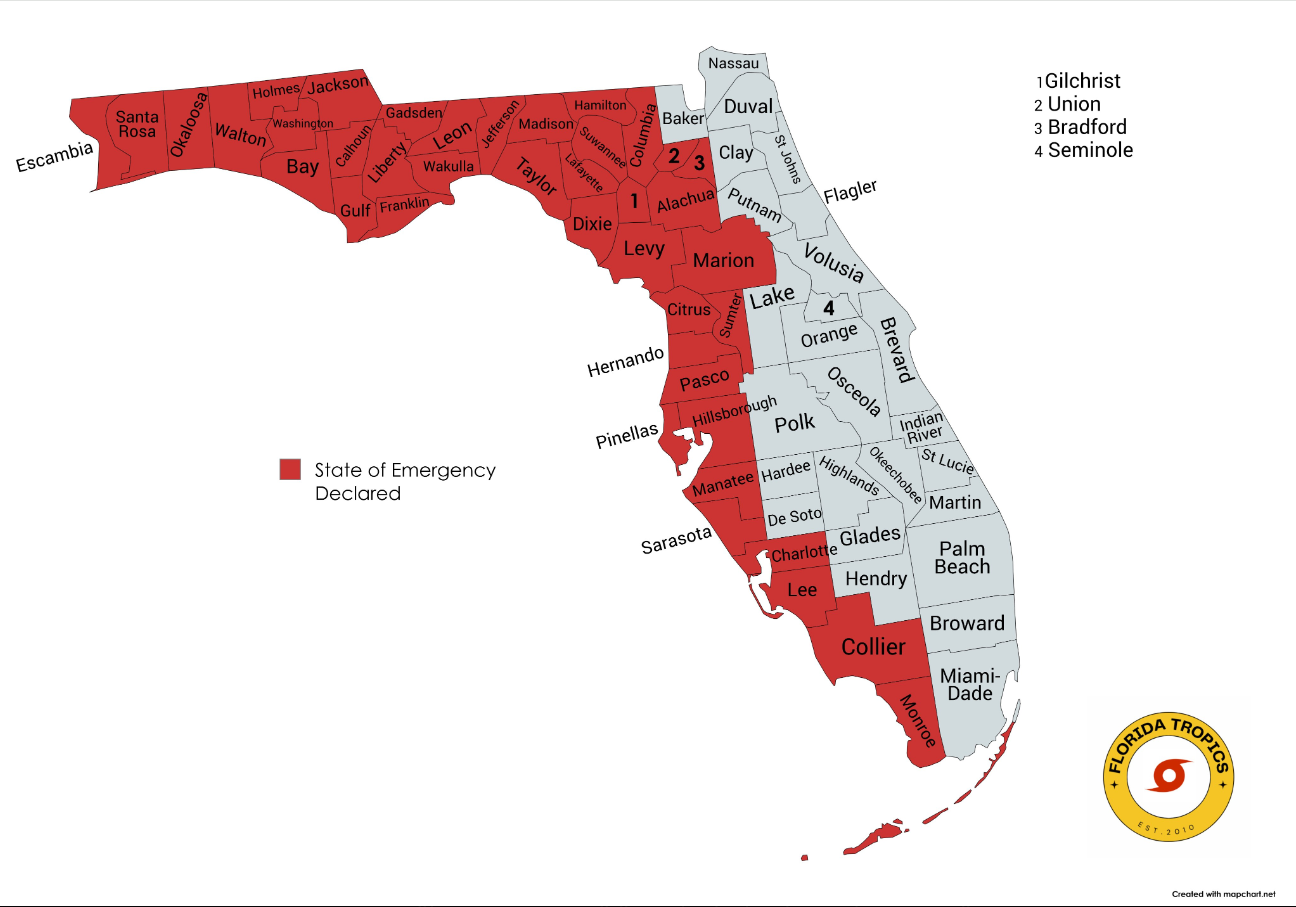
What Constitutes a State of Emergency?
A state of emergency in Florida can be triggered by a wide range of events. Most commonly, these relate to severe weather, particularly during hurricane season (June 1st to November 30th). Tropical storms, hurricanes, and severe thunderstorms can lead to widespread power outages, flooding, and infrastructure damage. Beyond weather, public health crises, such as pandemics or localized disease outbreaks, or even man-made disasters can prompt emergency declarations. The primary purpose of such a declaration is to mobilize state resources, facilitate aid, and implement necessary safety measures for residents and visitors alike. It empowers authorities to bypass certain regulations to expedite recovery efforts, evacuate residents, and ensure public safety. It’s important to distinguish between a localized emergency and a statewide one, as the impacts on travel can vary significantly. A declaration for a specific county due to a brush fire, for instance, will likely not affect your plans for a theme park visit hundreds of miles away in Orlando.
How Declarations Affect Travelers and Travel Plans
The effects of an emergency declaration on travelers can range from minor inconveniences to complete disruption. In severe weather events, airports may close, flights may be canceled, and roads might become impassable or subject to mandatory evacuation orders. Hotels and resorts might close or operate with limited services. Attractions, theme parks, and national parks often have specific protocols for closing during emergencies to ensure visitor safety.
For public health emergencies, restrictions might include mask mandates, capacity limits at venues, or even temporary closures of certain businesses. It’s not uncommon for travel insurance policies to have specific clauses regarding states of emergency, which could impact your ability to claim for cancellations or interruptions. Therefore, knowing the nature and scope of the emergency is paramount. A statewide declaration might have a broad but often indirect effect on travel, whereas a direct hit from a hurricane in a specific region will have a much more immediate and severe impact on that area’s travel infrastructure and activities.
Official Sources for Real-time Information
Reliable and up-to-date information is your best asset when traveling during or immediately after a declared emergency. Always consult official government channels. The Florida Division of Emergency Management website and its social media channels are excellent resources. For weather-related emergencies, the National Hurricane Center provides critical forecasts and advisories. Local county emergency management offices, city websites, and the Governor’s Office often issue press releases and public advisories. Additionally, airlines, hotels, and tour operators will communicate directly with their customers regarding any changes or cancellations. It is also advisable to register with your country’s embassy or consulate if you are an international traveler, as they often provide advisories to their citizens.
Current Status of Florida: Assessing the Landscape for Visitors
Florida’s dynamic environment means that the presence of an emergency declaration can change rapidly. It is imperative to check the most current information before and during your trip.
Recent Events Leading to Declarations
Over the past few years, Florida has faced a variety of challenges, predominantly stemming from its geographical location. Hurricane season frequently necessitates emergency declarations, sometimes affecting the entire state, other times focusing on specific coastal regions like the Florida Keys or the Panhandle. Notable events such as Hurricane Ian or Nicole, for example, prompted broad emergency responses that significantly altered travel itineraries for thousands. Public health emergencies, such as the COVID-19 pandemic, also led to statewide declarations, imposing various restrictions on businesses, public gatherings, and travel. These events, while disruptive, also showcase the state’s robust recovery mechanisms and its commitment to public safety.
Regional vs. Statewide Impacts
A common misconception is that a statewide emergency declaration means the entire state is equally affected. This is rarely the case. While a governor might declare a statewide emergency to activate resources and prepare for an event like a hurricane, the actual impact zone might be limited to a specific coastline or a few counties. For instance, a hurricane threatening the Gulf Coast might prompt a statewide declaration to mobilize resources, but destinations on the Atlantic Coast or inland areas like Orlando might experience minimal disruption, perhaps just heavy rain or strong winds for a day. It is crucial to check the specific areas mentioned in the emergency orders and compare them with your intended travel destinations. Don’t assume a general “state of emergency” applies uniformly across all 67 counties.
Specific Destinations: Are Popular Spots Affected?
Popular tourist hubs in Florida are often prepared for potential emergencies and have detailed contingency plans.
- Orlando: As a major inland destination with world-renowned theme parks like Walt Disney World Resort and Universal Orlando Resort, Orlando is relatively less vulnerable to direct hurricane impacts compared to coastal areas. However, heavy rains, strong winds, and flight cancellations are still possible. Theme parks have established safety protocols and often announce closures well in advance.
- Miami: A vibrant coastal city, Miami is more susceptible to hurricanes and tropical storms. Emergency declarations in Miami-Dade County can lead to airport closures (Miami International Airport), mandatory evacuations of barrier islands (like Miami Beach), and significant disruptions to cruise departures from PortMiami.
- Tampa: Situated on the Gulf Coast, Tampa also faces risks from tropical systems. Similar to Miami, a local emergency declaration could affect flights from Tampa International Airport, bridge closures, and services along the coast.
- Florida Keys: This chain of islands is particularly vulnerable to storm surges and high winds, often being among the first areas to receive evacuation orders during hurricane threats. Travel to the Florida Keys during an emergency is often highly restricted or impossible.

Always verify the status of your specific destination directly with local authorities, your accommodation, and transportation providers.
Navigating Travel to Florida During a State of Emergency
Even with an emergency declaration in place, travel to Florida might still be feasible, especially if your destination is outside the affected zone. However, it requires an extra layer of planning and caution.
Pre-Travel Considerations and Due Diligence
Before you even book your trip, especially if traveling during hurricane season or other known periods of risk, consider the possibility of an emergency declaration.
- Monitor News and Official Advisories: Continuously check the official sources mentioned earlier, well in advance of your departure and daily leading up to it.
- Contact Providers: Reach out to your airline, hotel, car rental company, and any tour operators to inquire about their specific emergency policies, potential closures, or operational changes.
- Flexible Bookings: Whenever possible, choose flexible or refundable bookings. While often slightly more expensive, this flexibility can save you significant financial loss if plans need to change.
- Alternative Destinations: Have a backup plan or alternative destination in mind, either within Florida or elsewhere, in case your primary destination becomes unviable.
Insurance and Cancellation Policies
Travel insurance becomes particularly vital when an emergency declaration is a possibility.
- Review Policy Details: Carefully read your travel insurance policy to understand what is covered under “state of emergency” or “natural disaster” clauses. Some policies require the emergency to be declared before you purchase the policy for coverage to apply.
- “Cancel For Any Reason” (CFAR) Insurance: This type of insurance offers the most flexibility, allowing you to cancel your trip for virtually any reason and receive a partial refund. While more expensive, it provides peace of mind when uncertainty looms.
- Airlines and Hotels: Understand the specific cancellation and rebooking policies of your airline and hotel. Many will waive change fees or offer refunds if a state of emergency directly impacts their operations or your travel route. However, their policies might differ from what your independent travel insurance covers.
On-the-Ground Preparedness and Safety Measures
If you decide to proceed with your trip to Florida during an emergency, take proactive steps for your safety:
- Emergency Kit: Consider packing a small emergency kit with essentials like a first-aid kit, flashlight, portable charger, non-perishable snacks, and bottled water.
- Stay Informed Locally: Once at your destination, continue monitoring local news, weather alerts, and official communications from local authorities.
- Evacuation Routes: Familiarize yourself with local evacuation routes, especially if you are in a coastal area or flood-prone region. Your hotel staff can usually provide this information.
- Follow Instructions: Adhere strictly to all warnings and instructions from local authorities, including evacuation orders. Your safety is paramount.
- Communicate: Keep family and friends updated on your whereabouts and safety.
Flexibility and Contingency Planning
The ability to adapt is key when traveling during uncertain times.
- Build in Buffer Time: Allow for extra travel time to and from your destination, and between activities, as unforeseen delays can occur.
- Alternative Transportation: Research alternative transportation options in case your primary mode (e.g., flight, ferry) is disrupted.
- Accommodation Flexibility: Be prepared that your chosen accommodation might become unavailable, and have a plan for finding alternative lodging if necessary.
- Cash Reserves: Keep some cash on hand, as ATMs and credit card systems might be temporarily down during power outages.
Reassessing Your Florida Travel Experience
Ultimately, the decision to travel to Florida during or immediately after a state of emergency requires a careful weighing of risks and benefits.
Alternatives and Adaptations for Your Itinerary
If your primary destination is affected, consider adapting your itinerary rather than canceling entirely. Could you visit a different region of Florida that is unaffected? Perhaps pivot to an inland experience if the coast is impacted, or vice-versa, depending on the nature of the emergency. Many parts of Florida remain safe and operational even when specific areas are under an emergency declaration. Research areas that are explicitly outside the scope of any warnings or evacuation orders. This might be an opportunity to explore lesser-known but equally captivating parts of the state.
Supporting Local Businesses Responsibly
When an area recovers from an emergency, local businesses often face significant challenges. If you choose to visit an area that is in the recovery phase, your tourism dollars can be a lifeline. However, ensure your visit is responsible and doesn’t strain local resources or hinder recovery efforts. Always check if a destination is truly ready for tourists. Respect any limitations or changes in service that businesses might be experiencing as they rebuild. Your patience and understanding can make a significant positive impact on the community.

When to Postpone or Reconsider Your Trip
There are clear instances when postponing or outright reconsidering your trip is the safest and most sensible option. If your chosen destination is under a mandatory evacuation order, or if the emergency directly impacts your ability to safely reach or enjoy your destination (e.g., airports closed, attractions shut down, severe damage to infrastructure), it’s best to reschedule. Your safety and the safety of the residents should always take precedence. Monitor official government travel advisories from your home country, as these can often provide an objective assessment of the risks. While Florida is a fantastic travel destination, choosing the right time to visit, especially during periods of potential instability, is key to a rewarding and worry-free experience.
LifeOutOfTheBox is a participant in the Amazon Services LLC Associates Program, an affiliate advertising program designed to provide a means for sites to earn advertising fees by advertising and linking to Amazon.com. Amazon, the Amazon logo, AmazonSupply, and the AmazonSupply logo are trademarks of Amazon.com, Inc. or its affiliates. As an Amazon Associate we earn affiliate commissions from qualifying purchases.