
The question “Is Florida in the South?” often sparks lively debate, evoking images that range from moss-draped oak trees and antebellum charm to vibrant Caribbean rhythms and futuristic theme parks. On the surface, the answer seems straightforward: geographically, the Sunshine State is undeniably part of the southeastern United States. Yet, the popular perception of Florida is frequently at odds with the traditional understanding of “the South.” This article delves into the intricate layers of geography, history, culture, and modern demographics to explore how Florida both embodies and transcends the typical Southern identity, offering a unique mosaic that captivates travelers and residents alike.
For visitors planning a trip to Florida, understanding this complex identity is key to appreciating the diverse experiences the state offers. From the historical depths of St. Augustine to the tropical allure of Key West, and from the family-friendly attractions of Orlando to the bustling metropolis of Miami, Florida’s regional variations are profound. This exploration will illuminate why Florida remains a pivotal and fascinating destination, blending traditional Southern charm with an eclectic, global outlook, making it a compelling study for anyone interested in travel, culture, and the evolution of American identity.

Geographic and Historical Roots: Unpacking Florida’s Southern Identity
To truly understand Florida’s place in the South, one must first consider its foundational elements: geography and history. These pillars firmly anchor the state within the Southern region, even as subsequent developments have diversified its character.
A Place on the Map: Defining the “South”
Geographically, Florida is undeniably a Southern state. Bordered by Georgia and Alabama to its north, its elongated peninsula stretches south, separating the Atlantic Ocean from the Gulf of Mexico. Most geographical definitions of the South include Florida without question, often encompassing states from Maryland to Texas, and south to Florida. The northern reaches of Florida, particularly the Panhandle region, share topographical features and climate patterns, such as humid subtropical weather and pine forests, that are characteristic of the wider southeastern United States. This physical proximity and shared natural environment lay the groundwork for a Southern identity that is more apparent in some parts of the state than others. Understanding these geographical connections helps travelers appreciate the diverse landscapes, from the pristine beaches of North Florida to the unique ecosystems of Everglades National Park further south, each offering distinct opportunities for exploration and accommodation.
Echoes of the Past: Florida’s Historical Alignment
Historically, Florida’s ties to the South are equally strong. As one of the original Spanish colonies, it had a unique early history, but by the time of American statehood in 1845, it quickly aligned with the Southern slave states. Florida seceded from the Union in 1861 to join the Confederate States of America, a fact that firmly places it within the historical narrative of the Deep South. Although its contribution to the Confederacy was comparatively smaller than that of states like Virginia or Georgia due to its sparse population at the time, this historical alignment is an undeniable part of its heritage. Post-Civil War, Florida endured Reconstruction and the subsequent Jim Crow era, much like its Southern neighbors. Evidence of this past can still be found in various historical landmarks and museums throughout the state, particularly in cities like Jacksonville and Pensacola, offering a deeper understanding of the region’s complex past for those interested in historical tourism.
Beyond the Borders: Cultural Tapestry and Southern Flavors
While geography and history provide a clear initial answer to Florida’s Southern identity, the state’s cultural landscape presents a more nuanced picture. Here, traditional Southern elements intertwine with influences from further afield, creating a vibrant, multifaceted identity.
From Grits to Guava: The Culinary Landscape
Food is often a powerful reflection of culture, and Florida’s culinary scene brilliantly illustrates its dual identity. In the northern and central parts of the state, classic Southern staples are readily available. You can find hearty breakfasts featuring grits, biscuits and gravy, fried chicken, and barbecue. Sweet tea flows freely, and local diners often serve up collard greens and pecan pie. This traditional Southern comfort food is a testament to the region’s deep roots.
However, as you move south, particularly towards Miami and the Florida Keys, the culinary influences shift dramatically. Here, Latin American and Caribbean flavors dominate. Dishes like Cuban sandwiches, ceviche, empanadas, and fresh seafood prepared with tropical spices become commonplace. Key lime pie, a quintessential Florida dessert, showcases the state’s unique tropical flair, distinguishing it from the deeper South’s more conventional sweet offerings. This fusion offers an incredible gastronomic journey for travelers, whether they’re seeking a taste of traditional Southern hospitality or an exotic culinary adventure, making Florida a unique food tourism destination.
Sounds of the Sunshine State: Music, Arts, and Accents
The cultural expressions of Florida also tell a story of regional blending. While the sounds of country music, blues, and gospel, characteristic of the South, can certainly be heard, especially in the more rural areas and the Panhandle, Florida boasts a much broader musical palette. Miami, in particular, is a global hub for Latin music, techno, and hip-hop, drawing influences from its diverse immigrant populations. This musical diversity is mirrored in the art scene, which ranges from traditional folk art in small towns to cutting-edge contemporary galleries in major cities like Miami and St. Petersburg.
Accents also vary significantly. While a Southern drawl can be heard in many parts of northern and central Florida, it often gives way to a more neutral American accent, or a rich tapestry of accents influenced by Spanish, Haitian Creole, and other languages, especially in the southern metropolitan areas. This linguistic diversity highlights Florida’s role as a cultural melting pot, offering a stark contrast to the often more homogeneous linguistic landscapes of some other Southern states. For visitors, engaging with these various cultural expressions, from live music venues to art festivals, provides rich insights into the state’s dynamic identity.
Warm Welcomes: The Essence of Southern Hospitality
One of the hallmarks of the South is its legendary hospitality, and Florida generally embraces this tradition. Whether staying at a charming bed and breakfast in St. Augustine, dining at a local restaurant in Gainesville, or visiting a family-run attraction, visitors often encounter the genuine warmth and politeness associated with Southern manners. This inherent friendliness extends to many of the state’s tourism and accommodation providers, from boutique hotels in historical districts to sprawling resorts designed for family trips.
However, the nature of this hospitality can sometimes shift in the highly commercialized and transient tourist hubs like Orlando or the fast-paced urban environment of Miami, where efficiency and global service standards might take precedence over quaint Southern charm. Nevertheless, the underlying spirit of welcoming guests remains a significant part of the Florida experience, making it a pleasant destination for all types of travelers seeking diverse experiences from luxury travel to budget travel.

Florida’s Unique Blend: The Modern Southern Experience
Florida stands apart as a modern Southern state, a dynamic entity where traditional values meet rapid growth and global influences. Its unique characteristics are shaped by massive demographic shifts and a pervasive tourism industry that has redefined its landscape.
Miami’s Latin Pulse and Orlando’s Global Appeal
Perhaps nowhere is Florida’s departure from a purely Southern identity more evident than in its major metropolitan areas. Miami, often referred to as the “Capital of Latin America,” pulses with a distinct Caribbean and Latin rhythm. Its vibrant neighborhoods like Little Havana and the Art Deco Historic District on South Beach showcase an international flair that feels a world away from the traditional Deep South. Spanish is widely spoken, Cuban coffee is a daily ritual, and the nightlife resonates with salsa and merengue. This cosmopolitan energy makes Miami a unique destination, offering a different kind of cultural immersion than one might find in Charleston or New Orleans.
Similarly, Orlando, home to world-famous attractions like Walt Disney World Resort and Universal Orlando Resort, functions as a global tourism magnet. Its population is diverse, comprised of residents from across the United States and around the world, drawn by employment opportunities in the tourism sector and a dynamic lifestyle. The cultural landscape here is more international than strictly Southern, focused on providing universal entertainment and hospitality. These cities, with their emphasis on tourism, international trade, and diverse populations, significantly differentiate Florida from its more conventionally Southern neighbors like Mississippi or Arkansas.
The Panhandle’s Southern Charm vs. South Florida’s Tropical Vibe
The internal diversity within Florida further complicates its Southern identity. The Panhandle, often affectionately dubbed “Lower Alabama” or the “Redneck Riviera,” truly embodies traditional Southern culture. Towns like Pensacola and Tallahassee share more in common culturally with cities in Georgia or Alabama than they do with Miami. Here, you’ll find classic Southern architecture, a slower pace of life, strong community ties, and a pronounced Southern accent. The local food, music, and social customs are deeply rooted in Southern traditions, providing an authentic taste of the Deep South.
In stark contrast, South Florida, including Miami, Fort Lauderdale, and the Florida Keys, leans heavily into its tropical, Caribbean-influenced identity. The climate, vegetation, and architecture here evoke a distinctly different feeling. The lifestyle is often oriented towards boating, beaches, and outdoor activities, with a vibrant social scene influenced by its diverse immigrant populations and international visitors. This regional dichotomy means that a trip to Florida can offer two vastly different “Southern” experiences within the same state, appealing to travelers with varied interests in destinations and local culture.
The Influence of Influx: Demographics and Development
One of the most significant factors shaping Florida’s modern identity is its explosive population growth. The state has long been a magnet for retirees and snowbirds from the northern United States and Canada, as well as a primary destination for immigrants from Latin America and the Caribbean. This constant influx of new residents has profoundly altered the state’s demographics, culture, and political landscape.
Unlike many traditionally Southern states where populations have been relatively stable for generations, Florida’s cultural fabric is continually rewoven by newcomers bringing their own traditions, cuisines, and perspectives. This rapid development, fueled by tourism and real estate, has also led to a more urbanized and suburbanized environment, pushing back against the rural, agricultural roots that define much of the historical South. The resulting blend creates a dynamic, forward-looking state that, while retaining aspects of its Southern heritage, has evolved into something far more complex and globally connected. This demographic shift directly impacts local culture, food, and activities available to tourists.
Navigating the Sunshine State: What it Means for Travelers
For those looking to explore Florida, understanding its multifaceted identity is crucial. It informs expectations, guides destination choices, and enhances the overall travel experience. Florida is not a monolithic destination but a collection of distinct regions, each offering unique attractions and experiences.
Discovering Diverse Destinations
Travelers seeking a taste of traditional Southern charm will find it in abundance in North Florida. Historical cities like St. Augustine, the nation’s oldest continuously inhabited European-established settlement, offer cobblestone streets, Spanish colonial architecture, and a rich history that rivals any Southern landmark. The St. Augustine Historic District, with its old fort and quaint shops, provides a picturesque glimpse into the past. Further west, the Panhandle boasts pristine beaches, akin to those found along the Gulf Coast of Alabama and Mississippi, alongside charming coastal towns that exude a laid-back Southern vibe.
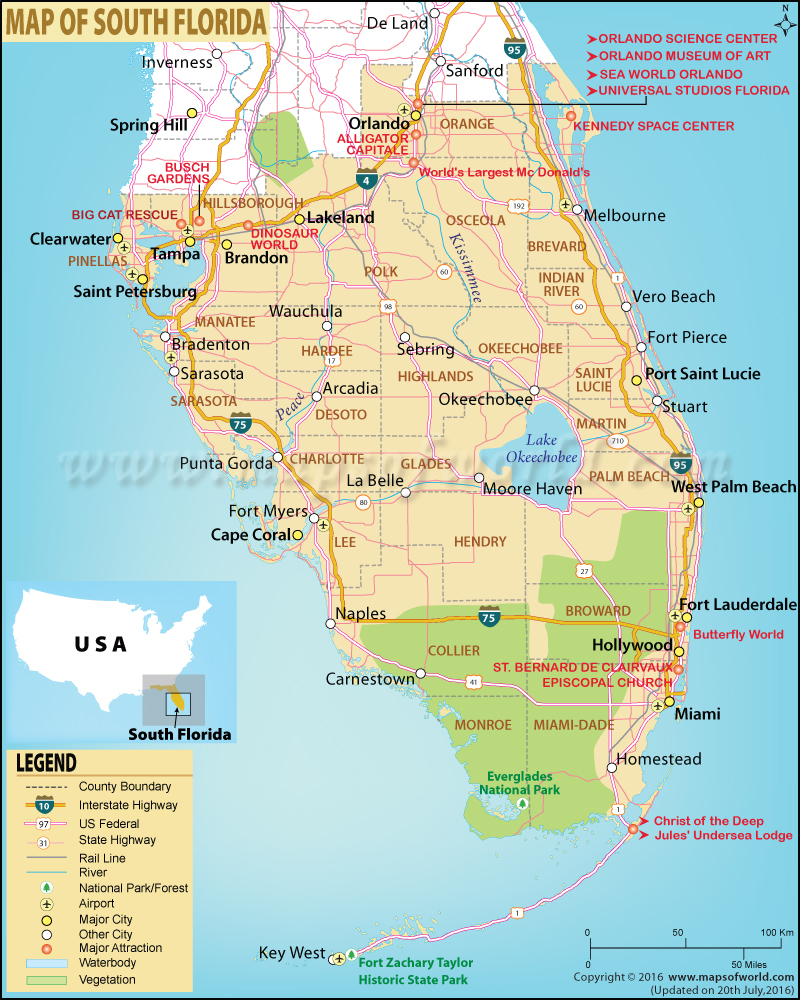
Conversely, those drawn to tropical excitement and international flair should focus on South Florida. Miami offers world-class beaches like South Beach, an exhilarating nightlife, and a vibrant arts scene exemplified by the Wynwood Walls. The Florida Keys, with their unique island culture, offer unparalleled opportunities for snorkeling, diving, and enjoying fresh seafood in a distinctly Caribbean atmosphere. Landmarks like Fort Zachary Taylor Historic State Park in Key West provide historical context amidst tropical beauty. Central Florida, of course, is the epicenter of theme parks, drawing families from around the globe to Walt Disney World Resort and Universal Orlando Resort, offering a global entertainment experience rather than a strictly Southern one. Other natural wonders like Biscayne National Park and Dry Tortugas National Park provide unique ecological experiences.
Accommodation Choices Across the Regions
The diversity of Florida’s regions is reflected in its accommodation options. In the more traditionally Southern areas, you might find quaint inns, historic hotels that exude old-world charm, and budget-friendly motels reminiscent of classic American road trips. These offer a more intimate and often more affordable stay, appealing to those interested in local culture and authentic experiences.
As you head towards the major tourist destinations, the accommodation landscape expands dramatically. Orlando and Miami boast a plethora of high-end resorts, luxury hotels, apartment rentals, and suites designed for every type of traveler, from family trips to business stays. Many of these offer extensive amenities, from sprawling water parks to world-class spas, catering to a global clientele. Boutique hotels and trendy villas can be found in urban centers, offering a sophisticated lifestyle experience. Comparing accommodation options and reading reviews becomes essential when navigating the sheer variety available, ensuring a perfect match for any travel style or budget, including long-term stays.
Experiencing the Lifestyle: From Beaches to Backroads
The lifestyle in Florida is as varied as its geography. You can spend a day exploring the backroads and small towns of the Panhandle, enjoying fresh-caught seafood from a local pier, and experiencing the slower pace of rural Southern life. Alternatively, you can immerse yourself in the fast-paced, glamorous lifestyle of South Florida, where days are spent on the beach, evenings at upscale restaurants, and nights dancing in lively clubs.
For adventure seekers, Florida offers everything from kayaking through mangroves in the Everglades to airboat rides, fishing charters, and diving among coral reefs. Cultural enthusiasts can visit historical sites, art museums, and attend diverse festivals, while space aficionados can explore the Kennedy Space Center Visitor Complex. This blend of options means that the “Southern experience” in Florida is not static; it’s a dynamic, customizable journey that allows visitors to curate their own adventure, whether they seek quiet relaxation or thrilling excitement.
Conclusion: Florida – A South Like No Other
So, is Florida in the South? The unequivocal answer is yes, but with a crucial caveat: it is a South unlike any other. Geographically and historically, Florida is firmly rooted in the southeastern United States. Its northern regions embody many of the traditional cultural touchstones of the Deep South, from cuisine to architecture and a slower pace of life. However, its unique peninsular shape, tropical climate, massive influx of diverse populations, and status as a global tourism magnet have forged a distinct identity, particularly in its central and southern reaches.
Florida represents an evolving face of the modern South, where historic charm coexists with vibrant international cultures, where quiet natural beauty gives way to bustling urban landscapes, and where Southern hospitality blends with a global standard of service. For travelers, this complexity is its greatest asset. It means that whether you’re seeking a historical journey through colonial streets, an adrenaline-fueled adventure at a theme park, a relaxing beach escape, or an immersive cultural experience influenced by Latin America and the Caribbean, Florida truly offers a world of destinations within a single state. It is a testament to Florida’s enduring allure that it can simultaneously be a quintessential Southern state and an entirely singular destination.
LifeOutOfTheBox is a participant in the Amazon Services LLC Associates Program, an affiliate advertising program designed to provide a means for sites to earn advertising fees by advertising and linking to Amazon.com. Amazon, the Amazon logo, AmazonSupply, and the AmazonSupply logo are trademarks of Amazon.com, Inc. or its affiliates. As an Amazon Associate we earn affiliate commissions from qualifying purchases.