
The question might seem straightforward, a geographical query met with an almost instinctive “yes.” Yet, delving deeper into the specifics of Florida‘s position, its coastlines, and its relationship with the broader United States reveals a more nuanced and fascinating answer. For travelers, vacationers, and even those considering a long-term stay, understanding where Florida truly lies is fundamental to planning any journey to the Sunshine State. Whether you’re dreaming of a luxurious resort escape, exploring historical landmarks, or seeking out vibrant local culture, its coastal orientation plays a significant role in shaping the experiences it offers.
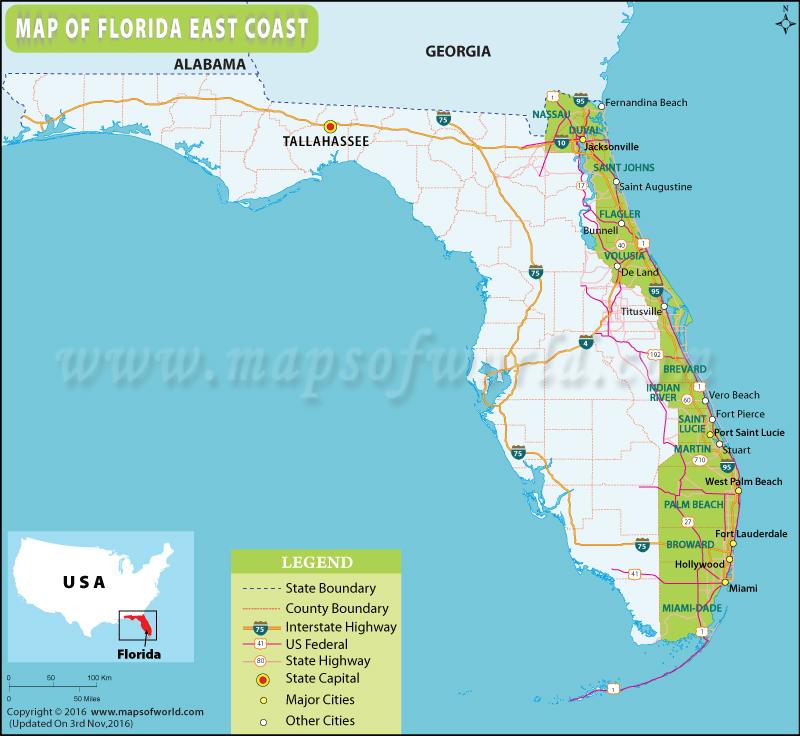
This article will explore Florida‘s geographical placement, examining its diverse coastlines and the implications for tourism, travel, and accommodation. We will navigate through its major cities and attractions, highlighting how its position influences everything from the weather and natural environment to the unique lifestyle it fosters.
Understanding Florida’s Coastlines
Florida is famously known as the “Sunshine State,” a moniker deeply connected to its abundant sunshine and, crucially, its extensive coastline. Unlike many other states that might have a singular primary coast, Florida boasts two distinct and lengthy coastlines that significantly impact its identity and appeal.
The Atlantic Coastline
Stretching from the northern border with Georgia down to Key West, Florida‘s Atlantic coast is a vibrant stretch of beaches, bustling cities, and historical significance. This side of the state faces the mighty Atlantic Ocean, influencing its climate, marine life, and the types of activities available to visitors.
- Northern Atlantic Coast: Cities like Jacksonville and St. Augustine mark the northern reaches of Florida‘s Atlantic presence. Jacksonville, the most populous city in Florida, is a major port and a hub of commerce and culture. Further south, St. Augustine holds the distinction of being the oldest continuously inhabited European-established settlement in the United States, offering a deep dive into American history. Here, visitors can explore ancient forts and cobblestone streets.
- Central Atlantic Coast: This region is home to some of Florida‘s most iconic tourist destinations. Cape Canaveral, the launch site for countless space missions, offers a unique blend of history and futuristic wonder. Nearby, the beaches of Daytona Beach are legendary, famous for their hard-packed sand that once hosted automobile races. Further south, the region around Orlando is synonymous with world-class theme parks like Walt Disney World Resort and Universal Orlando Resort, attracting millions of visitors annually. The proximity to the Atlantic coast provides a refreshing sea breeze and opportunities for water sports.
- Southern Atlantic Coast: As the coast moves towards the southern tip of the state, it becomes increasingly populated and offers a sophisticated blend of urban life and beach access. Cities like Fort Lauderdale, often called the “Venice of America” for its extensive canal system, and Miami, a global epicenter of culture, finance, and fashion, define this dynamic region. Miami Beach is renowned for its Art Deco architecture and vibrant nightlife, while the coastline north of Miami offers serene beaches and luxury resorts.
The Atlantic coast is characterized by its generally cooler waters compared to the Gulf coast, particularly in the northern parts. It’s also more susceptible to hurricanes, a factor that shapes building codes and travel advisories. The energy of the ocean here is palpable, offering dramatic sunrises and a robust surf culture in certain areas. For those seeking a blend of urban excitement, historical exploration, and classic beach experiences, the Atlantic Coast of Florida delivers in abundance.
The Gulf Coastline
Facing west, Florida‘s Gulf coast meets the calmer, warmer waters of the Gulf of Mexico. This coastline is celebrated for its sugar-white sand beaches, clear turquoise waters, and a more relaxed, laid-back atmosphere compared to its Atlantic counterpart.
- Panhandle: The northwestern part of Florida, often referred to as the Panhandle, features a coastline that is geographically and culturally distinct. Cities like Pensacola and Tallahassee (the state capital) are located here. The beaches of the Panhandle, particularly around areas like Destin and Panama City Beach, are consistently ranked among the most beautiful in the United States, known for their powdery sand derived from quartz. The water here is typically crystal clear and shallow, making it ideal for families and those seeking tranquil beach days.
- Southwest Florida: Moving down the coast, Southwest Florida is home to sophisticated cities and renowned beach destinations. Tampa Bay and its surrounding areas, including St. Petersburg and Clearwater, offer a mix of urban attractions, professional sports, and pristine beaches. Clearwater Beach is frequently cited as one of the best beaches in the United States. Further south, cities like Fort Myers, Naples, and Sarasota are known for their upscale resorts, championship golf courses, and vibrant arts scenes. The islands off the coast, such as Sanibel Island and Captiva Island, are world-famous for shelling.
- South Central Gulf Coast: This region transitions into the southern part of the state, where the Gulf Coast eventually meets the Everglades and the waters of Florida Bay. While not as densely populated with major tourist beach towns as the southwest, it offers unique natural beauty and access to protected areas.

The Gulf Coast‘s waters are generally warmer and calmer than the Atlantic Ocean, making them perfect for swimming, snorkeling, and a variety of water sports that don’t require strong surf. The sunsets over the Gulf of Mexico are spectacular, casting a golden glow over the tranquil waters. This side of Florida often appeals to those seeking a more serene beach vacation, abundant wildlife viewing, and a connection with nature.
Florida’s Position Within the Eastern United States
Geographically, Florida‘s position is undeniably within the eastern half of the United States. Its easternmost point is on the Atlantic Ocean, and the majority of its landmass extends eastward into the ocean. The state’s entire eastern seaboard directly borders the Atlantic Ocean, a defining characteristic that firmly places it within the “East Coast” designation.
However, the presence of its extensive Gulf Coast can sometimes lead to a conceptual blurring for those unfamiliar with the state’s unique peninsula shape. While New York, Massachusetts, and Virginia are unequivocally “East Coast” states with coastlines solely on the Atlantic Ocean, Florida presents a dual coastline. This duality doesn’t negate its East Coast status; rather, it enriches it.
The term “East Coast” often conjures images of historic colonial towns, a certain architectural style, and a specific maritime heritage. Florida shares many of these elements, particularly along its Atlantic Coast, from St. Augustine‘s colonial past to Miami‘s modern, cosmopolitan vibe. Yet, its Gulf Coast offers a distinct flavor, influenced by Caribbean and Southern cultures, contributing to Florida‘s unique identity within the broader East Coast landscape.
For travelers, understanding this geographical nuance is crucial. Someone looking for the classic New England coastal experience might find it in Amelia Island on Florida‘s northern Atlantic coast, while someone seeking the relaxed vibe and warm waters of the Gulf of Mexico will find it in Naples or Sarasota. Both experiences, however, are part of the Florida journey, a state that embodies the diversity of the East Coast.
Implications for Travel and Tourism
Florida‘s dual coastlines and its overall position on the eastern seaboard have profound implications for travel and tourism. The state is one of the most popular tourist destinations in the United States, and its geography plays a pivotal role in this appeal.
- Climate and Weather: The East Coast designation means Florida experiences a subtropical to tropical climate. Its proximity to the Atlantic Ocean and the Gulf of Mexico moderates temperatures, leading to warm summers and mild winters, making it a year-round destination. However, this also means susceptibility to tropical storms and hurricanes, especially during the late summer and fall months. Travelers should always check weather forecasts and advisories when planning trips during these periods.
- Diverse Attractions: The varied coastal environments support a wide array of attractions. The Atlantic Coast offers historical sites, space exploration centers, and vibrant nightlife. The Gulf Coast provides pristine beaches, renowned natural parks like Everglades National Park, and opportunities for wildlife viewing, including manatees and dolphins. This diversity allows Florida to cater to nearly every type of traveler, from adventure seekers to those looking for a quiet beach retreat.
- Accommodation Options: From luxury resorts overlooking the Atlantic Ocean to charming boutique hotels on the Gulf Coast, and from sprawling villas in the Orlando area to budget-friendly apartments in coastal towns, Florida offers a vast spectrum of accommodation choices. Booking platforms and comparison sites can help travelers find the perfect place to stay, whether for a short vacation or a long-term visit. The choice of coast can significantly influence the type of accommodation and the overall ambiance of the stay.

Landmarks and Natural Wonders
Florida is dotted with iconic landmarks and breathtaking natural wonders, many of which are directly influenced by its coastal geography.
- St. Augustine Historic District: As mentioned, this historic city on the Atlantic Coast is a prime example of Florida‘s historical depth. Its Castillo de San Marcos National Monument stands as a testament to centuries of Spanish and British influence.
- Kennedy Space Center Visitor Complex: Located on the Atlantic Coast, this facility allows visitors to experience the history and future of space exploration.
- Everglades National Park: This vast subtropical wilderness, accessible from the southern part of the state, is a unique ecosystem teeming with wildlife. It represents the wilder, more natural side of Florida, a crucial ecological treasure that bridges the gap between the two coasts.
- Beaches: From the soft sands of Siesta Key Beach on the Gulf Coast to the lively shores of South Beach in Miami on the Atlantic Coast, Florida‘s beaches are its most famous landmarks. Each offers a different experience, from tranquil relaxation to energetic entertainment.
- Key West: While geographically south of the mainland and often considered its own unique region, Key West is the southernmost point of the continental United States and is surrounded by the waters of the Atlantic Ocean and the Gulf of Mexico. Its historic architecture, vibrant arts scene, and unique maritime history make it a quintessential Florida destination.
In conclusion, the answer to “Is Florida on the East Coast?” is a resounding yes. Its extensive Atlantic Coast firmly anchors it within this geographical region, while its equally significant Gulf Coast adds a unique dimension to its identity. This duality makes Florida a multifaceted destination, offering a rich tapestry of travel experiences, diverse attractions, and a lifestyle that blends the vibrancy of the East Coast with the tropical allure of the Gulf of Mexico. Whether you’re booking a suite at a luxury resort in Miami or searching for a family-friendly villa near Orlando, understanding Florida‘s coastal position is key to unlocking the magic of the Sunshine State.
LifeOutOfTheBox is a participant in the Amazon Services LLC Associates Program, an affiliate advertising program designed to provide a means for sites to earn advertising fees by advertising and linking to Amazon.com. Amazon, the Amazon logo, AmazonSupply, and the AmazonSupply logo are trademarks of Amazon.com, Inc. or its affiliates. As an Amazon Associate we earn affiliate commissions from qualifying purchases.