
Florida, the Sunshine State, a land of perpetual summer, vibrant beaches, and world-renowned theme parks, often sparks a geographical debate: is it truly part of the East Coast? For many, the term “East Coast” conjures images of historic cities like New York City and Boston, with their distinct cultural landscapes and coastal breezes. Yet, when we examine the geographical boundaries and the intrinsic character of Florida, the answer becomes unequivocally clear. Florida not only resides on the East Coast but also offers a unique and multifaceted experience that distinguishes it, while still firmly anchoring it to the eastern seaboard of the United States.
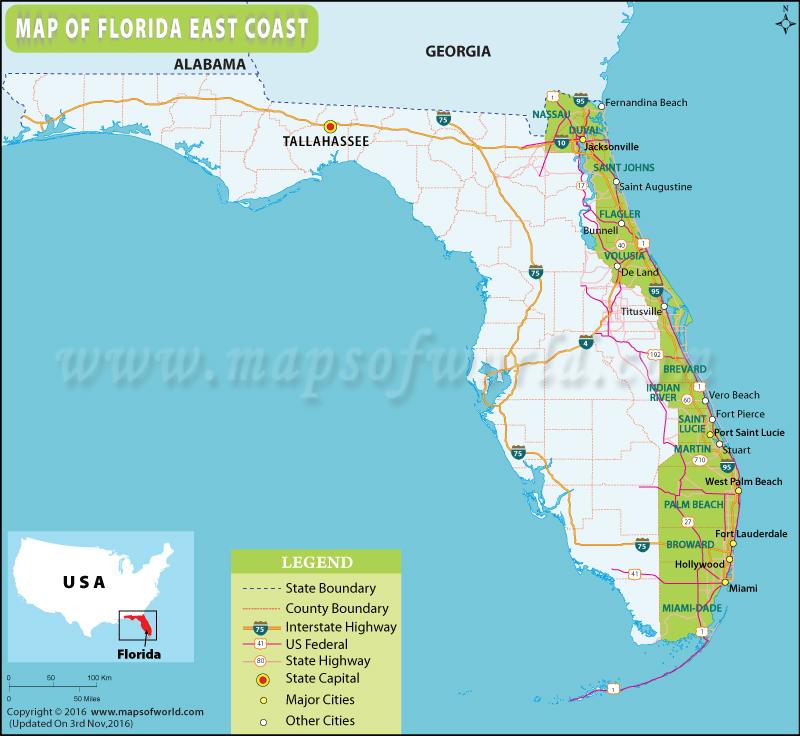
The question itself often arises from the sheer diversity of Florida‘s offerings. From the bustling metropolises to the tranquil Keys, and from the wild expanse of the Everglades to the manicured greens of luxury resorts, Florida presents a mosaic of experiences that might lead some to question its categorization. However, a closer look at its geographical position, its historical development, and its interconnectedness with the broader American tapestry reveals its undeniable place on the eastern flank of the continent.
Understanding the East Coast Identity
The East Coast of the United States is generally understood to encompass the states that border the Atlantic Ocean. This includes the thirteen original colonies and their subsequent developments, characterized by a rich history of European settlement, maritime trade, and a distinctive cultural heritage. States like Maine, Massachusetts, Rhode Island, Connecticut, New York, New Jersey, Delaware, Maryland, Virginia, North Carolina, South Carolina, and Georgia are universally recognized as part of the East Coast.
Florida shares a significant coastline with the Atlantic Ocean, and its geographical position places its eastern and southern shores squarely within this recognized region. The state’s northeastern corner, with cities like Jacksonville, directly faces the Atlantic, much like Charleston, South Carolina, or Norfolk, Virginia. Even cities further south, such as Miami and Fort Lauderdale, while experiencing a more subtropical climate, are still litorally connected to the Atlantic Ocean, albeit with the distinctive influence of the Gulf Stream.
The debate, if it can be called that, often stems from Florida‘s unique subtropical and tropical climate, its strong ties to Latin American and Caribbean cultures, and its vast stretches of coastline that extend around the southern tip of the peninsula, leading some to associate it more with a distinct “Southern” or even “Gulf Coast” identity. However, geography is a matter of defined boundaries and oceanic connections, and by these measures, Florida is an integral part of the East Coast.
Florida’s Dual Coastal Embrace
While its eastern shores are undeniably on the Atlantic, Florida also boasts a significant western coastline along the Gulf of Mexico. This dual coastal nature is a defining characteristic of the state and contributes to its unique identity within the United States. However, the presence of a Gulf Coast does not negate its East Coast status. Many states have extensive coastlines that touch multiple bodies of water. For instance, California has coastlines on the Pacific Ocean and also experiences influences from the Gulf of Alaska. Similarly, Texas borders both the Gulf of Mexico and has land borders with Mexico.
The East Coast designation is primarily based on the continental positioning and oceanic access. Florida‘s proximity to the Atlantic Ocean is undeniable, and its history and development have been shaped by this proximity, from its early colonial past under Spanish and later British rule to its modern role as a major hub for trade and tourism. The Florida Keys, a chain of islands stretching southwest from the mainland, are bordered by the Atlantic Ocean on one side and the Gulf of Mexico on the other, further illustrating this unique geographical duality. Yet, the easternmost points of the state are definitively facing the Atlantic.
The cultural and economic ties of Florida also reflect its East Coast positioning. Major transportation routes, both historical and modern, connect Florida to other East Coast states. The flow of commerce, tourism, and population often moves along the eastern seaboard, with Florida serving as a vital gateway. The influence of East Coast cities in terms of fashion, trends, and even dialect can be observed throughout Florida, particularly in its more northern and eastern regions.
Exploring Florida’s East Coast Attractions
When we consider the travel and tourism aspects that are central to Florida‘s appeal, its East Coast identity becomes even more apparent. The state offers a wealth of attractions that are intrinsically linked to its eastern seaboard.
Northeast Florida: History and Heritage
The northeast corner of Florida is steeped in history and offers a quintessential East Coast experience. St. Augustine, founded in 1565, is the oldest continuously inhabited European-established settlement in the United States. Its cobblestone streets, historic forts like the Castillo de San Marcos, and charming colonial architecture transport visitors back in time. This region offers a glimpse into the early days of American exploration and settlement, a narrative deeply intertwined with the East Coast‘s colonial past.
Further north, Jacksonville is a vibrant city with a burgeoning arts scene, a lively downtown, and miles of pristine beaches. It serves as a major gateway to Florida and is a popular destination for its accessibility and its blend of urban amenities and coastal relaxation. The proximity of these cities to Georgia and the Carolinas further solidifies their East Coast connections.

Central Florida’s Atlantic Gateway
While the theme park mecca of Orlando is inland, it is conveniently located a short drive from Florida‘s Atlantic Coast. Cities like Cocoa Beach and Daytona Beach offer iconic East Coast beach experiences. Cocoa Beach is famous for its surf culture, inspired by legends like Kelly Slater, and is home to the Ron Jon Surf Shop, a landmark in itself. Just north, Daytona Beach is renowned for its hard-packed sand that historically allowed cars to race on the beach, and of course, its iconic Daytona International Speedway, a temple of motorsport.
The proximity to Cape Canaveral, the launch site for NASA missions, adds another layer to Florida‘s East Coast identity. Witnessing a rocket launch from the coast is a uniquely American spectacle, deeply rooted in the nation’s technological and exploratory endeavors, many of which originated on the East Coast.
Southeast Florida: Subtropical Glamour and Urban Sophistication
The southeastern coastline of Florida is perhaps where the state’s East Coast identity is most pronounced in terms of global recognition and a distinct cultural flavor. Miami, a city synonymous with glamour, art deco architecture, and a vibrant international scene, is a true jewel of the East Coast. Its beaches, like the iconic South Beach, are world-famous, and its pulsating nightlife and diverse culinary landscape draw visitors from around the globe.
Fort Lauderdale, often called the “Venice of America” for its extensive network of canals, offers a more relaxed yet equally sophisticated experience. From luxury resorts to bustling boardwalks, it embodies the refined beach lifestyle. Further south, the tranquil beauty of Palm Beach represents the pinnacle of Florida luxury living.
The influence of the Gulf Stream is palpable along this coast, creating warm waters and a distinct climate that draws people seeking an escape from colder northern winters. This region is a testament to Florida‘s ability to blend East Coast accessibility with a unique subtropical allure, offering experiences that range from the ultra-luxury of a stay at the Breakers Palm Beach to the vibrant energy of Miami Beach.
Accommodation and Lifestyle on the East Coast of Florida
The diversity of Florida‘s East Coast is reflected in the vast array of accommodation options and lifestyle choices available to visitors and residents. Whether you’re seeking a budget-friendly family trip or a luxurious business stay, the Sunshine State caters to every need.
Diverse Accommodation Options
From boutique hotels in historic St. Augustine to sprawling resorts in Miami, the East Coast of Florida offers an unparalleled selection of places to stay. Travelers can choose from:
- Hotels and Resorts: Ranging from grand beachfront properties with multiple swimming pools and world-class dining to more intimate, locally-owned inns. Think of the lavish suites at the Fontainebleau Miami Beach or the serene beachfront villas in Amelia Island.
- Apartments and Villas: Ideal for longer stays or families, these offer more space and amenities like kitchens, allowing for a more home-like experience. Many are available for vacation rentals across the coastal cities.
- Unique Stays: For those seeking something different, Florida‘s East Coast also features charming bed and breakfasts, historic inns, and even unique glamping experiences.
The ease of booking and comparing accommodations through platforms dedicated to travel and hospitality further enhances the accessibility of these options. Reviews and detailed amenity lists help travelers find the perfect fit for their budget and desired lifestyle, whether it’s a family trip to Orlando‘s nearby attractions or a romantic getaway to a quiet coastal town.

Lifestyle Experiences
The lifestyle experienced on Florida‘s East Coast is as varied as its geography. It’s a place where luxury travel meets budget-friendly adventures, and family trips are as common as business stays.
- Luxury Travel: Florida is a prime destination for luxury. Think of private yacht charters in Fort Lauderdale, designer shopping in Bal Harbour, or fine dining experiences in Palm Beach. The East Coast offers an abundance of high-end resorts and exclusive experiences.
- Budget Travel: The state also excels in providing accessible travel. Beautiful public beaches are abundant, many attractions offer free entry or affordable options, and a wide range of budget-friendly hotels and vacation rentals can be found, especially when booking in the off-season.
- Family Trips: Florida is a perennial favorite for families. The world-famous theme parks near Orlando, the marine life encounters at SeaWorld Orlando, and the educational opportunities at the Kennedy Space Center Visitor Complex provide endless entertainment for all ages. The beaches also offer safe and fun environments for children.
- Business Stays: With major airports in Miami, Fort Lauderdale, and Orlando, and numerous convention centers, Florida‘s East Coast is a significant hub for business travel. The availability of business-friendly hotels and convenient transportation makes it an attractive destination for corporate events and meetings.
In conclusion, the question of whether Florida is on the East Coast is definitively answered with a resounding yes. Its geographical position, its extensive Atlantic coastline, and its historical, cultural, and economic ties firmly place it within this renowned region of the United States. While Florida possesses a unique identity shaped by its subtropical climate and its dual coastal nature, it is a vibrant and integral part of the East Coast, offering an unparalleled breadth of travel experiences, accommodation choices, and lifestyle opportunities. From the historic streets of St. Augustine to the glamorous avenues of Miami, Florida‘s East Coast beckons with its sunshine, its adventures, and its unforgettable allure.
LifeOutOfTheBox is a participant in the Amazon Services LLC Associates Program, an affiliate advertising program designed to provide a means for sites to earn advertising fees by advertising and linking to Amazon.com. Amazon, the Amazon logo, AmazonSupply, and the AmazonSupply logo are trademarks of Amazon.com, Inc. or its affiliates. As an Amazon Associate we earn affiliate commissions from qualifying purchases.