
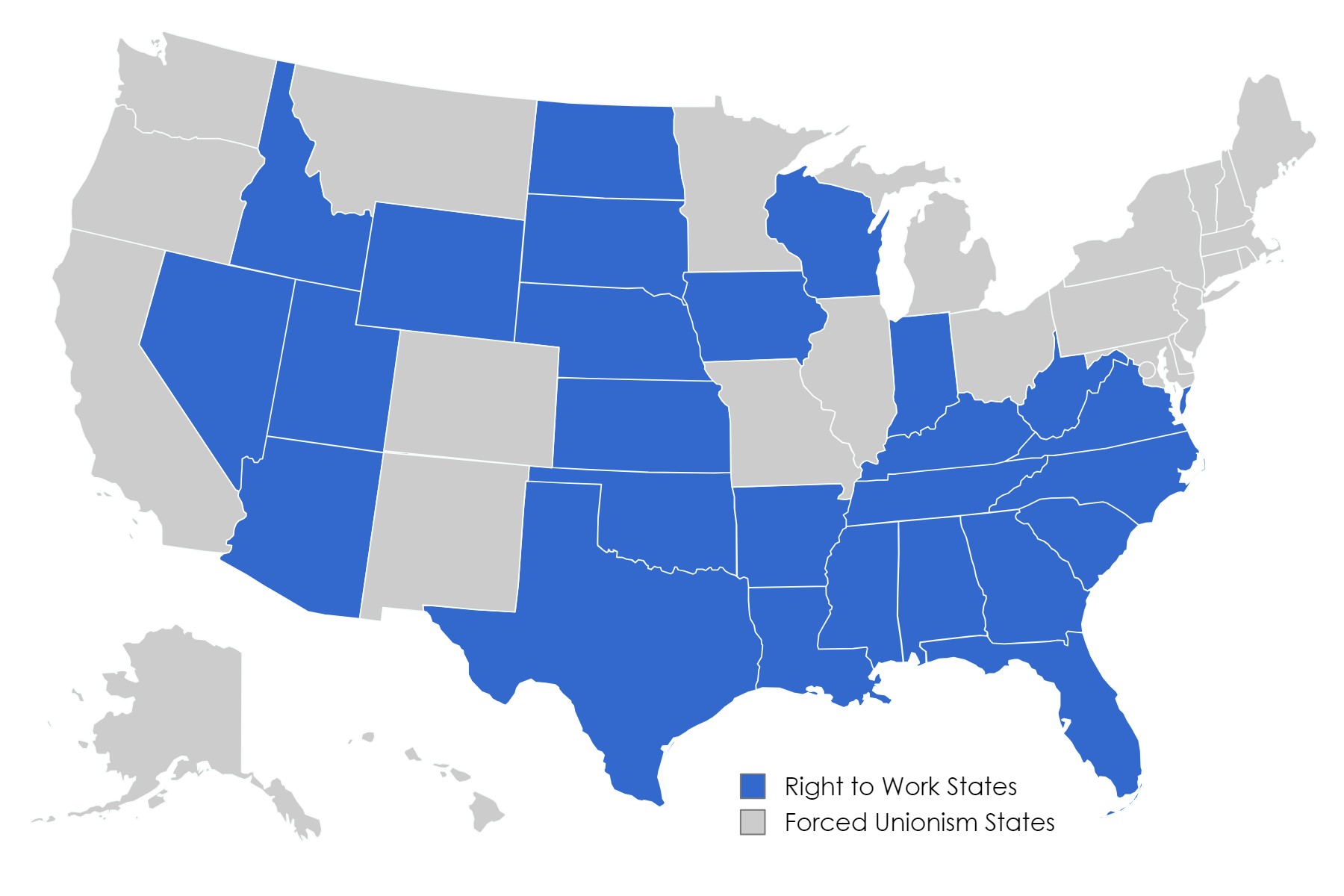
Florida, often lauded as the “Sunshine State,” beckons millions with its pristine beaches, vibrant theme parks, and laid-back lifestyle. From the dazzling nightlife of Miami to the family-friendly thrills of Orlando, the state offers an unparalleled travel experience. But beyond the sun-drenched shores and the allure of world-class resorts, lies a fundamental aspect of its economic and social landscape that might surprise visitors and prospective residents alike: Florida’s status as a “Right to Work” state. Understanding what this designation means is crucial for anyone considering a longer stay, a business venture, or simply wanting a deeper insight into the fabric of this popular destination.

The term “Right to Work” is often a source of discussion and sometimes confusion. At its core, it refers to laws that prohibit agreements requiring employees to join a union or pay union dues as a condition of employment. In essence, it asserts an individual’s right to work without being compelled to associate with a labor organization. Florida enacted its Right to Work law in 1943, making it one of the earlier states to adopt such legislation. This has had a profound impact on the state’s labor relations, business environment, and overall economic development, shaping the way businesses operate and employees navigate their careers.
This article aims to demystify Florida’s Right to Work status. We will explore its historical context, the practical implications for both employers and employees, and how this policy contributes to the state’s unique appeal as a destination for tourism, relocation, and investment. Whether you’re planning a luxurious resort stay in the Florida Keys or considering opening a new business in Tampa, understanding this legal framework offers a valuable perspective on the Sunshine State.
Understanding Right To Work Laws in Florida
The concept of “Right to Work” is intrinsically linked to labor unions and the collective bargaining process. In states that are not Right to Work, employers and unions can negotiate contracts that mandate union membership or fee payments for employees in covered positions. This means that even if an employee chooses not to join the union, they may still be required to pay fees to the union to cover the costs of collective bargaining and contract administration that benefits all employees in the bargaining unit.
Florida’s Right to Work law fundamentally alters this dynamic. It ensures that an individual cannot be forced to join a union or pay dues to a union as a condition of obtaining or retaining employment. This means that even if a union successfully negotiates a collective bargaining agreement on behalf of a group of employees, individual workers within that group have the freedom to opt out of union membership and dues payment without facing repercussions in their employment.
Historical Context and Legal Foundation
Florida’s journey to becoming a Right to Work state began with the passage of its law in 1943. This legislation was part of a broader national movement, with many states adopting similar laws in the mid-20th century, often in response to concerns about the growing power of labor unions and a desire to attract businesses by offering a more flexible labor environment. The Florida Right to Work law is codified in Section 447.11 of the Florida Statutes. It explicitly states that no person shall be required to join or not join a labor union, or to pay any fees or assessments to a labor union, as a condition of employment.
The legal foundation for these laws is often rooted in the idea of individual liberty and freedom of association. Proponents argue that forcing someone to financially support an organization they do not wish to join infringes upon their personal freedoms. Conversely, opponents often highlight that the benefits of union representation—such as improved wages, benefits, and working conditions—are extended to all employees within a bargaining unit, regardless of their membership status. They argue that not requiring dues from non-members creates a “free rider” problem, where individuals benefit from collective action without contributing to its costs.
The debate surrounding Right to Work laws is complex and involves various economic and social considerations. While Florida has maintained its Right to Work status for decades, the discussions around labor rights and unionization continue to evolve, influencing public policy and the everyday lives of its residents and visitors.
Implications for Employees and Employers in Florida

The presence of a Right to Work law in Florida has tangible effects on both those who work in the state and those who employ them. These implications span from day-to-day work experiences to broader economic strategies.
For Employees: Freedom of Association and Financial Choices
For employees in Florida, the Right to Work law translates into significant freedom regarding their affiliation with labor unions. Here are some key implications:
- No Mandatory Union Membership: You cannot be terminated or denied employment because you refuse to join a labor union. If a union represents your workplace, you have the choice to become a member or not.
- No Mandatory Dues or Fees: Even if a union represents your colleagues and has negotiated a collective bargaining agreement that benefits you, you cannot be compelled to pay union dues or fees if you are not a union member. This is a cornerstone of the Right to Work principle.
- Individual Negotiation Power: While unions are still a significant force in many industries, the Right to Work law empowers individuals to negotiate terms of employment more directly or to rely solely on their own skills and merit without the obligation of union affiliation.
- Potential for Varied Benefits: While unions often secure standardized benefits for all in a bargaining unit, in some Right to Work environments, individual employees might negotiate different terms, or the benefits secured by the union may not be universally applied or as robust as in non-Right to Work states.
This freedom of choice is a significant aspect of the lifestyle and career opportunities available in Florida, appealing to a diverse workforce that values individual autonomy.
For Employers: Business Climate and Labor Relations
Florida’s Right to Work status is often cited as a key factor in its attractiveness as a business destination. The implications for employers are substantial:
- Reduced Union Influence: Employers in Right to Work states generally face less pressure to recognize unions or negotiate mandatory union membership clauses. This can lead to a more direct relationship between management and employees.
- Increased Flexibility in Hiring and Management: The absence of mandatory union membership can offer employers greater flexibility in hiring, firing, and managing their workforce, as they are not bound by union contract provisions that might restrict these actions.
- Lower Labor Costs (Potentially): While not a guaranteed outcome, the ability for employees to opt out of union dues can, in some cases, lead to lower overall labor costs for businesses, particularly those in industries where unionization is prevalent.
- Attraction for Businesses: Many businesses, especially those seeking to avoid or minimize union presence, find Right to Work states like Florida to be highly desirable locations for expansion or relocation. This contributes to job creation and economic growth.
- Focus on Direct Employee Engagement: Employers in Florida may find it more beneficial to focus on direct employee engagement strategies, fostering positive workplace cultures, and offering competitive compensation and benefits independently of union influence.
The business environment in Florida, bolstered by its Right to Work law, continues to attract diverse industries, from technology and aerospace to hospitality and healthcare, contributing to its dynamic economic landscape. This openness also fuels the vibrant tourism sector, with numerous hotels and resorts continually seeking to provide excellent service and experiences.
Florida: A Destination Shaped by Its Labor Laws
Florida’s identity as a Right to Work state is more than just a legal designation; it’s a characteristic that influences its economic vitality, its appeal to businesses, and the daily lives of its residents. When travelers explore the diverse attractions, from the theme parks of Walt Disney World to the historic charm of St. Augustine, they are experiencing a state shaped by a particular approach to labor relations.
The ease with which businesses can establish operations and the flexibility afforded to employers in managing their workforce are often credited with fostering job growth and economic diversification. This, in turn, supports the robust tourism industry, ensuring that a wide array of hotels, from budget-friendly apartments to luxurious villas, and a plethora of dining and entertainment options are available to cater to millions of visitors each year.
Understanding Florida’s Right to Work status provides a deeper appreciation for the state’s unique blend of leisure and commerce. It highlights how legal frameworks can shape economic landscapes and influence the overall lifestyle offered to both its inhabitants and its many guests. Whether you are planning a family trip to the Everglades or a business stay in Jacksonville, recognizing this aspect of Florida’s governance adds another layer to your understanding of this dynamic and beloved state.
LifeOutOfTheBox is a participant in the Amazon Services LLC Associates Program, an affiliate advertising program designed to provide a means for sites to earn advertising fees by advertising and linking to Amazon.com. Amazon, the Amazon logo, AmazonSupply, and the AmazonSupply logo are trademarks of Amazon.com, Inc. or its affiliates. As an Amazon Associate we earn affiliate commissions from qualifying purchases.