
Florida, the Sunshine State, evokes images of pristine beaches, endless sunshine, and a vibrant, carefree lifestyle. For decades, it has been a magnet for retirees, families, and young professionals seeking a slice of paradise. Its allure is undeniable, from the vibrant urban centers to the tranquil coastal towns, offering a diverse array of living experiences. However, as its popularity has surged, so too have questions about the financial implications of calling Florida home. Is this dream destination truly becoming the most expensive state to live in? This question requires a nuanced exploration, delving into the various components that shape the cost of living and the broader lifestyle considerations for its residents. While perceptions often lag behind reality, a closer look reveals that Florida’s economic landscape has shifted dramatically, presenting both unique advantages and significant financial challenges for those choosing to embrace its coveted lifestyle.
The Sunshine State’s Enduring Allure and Economic Realities
The charm of Florida is deeply ingrained in the American consciousness. It’s a state synonymous with warmth, recreation, and a perceived lower cost of living, especially for those escaping colder climates or higher tax burdens. Yet, these perceptions are constantly being reshaped by economic forces, population growth, and evolving market dynamics. Understanding the true cost of living here means balancing its undeniable attractions against the very real financial figures.
The Magnetism of Florida Living
What draws so many to the Sunshine State? The answers are varied but consistently revolve around lifestyle. The pleasant climate year-round allows for an outdoor-centric way of life, from relaxing on world-famous beaches like Miami Beach and Clearwater Beach to enjoying myriad water sports and natural parks. Florida boasts no state income tax, an appealing factor for many looking to maximize their earnings or retirement income. This tax advantage, combined with a diverse economy, has attracted businesses and individuals alike, contributing to rapid population growth. For retirees, the state offers a robust infrastructure of healthcare, leisure activities, and communities designed for a comfortable post-career existence. Families are drawn by the array of world-class attractions like Walt Disney World in Orlando and a generally appealing environment for raising children, while young professionals find opportunities in booming tech, finance, and tourism sectors in cities like Miami and Tampa. These elements collectively paint a picture of an idyllic lifestyle that many aspire to achieve.
Dispelling Myths: Beyond Just Tourism
While Florida is undeniably a global tourism hub, the economics of visiting for a week or two are vastly different from the economics of permanent residency. Tourists might find budget-friendly hotels or splurge on luxury resorts, but their expenses are typically limited to accommodation, entertainment, and dining out. For residents, the cost structure is far more complex. The myth that Florida is inherently “cheap” stems from a time when housing was more affordable and infrastructure less strained. Today, the very popularity that drives its tourism success also fuels its rising cost of living. The continuous influx of new residents, both domestic and international, puts immense pressure on housing supply, public services, and overall market prices. This distinction is crucial: a vacation budget does not translate into a sustainable living budget, especially in the state’s most sought-after regions. What was once considered an affordable haven has, in many areas, transformed into a competitive and increasingly expensive market.
Deconstructing the Cost of Living: Key Lifestyle Components
To truly assess whether Florida is among the most expensive states, it’s essential to break down the primary components of its cost of living. These factors collectively determine the financial viability of a lifestyle choice and can vary dramatically depending on the specific location within the state.
Housing: The Primary Driver
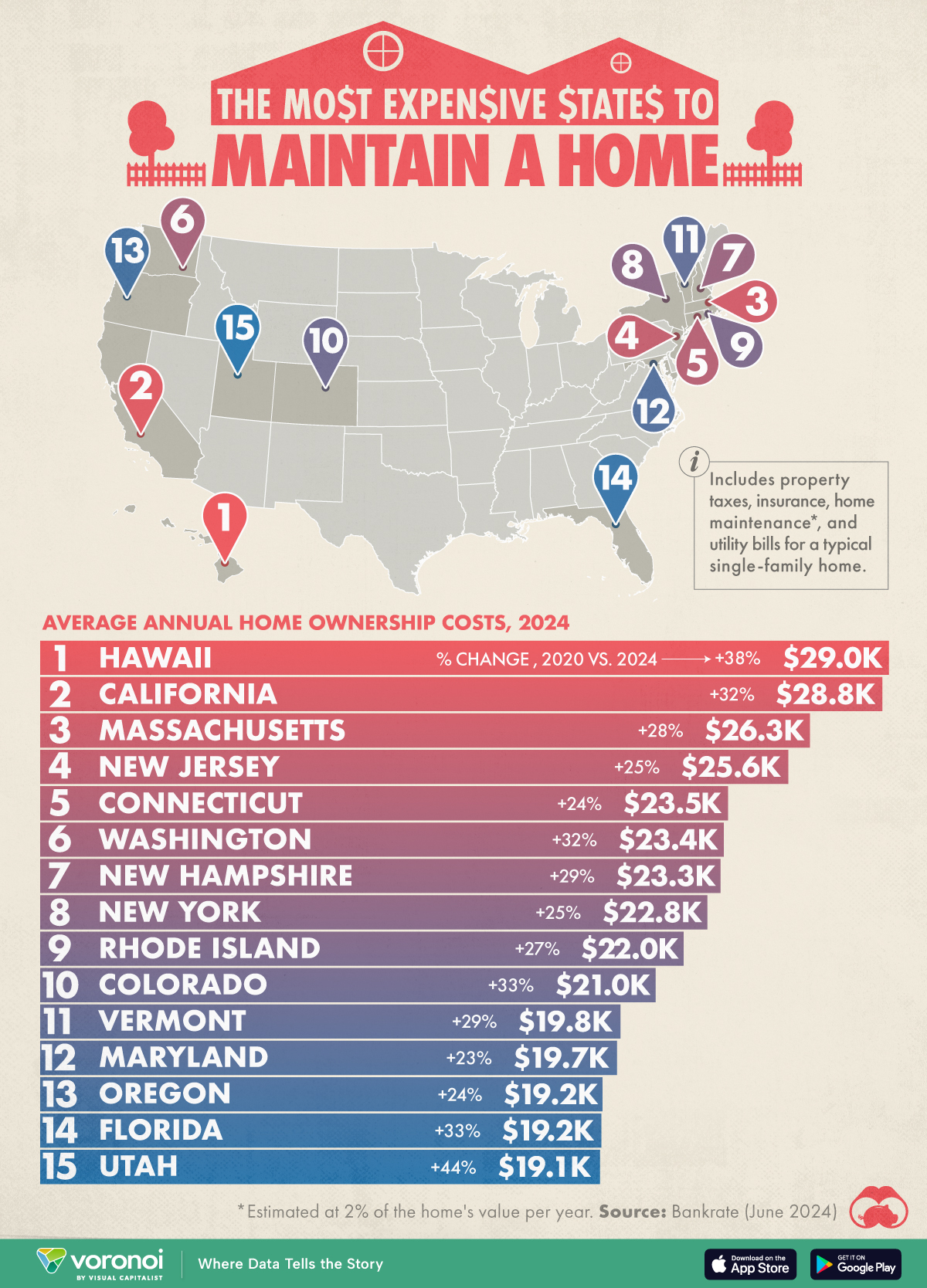
Without a doubt, housing costs are the single largest contributor to the rising expense of living in Florida. The state has experienced an unprecedented surge in both home prices and rental rates over the past few years, outpacing national averages. Metropolitan areas like Miami, Orlando, and Tampa have seen property values skyrocket, making homeownership a distant dream for many middle-income families and even challenging for those with higher incomes. The demand is fueled by several factors: continued migration, limited available land in desirable coastal areas, and an influx of investment properties.
For those considering a move, the choice between renting and buying, and the specific location, will dictate a significant portion of their budget. A typical three-bedroom home in South Florida can cost significantly more than a similar property in North Florida or the Panhandle. Renters face fierce competition and soaring monthly payments, making it difficult to save for a down payment. This housing crisis affects all demographics, from young professionals starting their careers to long-term residents contemplating retirement, forcing difficult choices about where and how they can afford to live. The idyllic vision of a beachfront home or a spacious suburban dwelling is increasingly accompanied by a hefty price tag that strains even robust budgets.
Insurance: A Significant Financial Burden
Beyond the sticker price of a home, the cost of insurance in Florida is a substantial and often overlooked financial burden that significantly impacts lifestyle budgets. Homeowner’s insurance, in particular, has seen astronomical increases due to the heightened risk of hurricanes and severe weather events. Many insurers have pulled out of the state or drastically raised premiums, leaving residents with fewer options and higher costs. This isn’t just a concern for coastal properties; the entire state is susceptible to wind and flood damage, making robust coverage essential but incredibly expensive.
Furthermore, auto insurance rates in Florida are among the highest in the nation. Factors contributing to this include dense traffic, a high number of uninsured drivers, and the prevalence of fraud. These elevated insurance costs are not luxuries; they are mandatory expenses that eat into disposable income, affecting the overall quality of life and the ability to allocate funds towards other lifestyle preferences suchances. For residents, this means less money for leisure activities, savings, or other discretionary spending, altering the perceived value of living in a state with no income tax.
Utilities and Transportation
The subtropical climate of Florida, while a major draw, also contributes to higher utility bills. Air conditioning is a necessity for much of the year, leading to substantial electricity consumption, especially during the long, hot summers. Water usage, though often less impactful than electricity, can also add up, particularly in areas with strict watering restrictions or higher demand. While heating costs are minimal, the year-round cooling demand means residents consistently face significant energy expenses.
Regarding transportation, Florida is largely a car-dependent state. While major cities like Miami have burgeoning public transportation systems, personal vehicles remain essential for most residents to commute, run errands, and access amenities. This reliance on cars translates into significant ongoing costs: fuel prices, vehicle maintenance, and the aforementioned high auto insurance premiums. The sprawling nature of many Florida communities means longer commutes are common, further increasing fuel consumption and wear and tear on vehicles. These daily necessities might seem minor individually but collectively add a substantial amount to a household’s monthly expenses.
Groceries and Everyday Expenses
While perhaps not as dramatic as housing or insurance, the cost of groceries and everyday consumer goods in Florida also contributes to its overall expense. While prices can vary by region and proximity to major distribution centers, anecdotal evidence and consumer price indices suggest that everyday essentials are often on par with, or slightly above, national averages. The state’s 6% sales tax (which can be higher with local surtaxes) further inflates the cost of most purchases, from clothing to household items. While there are no state income taxes, this sales tax applies broadly, meaning nearly every transaction incurs an additional charge. This steady accumulation of costs for basic necessities makes managing a household budget in Florida increasingly challenging, impacting the perceived affordability of the coveted lifestyle.
Lifestyle Choices: Where Value Meets Desirability
The question of Florida’s expensiveness is not uniform across the state. Lifestyle choices play a critical role, determining whether an individual or family finds the cost of living manageable or prohibitive. The diversity of Florida’s geography and urban development creates a spectrum of financial realities.
Urban vs. Suburban vs. Rural Living
The cost of living in Florida is highly dependent on location. Urban centers like Miami, with its glitzy nightlife, booming finance sector, and luxury real estate, represent the pinnacle of expensive Florida living. Here, high-end lifestyles come with correspondingly high costs for housing, dining, and entertainment. Similarly, desirable areas in Orlando and Tampa also command premium prices, driven by job markets and amenities.
Moving to the suburbs often offers a slight reprieve, providing more space and sometimes lower housing costs, but still within proximity to urban opportunities. However, even popular suburban communities have seen significant price hikes due to demand. Rural areas in North Florida or the central interior generally present the most affordable options. Here, land is cheaper, property taxes lower, and the pace of life slower. However, these areas typically come with trade-offs: fewer job opportunities, less access to specialized healthcare, and longer travel times to major cultural or entertainment venues. The decision between bustling city life, family-friendly suburbs, or quiet rural charm is not just about preference; it’s a profound financial calculation impacting every aspect of one’s lifestyle budget.
Retirement and Relocation Considerations
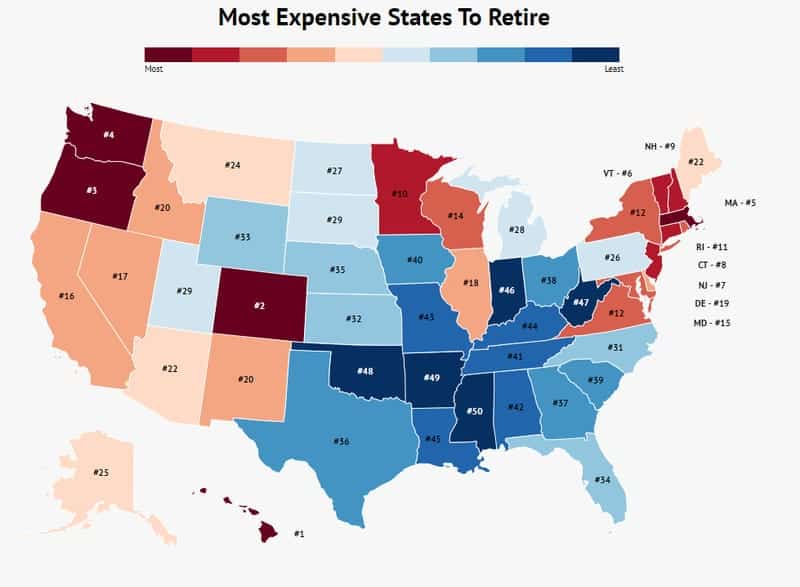
For retirees, Florida has long been a haven. The absence of state income tax is a significant draw, especially for those relying on pensions, Social Security, and investment income. However, high property taxes and the escalating cost of homeowner’s insurance can quickly erode these tax savings. Healthcare costs, while varying by individual plans and needs, remain a crucial lifestyle consideration for an aging population. Many retirees find that while the climate and amenities are ideal, the overall cost of maintaining their desired lifestyle, particularly with housing and insurance, is higher than anticipated.
For young families and professionals, relocation to Florida involves different calculations. While job markets in certain sectors are robust, median incomes in Florida do not always keep pace with the rapidly increasing cost of living, particularly in the most desirable areas. School quality, childcare costs, and the availability of affordable family-friendly activities also become critical factors. A lifestyle that seemed achievable on paper might require significant financial adjustments in reality, especially for those moving from states with higher average wages.
The Role of Income and Budgeting
Ultimately, whether Florida feels “expensive” is inextricably linked to an individual’s income and financial planning. While the state boasts no income tax, the relatively lower median household income compared to states like California or New York means that residents often have less disposable income to absorb the rising costs of housing, insurance, and utilities. Effective budgeting, understanding regional cost disparities, and securing a competitive income are paramount for anyone considering a move or already residing in Florida. A luxurious Miami lifestyle is accessible to those with higher incomes, but for many, achieving a comfortable middle-class existence requires careful financial navigation and perhaps a willingness to compromise on location or amenities.
The Nuance of “Expensive”: Beyond Raw Numbers
While raw numbers might paint a picture of Florida as increasingly expensive, it’s crucial to consider the qualitative aspects that contribute to its value proposition. “Expensive” is a subjective term, often balanced against the intangible benefits and unique lifestyle offerings that might justify a higher financial outlay for some.
Quality of Life and Intangible Benefits
The true cost of living in Florida cannot be measured solely in dollars and cents. The state offers an unparalleled quality of life for many. The abundant sunshine and warm weather facilitate an active, outdoor lifestyle year-round, from boating and fishing in the Florida Keys to hiking and wildlife viewing in Everglades National Park. Access to world-class beaches, diverse natural landscapes, and vibrant cultural scenes in cities like Miami, Orlando, and Tampa adds immense value. For those prioritizing leisure, natural beauty, and a perpetual vacation-like ambiance, these intangibles can offset the higher monetary costs. The sense of community, the melting pot of cultures, and the wide array of entertainment options contribute to a lifestyle that many find deeply fulfilling, making the financial trade-offs worthwhile.
Comparison with Other States
When asking if Florida is the “most expensive,” context is key. While its costs have surged, it rarely tops lists alongside states like California, Hawaii, or New York for overall expense. However, Florida has undeniably moved out of the “cheap” category and is now firmly positioned as a moderately expensive state, with certain regions rivaling the costs found in other high-cost-of-living areas. For individuals migrating from these traditionally expensive states, Florida may still represent a relative bargain, particularly when considering the absence of state income tax. But for those coming from states with lower costs of living, Florida’s current prices can be a shock. The state’s unique blend of tax advantages and high insurance/housing costs creates a distinct financial profile that positions it somewhere in the middle-to-upper tier of U.S. states in terms of overall expense, depending heavily on individual lifestyle choices and location within the state.
Conclusion: A Balanced Perspective on Florida’s Lifestyle Cost
In conclusion, the question of whether Florida is the most expensive state to live in yields a complex answer. While it doesn’t generally claim the top spot for overall cost, it is undeniably an increasingly expensive place to call home, particularly in its most desirable urban and coastal areas. The dream of an affordable Florida lifestyle has, for many, given way to the reality of soaring housing costs, crippling insurance premiums, and a general upward trend in everyday expenses. The state’s continued popularity, driven by its tax advantages and unparalleled quality of life, has created a demand that far outstrips supply, especially in the housing market.
However, “expensive” is a relative term, and Florida’s unique blend of no state income tax, abundant sunshine, and diverse lifestyle opportunities continues to draw millions. For those who prioritize these intangible benefits and are prepared for the financial realities, Florida still offers immense value. The key lies in careful financial planning, making informed choices about where to live within the state, and understanding that the trade-offs between cost and the coveted Florida lifestyle are more significant than ever before. It may not be the cheapest, but for many, the quality of life it affords makes it worth every penny.
LifeOutOfTheBox is a participant in the Amazon Services LLC Associates Program, an affiliate advertising program designed to provide a means for sites to earn advertising fees by advertising and linking to Amazon.com. Amazon, the Amazon logo, AmazonSupply, and the AmazonSupply logo are trademarks of Amazon.com, Inc. or its affiliates. As an Amazon Associate we earn affiliate commissions from qualifying purchases.