
Florida, often dubbed the Sunshine State, is a premier global destination renowned for its stunning beaches, vibrant cities, world-class theme parks, and unique natural landscapes. Millions of visitors flock here annually, drawn by the promise of sun-drenched adventures, luxurious resorts, and diverse cultural experiences. However, like any region, Florida occasionally faces challenges that necessitate official responses, including the declaration of a state of emergency. For travelers planning a trip, understanding what a state of emergency entails, why it might be declared, and its potential impact on travel and tourism is paramount.
A state of emergency is a formal declaration by a government — in this case, the Governor of Florida — indicating that a critical situation has arisen that poses a significant threat to public safety, health, property, or welfare. Such a declaration grants state agencies and local governments extraordinary powers and resources to respond effectively to the crisis. While it might sound alarming, these declarations are often proactive measures designed to mobilize resources, streamline response efforts, and ensure the safety of both residents and visitors. The primary goal is to protect lives and facilitate recovery, not necessarily to halt all activities.
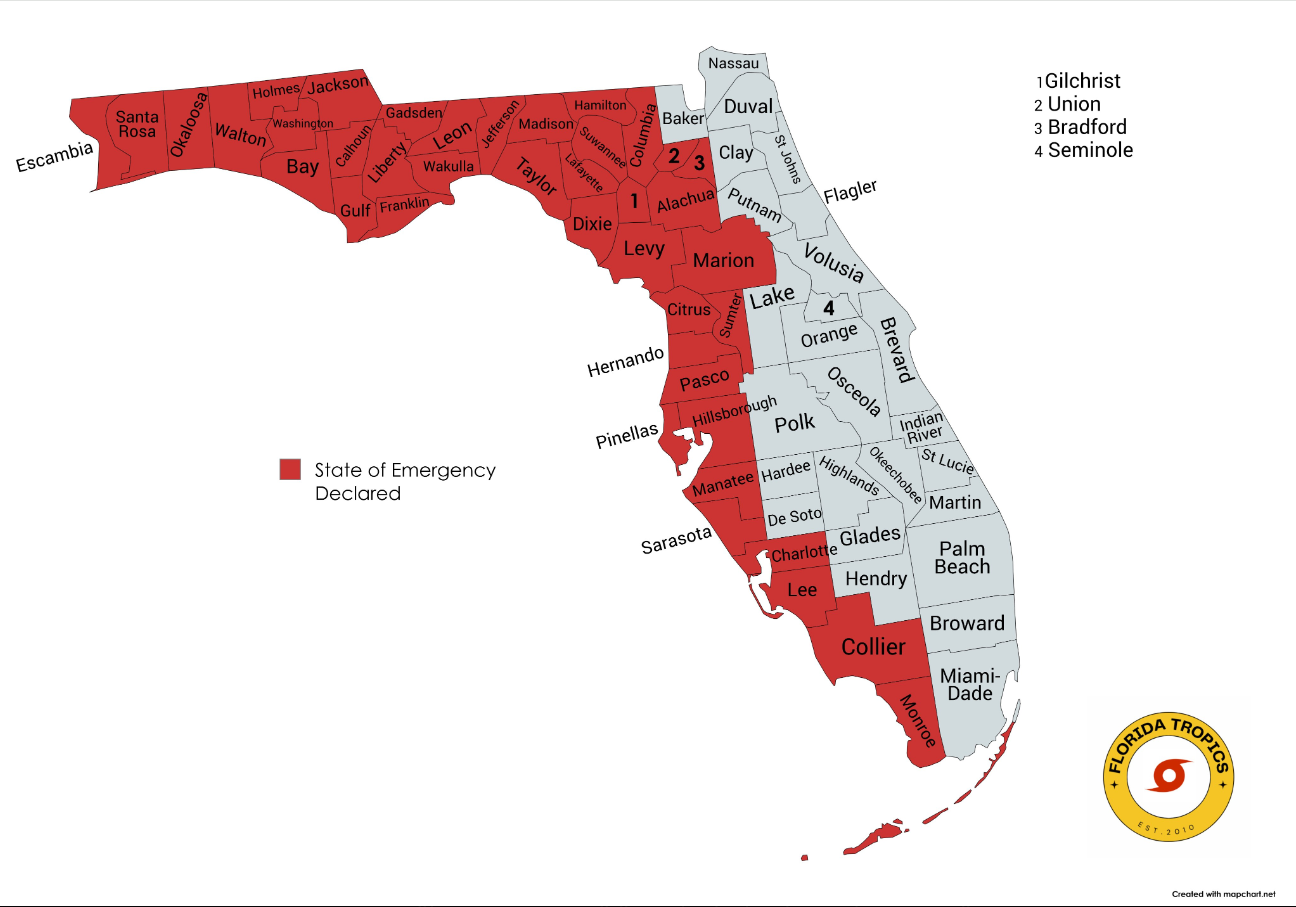
For those considering Florida for their next vacation, business trip, or long-term stay, the question “Is Florida under a state of emergency?” is a critical one. The answer is rarely static. Florida’s dynamic environment means that such declarations can occur due to various factors, most commonly natural disasters, but also public health crises or other unforeseen events. Staying informed through official channels is the best way to navigate travel plans when such declarations are in effect.
Understanding State of Emergency Declarations in Florida
A state of emergency declaration is a powerful tool at the governor’s disposal, designed to cut through bureaucratic red tape and allocate resources swiftly. When declared, it can activate emergency plans, grant access to state and federal aid, and allow for special measures such as evacuations, curfews, or prohibitions against price gouging for essential goods and services. For travelers, this means a shift in operations for everything from transportation to accommodation and attractions.
The reasons for declaring a state of emergency in Florida are diverse, but certain scenarios are more common than others:
Natural Disasters: Hurricanes, Tropical Storms, and Flooding
Florida’s geographic location makes it particularly susceptible to tropical weather systems. Hurricane season, which typically runs from June 1st to November 30th, is a period when the state is on high alert. Governors often issue emergency declarations preemptively when a hurricane or tropical storm is forecast to impact the state. These declarations enable the rapid deployment of emergency personnel, facilitate evacuations of coastal areas, and ensure supplies are available.
- Hurricanes and Tropical Storms: These powerful weather events can bring devastating winds, torrential rain, and storm surge. Warnings from the National Hurricane Center (NHC) are closely monitored, and declarations often precede the storm’s landfall, giving residents and visitors time to prepare or evacuate. Areas like the Florida Keys, Gulf Coast, and Atlantic Coast are particularly vulnerable.
- Flooding: Beyond coastal surge, heavy rainfall can lead to widespread inland flooding, impacting roads, infrastructure, and urban areas. Even without a direct hurricane hit, sustained downpours can trigger local emergency declarations.
- Wildfires: While less frequent than tropical systems, periods of drought can lead to significant wildfires, particularly in central and northern Florida. These can prompt emergency declarations to manage resources for firefighting and protect communities.
Public Health Crises: Pandemics and Outbreaks
The past few years have highlighted the profound impact of public health emergencies on global travel and tourism. The COVID-19 pandemic, for instance, led to widespread emergency declarations across the United States, including Florida. These declarations enable authorities to implement measures such as mask mandates, social distancing guidelines, capacity limits for businesses, and vaccine distribution efforts.
- Disease Outbreaks: Beyond global pandemics, localized outbreaks of infectious diseases can also trigger emergency responses. The Florida Department of Health works closely with the CDC to monitor and respond to such threats.
- Resource Allocation: During health crises, emergency declarations help prioritize medical supplies, personnel, and hospital beds, ensuring that healthcare systems are not overwhelmed.
Other Emergency Scenarios
While less common, other situations can also lead to a state of emergency:
- Civil Unrest: Significant public disturbances or protests that threaten public safety and order can prompt declarations, enabling law enforcement to maintain peace.
- Energy Shortages: Disruptions to critical infrastructure, such as widespread power outages or fuel shortages, can also be grounds for an emergency declaration to ensure essential services continue.
- Environmental Disasters: Events like major oil spills or significant industrial accidents can necessitate emergency declarations to manage cleanup efforts and mitigate environmental damage.
In essence, a state of emergency is a flexible tool that allows Florida to respond decisively to a range of serious threats, always with the underlying goal of protecting its people and assets, including its vital tourism industry.
Impact on Travel, Tourism, and Accommodation
When a state of emergency is declared in Florida, the immediate implications for travelers can vary widely depending on the nature and scope of the emergency. However, certain aspects of travel, tourism, and accommodation are almost always affected.
Transportation and Accessibility
One of the first areas to feel the impact is transportation. During weather-related emergencies, airports like those in Orlando, Miami, and Tampa may experience significant delays, cancellations, or even temporary closures. Road closures are common, especially in coastal or low-lying areas, and bridges to barrier islands or the Florida Keys may be shut down for safety. Public transportation, including local buses and commuter trains, can also be suspended. For travelers, this means potential disruption to arrival and departure plans, and the need to monitor local news and transportation authority updates closely.
Hotels, Resorts, and Other Accommodation
The accommodation sector is particularly sensitive to emergency declarations.
- Cancellations and Rebookings: Many hotels and resorts in affected areas may offer flexible cancellation policies or allow guests to rebook without penalty. It’s crucial for travelers to review their booking terms and contact their specific hotel or rental agency immediately if an emergency is declared for their travel dates.
- Shelter Operations: In severe weather events, some hotels may be designated as shelters, or their operations may shift to accommodate first responders and essential personnel. This can limit availability for regular guests.
- Amenities and Services: Even if open, hotels might operate with reduced services. Pools, restaurants, or spas might be closed, and power outages could impact comfort and connectivity.
- Long-term Stays: For those on extended stays or looking for temporary relocation, emergency situations can complicate matters, requiring contingency plans for alternative accommodation or early departure.
Tourist Attractions and Experiences
Florida’s renowned attractions are often at the forefront of emergency response planning. Theme parks such as Walt Disney World Resort and Universal Orlando Resort have extensive protocols for visitor safety, including planned closures when severe weather threatens. Similarly, museums, landmarks, and natural parks like Everglades National Park may close to the public to prevent injuries and allow for damage assessment or recovery. Beach access can be restricted, and water-based activities might be suspended. For travelers, this means potential disappointment if planned experiences are unavailable, underscoring the need for flexible itineraries.
Local Economy and Lifestyle
The overall economy of affected areas can also experience a downturn during emergencies, particularly if tourism is a primary driver. Local businesses, from restaurants in Miami’s South Beach to boutiques in Key West, may close temporarily. This can impact the local culture and atmosphere visitors come to enjoy. Post-emergency, communities often require time and resources for recovery, and supporting local businesses responsibly can be a part of a thoughtful tourism approach.
Navigating Travel During Emergency Situations
Traveling during a declared state of emergency requires heightened awareness, flexibility, and proactive planning. Here’s how to ensure a safer and smoother experience:
Stay Informed Through Official Channels
The most crucial step is to gather information from credible sources.
- Florida Division of Emergency Management: This is the primary state agency responsible for coordinating emergency responses. Their website provides real-time updates, alerts, and resources.
- National Weather Service / National Hurricane Center: Essential for weather-related emergencies.
- Local Authorities: City and county emergency management offices, local news outlets, and official social media accounts provide granular information specific to your destination within Florida, whether it’s Orlando, Tampa, Fort Lauderdale, Sarasota, or Naples.
- Airline and Accommodation Providers: Directly contact your airline, hotel, or cruise line for updates on your specific bookings.
Review Travel Insurance Policies
Travel insurance can be an invaluable asset during emergencies. Policies often cover cancellations, interruptions, or delays due to declared natural disasters or unforeseen events. It’s imperative to:
- Understand Coverage: Know what your policy covers and, more importantly, what it doesn’t. Some policies exclude events that were foreseeable or already declared at the time of purchase.
- Document Everything: Keep records of all communications, expenses, and official declarations if you need to file a claim.
- Consider “Cancel for Any Reason” (CFAR) policies: While more expensive, these offer the broadest protection and can be useful for peace of mind, especially during volatile periods like hurricane season.
Have a Contingency Plan
Flexibility is key.
- Alternative Routes and Destinations: If your initial destination is affected, have a backup plan. Perhaps another part of Florida is unaffected, or you might consider delaying your trip entirely.
- Emergency Kit: If you decide to travel or are already in the state, keep an emergency kit in your vehicle or accommodation with essentials like water, non-perishable food, medications, a first-aid kit, and a battery-powered radio or portable charger.
- Communication Plan: Ensure family and friends know your itinerary and how to reach you.
Prioritize Safety Over Plans
No vacation or business meeting is worth risking your safety. If evacuation orders are issued for your area, comply immediately. If you are advised to shelter in place, follow instructions from local authorities. Florida’s emergency services, often supported by federal agencies like FEMA, are highly trained to manage these situations. Trust their guidance.
Planning Your Florida Adventure: What to Know
Despite the occasional need for emergency declarations, Florida remains an incredibly popular and rewarding destination. With proper planning and an understanding of the state’s unique characteristics, visitors can enjoy all it has to offer.
Best Time to Visit and Weather Considerations
- Peak Season (Winter/Spring): November to May generally offers pleasant weather, lower humidity, and less risk of tropical storms, making it ideal for visiting theme parks in Orlando or enjoying the beaches of St. Pete Beach and Clearwater Beach.
- Off-Season (Summer/Fall): June to October is hotter and more humid, coinciding with hurricane season. While this period often sees fewer crowds and better deals on hotels and flights, travelers must be extra vigilant about weather forecasts and have robust travel insurance.
Iconic Destinations and Experiences
Florida caters to every lifestyle, from luxury travel to budget-friendly family trips.
- Theme Parks: Walt Disney World Resort, Universal Orlando Resort, Busch Gardens Tampa Bay, and Legoland Florida Resort offer unparalleled entertainment.
- Beaches: From the lively shores of Miami Beach to the serene beauty of Amelia Island, Florida’s coastline is legendary.
- Nature and Wildlife: Explore the unique ecosystems of Everglades National Park, kayak through mangrove tunnels, or observe manatees in their natural habitat.
- History and Culture: Wander the historic streets of St. Augustine, the oldest continuously inhabited European-established settlement in North America. Visit the Kennedy Space Center Visitor Complex for a dose of space exploration history.
- Food and Drink: Indulge in fresh seafood, Latin-inspired cuisine in Miami, and vibrant culinary scenes across the state.
Responsible Tourism Practices
Even outside of emergencies, practicing responsible tourism is crucial.
- Respect Local Regulations: Adhere to all local laws and guidelines, especially concerning environmental protection in sensitive areas like the Florida Keys or the Everglades.
- Support Local Businesses: Choose locally owned restaurants, shops, and tour operators to help sustain the community.
- Leave No Trace: Protect Florida’s natural beauty by disposing of waste properly and minimizing your environmental footprint.
In conclusion, while the prospect of a state of emergency might raise concerns for travelers, it’s a testament to Florida’s commitment to safety and preparedness. By staying informed, being flexible, and planning ahead, visitors can still enjoy the countless wonders this diverse state has to offer, confident in the knowledge that robust systems are in place to address challenges when they arise. Florida remains an enchanting destination, always ready to welcome guests to its sunny shores.
LifeOutOfTheBox is a participant in the Amazon Services LLC Associates Program, an affiliate advertising program designed to provide a means for sites to earn advertising fees by advertising and linking to Amazon.com. Amazon, the Amazon logo, AmazonSupply, and the AmazonSupply logo are trademarks of Amazon.com, Inc. or its affiliates. As an Amazon Associate we earn affiliate commissions from qualifying purchases.