
The geographical identity of Florida can sometimes be a point of confusion for those planning a visit to the Sunshine State. While much of its international renown stems from the theme parks of Central Florida or the vibrant nightlife of its Atlantic coast cities, the resounding answer to “Is Florida West Coast?” is a definitive yes. Florida boasts a sprawling western coastline, distinct in character and appeal, fronting the warm, emerald waters of the Gulf of Mexico. This guide delves into the unique allure, destinations, and experiences that define Florida’s western edge, offering an insightful look for any traveler considering this captivating region.

Defining Florida’s Coasts: A Geographical Clarity
Understanding Florida’s geography is crucial to appreciating its diverse travel opportunities. The state is unique in that it offers distinct coastal experiences on two major bodies of water.
The Gulf Coast vs. The Atlantic Seaboard
Florida’s East Coast borders the Atlantic Ocean, known for its powerful waves, often darker sands, and bustling cities like Miami, Fort Lauderdale, and Jacksonville. This side of the state is characterized by vibrant urban centers, a strong emphasis on international culture, and a faster-paced lifestyle. Popular activities include surfing, deep-sea fishing, and enjoying the lively arts and entertainment scenes.
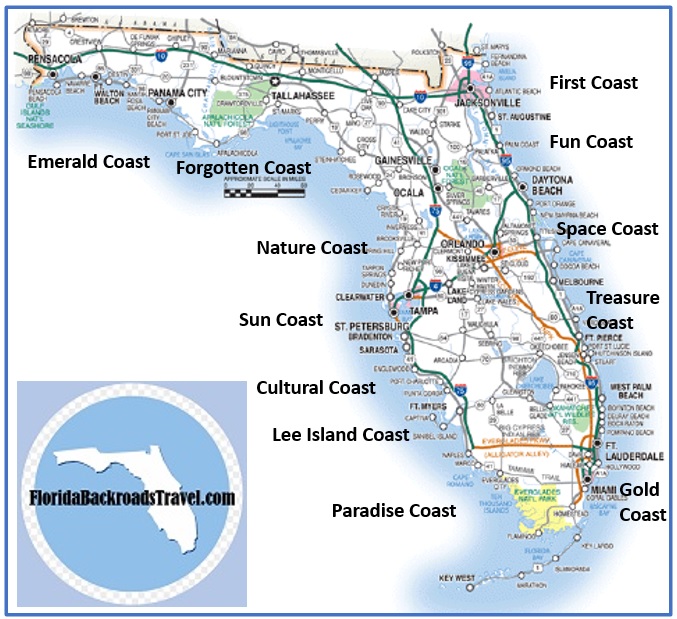
In stark contrast, Florida’s West Coast unfurls along the Gulf of Mexico. This side is celebrated for its calmer, often shallower waters, incredibly soft, sugar-white sand beaches, and breathtaking sunsets. The pace of life here is generally more relaxed, focusing on natural beauty, outdoor recreation, and a laid-back coastal charm. From the urban bustle of Tampa Bay down to the sophisticated enclaves of Naples, and further west into the Panhandle, the west coast offers a distinct array of travel experiences.
Key Geographical Features
The Gulf Coast of Florida stretches for hundreds of miles, encompassing a variety of landscapes. From the barrier islands that protect the mainland to expansive estuaries and intricate mangrove forests, the geography is dynamic. The warm currents of the Gulf of Mexico contribute to a unique marine ecosystem, making it a haven for diverse wildlife, including dolphins, manatees, and countless bird species. The shallow, clear waters are ideal for swimming, snorkeling, and paddleboarding, while the low-lying coastal plains give way to stunning, wide beaches that consistently rank among the best in the United States.
Iconic Destinations of Florida’s West Coast
The western coast of Florida is dotted with an impressive collection of cities and towns, each offering its own flavor of Gulf Coast living.
Tampa Bay Area: Urban Vibrancy and Coastal Charm
The Tampa Bay region, comprising Tampa, St. Petersburg, and Clearwater, serves as the metropolitan heart of Florida’s west coast. Tampa itself is a dynamic city with a rich history, evident in the historic brick streets of Ybor City, its thriving culinary scene, and attractions like Busch Gardens Tampa Bay. Across the bay, St. Petersburg offers a more arts-centric atmosphere, home to the renowned Dali Museum and a vibrant downtown waterfront. Just a short drive away, Clearwater Beach consistently ranks among the nation’s top beaches, famed for its powdery white sands and family-friendly atmosphere. This area strikes a perfect balance between urban excitement and quintessential beach life.
Sarasota and Bradenton: Arts, Beaches, and Natural Beauty
Further south, the cities of Sarasota and Bradenton offer a sophisticated yet relaxed experience. Sarasota is a cultural mecca, anchored by the magnificent Ringling Museum of Art and its extensive collection of Baroque art, along with the impressive Ca’ d’Zan mansion. Its barrier islands, including the world-famous Siesta Key with its quartz-sand beaches, are postcard-perfect. Bradenton, just north, provides a charming riverfront downtown, historic sites, and access to tranquil beaches like those on Anna Maria Island. This region appeals to those seeking a blend of cultural enrichment, pristine beaches, and natural exploration.
Fort Myers and Naples: Southwest Florida’s Sophistication
Continuing down the coast into Southwest Florida, Fort Myers serves as a gateway to stunning barrier islands like Sanibel Island and Captiva Island, world-renowned for their shelling opportunities and tranquil ambiance. Fort Myers itself blends history with modern amenities, notably the winter estates of Thomas Edison and Henry Ford. Just south, Naples epitomizes luxury and refinement. With its upscale shopping districts, championship golf courses, and exquisite dining, Naples offers a high-end travel experience amidst breathtaking natural surroundings. The area also borders the Everglades National Park, providing unique opportunities for wildlife viewing and eco-tourism.
The Panhandle: A Different Kind of Gulf Coast

While geographically part of Florida’s west coast, the Panhandle offers a distinct regional identity, often referred to as “Northwest Florida” or “The Forgotten Coast.” Cities like Pensacola, Destin, and Panama City Beach boast equally stunning white-sand beaches and emerald waters, but with a cultural influence that leans more towards the Deep South. This area is popular for family vacations, fishing, and watersports, with a relaxed, small-town feel in many communities, though destinations like Destin and Panama City Beach also attract a lively crowd. The Panhandle provides a slightly different take on the Gulf Coast experience, often with a more budget-friendly appeal.
Unforgettable Experiences: What to Do on Florida’s West Coast
Beyond specific cities, the Florida West Coast offers a spectrum of activities catering to every type of traveler.
Beach Bliss and Water Sports
The primary draw of the west coast is, undoubtedly, its beaches. From the soft sands of Siesta Key to the shelling paradise of Sanibel Island and the lively shores of Clearwater Beach, visitors can relax, sunbathe, or indulge in a variety of water sports. Paddleboarding, kayaking through mangrove tunnels, jet-skiing, parasailing, and boat tours are readily available. The calm, warm waters of the Gulf of Mexico are also ideal for swimming, making it perfect for families with young children. Chartering a fishing boat for a deep-sea adventure or simply casting a line from a pier are popular pastimes.
Wildlife Encounters and Nature Preserves
The west coast is a haven for nature lovers. Many state parks and wildlife refuges preserve the natural beauty and host diverse ecosystems. Manatee sightings are common in warm water sanctuaries, particularly in the cooler months, and dolphin cruises are a popular way to observe these intelligent creatures in their natural habitat. Birdwatching is exceptional, especially in migratory seasons. Kayaking or canoeing through the brackish waters of coastal estuaries offers an intimate encounter with the region’s flora and fauna, including alligators in more inland freshwater areas and countless species of wading birds. The proximity to the Everglades National Park from the southwest tip of Florida’s west coast further amplifies opportunities for incredible wildlife adventures.
Cultural Immersion and Historical Exploration
The west coast isn’t just about beaches and wildlife; it also offers a rich tapestry of history and culture. Explore the sponge docks of Tarpon Springs, a historic Greek community, or delve into the Cuban heritage of Tampa’s Ybor City, a National Historic Landmark District. St. Petersburg’s art scene, with its world-class museums and vibrant street art, provides intellectual stimulation. Historical sites detailing Florida’s early settlements and industries are scattered throughout the region, offering a glimpse into the state’s past.
Culinary Delights and Local Flavors
Florida’s west coast boasts a fantastic culinary scene, with an emphasis on fresh seafood. Grouper, snapper, shrimp, and stone crabs (in season) are staples. Local eateries, from casual beachfront shacks to upscale fine dining establishments, serve up delicious dishes reflecting the diverse influences on Florida’s culture. Don’t miss trying a traditional Cuban sandwich in Tampa or indulging in a fresh seafood boil in the Panhandle. Craft breweries and distilleries have also emerged, adding to the local flavor profile.
Planning Your West Coast Florida Getaway
To make the most of your travel experience on Florida’s west coast, consider these practical tips.
Best Time to Visit
The peak season for Florida’s west coast is generally from late fall through spring (November to May), when the weather is comfortably warm, less humid, and rainfall is minimal. This period is ideal for beach activities, outdoor adventures, and avoiding the heat of summer. Summer months (June to September) are hot and humid, with a higher chance of afternoon thunderstorms and the potential for hurricanes. However, summer can offer lower accommodation rates and fewer crowds, making it a viable option for budget-conscious travelers or those who prefer fewer people.
Transportation and Accessibility
Major airports serving the west coast include Tampa International Airport (TPA), Sarasota-Bradenton International Airport (SRQ), and Southwest Florida International Airport (RSW) near Fort Myers. For the Panhandle, airports like Pensacola International Airport (PNS) and Northwest Florida Beaches International Airport (ECP) are key. Renting a car is highly recommended for exploring the west coast, as public transportation options are limited outside of major city centers, and it offers the flexibility to discover hidden gems and picturesque coastal drives.
In conclusion, Florida is unequivocally a state with a magnificent west coast, distinct from its eastern counterpart. It’s a region rich in natural beauty, cultural heritage, and diverse attractions, offering a more tranquil and laid-back travel experience. For those seeking pristine beaches, stunning sunsets, abundant wildlife, and a blend of relaxed charm with sophisticated offerings, Florida’s west coast is an ideal destination.
LifeOutOfTheBox is a participant in the Amazon Services LLC Associates Program, an affiliate advertising program designed to provide a means for sites to earn advertising fees by advertising and linking to Amazon.com. Amazon, the Amazon logo, AmazonSupply, and the AmazonSupply logo are trademarks of Amazon.com, Inc. or its affiliates. As an Amazon Associate we earn affiliate commissions from qualifying purchases.