
Flushing, a vibrant and densely populated neighborhood in the borough of Queens, New York City, is a fascinating microcosm of global cultures and a bustling hub of commerce. As with any major urban area, discussions surrounding safety are natural and important for potential visitors and residents alike. This article aims to provide an insightful and comprehensive overview of safety in Flushing, moving beyond anecdotal evidence to offer a balanced perspective. We will delve into the statistical realities, the community’s proactive measures, and practical advice for navigating this dynamic part of New York.
Understanding Urban Safety: A Nuanced Perspective
When assessing the safety of any urban neighborhood, it’s crucial to adopt a nuanced approach. Headlines can often paint a broad stroke, but the reality on the ground is far more complex. Safety is not a static attribute but a fluid concept influenced by a multitude of factors, including socioeconomic conditions, community engagement, law enforcement presence, and the specific times and locations within a neighborhood.
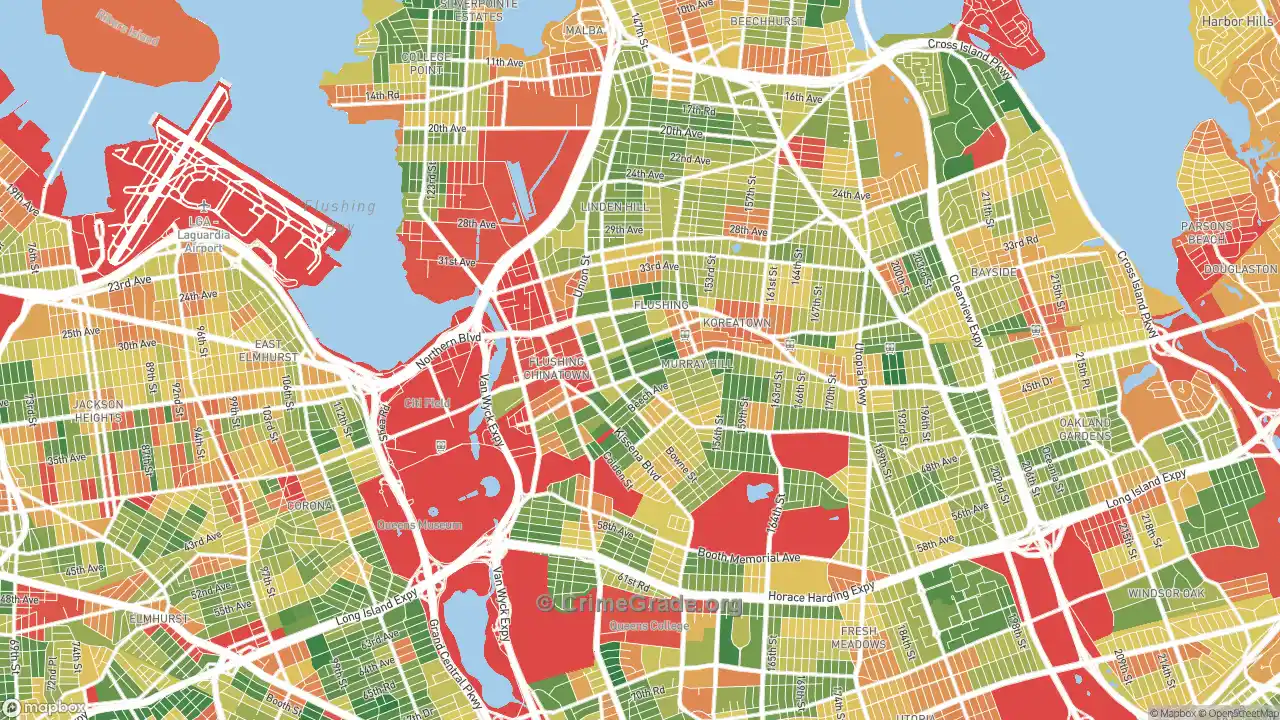
Crime Statistics and Perception vs. Reality
Crime statistics provide a quantitative measure, but they are only one piece of the puzzle. It is important to examine these statistics in context, comparing them to city-wide averages, borough averages, and national trends. For Flushing, like many urban centers, certain types of crime may be more prevalent than others. Property crimes, for instance, can be a concern in any busy commercial district, while violent crime rates are often subject to fluctuations and specific localized hotspots.
However, the perception of safety can differ significantly from the statistical reality. Media coverage, personal anecdotes, and the general atmosphere of a place can all contribute to how safe an area feels. Flushing, with its diverse population and high foot traffic, especially around its bustling commercial corridors, can sometimes present a perception of being chaotic or overwhelming, which may be misinterpreted as unsafe.
Factors Influencing Safety in Urban Environments
Several interconnected factors contribute to the overall safety of an urban neighborhood like Flushing:
- Law Enforcement Presence: The visibility and effectiveness of police patrols play a significant role in deterring crime and responding to incidents. The New York City Police Department (NYPD) maintains a presence in Flushing, with precincts responsible for ensuring public safety.
- Community Engagement: A strong sense of community can be a powerful force in maintaining safety. When residents are engaged, look out for one another, and collaborate with local authorities, it can foster a more secure environment. Flushing’s close-knit immigrant communities often exhibit this characteristic.
- Socioeconomic Factors: Poverty, unemployment, and lack of opportunity can sometimes correlate with higher crime rates. Understanding these underlying socioeconomic dynamics is essential for a complete picture of safety.
- Urban Design and Infrastructure: Well-lit streets, maintained public spaces, and accessible public transportation can all contribute to a feeling of safety and can act as deterrents to crime.
Navigating Flushing: Practical Safety Tips
While Flushing is generally considered a safe neighborhood, especially when compared to the broader context of a major metropolis like New York City, taking common-sense precautions is always advisable. These tips are applicable not only to Flushing but to any urban environment one might explore.
Awareness and Vigilance
The most fundamental aspect of urban safety is to remain aware of your surroundings. This means:
- Being Present: Minimize distractions from your phone or personal devices, especially when walking through crowded areas or at night.
- Observing Your Environment: Pay attention to who is around you and any unusual activities. Trust your instincts; if a situation feels uncomfortable, it’s often best to remove yourself from it.
- Securing Valuables: Keep your belongings, such as wallets, purses, and mobile phones, secure and out of plain sight. Use bags that can be worn across your body or have secure closures.
Transportation Safety
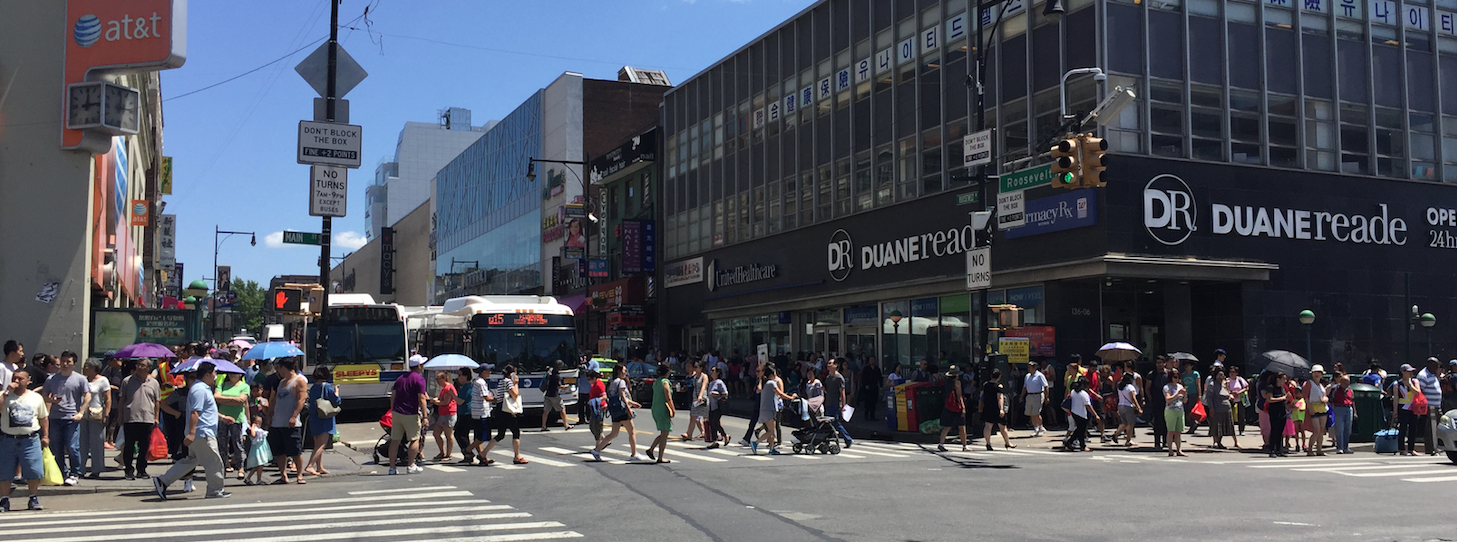
Flushing is a major transportation hub, with extensive subway and bus lines serving the area. This accessibility is a significant advantage, but it also requires mindful travel.
- Public Transportation: When using the MTA subway system, especially during off-peak hours, it’s wise to stand in well-lit, populated areas of the platform. Be mindful of your belongings while boarding and disembarking trains. The 7 train is a primary artery serving Flushing, connecting it to other parts of Manhattan.
- Taxis and Ride-Sharing: If using taxis or ride-sharing services, ensure you are getting into a legitimate vehicle and confirm the driver and destination.
- Walking: When walking, particularly at night, stick to well-lit and populated streets. Avoid shortcuts through poorly lit alleys or deserted areas.
Respecting Local Norms
Flushing is renowned for its vibrant cultural landscape, with large communities of Chinese and Korean immigrants, among others. Understanding and respecting local customs and norms can enhance your experience and contribute to a harmonious interaction.
- Crowded Markets and Streets: Areas like Main Street can be exceptionally busy. While the energy is part of the charm, navigate these areas with patience and awareness.
- Language: While English is widely spoken, you will hear many other languages. A friendly demeanor and willingness to point or use basic communication can go a long way.
- Cultural Sensitivity: Be mindful of local customs and traditions, especially if visiting religious sites or during cultural events.
Flushing’s Thriving Community and Safety Initiatives
Beyond statistics and general advice, Flushing’s safety is also a product of its active community and ongoing efforts to enhance public well-being. The neighborhood’s diversity is not just a cultural asset but also a source of strength, with various community organizations working to support residents and address local concerns.
Community-Based Safety Programs
Many community groups and local businesses in Flushing are dedicated to improving the neighborhood. These initiatives often include:
- Neighborhood Watch Programs: Although not always formally advertised, the inherent sense of community in Flushing often functions like an informal neighborhood watch, where residents are attentive to their surroundings.
- Business Improvement Districts: These organizations work to enhance the commercial areas, which can include initiatives related to street cleanliness, public safety, and community events that foster a positive atmosphere.
- Support for Immigrant Communities: Organizations that assist new immigrants often play a crucial role in helping them navigate the urban environment, understand local laws, and access resources, which indirectly contributes to community safety.
The Role of Local Institutions
Institutions within Flushing also contribute to its safety:
- Schools and Libraries: These serve as important community anchors, providing safe spaces for young people and educational resources for all.
- Cultural Centers: They offer a sense of belonging and shared identity, which can strengthen community bonds and foster collective responsibility for the neighborhood’s well-being.

Conclusion: A Welcoming and Secure Urban Experience
In conclusion, Flushing, New York, offers a rich and rewarding experience for travelers and residents. While, like any urban area, it presents its own set of considerations, the overall safety of Flushing is comparable to many other bustling neighborhoods within New York City. By understanding the context of crime statistics, practicing common-sense precautions, and appreciating the vibrant community that calls Flushing home, visitors can feel confident and secure as they explore its dynamic streets, diverse culinary scene, and unique cultural tapestry. The key to a safe and enjoyable experience in Flushing, as in any major city, lies in awareness, respect, and engagement with the local environment.
LifeOutOfTheBox is a participant in the Amazon Services LLC Associates Program, an affiliate advertising program designed to provide a means for sites to earn advertising fees by advertising and linking to Amazon.com. Amazon, the Amazon logo, AmazonSupply, and the AmazonSupply logo are trademarks of Amazon.com, Inc. or its affiliates. As an Amazon Associate we earn affiliate commissions from qualifying purchases.