
Navigating the financial landscape of any travel destination is a crucial part of planning an enjoyable and budget-conscious trip. For those drawn to the vibrant culinary scene of Florida, understanding how food is taxed is a key piece of information. This guide delves into the intricacies of Florida’s sales tax policies as they pertain to food and beverages, offering clarity for tourists and locals alike as they explore the Sunshine State’s diverse gastronomic offerings.
Understanding Florida’s Sales Tax on Food
At its core, Florida operates under a general sales tax system, but the application of this tax to food and beverages is nuanced. Unlike many states where groceries are largely exempt, Florida levies sales tax on most prepared foods and certain other food items. This distinction is vital for anyone looking to enjoy the state’s culinary delights, from a quick bite in Miami to a seafood feast in Key West.
The General Rule: Prepared Foods and Restaurant Meals
The primary principle governing sales tax on food in Florida is that prepared foods are generally taxable. This encompasses a broad category of items that are ready for immediate consumption.
- Restaurant Dining: When you dine in at a restaurant, order takeout from a restaurant, or purchase a meal from a food truck, the entire bill for the food and non-alcoholic beverages is typically subject to sales tax. This includes everything from a casual burger and fries to an elegant multi-course meal at a fine-dining establishment like Bern’s Steak House in Tampa.
- Convenience Stores and Delis: Items purchased from the hot food bar, pre-made sandwiches, or pastries from a convenience store or deli are also generally considered prepared foods and are therefore taxable.
- Catering Services: For events and gatherings, catering services will include sales tax on the food provided.
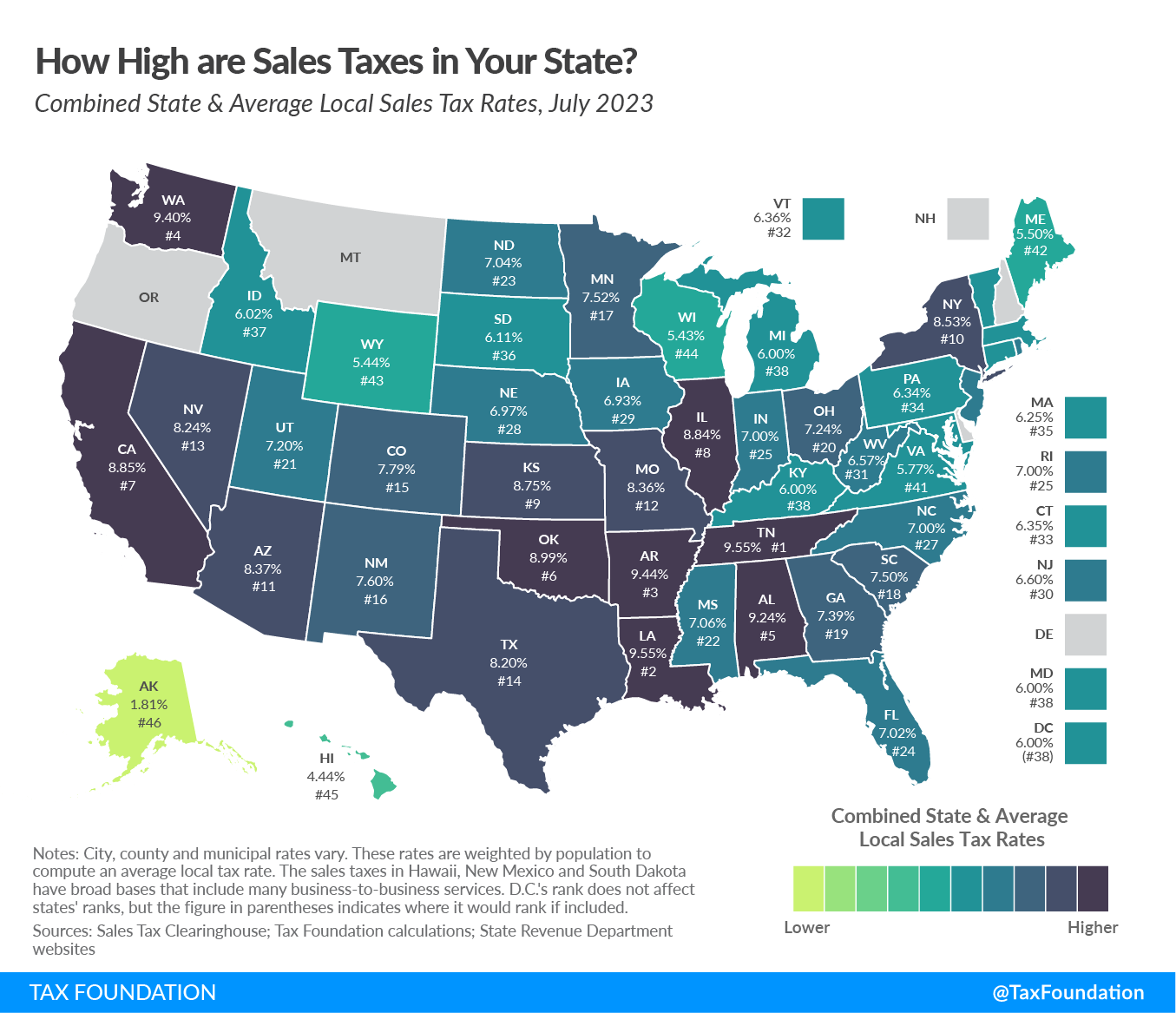
The state sales tax rate in Florida is 6%. However, counties can impose additional discretionary sales surtaxes, bringing the total combined rate to as high as 7.5% in some areas. It is important to check the specific rate for the county you are visiting, as this will affect the final cost of your food purchases. For example, a meal in Orlando might have a slightly different tax burden than the same meal in Jacksonville.
Exemptions: What Food is NOT Taxed?
While prepared foods are largely taxable, Florida does offer exemptions for certain food items, which can be a significant consideration for travelers looking to save on groceries or stock up for longer stays.
- Groceries for Home Consumption: Unprepared staple food items intended for consumption at home are generally exempt from sales tax. This includes items such as fresh fruits and vegetables, bread, milk, eggs, meats, poultry, fish, cereals, and canned goods. If you are staying in a vacation rental with a kitchen, purchasing these items can provide a cost-effective way to enjoy meals.
- Vending Machine Food: A specific exemption exists for food and beverages purchased from vending machines. This applies to items dispensed in individual portions for consumption off the vendor’s premises.
- Certain Baked Goods: While pastries and cakes sold in a bakery and intended for immediate consumption may be taxable, some baked goods, like a whole loaf of bread purchased for home consumption, can fall under the grocery exemption. The distinction often lies in how the item is sold and its intended use.
It is crucial to note that the exemption for groceries is intended for items purchased for consumption at home. If you purchase a sandwich from a grocery store’s deli counter, it will likely be taxed as a prepared food, even if other items in your basket are exempt.
Beverages: A Closer Look
The tax treatment of beverages in Florida follows similar principles to food, with some specific distinctions.
- Non-Alcoholic Beverages: Most non-alcoholic beverages sold in restaurants, cafes, and by caterers are considered part of the prepared food service and are therefore taxable. This includes sodas, juices, teas, and coffees.
- Water: Bottled water is generally considered a grocery item and is exempt from sales tax. However, a cup of water served at a restaurant, especially if it’s filtered or enhanced, might be viewed as part of the service and thus taxable.
- Alcoholic Beverages: Alcoholic beverages, whether purchased at a restaurant, bar, or liquor store, are subject to sales tax. In addition to the state sales tax, there are often excise taxes levied on alcohol, which are usually included in the final price you see.
Special Considerations for Travelers
For travelers, understanding these tax rules can impact how they approach dining and grocery shopping throughout their trip.
Dining Out and Food Trucks
When exploring Florida’s diverse culinary landscape, from the fresh seafood of St. Augustine to the Cuban influence of Tampa, expect most restaurant meals and food truck fare to include sales tax. This is a standard part of the cost of convenience and service. Keep an eye on your bill; the tax will be itemized separately.
Grocery Shopping for Self-Catering
If you are staying in an accommodation with a kitchen, such as a vacation rental in the Florida Keys or an extended-stay hotel, capitalizing on the grocery exemption can significantly reduce your food expenses. Purchasing raw ingredients from supermarkets allows you to prepare your own meals without incurring sales tax on those items. This is particularly beneficial for families or longer visits.
Theme Park Dining
When visiting Walt Disney World, Universal Orlando Resort, or other popular attractions, food and beverages purchased within the parks are subject to the standard sales tax rates applicable to prepared foods. This includes meals, snacks, and drinks.
Local Taxes and Discretionary Surtaxes
It is essential to remember that Florida has a state sales tax of 6%, but individual counties can add their own discretionary sales surtaxes. These surtaxes vary by county and can range from 0.5% to 1.5%, bringing the total combined sales tax rate to between 6.5% and 7.5%.
- County-Specific Rates: Travelers should be aware that the final price of taxable food items will be influenced by the specific county they are in. For instance, the tax rate in Miami-Dade County may differ from that in Pinellas County. Many county tax authorities provide online resources where you can look up the current sales tax rates.
- Impact on Budgeting: While the difference might seem small per transaction, over the course of a vacation, these local surtaxes can add up. Budgeting for this variation can prevent unwelcome surprises.

Planning Your Culinary Adventures in Florida
For the savvy traveler, understanding Florida’s food tax policies is a simple yet effective way to manage expenses. By distinguishing between prepared foods and groceries, and by being mindful of local tax rates, visitors can make informed decisions about where and how they dine. Whether you’re indulging in a fine dining experience in South Beach or enjoying a picnic with produce from a local farmer’s market, this knowledge will enhance your culinary journey through the diverse and delicious offerings of the Sunshine State. Remember to always check for the most current tax regulations, as these can be subject to change.
LifeOutOfTheBox is a participant in the Amazon Services LLC Associates Program, an affiliate advertising program designed to provide a means for sites to earn advertising fees by advertising and linking to Amazon.com. Amazon, the Amazon logo, AmazonSupply, and the AmazonSupply logo are trademarks of Amazon.com, Inc. or its affiliates. As an Amazon Associate we earn affiliate commissions from qualifying purchases.