
Understanding Florida’s Gambling Landscape for Tourists
For many visitors planning a trip to the Sunshine State, the array of activities available is a major draw, from pristine beaches to world-class theme parks. However, questions often arise about the legality of gambling, especially for those who enjoy a casino floor or a friendly wager. Navigating the legalities of gambling in Florida can seem complex, but understanding the specific regulations is key to an enjoyable and lawful tourism experience. Unlike some states with widespread commercial casinos, Florida maintains a more nuanced approach, balancing revenue generation with social considerations. This framework dictates what types of gambling are permitted, where they can be conducted, and under what conditions, directly impacting a tourist’s options for entertainment.
The Legal Framework: What Visitors Need to Know
Florida’s gambling laws are primarily governed by state statutes and the Florida Constitution. The core principle is that most forms of gambling are prohibited unless specifically authorized by law. This means that if an activity isn’t explicitly permitted, it’s likely illegal. The state has, however, made specific exceptions for certain types of gaming, primarily tribal casinos operating under compacts, pari-mutuel wagering facilities, and the state lottery. These regulations are designed to control and monitor gambling activities, ensuring they operate within a strict legal and ethical framework. For tourists, this translates into a clear distinction between legal, regulated venues and prohibited, often illicit, forms of gambling. Understanding this foundational principle is the first step in responsibly enjoying the gaming options Florida has to offer. Ignoring these laws, even unintentionally, can lead to serious legal consequences, making informed participation crucial for any visitor.
Historical Context of Gambling in the Sunshine State
The history of gambling in Florida is a fascinating journey marked by periods of prohibition, limited allowance, and gradual expansion. Pari-mutuel wagering, particularly horse and dog racing, gained popularity in the early 20th century, becoming one of the earliest forms of legalized gambling. For decades, these racetracks and jai alai frontons were the primary venues for legal betting. The 1980s saw the introduction of the Florida Lottery, a state-run enterprise designed to generate revenue for education, which quickly became a popular form of casual gambling.
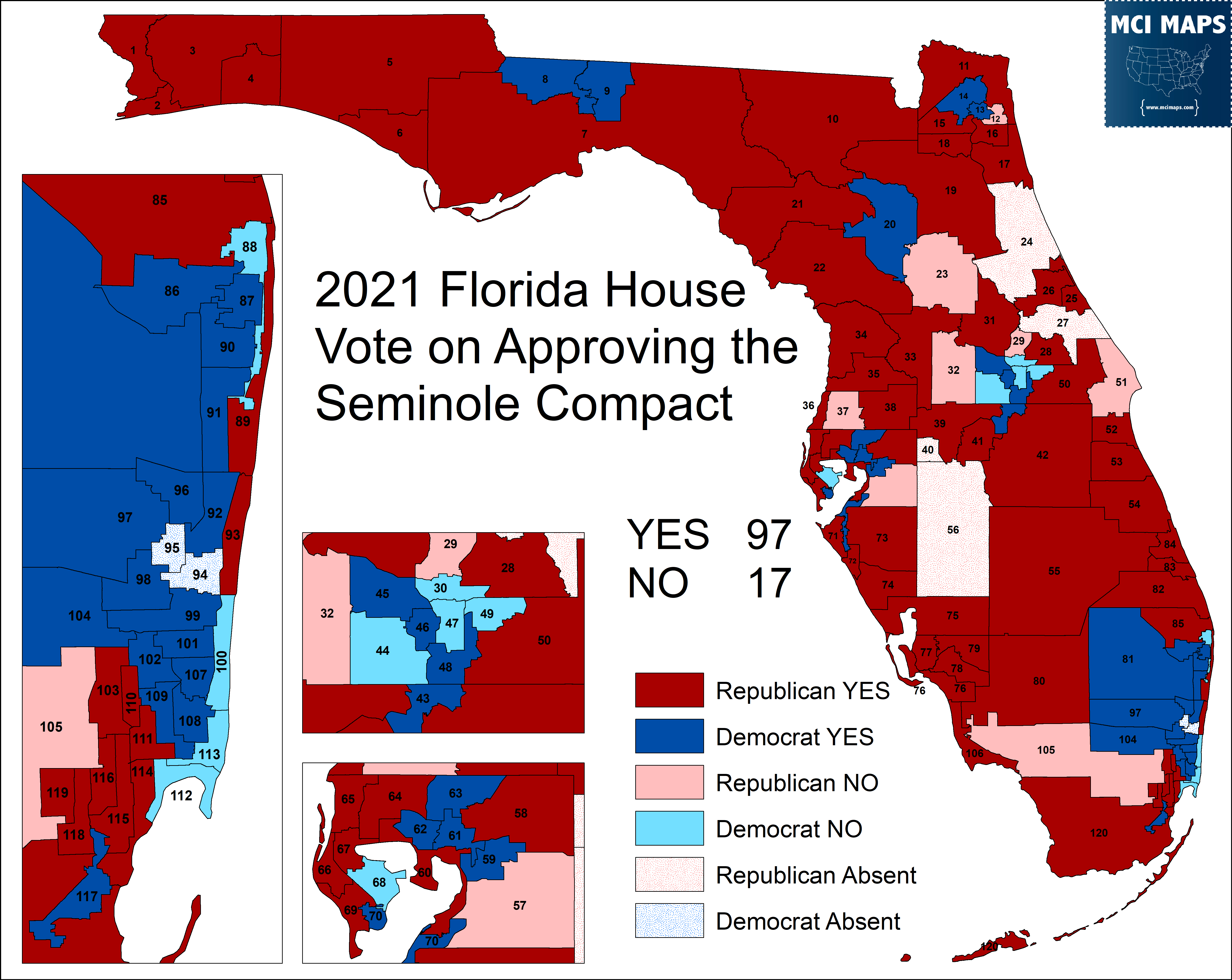
A significant shift occurred with the establishment of tribal casinos. The Seminole Tribe of Florida, exercising its sovereign rights, began operating gaming facilities, eventually leading to a compact with the state that allowed for Class III gaming (e.g., slot machines and table games) on tribal lands. This compact has been a point of ongoing negotiation and legal challenge but fundamentally shapes the casino landscape visitors see today. Over time, card rooms offering specific poker games also emerged at pari-mutuel facilities. This evolving legal and operational history has shaped the current environment, offering tourists a blend of traditional and modern gambling experiences, each with its own set of rules and locations. The steady, albeit cautious, expansion reflects both public interest and economic considerations, making Florida a unique destination for those seeking regulated gaming.
Permitted Gambling Activities and Where to Find Them
Despite the general prohibition against unauthorized gambling, Florida offers several distinct and legal avenues for visitors to engage in gaming. These activities are tightly regulated and found in specific, licensed venues, ensuring a secure and compliant environment for tourists. Understanding where these operations are located and what they offer is essential for anyone looking to add a gaming experience to their Florida itinerary. From high-stakes casino action to casual lottery play, the options cater to a range of preferences and budgets, all within the bounds of state law.
Casinos and Tribal Gaming in Florida
The most prominent and robust gambling options in Florida are the casinos operated by the Seminole Tribe of Florida. These facilities operate under a gaming compact with the state, allowing them to offer a full range of Class III casino games, including slot machines, blackjack, baccarat, and various poker games. The Seminole Hard Rock Hotel & Casino Hollywood and Seminole Hard Rock Hotel & Casino Tampa are particularly renowned, offering luxurious resorts, entertainment venues, and extensive gaming floors. Other Seminole properties can be found in Coconut Creek, Immokalee, Okeechobee, and near Hollywood, providing diverse options across the state. These tribal casinos are a significant draw for tourists, offering an experience comparable to major gaming destinations, complete with dining, shopping, and live performances. Visitors should be aware that while these casinos offer a comprehensive gaming experience, the specifics of their offerings are governed by the tribal-state compact, which can see changes over time.
Pari-Mutuel Wagering: Horse and Dog Racing
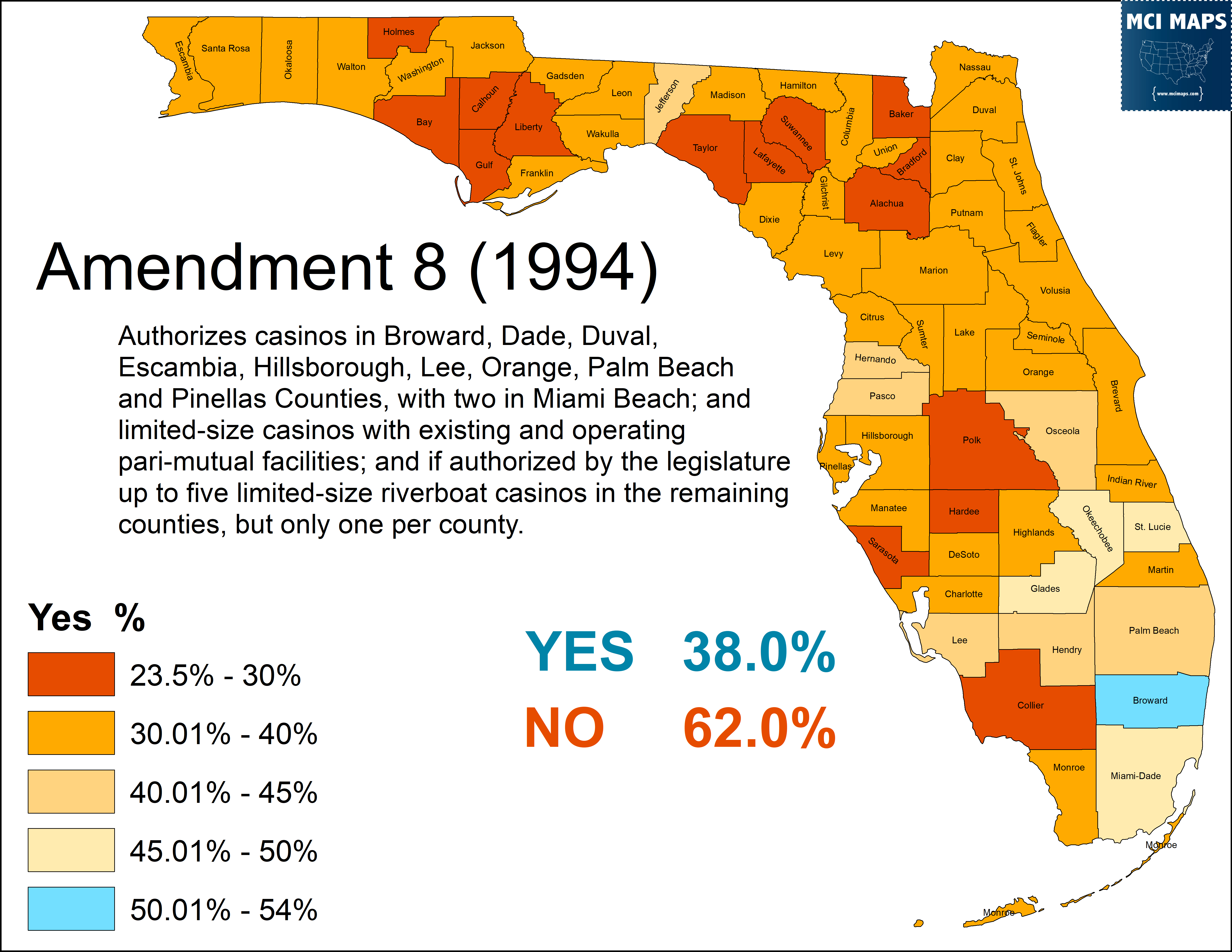
Pari-mutuel wagering represents Florida’s oldest form of legalized gambling and continues to be a popular attraction for many. This type of betting primarily involves horse racing, dog racing (though dog racing has been largely phased out due to a constitutional amendment), and jai alai. Venues like Gulfstream Park in Hallandale Beach and Tampa Bay Downs in Tampa offer live thoroughbred racing seasons, allowing spectators to place bets on their favorite horses. Many of these facilities, often referred to as racinos or frontons, also host card rooms where visitors can play poker and other authorized card games. Examples include the Isle Casino Pompano Park in Pompano Beach and The Big Easy Casino in Dania Beach, which combine racing entertainment with slot machines (as authorized by specific county referendums and the tribal compact, often limited to certain counties) and poker rooms. These venues provide a lively atmosphere, combining the thrill of live sports with the excitement of betting, offering a unique cultural and entertainment experience rooted in Florida’s history.
The Florida Lottery: A Statewide Pastime
The Florida Lottery, established in 1986, is a state-run lottery system that offers a variety of games, including scratch-offs, Lotto, Powerball, and Mega Millions. It is widely accessible, with tickets sold at convenience stores, gas stations, and supermarkets across the state. For tourists, participating in the Florida Lottery is a casual and low-stakes way to engage in legal gambling. Its primary purpose is to generate revenue to supplement public education, making it a socially accepted form of gaming. While it doesn’t offer the immersive experience of a casino, it provides an easy and widespread opportunity for a bit of gaming fun. Visitors often purchase tickets as souvenirs or simply for the chance to win, contributing to Florida’s educational initiatives in the process.
Cruise Ship Gambling: International Waters Exemption
An interesting legal loophole for gambling in Florida involves cruise ships. While docked in Florida ports like Miami, Fort Lauderdale, or Port Canaveral, gambling activities on board are typically prohibited. However, once a cruise ship enters international waters (generally three nautical miles offshore), it operates under the laws of its flag state, allowing casinos and other gaming activities to open legally. This provides a distinct gambling experience for tourists, particularly those embarking on short “cruises to nowhere” or longer voyages from Florida’s bustling ports. Companies like Victory Casino Cruises offer day trips specifically for this purpose, sailing out into international waters to enable casino play. This unique arrangement allows visitors to enjoy a full casino experience, complete with slot machines, table games, and entertainment, as part of their Florida vacation, provided they are willing to set sail.
Prohibited Gambling: What Tourists Should Avoid
While Florida offers several legal gambling options, it is equally important for tourists to be aware of what is strictly prohibited. Engaging in illegal gambling activities, even unknowingly, can lead to significant legal troubles, tarnishing an otherwise pleasant vacation. The state’s laws are clear on what constitutes unlawful gaming, and these prohibitions are rigorously enforced to maintain order and prevent criminal activity. Visitors must exercise caution and stick to regulated, licensed venues to ensure their safety and compliance with local laws.
Illegal Home Games and Unlicensed Operations
Any form of gambling that is not specifically authorized by Florida statute or tribal compact is considered illegal. This primarily includes unlicensed casinos, illegal sports betting operations, and unauthorized card games, whether they occur in private residences, backroom establishments, or impromptu public gatherings. While a friendly poker game among friends at home might seem harmless, if it involves a “house rake” or operates as a commercial venture without a license, it falls outside the legal framework. For tourists, the best advice is to strictly avoid any gambling opportunities that do not take place within a clearly recognized and regulated establishment, such as a tribal casino, a licensed pari-mutuel facility, or the official Florida Lottery outlets. Participating in an unlicensed operation, regardless of intent, can expose individuals to legal penalties, including fines and potential arrest, underscoring the importance of vigilance.
The Risks of Online Gambling Within Florida’s Borders
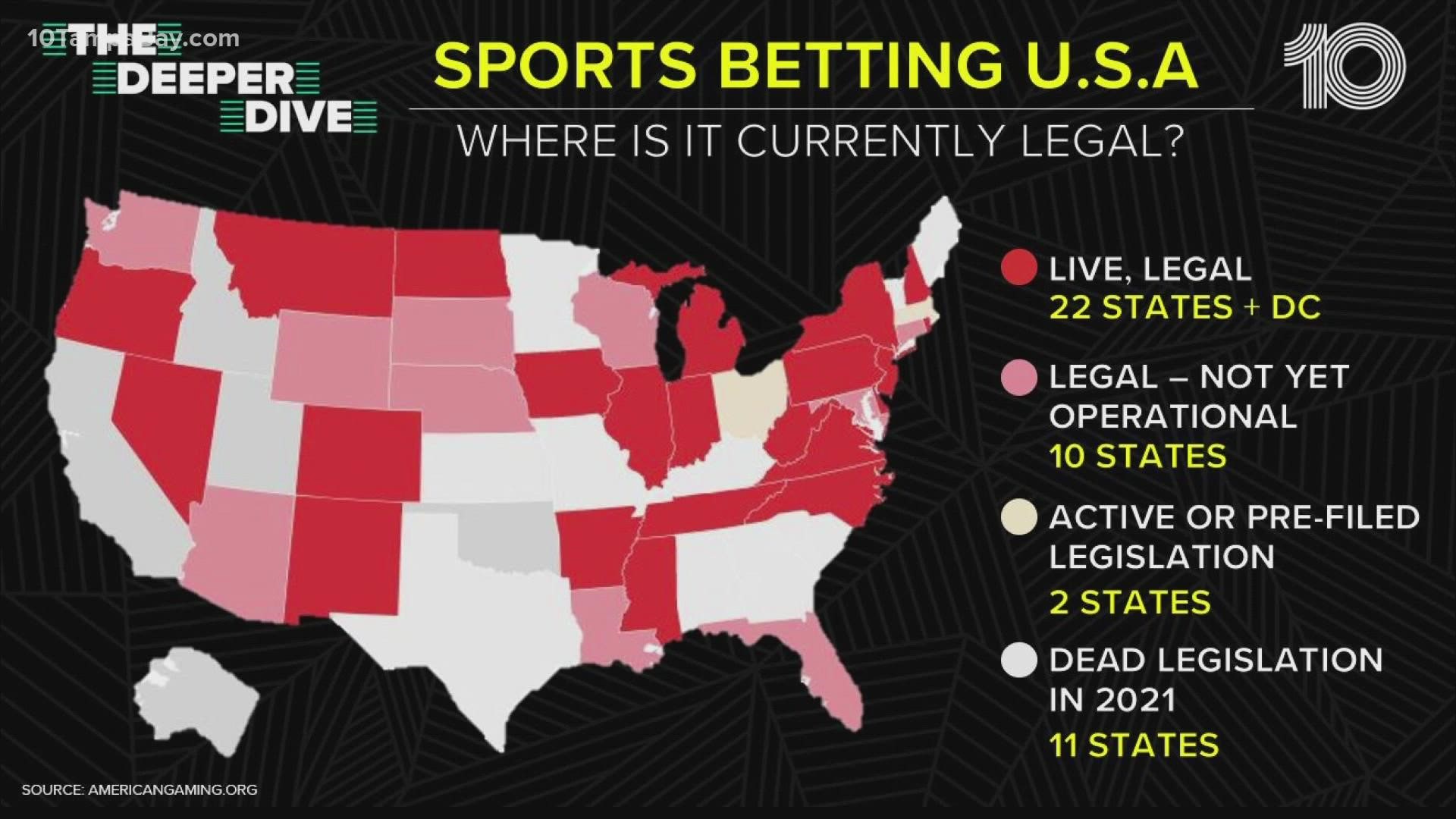
The legality of online gambling in Florida is another critical area for tourists to understand. Currently, operating an online casino or sports betting platform within Florida’s borders is illegal. While many offshore online gambling sites may be accessible from a computer or mobile device in Florida, participating in such activities from within the state is generally considered unlawful. The laws are primarily aimed at operators, but players can also face legal risks. Furthermore, unregulated offshore sites often lack the consumer protections and fair play guarantees found in licensed operations, making them risky in terms of security, payout reliability, and data privacy. For a safe and compliant gambling experience, tourists should refrain from engaging in online casino games or sports betting while physically present in Florida. The only exception might be state-sanctioned apps for the Florida Lottery or specific tribal gaming apps that are part of a regulated compact, but even these typically have geographical restrictions.
Responsible Tourism: Gambling Safely in Florida
Engaging in gambling activities can be an exciting part of a Florida vacation, but it is imperative to do so responsibly. Responsible gambling ensures that the experience remains enjoyable and does not lead to adverse consequences. For tourists, this involves understanding and adhering to age restrictions, managing personal finances, and being aware of resources available for problem gambling. Prioritizing safety and well-being elevates the entire experience, making it a positive memory rather than a source of stress.
Age Restrictions and Identification Requirements
In Florida, the minimum legal age for all forms of gambling, including tribal casinos, pari-mutuel wagering, and the Florida Lottery, is 21 years old. This age requirement is strictly enforced across all licensed venues. Tourists should always carry valid government-issued identification, such as a passport or driver’s license, as casinos and other gaming establishments will routinely check IDs to verify age before allowing entry or participation. Attempting to gamble underage or using fraudulent identification can result in severe penalties, including fines, expulsion from the premises, and potential legal charges. Adhering to these age restrictions is a fundamental aspect of responsible and legal gambling tourism in Florida.
Setting Limits and Recognizing Problem Gambling Signs
Responsible gambling begins with setting personal limits on both time and money spent. Before entering a casino or placing a bet, it is advisable for tourists to decide how much money they are willing to lose and to stick to that budget, treating it as entertainment expenditure. Similarly, setting a time limit can prevent excessive play. It is crucial to view gambling as a form of entertainment rather than a reliable way to make money.
Tourists should also be aware of the signs of problem gambling, both in themselves and others. These signs can include chasing losses, gambling more than intended, neglecting other activities or responsibilities due to gambling, or feeling agitated when trying to stop. Many Florida gaming establishments provide resources and information for responsible gambling, and state-level organizations offer confidential help lines and support services. Being proactive about setting boundaries and recognizing potential issues contributes significantly to a safe and enjoyable gaming experience.
Ensuring a Safe and Enjoyable Experience
To fully enjoy the legal gambling options in Florida, tourists should prioritize safety and an informed approach. Always gamble at licensed and reputable establishments. These venues are regulated by state authorities and tribal gaming commissions, ensuring fair play, secure transactions, and adherence to legal standards. Visitors should be wary of any informal or unofficial gambling opportunities, as these are often illegal and unsafe.
Furthermore, remember to maintain an awareness of your surroundings, particularly in crowded gaming environments. Protect your personal belongings and avoid accepting offers from strangers that seem too good to be true. By choosing regulated venues, managing your finances wisely, understanding the rules, and being mindful of responsible gaming practices, your gambling experience in destinations like Miami, Tampa, or Orlando can be a perfectly safe, exciting, and memorable part of your Florida adventure.
LifeOutOfTheBox is a participant in the Amazon Services LLC Associates Program, an affiliate advertising program designed to provide a means for sites to earn advertising fees by advertising and linking to Amazon.com. Amazon, the Amazon logo, AmazonSupply, and the AmazonSupply logo are trademarks of Amazon.com, Inc. or its affiliates. As an Amazon Associate we earn affiliate commissions from qualifying purchases.