
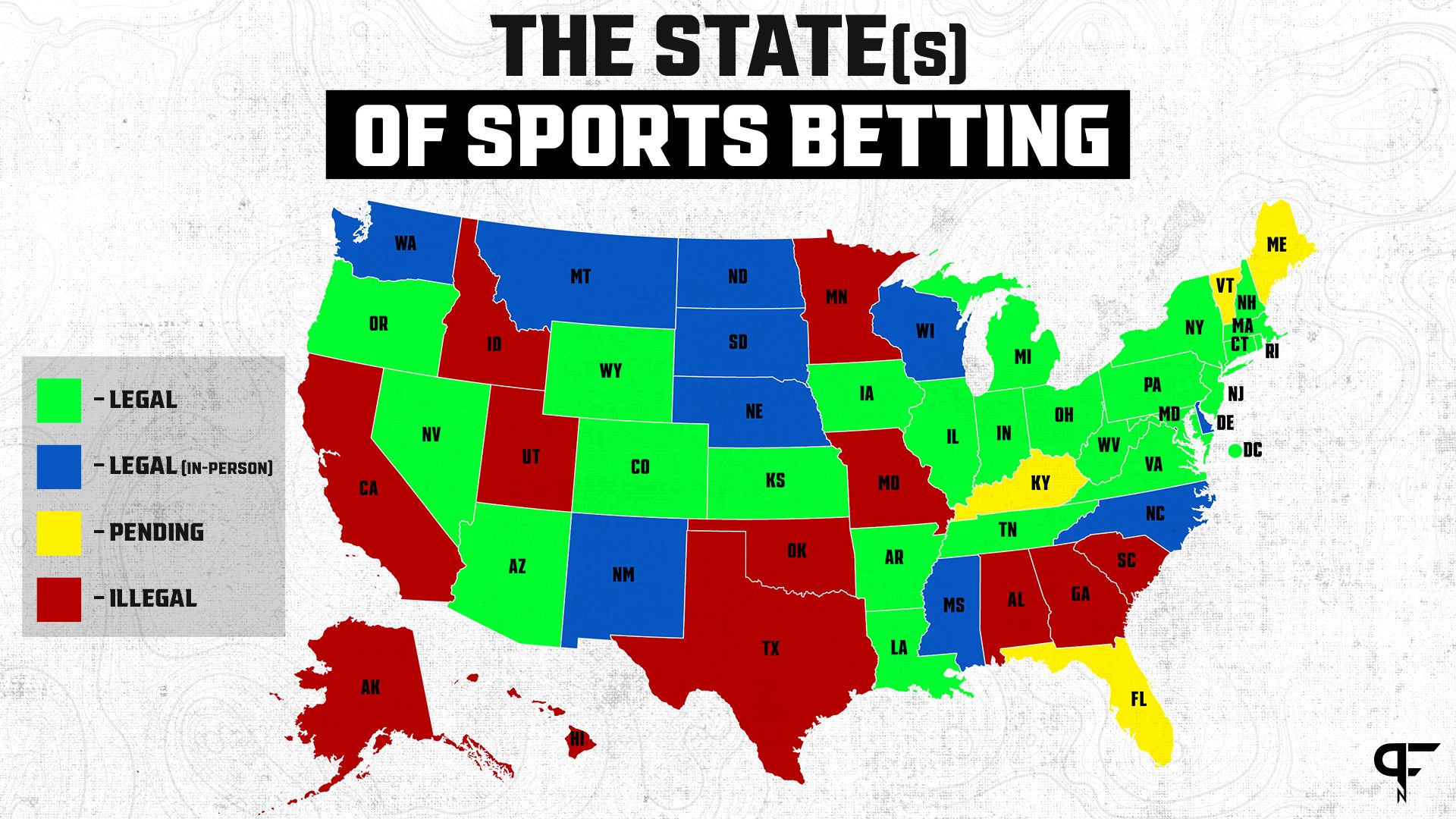
The question of whether gambling is legal in Oklahoma is not a simple yes or no. The Sooner State presents a nuanced landscape of gaming, heavily influenced by tribal sovereignty, state compacts, and a patchwork of regulations. For travelers and locals alike seeking entertainment, understanding these distinctions is crucial. This guide delves into the legality and types of gambling available, focusing on the unique offerings and considerations for those exploring the recreational aspects of Oklahoma’s gaming scene.
The Foundation: Tribal Sovereignty and Gaming Compacts
At the heart of Oklahoma’s gambling laws lies the complex relationship between the state and its federally recognized Native American tribes. The Indian Gaming Regulatory Act (IGRA) of 1988 forms the bedrock, allowing tribes to operate gaming facilities on tribal lands if they enter into compacts with the state. These compacts dictate the types of games permitted and the revenue-sharing agreements between the tribes and the state government.
Class II vs. Class III Gaming
The distinction between Class II and Class III gaming is fundamental to understanding Oklahoma’s legal framework.
Class II Gaming
Class II games are generally defined as bingo and similar games, including pull-tabs, punch boards, and certain types of electronic or electrical simulations of these games. Crucially, Class II games are not considered Class III if they are played using electronic or other machines, and they are not bank games (where players bet against each other rather than the house). Importantly, Class II gaming is permitted on tribal lands without the need for a specific tribal-state compact, as long as it is conducted in accordance with federal law. This means many tribal establishments offer a significant array of Class II games, often resembling slot machines in their presentation and gameplay, but legally distinct.
Class III Gaming
Class III gaming encompasses casino-style games such as slot machines, table games (like blackjack, poker, craps, and roulette), and pari-mutuel wagering. For tribes to offer Class III gaming, they must negotiate and sign a Class III gaming compact with the state of Oklahoma. These compacts are often the subject of intense negotiation, as they involve revenue sharing and the specific terms under which these higher-stakes games can be offered. The types and prevalence of Class III games can vary significantly from one tribal casino to another, depending on the specific terms negotiated in their respective compacts.
State-Regulated Pari-Mutuel Wagering
While tribal gaming dominates the casino landscape, Oklahoma also permits state-regulated pari-mutuel wagering, primarily on horse racing. This form of gambling operates under a different regulatory framework, overseen by the Oklahoma Horse Racing Commission. While not as widespread as tribal casinos, it offers another avenue for those interested in the thrill of betting.
Exploring Oklahoma’s Gaming Destinations
For travelers, Oklahoma‘s gaming scene translates into a diverse range of entertainment venues, from expansive casino resorts to smaller, more intimate gaming halls. These destinations often serve as significant tourist attractions, drawing visitors with their gaming floors, dining options, entertainment, and accommodation.
Major Tribal Casino Resorts
The state is home to numerous large-scale tribal casino resorts, many of which rival their counterparts in other gambling meccas. These resorts are often destinations in themselves, offering a comprehensive entertainment experience.
The WinStar World Casino and Resort
Located in Thackerville, the WinStar World Casino and Resort is often cited as one of the largest casinos in the world. It boasts an enormous gaming floor featuring thousands of electronic games, a vast array of table games, and a poker room. Beyond the casino, WinStar offers a luxury hotel, multiple dining establishments, a golf course, and live entertainment venues, making it a prime destination for leisure and gaming.
The Choctaw Casinos & Resorts
The Choctaw Casinos & Resorts operate a network of facilities across Oklahoma, with flagship properties like the one in Durant being particularly noteworthy. These resorts provide a wide selection of slot machines, table games, and bingo halls. Many Choctaw locations also feature hotels, restaurants, and entertainment, catering to a broad range of visitor needs.
The Hard Rock Hotel & Casino Tulsa
Situated in Tulsa, the Hard Rock Hotel & Casino Tulsa offers a rock ‘n’ roll themed gaming experience. It features a substantial collection of electronic games, table games, and a dedicated poker room. The resort also includes a hotel, a variety of dining options, live music venues, and other entertainment, making it a vibrant spot for entertainment seekers.
Other Notable Tribal Gaming Facilities
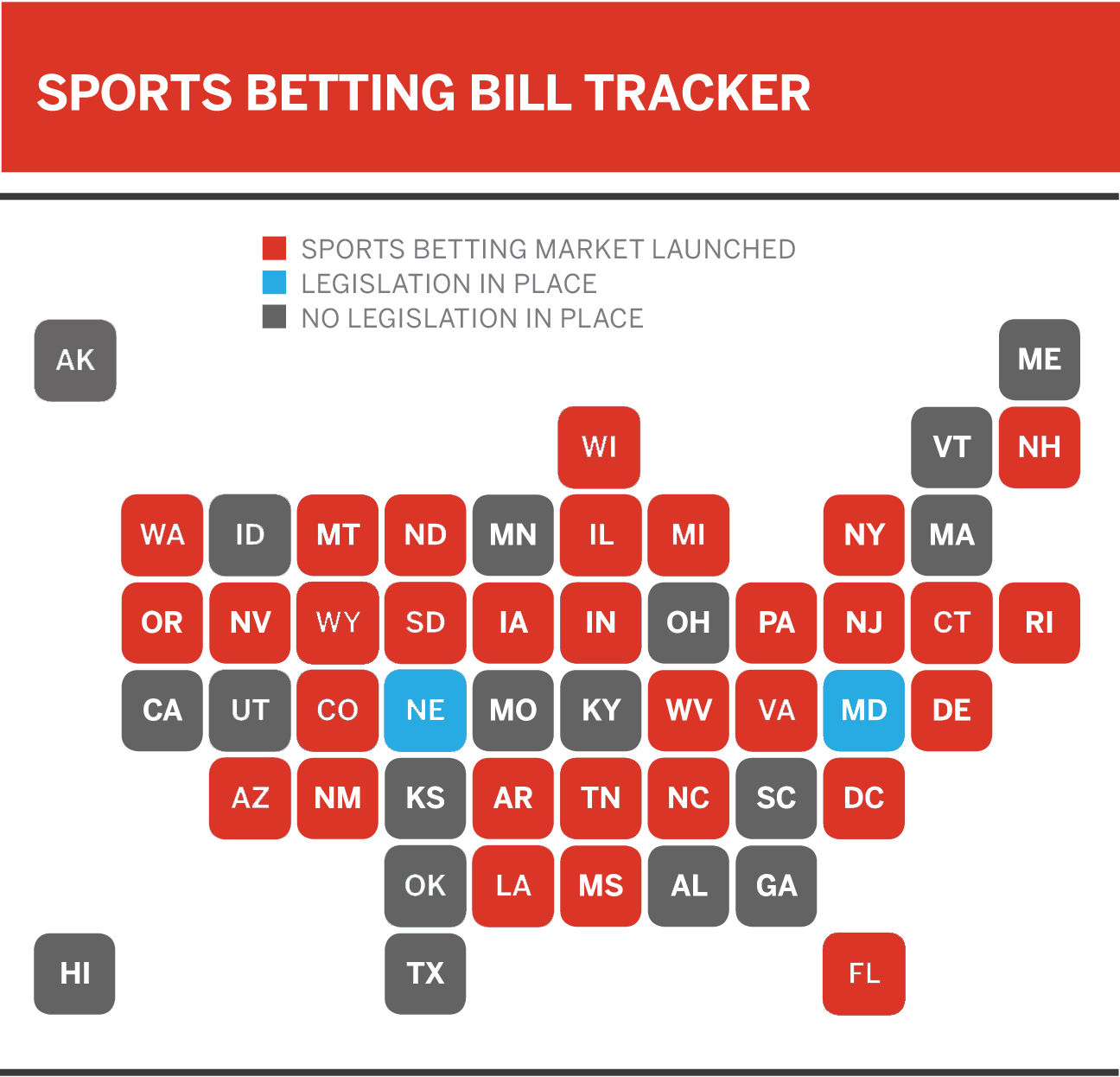
Beyond these flagship destinations, numerous other tribal gaming establishments dot the Oklahoma landscape. These include the Chisholm Trail Casino in Duncan, the Comanche Red River Casino in Lawton, and the Osage Casino Hotel properties in Tulsa, among many others. Each offers a unique gaming experience, often featuring a blend of Class II and Class III games, depending on their tribal-state compacts.
Horse Racing Tracks with Gaming
For enthusiasts of both horse racing and casino games, Oklahoma provides integrated facilities. These venues combine the excitement of live racing with electronic gaming machines, offering a dual entertainment experience.
Remington Park
Located in Oklahoma City, Remington Park is a premier destination for horse racing, hosting thoroughbred and quarter horse racing seasons. Adjacent to the track, visitors will find a casino featuring a variety of electronic games. This combination offers a classic racing experience alongside modern casino entertainment.
Will Rogers Downs
Situated near Tulsa, Will Rogers Downs also offers live horse racing and features a gaming facility with electronic machines. It provides a more relaxed atmosphere for those who enjoy the sport of racing and a casual gaming experience.
Navigating the Regulations: Tips for Visitors
Understanding the legal framework is essential for a smooth and enjoyable gaming experience in Oklahoma.
Age Requirements
The legal age to gamble in Oklahoma is generally 18 years old for pari-mutuel wagering and most tribal gaming facilities. However, some tribal casinos may have a higher age requirement of 21 for entry into certain gaming areas or for alcoholic beverage service. It is always advisable to check the specific requirements of the venue you plan to visit.
Types of Games Available
As discussed, the types of games available will largely depend on whether you are at a tribal casino or a state-regulated facility. Tribal casinos, operating under various compacts, will offer a wide range of Class II and Class III games. This can include thousands of electronic slots, video poker, blackjack, roulette, craps, and poker rooms. State-regulated pari-mutuel facilities will focus on horse racing betting, with integrated electronic gaming machines.
Responsible Gaming Practices
Oklahoma’s gaming establishments are committed to promoting responsible gaming. Resources and support services are available for individuals who may be experiencing gambling-related problems. Visitors are encouraged to gamble responsibly, set limits, and seek assistance if needed. Many casinos provide information and tools to help patrons manage their gaming activities.
The Economic and Cultural Impact of Gaming
The gaming industry in Oklahoma has a significant economic and cultural impact. Tribal gaming, in particular, has become a vital source of revenue for many of the state’s Native American tribes, funding essential services, infrastructure projects, and economic development initiatives.
Job Creation and Economic Development
Casino resorts are major employers, providing thousands of jobs across the state, from hospitality and food service to gaming operations and security. The indirect economic benefits are also substantial, supporting local businesses through supply chains and increased tourism spending. This economic engine plays a crucial role in the development and self-sufficiency of tribal nations and the surrounding communities.
Cultural Preservation and Support
For tribal communities, gaming revenue often supports cultural preservation efforts. Funds can be directed towards language programs, historical preservation, educational initiatives, and the maintenance of cultural traditions. This allows tribes to reinvest in their heritage and ensure its continuity for future generations, integrating modern economic opportunities with deep-rooted cultural values.

Tourism and Entertainment Hubs
Oklahoma’s casinos have transformed into significant tourism hubs, attracting visitors from across the region and beyond. These destinations offer more than just gaming; they provide a comprehensive entertainment experience that contributes to the state’s overall tourism appeal. From concerts and shows to fine dining and recreational activities, these resorts enhance Oklahoma’s reputation as a diverse destination for leisure and entertainment.
In conclusion, gambling in Oklahoma is a legal and vibrant industry, primarily driven by tribal sovereignty and sophisticated gaming compacts. Travelers seeking entertainment will find a wide array of options, from world-class casino resorts to horse racing venues, each offering unique experiences within a regulated framework. Understanding the distinctions between Class II and Class III gaming, as well as the specific offerings of each establishment, will enhance any visit to the Sooner State’s gaming destinations.
LifeOutOfTheBox is a participant in the Amazon Services LLC Associates Program, an affiliate advertising program designed to provide a means for sites to earn advertising fees by advertising and linking to Amazon.com. Amazon, the Amazon logo, AmazonSupply, and the AmazonSupply logo are trademarks of Amazon.com, Inc. or its affiliates. As an Amazon Associate we earn affiliate commissions from qualifying purchases.