
The sprawling metropolis of New York City, a place synonymous with ambition, opportunity, and a melting pot of cultures, has long been a fertile ground for storytelling. From epic tales of ambition to gritty dramas of survival, its streets have witnessed and inspired countless narratives. One such powerful and evocative depiction of its past is Martin Scorsese’s visually stunning film, Gangs of New York. The title itself conjures images of brutal conflict and a lawless frontier within the heart of what would become the world’s most iconic city. This raises a compelling question for any traveler, history enthusiast, or lover of cinematic art: Was Gangs of New York a true story?

While the film is a masterful work of historical fiction, drawing deeply from the rich tapestry of New York‘s past, it’s essential to understand that it is not a direct, factual retelling of specific events or individuals. Scorsese and his team meticulously researched the era, the social conditions, and the burgeoning criminal underworld of mid-19th century New York to create a world that felt authentic and resonant. The film’s narrative, centered around the conflict between the Native-born Americans and the immigrant Irish population, and the climactic confrontation between William “Bill the Butcher” Cutting and Amsterdam Vallon, is largely a fictionalized account. However, the very real societal tensions, the violent clashes, and the desperate struggle for power and survival that the film portrays were undeniably rooted in historical fact. The film serves as a powerful lens through which to view a turbulent and formative period in New York’s history, a time when the city was rapidly transforming and its very identity was being forged in the crucible of immigration, poverty, and organized crime.
The Five Points neighborhood, depicted so vividly in the film, was a real place, and it was indeed a notorious den of poverty, crime, and vice. The struggles of immigrant communities, particularly the Irish, escaping famine and seeking a new life, were also a harsh reality. The rampant corruption, the influence of political machines, and the brutal turf wars between gangs were all characteristics of mid-19th century New York. Therefore, while the specific characters and their dramatic arcs are creations of the screenwriters, the historical backdrop and the underlying social dynamics are grounded in truth, offering a compelling glimpse into the city’s volatile origins.
The Historical Echoes: Real Gangs and Real Violence
The film’s exploration of gang warfare and the territorial disputes that plagued New York during the mid-1800s is not mere cinematic embellishment. This era was marked by the rise of numerous street gangs, each vying for control of lucrative rackets, from gambling and prostitution to protection schemes. These gangs were often ethnically or nationally based, reflecting the diverse immigrant populations that were flooding into the city. The Dead Rabbits and the Bowery Boys were indeed real gangs that played a significant role in the city’s tumultuous social landscape.
The Dead Rabbits and the Bowery Boys: Rivals in the Streets
The Dead Rabbits were a prominent Irish-American gang, notorious for their ferocity and their involvement in widespread street brawls. Their name itself evokes a sense of desperation and defiance, a fitting moniker for a group that often found themselves in violent confrontations with rival gangs and the constabulary. The Bowery Boys, on the other hand, were a nativist gang, often composed of working-class American men who viewed the influx of immigrants with suspicion and hostility. Their clashes with immigrant gangs, particularly the Irish, were frequent and often bloody, contributing to the general atmosphere of lawlessness in areas like the Five Points.
The film’s depiction of large-scale gang battles, while dramatized for cinematic effect, mirrors historical accounts of significant riots and turf wars. These conflicts were not just about bragging rights; they were often deeply intertwined with political power struggles. Corrupt politicians and party bosses frequently used these gangs as enforcers, mobilizing them to intimidate voters, disrupt opposition meetings, and maintain control of their districts. The lines between criminal activity and political machinations were often blurred, creating a volatile environment where violence was a common tool for asserting dominance. The struggle for power in the New York of this period was a brutal affair, and the gangs were its most visible and violent agents. The presence of influential figures like political bosses who manipulated these groups adds another layer of historical authenticity to the film’s portrayal of a city grappling with its own unruly growth.
Bill the Butcher: A Legend Forged in Fact and Fiction
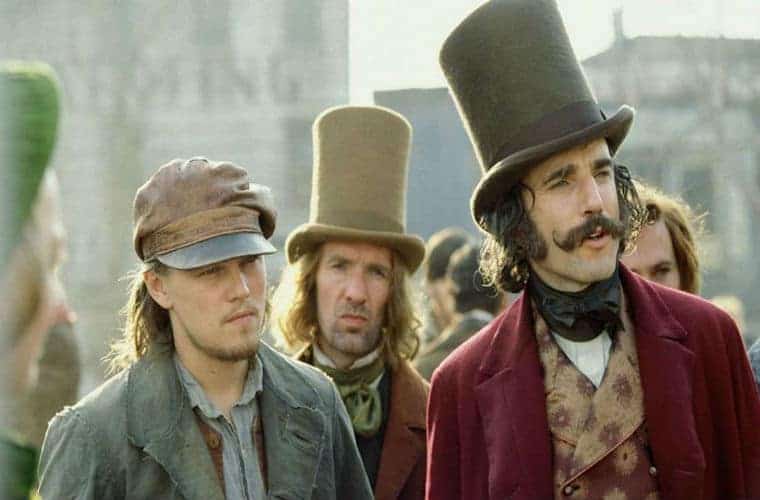
One of the most captivating figures in Gangs of New York is William “Bill the Butcher” Cutting, played with menacing charisma by Daniel Day-Lewis. Bill the Butcher is presented as a powerful, charismatic, and ruthless leader, a figure who embodies the raw, untamed spirit of old New York. He is the self-proclaimed king of the Five Points, a man who commands respect through fear and violence, and who holds a deep-seated animosity towards immigrant groups, particularly the Irish. The question arises: was Bill the Butcher a real person?
The Inspiration Behind Bill the Butcher
While a specific individual named William “Bill the Butcher” Cutting who precisely matched the film’s character might not be found in historical records, the character is heavily inspired by and embodies the archetypes of real-life figures and the general socio-political climate of the era. The “butcher” moniker itself suggests a connection to the meatpacking industry, which was a significant presence in New York at the time. Many gang leaders and influential figures in the underworld of the 19th century were known for their brutal methods and their dominance over specific territories.
The film draws upon historical accounts of powerful gang leaders and political bosses who wielded considerable influence through intimidation and violence. These individuals often controlled districts, extorted businesses, and manipulated elections. The character of Bill the Butcher represents a composite of these historical realities, a distillation of the men who were powerful enough to shape the destiny of New York from the shadows and the back alleys. His nativist sentiments and his violent opposition to Irish immigration reflect the very real anti-immigrant sentiment that was a potent force in American politics and society during this period. The animosity between established American populations and new immigrant groups was a constant source of friction and conflict, and Bill the Butcher’s character serves as a potent embodiment of this historical tension. His control over the Five Points, a known hub of poverty and crime, further anchors him in the historical realities of the era, making him a believable, if fictionalized, representation of the powerful figures that lurked in the city’s underbelly.
The Five Points: A Crucible of Conflict and Change
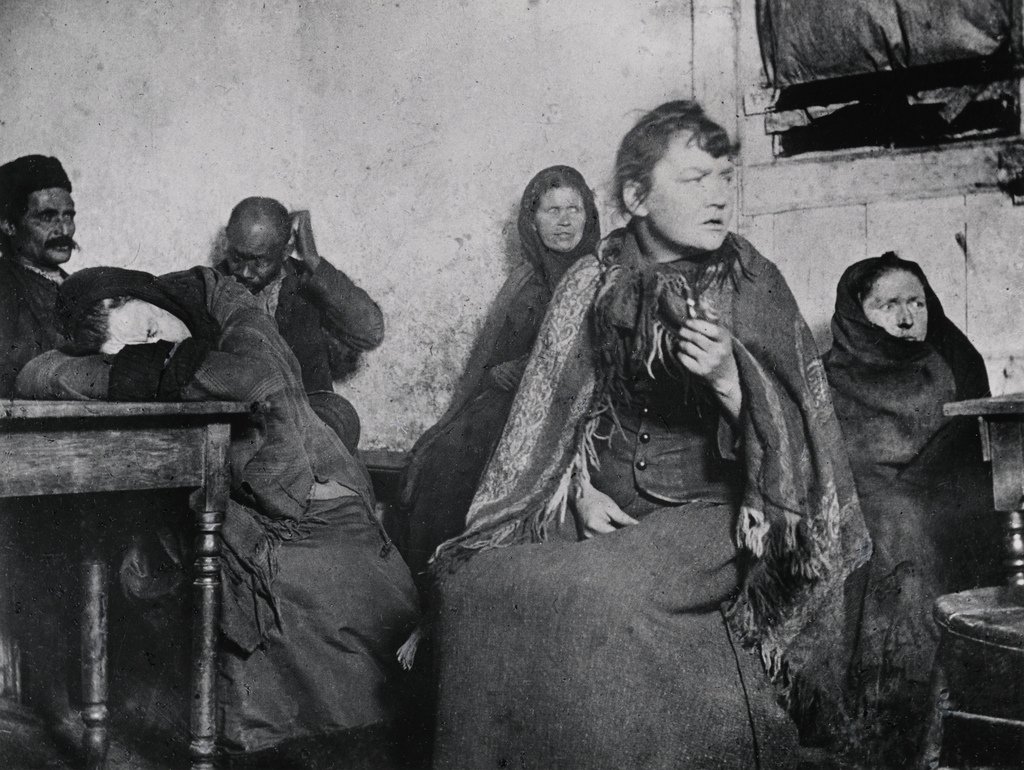
The Five Points, depicted in the film as a squalid and dangerous neighborhood, was a very real and infamous district in lower Manhattan. It was a convergence of immigrant communities, particularly Irish, but also Italian, German, and African Americans, who were often relegated to the poorest and most dangerous parts of the city. The area was characterized by overcrowded tenements, disease, poverty, and rampant crime, making it a breeding ground for gangs and illicit activities.
Life in the Historical Five Points
Life in the Five Points was a daily struggle for survival. Immigrants arriving in New York often had nowhere else to go and found themselves living in appalling conditions. Disease was rampant, and the death rate was incredibly high. The lack of opportunity and the constant threat of violence contributed to a sense of despair and desperation. However, it was also a place of resilience and community, where immigrants forged bonds and supported each other in their fight for a better life. The New York of the mid-19th century was a city in flux, and the Five Points was at the epicenter of this transformation.
The film’s visual recreation of the Five Points is a testament to the historical research undertaken by the filmmakers. The squalor, the poverty, and the dense, chaotic street life are all rendered with an unflinching eye for detail. It was in these very streets that the rivalries between gangs, the political machinations, and the struggles of ordinary people played out. The Five Points was more than just a neighborhood; it was a microcosm of the larger forces shaping New York and, by extension, the United States. Its legacy as a symbol of urban poverty, immigration challenges, and the often-brutal birth pangs of a great city is undeniable, and Gangs of New York powerfully brings this complex history to life, even if its central narrative is a dramatic fiction. Exploring this historical area today, perhaps through a guided walking tour, offers a tangible connection to the past that inspired the film, allowing visitors to imagine the lives and struggles of those who walked those streets centuries ago. Many modern hotels in New York City offer convenient access to the historical sites and museums that shed light on this fascinating period, making it an enriching experience for any traveler interested in the city’s deep historical roots.
LifeOutOfTheBox is a participant in the Amazon Services LLC Associates Program, an affiliate advertising program designed to provide a means for sites to earn advertising fees by advertising and linking to Amazon.com. Amazon, the Amazon logo, AmazonSupply, and the AmazonSupply logo are trademarks of Amazon.com, Inc. or its affiliates. As an Amazon Associate we earn affiliate commissions from qualifying purchases.