
The cinematic epic “Gangs of New York,” directed by Martin Scorsese, plunges viewers into the gritty, tumultuous world of mid-19th century New York City. With its visceral portrayal of immigrant life, territorial disputes between violent factions, and the burgeoning American metropolis, many are left wondering if the on-screen drama is rooted in historical fact. While the film takes considerable artistic license, its narrative is undeniably inspired by the real historical landscape of New York during a period of intense social and political upheaval. The story, at its core, draws from the historical accounts of the Five Points district and the fiercely contested power struggles that defined it.

The Historical Foundations of “Gangs of New York”
The film’s narrative centers on the fictional character Amsterdam Vallon and his quest for revenge against Bill the Butcher, a powerful gang leader. This central conflict, while dramatized for the screen, reflects the very real and often brutal reality of gang warfare that plagued certain districts of New York City in the 19th century. The historical context of the era, marked by massive immigration, economic disparity, and political corruption, provided fertile ground for such violent clashes.
The Five Points District: A Crucible of Conflict
The heart of the film’s setting, the Five Points district, was a notorious slum in lower Manhattan. In the mid-1800s, this area was a melting pot of desperate immigrants, primarily Irish fleeing the Potato Famine, alongside a diverse mix of other nationalities and impoverished native-born Americans. The overcrowding, extreme poverty, and lack of effective law enforcement created a breeding ground for criminal activity and gang violence.
The Five Points neighborhood was a labyrinth of narrow streets, dilapidated tenements, and saloons that served as both social hubs and recruitment grounds for gangs. These gangs were not merely petty criminals; they were organized, often militaristic groups that wielded significant power within their territories. They engaged in everything from petty theft and protection rackets to more violent acts of intimidation and murder. The historical accounts of this era paint a picture of a city struggling to contain the forces brewing in its underbelly, with the Five Points serving as a stark symbol of this struggle.
The Reality of Gangs and Their Leaders
While Bill the Butcher and Amsterdam Vallon are fictional characters, they are archetypes that represent the real figures who commanded these gangs. Historical records point to numerous prominent gang leaders who held sway over various factions in the Five Points and surrounding areas. These leaders were often charismatic, ruthless, and deeply entrenched in the local political machine, using their influence to protect their interests and maintain their dominance.
The “Dead Rabbits” and the “Bowery Boys” were two of the most infamous real-life gangs that operated in New York City during this period. The film’s portrayal of the violent clashes between the “Native Americans” (a fictionalized version of the Bowery Boys, representing nativist sentiment) and the Irish immigrant gangs echoes the historical animosities and turf wars that were commonplace. These conflicts were often triggered by ethnic tensions, economic competition, and the struggle for control of lucrative criminal enterprises. The violence was not just confined to street brawls; it often spilled into riots and large-scale confrontations that challenged the authority of the city’s nascent police force.
Sociopolitical Context: Immigration and Nativism
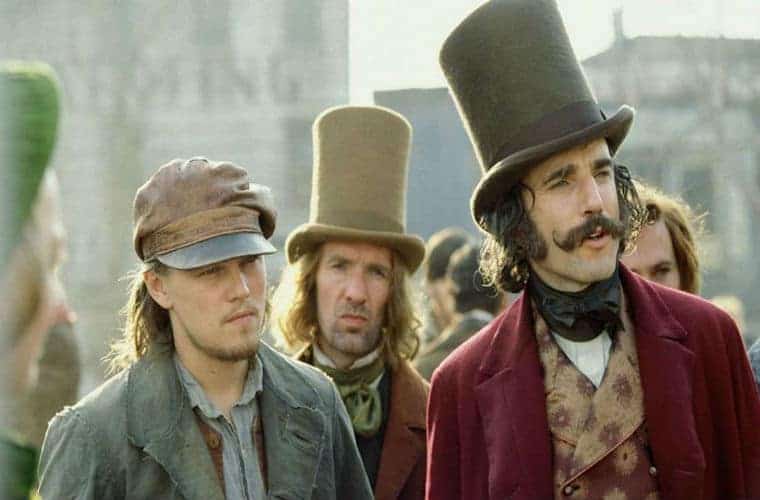
The film’s depiction of the escalating tensions between immigrant groups and established American society is a crucial element of its historical accuracy. The mid-19th century was a period of unprecedented immigration to the United States, with millions arriving from countries like Ireland and Germany, seeking a better life. New York City, with its bustling port, became a primary destination for these newcomers.
The Immigrant Experience
The arrival of large numbers of immigrants, particularly the Irish, led to significant social and economic disruption. They often faced discrimination, were relegated to the lowest-paying jobs, and were forced to live in overcrowded, unsanitary conditions, particularly in areas like the Five Points. This marginalization, coupled with cultural differences and religious prejudices, created a volatile environment ripe for exploitation by both criminal elements and unscrupulous politicians. The film effectively captures the desperation, resilience, and sense of community that developed among these immigrant populations.
Nativist Sentiments and Political Corruption
The influx of immigrants also fueled a strong nativist backlash. Many native-born Americans viewed the newcomers as a threat to their jobs, culture, and political power. This sentiment was exploited by various political factions, some of whom organized anti-immigrant groups and fomented hostility. The film touches upon this by depicting the “Native Americans” as a formidable force opposing the immigrant gangs.
Furthermore, the era was characterized by widespread political corruption. Political machines, such as Tammany Hall, wielded immense power and often relied on the support of gangs for votes and to maintain control. In return, these machines would offer protection, influence, and sometimes even implicitly sanction the gangs’ activities. The film alludes to this symbiotic relationship, showing how gangs were deeply intertwined with the political landscape of New York City, making it difficult for law enforcement to effectively combat their influence.
Artistic License vs. Historical Accuracy
While “Gangs of New York” draws heavily from historical realities, it is important to acknowledge that it is a fictionalized narrative. Martin Scorsese and his team meticulously researched the period, but they also took creative liberties to craft a compelling story with engaging characters and dramatic arcs.
Fictional Characters and Plotlines
The central characters of Amsterdam Vallon and Bill the Butcher, along with their personal vendettas and intricate plots, are largely products of the filmmakers’ imagination. While they represent archetypes of the era – the vengeful immigrant and the tyrannical gang leader – their specific stories are not documented historical accounts. The film compresses timelines, invents significant confrontations, and manipulates events to serve its dramatic purpose.
The Battle of the Five Points
The climactic “Battle of the Five Points” depicted in the film, a massive confrontation between rival gangs, is an invention. While large-scale gang fights and riots did occur in 19th-century New York, the specific, large-scale, orchestrated battle as shown in the movie is a cinematic embellishment. It serves as a powerful metaphor for the broader societal conflicts, but it is not a precise historical event.
The Transformation of New York City
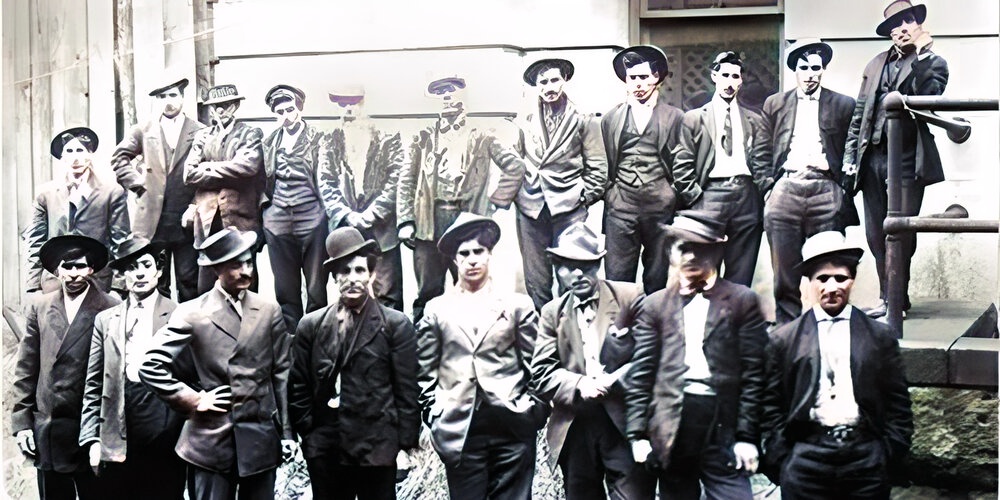
Despite these deviations, the film successfully captures the spirit and atmosphere of the era. The depiction of the squalor, the vibrant immigrant communities, the raw energy, and the ever-present threat of violence are all grounded in historical reality. The film offers a vivid and often brutal glimpse into a formative period of New York City’s history, showcasing the challenges of assimilation, the struggles for survival, and the birth of a modern metropolis from its chaotic origins. It is a testament to the power of cinematic storytelling to bring history to life, even when embellished for dramatic effect, allowing audiences to connect with the human stories behind the grand historical narratives. The film serves as a powerful reminder of the enduring legacy of immigration and the complex forces that shaped the United States.
LifeOutOfTheBox is a participant in the Amazon Services LLC Associates Program, an affiliate advertising program designed to provide a means for sites to earn advertising fees by advertising and linking to Amazon.com. Amazon, the Amazon logo, AmazonSupply, and the AmazonSupply logo are trademarks of Amazon.com, Inc. or its affiliates. As an Amazon Associate we earn affiliate commissions from qualifying purchases.