
When planning a road trip that spans the Sunshine State and the Peach State, one of the most immediate and impactful expenses to consider is the cost of fuel. The question of whether gas is cheaper in Florida or Georgia is a common one, and understanding the factors that influence these prices can help travelers budget more effectively and potentially save money on their journey. While prices can fluctuate daily and even hourly, a general overview of the market dynamics, state taxes, and regional influences provides valuable insight.
Factors Influencing Gas Prices
Several key elements converge to determine the price of gasoline at the pump. These include the global price of crude oil, refinery costs and profit margins, distribution and marketing expenses, and, significantly, state and federal taxes. Understanding these components is crucial to grasping the differences, if any, between Florida and Georgia.
Crude Oil Markets
The primary driver of gasoline prices is the cost of crude oil on the international market. Factors such as geopolitical stability in oil-producing regions, global demand, and the production levels of major oil-producing nations (like those in OPEC) all play a substantial role. Since both Florida and Georgia are part of the broader United States energy infrastructure, they are equally susceptible to these global market fluctuations. A sudden surge in crude oil prices will inevitably lead to higher prices at the pump in both states.
Refining and Distribution
Crude oil is transported to refineries, where it is processed into various petroleum products, including gasoline. The operational costs of these refineries, their profit margins, and their geographical proximity to the end consumers influence the wholesale price of gasoline. Similarly, the costs associated with transporting gasoline from refineries to individual gas stations via pipelines, trucks, and barges contribute to the final retail price. Regional refinery capacity and the efficiency of distribution networks can create localized price differences.
State and Federal Taxes
Perhaps the most significant differentiator in gas prices between states is the imposition of taxes. Both the federal government and individual states levy taxes on gasoline. These taxes are typically calculated per gallon and can represent a substantial portion of the retail price. Understanding the specific tax rates in Florida and Georgia is paramount to answering the core question of which state offers cheaper gas.
Federal Gasoline Tax
The federal government levies a tax on gasoline, which is currently 18.4 cents per gallon for gasoline and 24.4 cents per gallon for diesel fuel. This tax applies uniformly across the United States, meaning it does not contribute to any differences in price between Florida and Georgia.
State Gasoline Taxes
This is where the divergence typically occurs. Each state sets its own excise tax rate on gasoline. These rates can vary significantly due to different legislative decisions, budgetary needs, and public transportation funding priorities. To determine which state has cheaper gas, one must compare their respective state excise taxes on gasoline.
Comparing State Tax Structures and Historical Trends
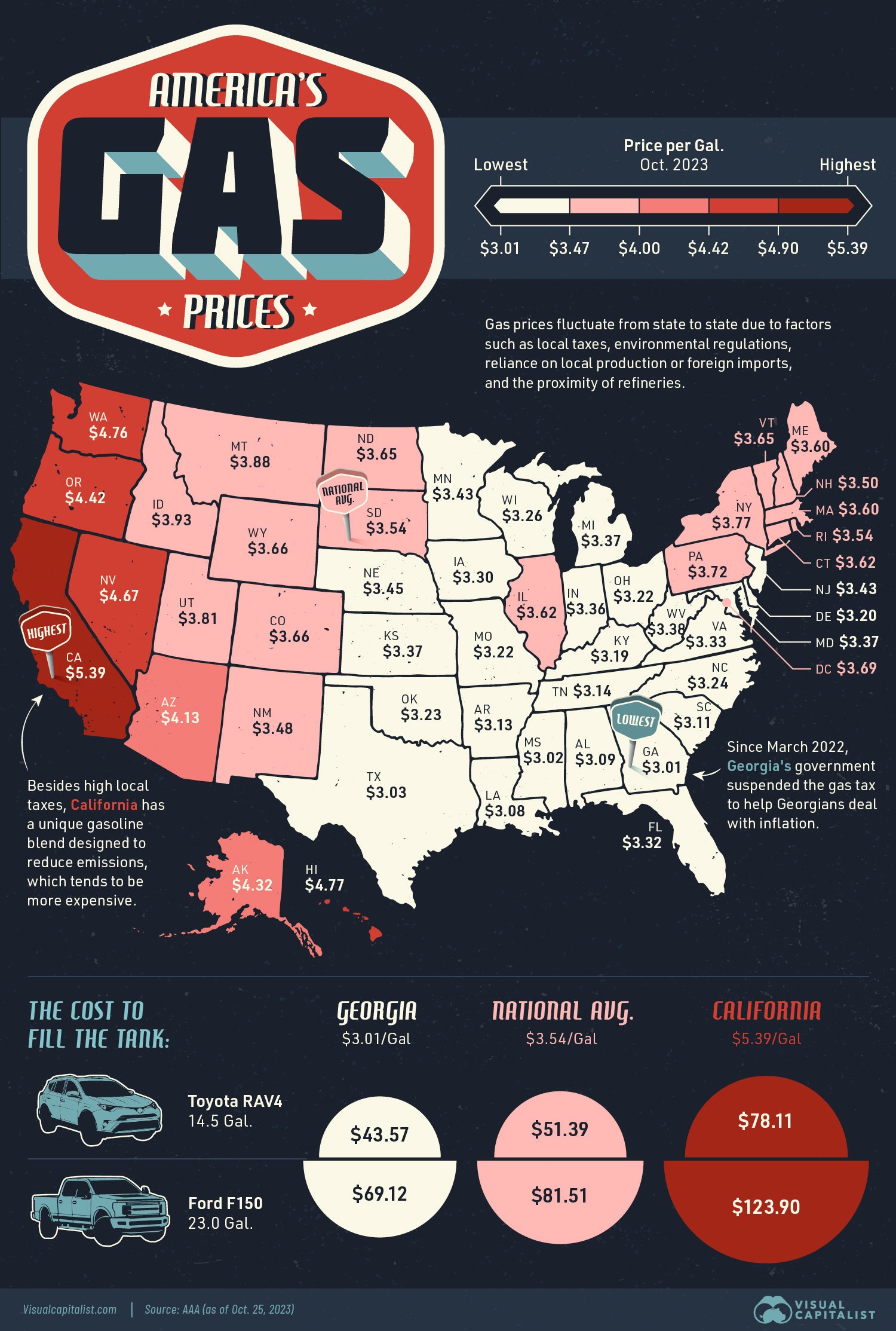
Historically, Georgia has often maintained a slightly lower state excise tax on gasoline compared to Florida. This has frequently translated into lower average gas prices in the Peach State. However, it is crucial to note that these tax structures can change, and the difference might not always be substantial enough to be the sole determinant of price.
Florida’s Tax Landscape
Florida has a state excise tax on gasoline. In addition to this excise tax, various other components, including sales taxes and local taxes, can also contribute to the final price. The state tax rate has seen adjustments over time, influenced by legislative sessions and the state’s fiscal needs. For example, in recent years, Florida has sometimes implemented temporary tax holidays or suspensions to provide relief to consumers, especially during periods of exceptionally high fuel prices. These specific measures can temporarily make gas cheaper in Florida than it might otherwise be relative to Georgia.
Georgia’s Tax Landscape
Georgia, on the other hand, has historically had a lower state excise tax rate. This has often positioned it favorably in terms of average gas prices. Similar to Florida, Georgia also has its own set of taxes and fees that affect the final pump price. The stability of Georgia’s tax structure, or any changes therein, is a key factor to monitor.
Recent Data and Averages
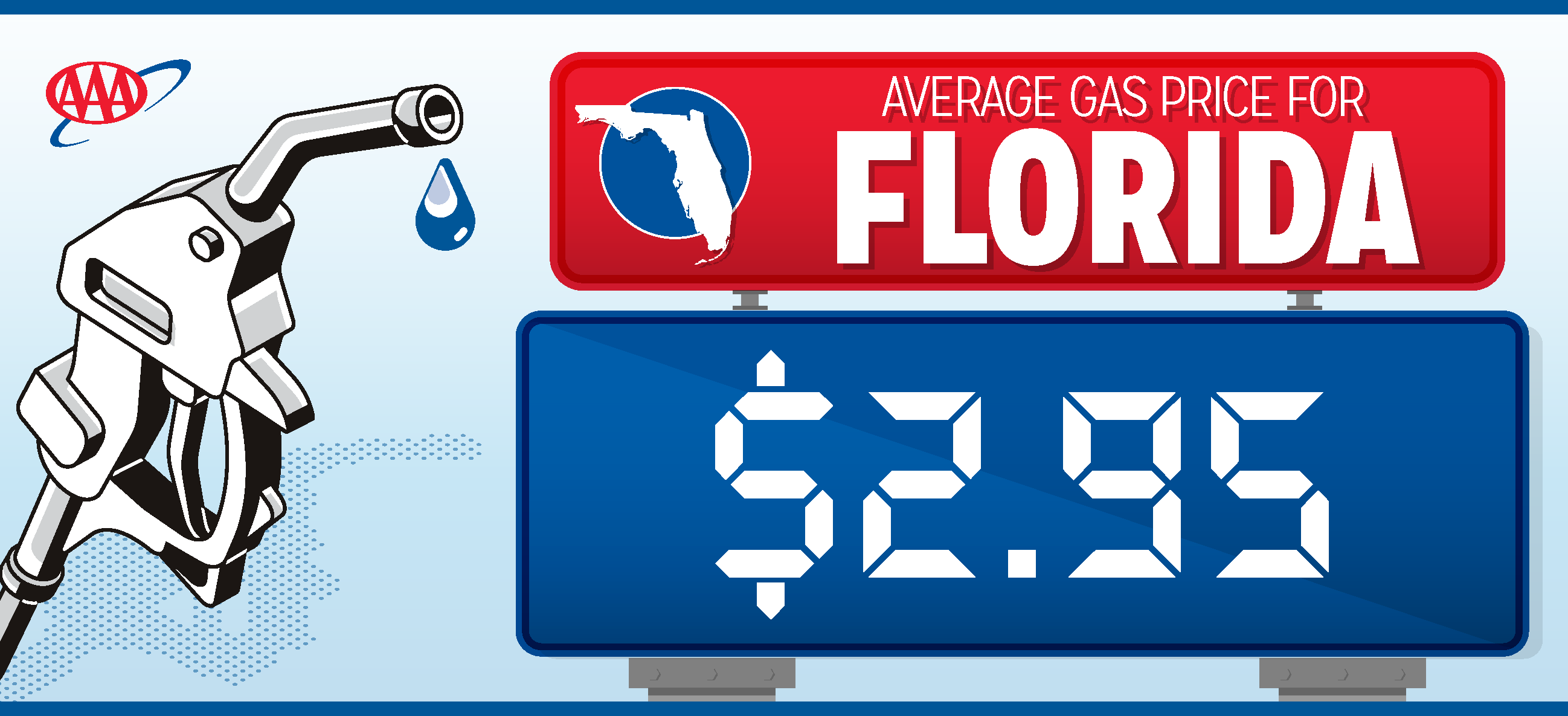
To provide a more concrete answer, one would typically consult real-time gas price tracking websites and state revenue department reports. These sources often provide average gas prices for each state, allowing for direct comparison. While specific numbers fluctuate, a general observation over extended periods often shows Georgia holding a slight edge in terms of lower average gas prices due to its more favorable state tax structure. However, the difference is frequently in the range of a few cents per gallon.
Regional Influences and Local Competition
Beyond state-level taxes, numerous other factors can influence gas prices within specific regions and even between neighboring gas stations.
Proximity to State Lines
Gas stations located very close to a state border can sometimes adjust their prices to remain competitive with stations just across the line. If, for instance, a Florida gas station is situated just miles from the Georgia border, and gas is consistently cheaper in Georgia due to tax differences, the Florida station might lower its prices to attract customers. This can lead to pockets of cheaper gas that defy the general state-wide trend.
Urban vs. Rural Pricing
Gas prices can also differ between urban centers and rural areas within the same state. In densely populated metropolitan areas, such as Atlanta in Georgia or Miami in Florida, there is typically higher competition among gas stations, which can drive prices down. Conversely, in more remote rural locations, fewer stations and higher transportation costs for fuel can result in slightly higher prices.
Brand Competition and Station Markups
The specific brand of gas station and its individual pricing strategy also play a role. Some brands might operate on thinner margins to attract volume, while others might have higher overheads or target a premium customer base. Even on the same block, you might find slight price variations between a major brand like ExxonMobil and a smaller, independent station.
Practical Tips for Travelers
For travelers traversing Florida and Georgia, several practical strategies can help manage fuel costs.
Utilize Gas Price Apps
Numerous mobile applications and websites are dedicated to tracking real-time gas prices in specific locations. Apps like GasBuddy, for example, allow you to search for the cheapest gas stations in your vicinity, whether you’re in Orlando, Savannah, or anywhere in between. Planning your refueling stops using these tools can lead to significant savings over the course of a long trip.
Refuel Strategically
Consider where you are in your journey. If you are approaching the Georgia border from Florida, and data suggests Georgia has cheaper gas, it might be wise to fill up just after crossing the state line. Conversely, if you are heading south into Florida, consider refueling before you enter the state if Georgia prices are lower.
Look for Stations Away from Major Tourist Hubs
Gas stations directly off major interstate exits or within heavily touristed areas, like near theme parks in Orlando or along the beaches of the Florida Panhandle, often have inflated prices. Venturing a few miles off the main routes or into less tourist-centric neighborhoods can often yield better fuel prices.

Consider Fuel Quality and Additives
While the price is a primary concern, it’s also worth considering the quality of fuel. Most major brands offer gasoline that meets or exceeds industry standards. For travelers with specific vehicle requirements or concerns about fuel additives, researching brands or opting for stations known for quality can be a secondary consideration after price.
In conclusion, while historical trends and state tax structures often suggest that Georgia may offer slightly cheaper gas on average than Florida, the difference is not always dramatic and can be influenced by a multitude of local factors. For the savvy traveler, staying informed with real-time data and employing strategic refueling habits will be the most effective way to minimize fuel expenses across both states.
LifeOutOfTheBox is a participant in the Amazon Services LLC Associates Program, an affiliate advertising program designed to provide a means for sites to earn advertising fees by advertising and linking to Amazon.com. Amazon, the Amazon logo, AmazonSupply, and the AmazonSupply logo are trademarks of Amazon.com, Inc. or its affiliates. As an Amazon Associate we earn affiliate commissions from qualifying purchases.