
The question “Is Gotham in New York?” is one that sparks curiosity in the hearts of comic book fans, film enthusiasts, and urban explorers alike. While the immediate answer is a straightforward “no” – Gotham City is a fictional metropolis from the DC Comics universe, famously home to Batman – its origins and aesthetic are profoundly rooted in the real-world grandeur and grittiness of New York City. This intricate relationship between a fantastical city and its real-life muses offers a fascinating lens through which to explore urban travel, architectural wonders, and the allure of destinations that blend history with a touch of the dramatic.
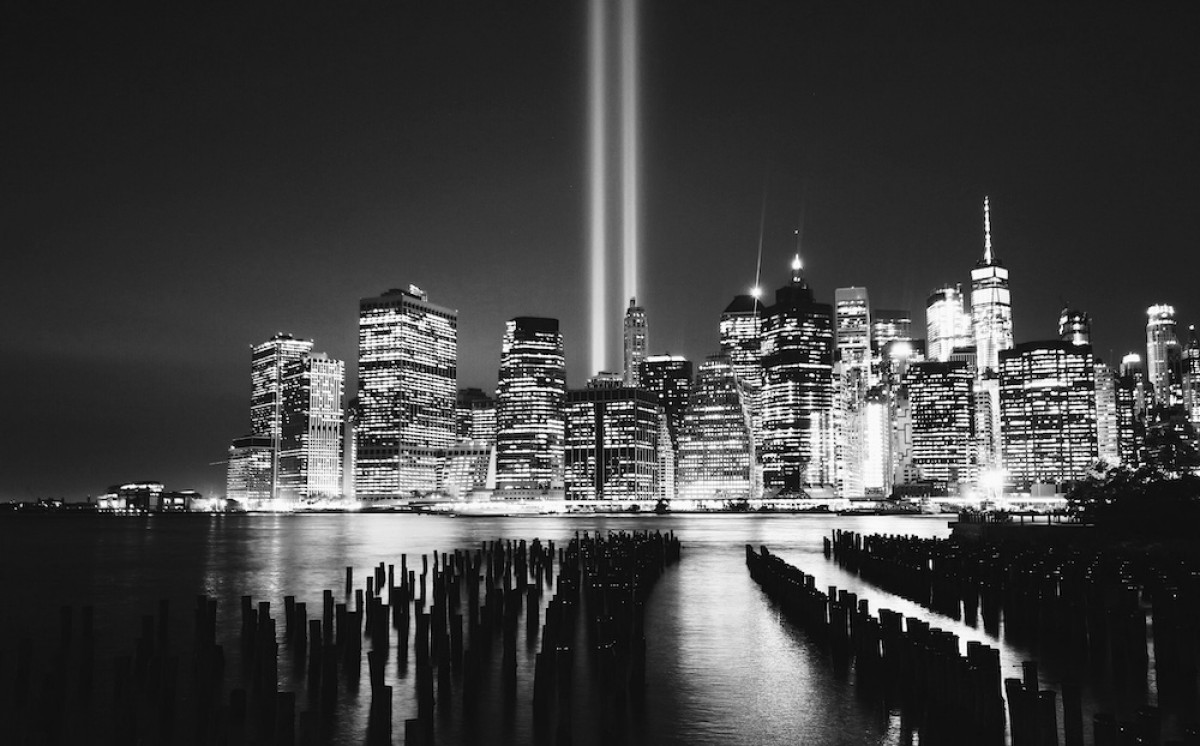
For those passionate about travel, understanding this connection enriches the experience of visiting major cities. It allows us to see beyond mere landmarks, instead recognizing the intricate layers of inspiration that shape our cultural narratives and influence our perception of urban spaces. From towering skyscrapers and bustling avenues to hidden alleys and historic districts, the spirit of Gotham City is palpable in many real-world metropolises, none more so than New York City itself. This article delves into the fictional city’s real-world foundations, explores its cinematic interpretations, and suggests how travelers can experience a “Gotham-esque” adventure, blending tourism with a deep appreciation for urban aesthetics and lifestyle.
The Fictional City of Gotham: A Dark Mirror to Reality
Gotham City isn’t just a backdrop for heroic tales; it’s a character in itself. Its personality is defined by perpetual twilight, imposing gothic architecture, and a pervasive sense of urban decay contrasted with pockets of immense wealth and power. This fictional realm was conceived to embody the dark underbelly of American urban life, reflecting anxieties about crime, corruption, and social inequality, themes that resonate deeply with the historical realities of many large cities.
The aesthetic of Gotham is a deliberate pastiche of architectural styles, most notably Art Deco and Gothic Revival, which give it a timeless yet distinctly oppressive feel. Its streets are often depicted as labyrinthine, its buildings reaching dizzying heights, and its atmosphere perpetually shrouded in a mysterious fog or the glow of neon signs. This carefully crafted environment serves to heighten the drama of Batman’s nocturnal crusades, making the city a dangerous, yet captivating, place.
Understanding Gotham’s fictional identity is key to appreciating its real-world inspirations. It’s not just about finding a building that looks like Wayne Tower; it’s about grasping the mood, the scale, and the complex social dynamics that creators envisioned when bringing Gotham to life. This pursuit of understanding the essence of fictional places through real travel experiences aligns perfectly with the spirit of modern tourism, which often seeks deeper cultural and historical immersion.
New York City: The Primary Muse for Gotham’s Identity
It’s no secret that New York City has been cited by numerous Batman creators as the principal source of inspiration for Gotham City. From its iconic skyline to its diverse neighborhoods, NYC offers a rich tapestry of urban life that perfectly mirrors the duality of Gotham.
Architectural Echoes and Iconic Landmarks
A stroll through New York City quickly reveals countless structures that could easily be transplanted into Gotham. The towering presence of the Empire State Building, with its majestic Art Deco design, or the gargoyle-adorned facade of the Chrysler Building, are prime examples of the architectural grandeur that defines Gotham. These buildings, symbols of ambition and power, evoke the same sense of awe and slight intimidation often associated with Batman’s metropolis.
Beyond individual buildings, entire districts in New York City contribute to the “Gotham” feel. Lower Manhattan, with its dense cluster of skyscrapers, narrow streets, and historic financial district, often serves as a visual analogue for Gotham’s commercial and political heart. The intricate ironwork of the Brooklyn Bridge could easily be imagined as a gateway into Gotham, connecting different, sometimes disparate, parts of the fictional city. Even the neon-soaked chaos of Times Square, with its overwhelming sensory input, mirrors the bustling, slightly overwhelming energy that creators imbue into Gotham’s busiest districts. When exploring New York, travelers can seek out these architectural marvels and ponder their influence on one of fiction’s most iconic cities.
The Gritty Underbelly: NYC’s Past and Gotham’s Soul
Gotham City is often defined by its persistent struggle against crime and corruption, a narrative element heavily inspired by New York City’s own tumultuous history. In the mid-20th century, and even into the 1970s and 80s, NYC faced significant challenges with urban decay, high crime rates, and palpable social tensions. This era provided a rich wellspring of inspiration for comic book writers and artists looking to create a believable, albeit exaggerated, urban environment for a vigilante hero.
The atmosphere of a city constantly teetering on the brink, where the forces of law and order are perpetually battling against a powerful criminal underworld, is a core tenet of Gotham. This psychological landscape, born from real-world urban struggles, makes Gotham feel authentic despite its fantastical elements. When exploring neighborhoods that retain some of New York’s older, less gentrified character, or visiting historical sites related to its past, travelers can gain a deeper appreciation for the raw, resilient spirit that also defines Gotham. This blend of history, architecture, and social commentary makes a visit to New York a profound experience for anyone seeking to understand the real inspirations behind fictional worlds.
Beyond the Big Apple: Other Influences and Cinematic Interpretations
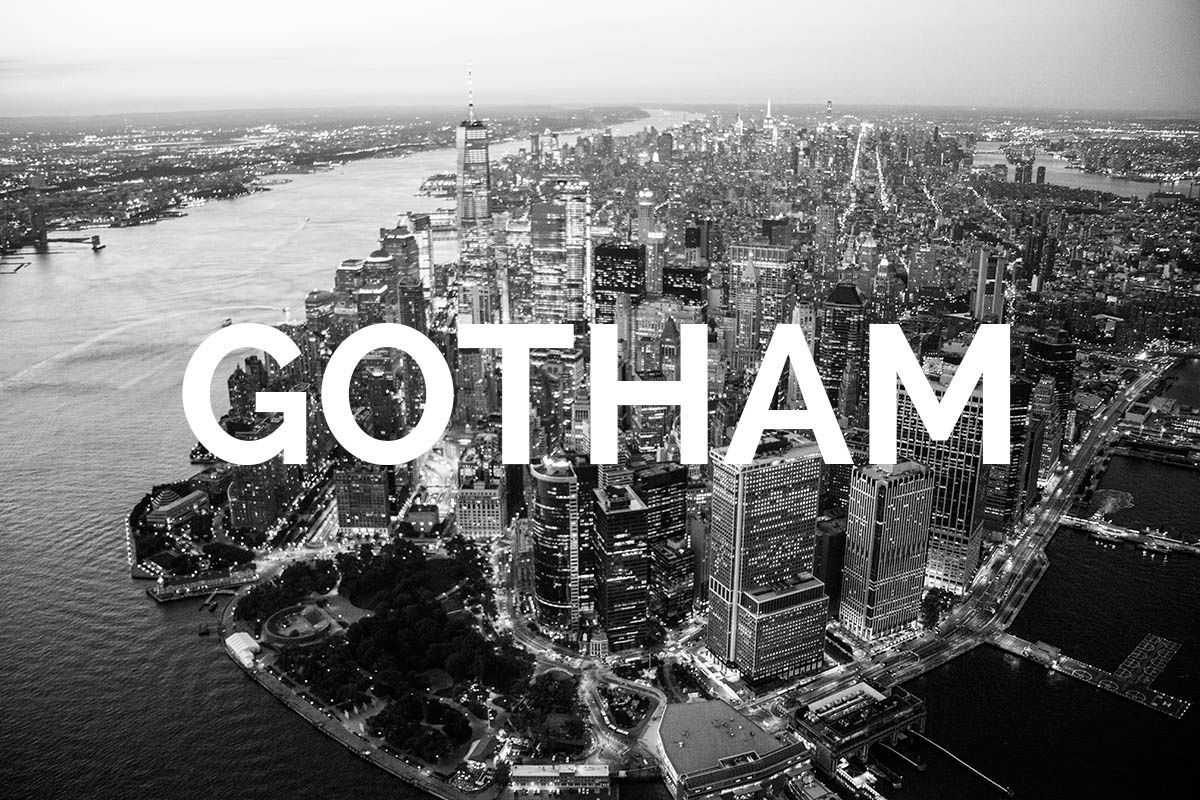
While New York City remains the spiritual heart of Gotham City, various other metropolises have lent their distinctive characteristics to the fictional city, particularly in its numerous film and television adaptations. This global urban blend contributes to Gotham’s rich, multifaceted identity, making it a city that feels both specific and universally recognizable.
Global Urban Blends
Cities like Chicago, with its stunning array of Art Deco and neo-Gothic skyscrapers, has been a significant stand-in for Gotham in several live-action adaptations, most famously Christopher Nolan’s “Dark Knight” trilogy. The architectural prowess of Chicago, coupled with its own history as a gritty industrial powerhouse, provided a perfect backdrop for the realistic, grounded portrayal of Gotham in those films. Travelers visiting Chicago can embark on architectural boat tours or simply wander its downtown streets to discover the striking similarities that make it a cinematic twin to Gotham.
London, with its ancient history, fog-shrouded streets, and Victorian Gothic architecture, often influences the more anachronistic or overtly gothic interpretations of Gotham. The narrow alleys and historic buildings of the UK capital lend themselves well to the darker, more mysterious aspects of Gotham’s character. Other cities like Detroit and Pittsburgh, with their post-industrial landscapes and unique architectural styles, have also served as filming locations, each adding a distinct layer to the visual tapestry of Gotham. This amalgamation of real-world urban characteristics ensures that Gotham remains a dynamic and visually compelling setting across different media.
Filming Locations and Tourist Trails
The use of real cities as filming locations for Gotham City has inadvertently created a unique form of film tourism. Fans often seek out the actual spots where iconic scenes were shot, transforming these locations into temporary “Gotham” experiences. For instance, the majestic Chicago Board of Trade Building or the elevated train lines of the “L” in Chicago become more than just urban infrastructure; they become integral parts of the Batman narrative.
Similarly, specific areas in New York City, even if not explicitly used for major film productions, evoke the spirit of Gotham. Walking through the financial district at night, or exploring the historic buildings around Wall Street, can feel like stepping into the pages of a comic book. This blending of real travel with fictional narratives enriches the journey, offering a layered experience where imagination and reality converge. Travel guides for major cities could even include “Gotham-inspired walks” or “architectural tours” highlighting these connections, catering to a growing niche of film and comic tourism.
Experiencing the “Gotham” Aesthetic in Modern Travel
For the discerning traveler, embracing the “Gotham” aesthetic goes beyond merely visiting a filming location. It’s about immersing oneself in the dramatic grandeur and subtle mystique of urban environments, seeking out experiences that echo the complexity and allure of Batman’s city. This approach to travel taps into themes of luxury travel, unique experiences, and a deeper appreciation for urban lifestyle.
Dark Tourism and Urban Exploration
The “Gotham” aesthetic often aligns with certain aspects of dark tourism or, more broadly, urban exploration that appreciates the grittier, more dramatic side of a city. It’s about finding beauty in imposing architecture, exploring historical districts that whisper tales of bygone eras, and experiencing the city after dark when its true character often emerges. This can involve visiting old industrial areas, exploring historic underground networks (where safe and permitted), or simply observing the interplay of light and shadow on ancient buildings.
Travelers drawn to this style might seek out destinations known for their gothic cathedrals, Art Deco skyscrapers, or labyrinthine medieval city centers. Think of cities like Edinburgh with its ancient closes and towering castle, or even parts of Prague with its gothic bridges and mysterious alleyways. These cities offer a tangible sense of history and drama that resonates with the atmosphere of Gotham, providing a rich tapestry for urban exploration.

Curating Your “Gotham-esque” Itinerary
Creating a travel itinerary inspired by Gotham involves a deliberate choice of accommodation, attractions, and experiences that evoke its unique atmosphere.
- Accommodation: When choosing hotels, look for establishments with grand, classic architecture, perhaps a historical pedigree, or those known for their luxurious yet slightly mysterious ambiance. In New York, a stay at a historic hotel like the Waldorf Astoria (even under renovation) or The Plaza can evoke a sense of old-world glamour and imposing presence. In other cities, seek out boutique hotels housed in historic buildings, offering opulent interiors and perhaps a rooftop bar with dramatic city views. These choices align with the website’s focus on hotels and suites, emphasizing luxury and unique amenities.
- Attractions: Focus on architectural tours that highlight Art Deco, Gothic Revival, or brutalist styles. Visit museums housed in impressive structures, or explore historic districts and landmarks that tell tales of a city’s past struggles and triumphs. Consider visiting observation decks at night to witness the sprawling urban landscape illuminated by countless lights, mimicking Gotham’s perpetually glowing skyline.
- Food and Drink: Immerse yourself in the local culture by dining in historic restaurants or enjoying a cocktail in a sophisticated speakeasy-style bar. These establishments often possess a unique character and ambiance that aligns with the sophisticated yet shadowy aspects of Gotham. Exploring local food scenes can reveal hidden gems and authentic experiences that further enrich the “Gotham-esque” journey.
- Lifestyle Experiences: Whether your budget leans towards luxury travel or a more adventurous budget travel, the “Gotham” lifestyle can be tailored. For a luxury experience, think private tours of architectural masterpieces, exclusive dining, and stays in opulent suites. For budget travelers, urban walking tours, exploring public parks and libraries, and enjoying street food can still offer a profound connection to the city’s character without breaking the bank. The key is to seek out experiences that highlight the city’s unique personality and its dramatic visual appeal.
In conclusion, while Gotham City may not appear on any map, its spirit is deeply embedded in the real urban fabric of New York City and other grand metropolises around the world. Understanding this profound connection between fiction and reality not only enriches our appreciation for comic books and films but also transforms the act of travel into a more imaginative and meaningful journey. By seeking out the architectural echoes, historical nuances, and dramatic atmospheres of these cities, travelers can experience their own “Gotham” adventure, blurring the lines between the tangible world and the limitless realm of imagination.
LifeOutOfTheBox is a participant in the Amazon Services LLC Associates Program, an affiliate advertising program designed to provide a means for sites to earn advertising fees by advertising and linking to Amazon.com. Amazon, the Amazon logo, AmazonSupply, and the AmazonSupply logo are trademarks of Amazon.com, Inc. or its affiliates. As an Amazon Associate we earn affiliate commissions from qualifying purchases.