
For many, the name “Gotham” conjures images of towering skyscrapers, rain-slicked streets, and a palpable sense of urban drama. It’s a city synonymous with a certain kind of brooding, atmospheric intensity, often associated with a caped crusader. But when considering “Gotham” in a real-world context, beyond the realm of fiction, the question arises: is this enigmatic metropolis actually located in [New York] or [Chicago]? This exploration delves into the origins of the name and its enduring connection to American urban landscapes, focusing on the Travel destinations that have inspired and been inspired by this iconic moniker.
The Fictional Metropolis: Gotham’s Origins
The enduring image of “Gotham City” is inextricably linked to the comic books and subsequent adaptations featuring [Batman]. Created by artist [Bob Kane] and writer [Bill Finger], Gotham City was conceived as a fictional metropolis that could embody the dark, gritty, and often gothic elements of a noir cityscape. The name itself is not merely an arbitrary invention; it carries historical and literary weight.
Etymological Roots and Literary Allusions
The name “Gotham” has roots in folklore and literature, predating its association with [Batman] by centuries. Historically, “Gotham” was the name of a village in [Nottinghamshire], [England], known in medieval times for its supposed eccentric inhabitants who engaged in feigned madness to avoid paying taxes to King John. This tale of peculiar wisdom and strategic silliness gave rise to the idiom “wise as a fool of Gotham.”
This association with a place of intriguing character and perhaps a touch of the absurd likely appealed to early comic creators. The idea of a city with its own unique, almost mythical, identity resonated with the evolving narrative of [Batman]. The moniker evokes a sense of gothic grandeur, with a hint of the uncanny, perfectly fitting for a city battling corruption and shadowed by its own dark secrets. The early visions of Gotham often drew inspiration from the architectural styles and bustling, often overwhelming, urban environments of major American cities.
The Visual Inspiration: Which City Looms Largest?
While the name “Gotham” is purely fictional, its visual representation in popular culture has been heavily influenced by real-world urban centers. Early comic book artists, working with limited color palettes and the constraints of print, often depicted Gotham with a dense, sprawling skyline reminiscent of the most ambitious metropolises of the early to mid-20th century.
The architectural styles, from art deco skyscrapers to imposing Gothic Revival structures, frequently mirror elements found in prominent American cities. This has led to ongoing debates and fascination about which city served as the primary muse. While [New York City] is often cited as a primary influence due to its iconic skyline, towering edifices, and its historical position as America’s preeminent urban center, other cities have also contributed to Gotham’s visual identity.
Gotham’s Real-World Echoes: New York City
[New York City], with its unparalleled density, vertical ambition, and historical significance, has consistently been a touchstone for the creation and depiction of “Gotham City.” The sheer scale and diversity of its architecture, from the financial district’s modern towers to the older, more ornate buildings of downtown, provide a rich tapestry that easily translates into the fictional world of Gotham.The Skyline and Architectural Grandeur
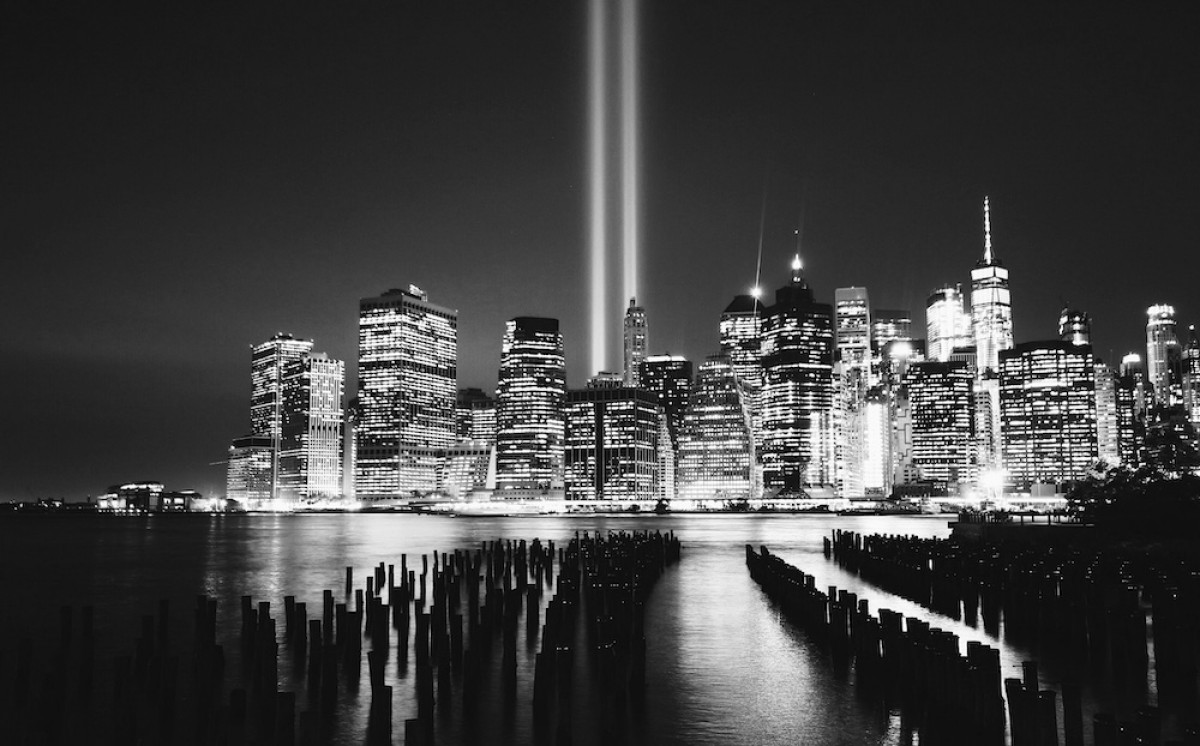
The iconic skyline of [New York City], particularly the vista of Lower [Manhattan] with its cluster of imposing skyscrapers, is perhaps the most immediate visual parallel to Gotham. Buildings like the [Empire State Building] and the [Chrysler Building], with their distinctive art deco designs, evoke a sense of timeless grandeur and urban might that has been reflected in countless depictions of Gotham. The city’s enduring reputation as a global hub of finance, culture, and innovation also aligns with the power and influence often attributed to Gotham, albeit with a darker undertone.
Urban Grit and Character
Beyond the celebrated landmarks, [New York City]’s grittier side – its bustling streets, labyrinthine alleyways, and the constant hum of activity – offers a fertile ground for the noir atmosphere associated with Gotham. The contrast between opulence and decay, the sheer energy of millions of people coexisting, and the ever-present shadows cast by towering structures all contribute to a palpable sense of urban drama that is central to Gotham’s identity. Neighborhoods like [Greenwich Village] or the industrial areas of [Brooklyn] can easily evoke the diverse and sometimes shadowy corners of Gotham.
Cinematic Interpretations: The Big Apple as Gotham

Many filmmakers have explicitly used [New York City] as a stand-in for Gotham City, either by filming on location or by drawing direct inspiration for their set designs. Director [Christopher Nolan]’s “The Dark Knight” trilogy, for instance, famously utilized the industrial landscapes and striking architecture of [Chicago] for many of its Gotham scenes, further blurring the lines and suggesting a multifaceted inspiration. However, earlier cinematic interpretations and the general aesthetic of comic book art have often leaned heavily on the visual cues provided by [New York City]. The presence of a prominent financial district, a strong sense of history, and a reputation for both grand achievement and deep-seated corruption make [New York City] a natural fit.
Gotham’s Other Major Influence: Chicago
While [New York City] often takes center stage in discussions about Gotham’s inspiration, [Chicago] has also played a significant and undeniable role, particularly in more recent cinematic portrayals. [Chicago] boasts a rich architectural history and a distinct urban character that lends itself perfectly to the darker, more industrial aspects of Gotham.
Architectural Prowess and Gothic Revival
[Chicago] is renowned for its pioneering role in modern architecture, with its impressive array of skyscrapers and a strong tradition of Gothic Revival and Art Deco styles. The city’s soaring buildings, particularly those in the downtown [Loop] area, offer a dramatic and imposing cityscape. The blend of historical grandeur and cutting-edge design found in [Chicago] provides a visual palette that can easily translate into Gotham’s complex urban fabric. The architectural heritage, which includes many of the world’s first skyscrapers, offers a sense of monumental scale that is essential to Gotham’s character.The “Dark Knight” Connection
The most prominent association of [Chicago] with Gotham City comes from director [Christopher Nolan]’s highly acclaimed “[The Dark Knight]” trilogy. For the filming of “[Batman Begins],” “[The Dark Knight],” and “[The Dark Knight Rises],” [Chicago] served as the primary filming location and visual inspiration for Gotham. The city’s elevated train lines, its distinctive architectural styles, and its vast, often imposing, urban landscapes were used to create a tangible and believable Gotham. The grimy industrial areas and the stark, often windswept, streets of [Chicago] lent a raw, authentic feel to the fictional city. The distinctive weather patterns and the sheer scale of the urban sprawl in [Chicago] also contributed to the immersive experience of seeing Gotham come to life.
A Contrasting Urban Identity
[Chicago]’s urban identity, while sharing some similarities with [New York City] in terms of scale and energy, offers a distinct flavor. It is often perceived as having a more grounded, perhaps more industrial, feel. This can contribute to a different interpretation of Gotham – one that emphasizes its working-class roots, its manufacturing history, and its more overtly gritty underbelly. The stark beauty of its lakefront, juxtaposed with its dense urban core, provides a unique visual dynamic that has been powerfully leveraged in cinematic representations of Gotham.Beyond the Big Two: Other Urban Inspirations
While [New York City] and [Chicago] are the most frequently cited inspirations for Gotham City, it’s important to acknowledge that the fictional metropolis is a composite, drawing elements from various urban experiences across [America] and beyond. The “idea” of Gotham is a grand, ambitious, and often troubled urban entity that resonates with the experiences of many major cities.
Urban Decay and Renaissance
The concept of a city grappling with crime, corruption, and social decay, yet also possessing resilience and a capacity for renewal, is a theme that echoes in the histories of numerous urban centers. Cities that have undergone periods of significant industrial decline followed by revitalization efforts, such as parts of [Detroit] or older industrial cities in the [Rust Belt], can offer visual and thematic parallels to Gotham’s struggles. The juxtaposition of grand, historic architecture with areas of urban blight and renewal is a common characteristic of many large cities.
The Global Metropolis
In broader terms, the creation of Gotham City can be seen as an embodiment of the universal anxieties and fascinations associated with vast, anonymous urban environments. The sense of being a small individual within an overwhelming system, the potential for both great good and great evil to flourish in such settings, and the very human desire for heroes to emerge from the shadows are themes that transcend any single city. Thus, while [New York] and [Chicago] provide the most concrete visual anchors, the essence of Gotham is a more abstract, archetypal representation of the modern metropolis.

Conclusion: A City of Many Faces
Ultimately, the question of whether Gotham is [New York] or [Chicago] is a testament to the power of fiction to draw inspiration from reality. “Gotham City” is not a single, identifiable location but rather a rich tapestry woven from the distinct characteristics and iconic imagery of America’s greatest urban landscapes.
For the discerning traveler, exploring the architectural marvels and vibrant street life of both [New York City] and [Chicago] can offer a unique opportunity to walk the very streets that have inspired the legend of Gotham. Whether you’re marveling at the art deco splendor of a [New York] skyscraper or navigating the robust urban canyons of [Chicago], you are, in a sense, experiencing the real-world foundations of the world’s most famous fictional city. Each city offers its own unique journey into the heart of what makes a metropolis both awe-inspiring and, at times, a little bit terrifying. The true spirit of Gotham lies not in a single address, but in the collective urban experience that these magnificent cities embody.
LifeOutOfTheBox is a participant in the Amazon Services LLC Associates Program, an affiliate advertising program designed to provide a means for sites to earn advertising fees by advertising and linking to Amazon.com. Amazon, the Amazon logo, AmazonSupply, and the AmazonSupply logo are trademarks of Amazon.com, Inc. or its affiliates. As an Amazon Associate we earn affiliate commissions from qualifying purchases.