
The shimmering pink facade of The Grand Budapest Hotel immediately conjures a world of opulent escapism, unparalleled service, and a delightful, if eccentric, cast of characters. Directed by the inimitable Wes Anderson, this cinematic masterpiece has captivated audiences with its distinctive visual style, whimsical humor, and poignant exploration of a bygone era. But beyond its aesthetic charm and compelling narrative, a question often arises among film enthusiasts and casual viewers alike: Is The Grand Budapest Hotel an anthology?
To answer this, we must first delve into the definition of an anthology and then meticulously unpack the film’s intricate narrative structure, examining how it weaves together multiple storylines and perspectives within its overarching theme. For those passionate about travel, hotels, and the rich tapestry of human experience, this film offers far more than just a story; it presents a profound meditation on the essence of hospitality, the allure of historical landmarks, and the ephemeral nature of luxury lifestyle.

Unpacking the Narrative Layers of a Fictional Landmark
At its core, an anthology is a collection of distinct, self-contained works, often short stories, poems, or films, grouped together under a common theme or by a single author. Each piece typically stands alone, with its own set of characters and plot, even if connected by a loose premise. Think of popular television series like Black Mirror or American Horror Story, where each episode or season tells a completely new story. Given this definition, the direct answer to whether The Grand Budapest Hotel is an anthology is no, not in the traditional sense. However, to dismiss the question outright would be to overlook the film’s profound narrative ingenuity and its masterful use of layered storytelling, which certainly evokes the spirit of an anthology.
The Russian Doll of Storytelling: Defining an Anthology
The essence of an anthology lies in its multiplicity of narratives, each complete within itself. While The Grand Budapest Hotel features multiple storytellers and shifts in perspective, all these threads ultimately converge to tell one singular, overarching tale: the rise and fall of The Grand Budapest Hotel and the enduring legacy of its flamboyant concierge, Monsieur Gustave H..
The film unfolds like a literary Russian doll, revealing layers of narration that transport the viewer through time. It begins in the present day with a young girl visiting the statue of “The Author.” She reads “The Grand Budapest Hotel,” a book penned by the titular author. This author, in his younger days, journeyed to The Grand Budapest Hotel in 1968, where he encountered the hotel’s mysterious owner, an elderly Zero Moustafa, portrayed by F. Murray Abraham. It is Zero who then recounts the central narrative, set primarily in 1932, during the hotel’s golden age, featuring his younger self (Tony Revolori) and the charismatic Monsieur Gustave H., played by Ralph Fiennes.
Each layer, though distinct in its temporal setting and narrator, serves to deepen and contextualize the primary story. The framing devices provide a meta-narrative, reflecting on the power of storytelling, memory, and the passage of time – all central themes that resonate deeply with the travel and tourism industries, which often trade in experiences, memories, and the nostalgia for past adventures.
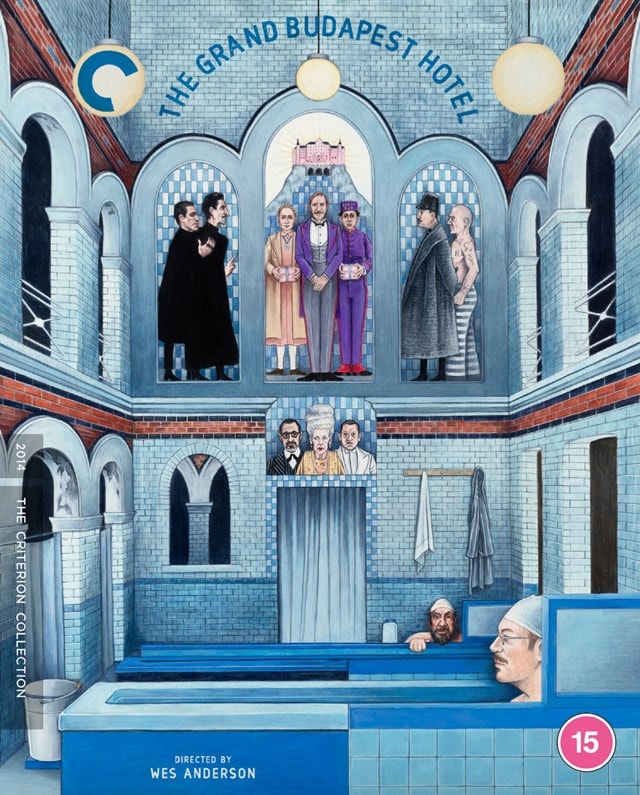
The Grand Budapest Hotel’s Unique Structure: A Story Within a Story
Unlike an anthology, where each story could arguably exist independently, the various narrative layers of The Grand Budapest Hotel are intrinsically intertwined. The author’s journey to the hotel allows him to meet the older Zero, who then unveils the tale of Gustave and young Zero. Without the elder Zero’s recollection, the core adventure – involving a priceless painting, a daring escape, and an unlikely inheritance – would remain untold.
This structure allows Anderson to explore different eras of the hotel, from its vibrant heyday to its decline under communist rule, and finally, its near-abandoned state when the author first visits. It’s a singular saga, meticulously crafted to show the life cycle of a magnificent landmark and the lives touched by its grandeur. This cinematic technique mirrors the way we often experience history when traveling – encountering layers of the past within a single destination, where the present often feels like a memory of what once was. Whether you’re staying in a historic Europe hotel or exploring ancient ruins, the echoes of former inhabitants and their stories are palpable, much like the lingering presence of Gustave in the aged Zero’s narrative.
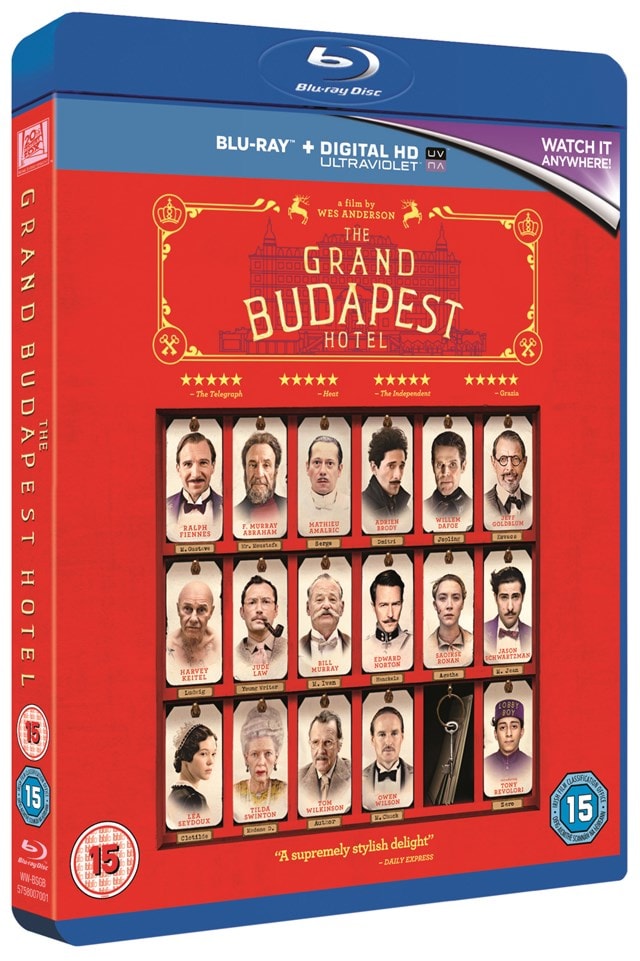
The Hotel as a Character: A Glimpse into a Bygone Era of Luxury Travel
Beyond the narrative structure, The Grand Budapest Hotel itself is arguably the most compelling character in the film. Set in the fictional Republic of Zubrowka, a picturesque Eastern Europe nation caught between empires and wars, the hotel embodies the romance, elegance, and eventual tragedy of a lost age. It is a vibrant landmark, a sanctuary for discerning travelers, and a symbol of luxury accommodation that, like many grand establishments of its kind, faces the relentless march of time and geopolitical upheaval.
Architectural Grandeur and the Allure of Zubrowka
The physical manifestation of The Grand Budapest Hotel is a feast for the eyes, a pastel-pink confection perched majestically amidst snow-capped Alpine mountains. Its elaborate interiors, filmed largely in an abandoned department store in Görlitz, Germany, evoke the lavishness of the Belle Époque and Art Nouveau periods. From the soaring lobbies adorned with intricate frescoes to the plush, velvet-clad suites, every detail screams unparalleled luxury and impeccable design.
This architectural marvel serves as more than just a backdrop; it is a central player in the story, witnessing illicit affairs, dramatic escapes, and the quiet dignity of a disappearing world. For those interested in hotel history and design, The Grand Budapest Hotel is a cinematic guide to the grandeur of institutions like the Ritz Hotel in Paris or the Savoy Hotel in London in their prime. These establishments were not merely places to sleep; they were destinations in themselves, cultural hubs where the elite mingled, deals were struck, and life’s dramas unfolded against a backdrop of unparalleled service. The film’s depiction of Zubrowka also captures the romanticized allure of obscure, yet charming, European destinations that continue to fascinate modern travelers seeking unique experiences off the beaten path.
The Art of Hospitality: Monsieur Gustave H. and the Concierge Tradition
Central to the hotel’s character, and indeed the film’s enduring appeal, is Monsieur Gustave H., the fastidious, poetic, and utterly charming concierge. Gustave embodies the very spirit of hospitality, not just as a profession, but as a philosophy of life. His dedication to his guests, especially the wealthy elderly women he “serviced,” goes far beyond the call of duty. He is a confidante, a companion, a guardian of secrets, and a purveyor of comfort, upholding an impossibly high standard of personalized service that defines true luxury travel.
His relationship with young Lobby Boy Zero Moustafa forms the emotional core of the film. Gustave mentors Zero, teaching him the intricate nuances of hotel management and the etiquette of high society. This mentorship highlights the transmission of a dying art – the old-world charm and exacting standards of a concierge like Gustave. In an age dominated by online booking and automated check-ins, the film serves as a poignant reminder of the irreplaceable human touch in the hospitality industry. It’s a loving tribute to the unsung heroes of hotels, those who ensure every guest experience is not just satisfactory, but truly memorable. Modern luxury chains like Four Seasons and St. Regis strive to maintain this level of bespoke service, a legacy that Gustave would undoubtedly approve of.
Beyond the Story: Exploring Themes of Travel, Culture, and Nostalgia
While its narrative might not fit the strict definition of an anthology, The Grand Budapest Hotel offers a collection of profound themes that resonate with the broader interests of a travel and lifestyle audience. It’s a film about more than just a hotel; it’s about the passage of time, the fading of old cultures, the impact of conflict on innocent lives, and the enduring power of human connection amidst chaos.
Destinations and Experiences: The Fabric of Wes Anderson’s Imagined World
The fictional Republic of Zubrowka is a pastiche of real Eastern Europe nations, drawing inspiration from countries like Czechoslovakia, Hungary, and Austria-Hungary from the interwar period. This imagined setting allows Anderson to create a highly stylized world that feels both familiar and fantastical. The train journeys through snow-laden landscapes, the charming bakeries selling exquisite pastries from Mendl’s, and the dramatic landscapes all contribute to a vivid sense of place, even if that place is largely imagined.
For those who love to travel, the film evokes the romantic idea of the Grand Tour of Continental Europe, where wealthy individuals embarked on extensive journeys to immerse themselves in culture, art, and society. The film’s meticulously crafted world, from the uniforms to the transportation, paints a picture of a sophisticated travel culture that pre-dates mass tourism, where the journey itself was as important as the destination. This speaks to a desire for authentic, curated experiences that continues to drive niche tourism today, from luxury train travel akin to the Orient Express to stays in meticulously preserved historic accommodations. The film subtly reminds us of the power of place, both real and imagined, to shape our experiences and memories.
Lifestyle and Legacy: What the Film Teaches Us About Luxury Accommodation
Beyond the adventure, The Grand Budapest Hotel is a deep dive into a particular lifestyle – one defined by elegance, meticulous attention to detail, and a certain kind of old-world charm. The film’s vibrant color palette, symmetrical framing, and rapid-fire dialogue are all characteristic of Wes Anderson’s unique aesthetic, but they also serve to highlight the artificiality and fragility of this idyllic lifestyle.
The story is set against the ominous backdrop of an impending World War II-like conflict, which gradually encroaches upon and ultimately shatters the peaceful existence enjoyed within the hotel’s walls. The transformation of The Grand Budapest Hotel from a lavish, pastel palace to a stark, utilitarian, communist-era structure is a powerful visual metaphor for the loss of innocence and the inevitable decline of grandeur in the face of historical forces.
Zero Moustafa’s decision to maintain ownership of the dilapidated hotel, pouring his fortune into its upkeep, is a poignant act of remembrance and devotion. It’s not about profit or lavish living anymore; it’s about preserving the memory of Gustave and the golden age they shared. This speaks to the enduring appeal of historic hotels and landmarks – not just as tourist attractions, but as custodians of history, culture, and personal legacies. Think of the Imperial Hotel in Vienna or the Gresham Hotel in Dublin, which stand today as monuments to their past, offering a tangible link to different eras of travel and hospitality.
The film, inspired in part by the writings of Stefan Zweig, captures a profound sense of nostalgia for a lost Europe – a more elegant, perhaps naive, Europe that existed before the catastrophic conflicts of the 20th century. It invites viewers to reflect on the cyclical nature of history, the ephemeral beauty of human creations, and the importance of holding onto cherished memories and traditions. For those who curate their travel experiences around historical significance and cultural immersion, The Grand Budapest Hotel offers a masterclass in appreciating the layers of history that define so many of our favorite destinations, from Budapest to Prague to Berlin.
In conclusion, while The Grand Budapest Hotel doesn’t strictly adhere to the definition of an anthology, its multi-layered narrative and thematic depth certainly give it an anthological feel. It’s a single, epic story told through multiple lenses, showcasing the life of a magnificent hotel and the memorable characters who inhabited it. For enthusiasts of hotels, travel, and the finer aspects of life, the film is a vibrant and moving testament to the enduring power of hospitality, the allure of grand destinations, and the poignant beauty of a world that, though lost to time, lives on vividly through the art of storytelling. It’s an invitation to experience, even vicariously, the unforgettable journey of a landmark and the souls intertwined with its destiny.