
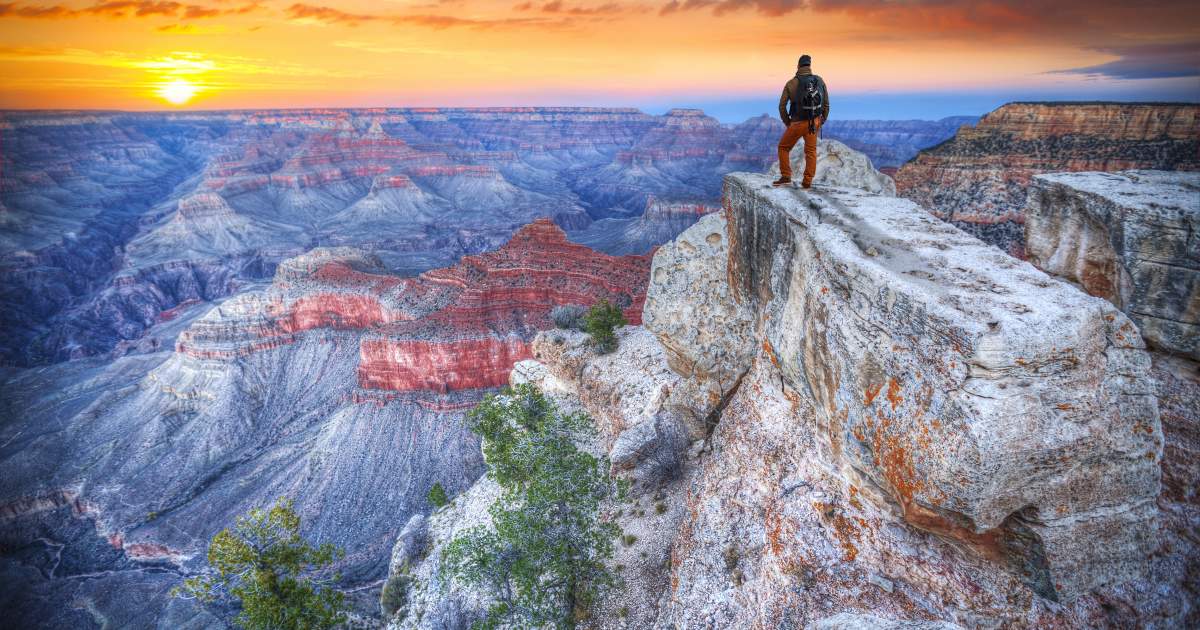
Embarking on a journey to the majestic Grand Canyon is a dream for countless travelers worldwide. While its sheer scale and breathtaking vistas are legendary, understanding the practicalities of visiting this natural wonder is key to a seamless and unforgettable experience. For many, the vibrant mountain city of Flagstaff, Arizona, serves as the ideal gateway. Known for its cool pine forests, historic downtown, and proximity to a wealth of Northern Arizona attractions, Flagstaff offers a perfect blend of convenience, comfort, and adventure.
The burning question for many prospective visitors is precisely how far the Grand Canyon is from Flagstaff. The answer, thankfully, is “not far at all,” making Flagstaff an indispensable part of any Grand Canyon itinerary. The primary access point for most tourists is the Grand Canyon’s South Rim, renowned for its accessibility, numerous viewpoints, and extensive visitor services. From Flagstaff, the drive to the South Rim is roughly 80 miles (approximately 129 kilometers), translating to an average driving time of 1 hour and 30 minutes to 2 hours, depending on traffic, road conditions, and your specific destination within the park. This manageable distance makes day trips from Flagstaff to the Grand Canyon incredibly popular and entirely feasible, allowing travelers to experience one of the world’s most spectacular landmarks without the need for extensive travel or overnight stays within the park itself, although both options present their own unique advantages.
The Journey: Routes, Scenic Drives, and Travel Times
The drive from Flagstaff to the Grand Canyon South Rim offers more than just a means to an end; it’s an integral part of the adventure, traversing diverse Arizona landscapes. Two main routes lead from Flagstaff to the heart of Grand Canyon National Park, each offering distinct advantages and scenic beauty.
Direct Route via US-180 North
The most direct and generally fastest route takes you north from Flagstaff on U.S. Route 180. This route is well-maintained and provides a straightforward drive through pine forests, eventually opening up to more arid landscapes as you approach the canyon. You’ll drive approximately 52 miles (84 km) on US-180 North until you reach the junction with Arizona State Route 64 (also known as AZ-64 or the Desert View Drive and South Entrance Road). Turning right onto AZ-64 will lead you directly to the Grand Canyon South Entrance and Grand Canyon Village. This option typically takes the aforementioned 1.5 to 2 hours. This route is often preferred for those aiming to minimize travel time and get straight to the iconic viewpoints like Mather Point and Yavapai Point.
Scenic Route via US-89 North and Desert View Drive
For travelers who appreciate a more scenic drive and wish to explore the Grand Canyon’s East Entrance, the route via U.S. Route 89 North is an excellent choice. This route starts by heading north out of Flagstaff on US-89 for about 50 miles (80 km) to Cameron, a small trading post known for its Native American crafts. From Cameron, you turn west onto AZ-64, which becomes the famous Desert View Drive as it enters the park from the east.
This route adds about 30-45 minutes to the overall driving time, making it approximately 2 to 2.5 hours of pure driving, not including stops. However, the extra time is well worth it for the stunning vistas along Desert View Drive. This section of the park road offers multiple overlooks, including the iconic Desert View Watchtower, offering panoramic views of the Colorado River and the eastern reaches of the canyon. It’s an exceptional way to gradually introduce yourself to the grandeur of the Grand Canyon before reaching the more crowded central village area.
Other Transportation Options
While driving is the most flexible way to travel, other options exist for those preferring not to drive:
- Organized Tours and Shuttles: Numerous tour operators in Flagstaff offer guided day trips to the Grand Canyon. These tours often include transportation, a knowledgeable guide, and stops at key viewpoints, providing a hassle-free experience.
- Grand Canyon Railway: For a truly unique and historic experience, consider taking the Grand Canyon Railway from Williams, Arizona. Williams is approximately 30 miles (48 km) west of Flagstaff via Interstate 40. The train journey transports passengers back to a bygone era, offering live entertainment and scenic views before arriving directly at the South Rim. This is a fantastic option for families and those seeking a relaxed journey.
- Air Tours: For a truly spectacular and luxurious perspective, helicopter or fixed-wing aircraft tours depart from Grand Canyon Airport (near Tusayan, a short drive from Grand Canyon Village) or even directly from Flagstaff Pulliam Airport. These tours provide unparalleled aerial views of the canyon’s immense scale and intricate geology, making for an unforgettable travel experience.
Why Flagstaff is the Perfect Gateway to the Grand Canyon
Beyond its convenient proximity, Flagstaff offers a compelling array of reasons to establish it as your base camp for a Grand Canyon adventure. Its high elevation (7,000 feet / 2,135 meters) means cooler temperatures, especially welcome during Arizona’s hot summers, and it boasts a distinct mountain town charm.
A Hub of Culture, Food, and Activities
Flagstaff’s historic downtown, centered along a vibrant stretch of Historic Route 66, is a treasure trove of unique shops, art galleries, craft breweries, and diverse restaurants. From casual eateries serving hearty American fare to upscale dining experiences, the local food scene caters to all tastes. The city’s status as a university town (home to Northern Arizona University) imbues it with a youthful energy and a thriving local culture.
Moreover, Flagstaff is an outdoor enthusiast’s paradise. Surrounded by the largest contiguous Ponderosa Pine forest in the world, it offers endless opportunities for hiking, mountain biking, and even skiing at Arizona Snowbowl on the slopes of Humphreys Peak in the winter. Other nearby attractions include Walnut Canyon National Monument with its ancient cliff dwellings, the volcanic landscapes of Sunset Crater Volcano National Monument, and the ancient pueblo ruins of Wupatki National Monument. For stargazers, the Lowell Observatory, where Pluto was discovered, offers fascinating evening programs.
Accommodation Choices and Amenities
As a major tourism hub, Flagstaff provides an extensive range of accommodation options to suit every budget and preference. From luxury resorts and boutique hotels to budget-friendly motels, charming bed and breakfasts, and family-friendly vacation rentals, visitors can find precisely what they need. Many hotels in Flagstaff offer amenities such as swimming pools, fitness centers, and complimentary breakfasts, enhancing the overall travel experience. Booking in Flagstaff also offers more flexibility and often better value compared to the limited and high-demand lodging options within Grand Canyon National Park.
Planning Your Grand Canyon Adventure from Flagstaff
A successful Grand Canyon trip begins with careful planning, and leveraging Flagstaff as your base provides strategic advantages.
Best Time to Visit
The Grand Canyon South Rim is open year-round, but the shoulder seasons (spring: April-May, and fall: September-October) are generally considered the best times to visit. During these months, the weather is pleasant, crowds are lighter than in summer, and you can enjoy comfortable temperatures for hiking and sightseeing. Summer (June-August) brings the largest crowds and highest temperatures, though Flagstaff’s elevation makes it a cooler retreat. Winter (November-March) offers a unique, often snow-dusted, and tranquil experience of the canyon, with fewer visitors, though some roads and trails may be affected by snow and ice.
Essential Packing Tips
Regardless of the season, dressing in layers is crucial due to the dramatic temperature swings possible at the canyon’s rim and within the canyon itself.
- Sun Protection: Sunscreen, hats, and sunglasses are essential year-round, as the Arizona sun is intense.
- Hydration: Carry plenty of water, especially if you plan to hike. Dehydration is a significant risk in the arid environment.
- Comfortable Footwear: Sturdy, broken-in hiking shoes are a must for exploring viewpoints and trails.
- Camera Gear: Don’t forget your camera, extra batteries, and memory cards to capture the incredible vistas.
- Layered Clothing: Even in summer, evenings at the rim can be cool. In colder months, pack warm jackets, gloves, and hats.
- Park Map and Guide: Pick up a map at the visitor center or download one beforehand.
- Snacks: While food options are available, having your own snacks can be convenient, especially for longer excursions.
Navigating the Grand Canyon South Rim
Upon arrival at the South Rim, take advantage of the efficient National Park Service shuttle system. These free shuttles operate extensively through Grand Canyon Village and along scenic routes like Hermit Road, minimizing traffic congestion and providing easy access to numerous viewpoints and trailheads. Popular hiking trails such as the Bright Angel Trail and South Kaibab Trail offer opportunities to descend into the canyon, though even short walks along the paved Rim Trail provide awe-inspiring views. Always be mindful of your physical limits, especially when hiking down into the canyon, as the return ascent is considerably more strenuous.
Maximizing Your Experience: Beyond the Distance
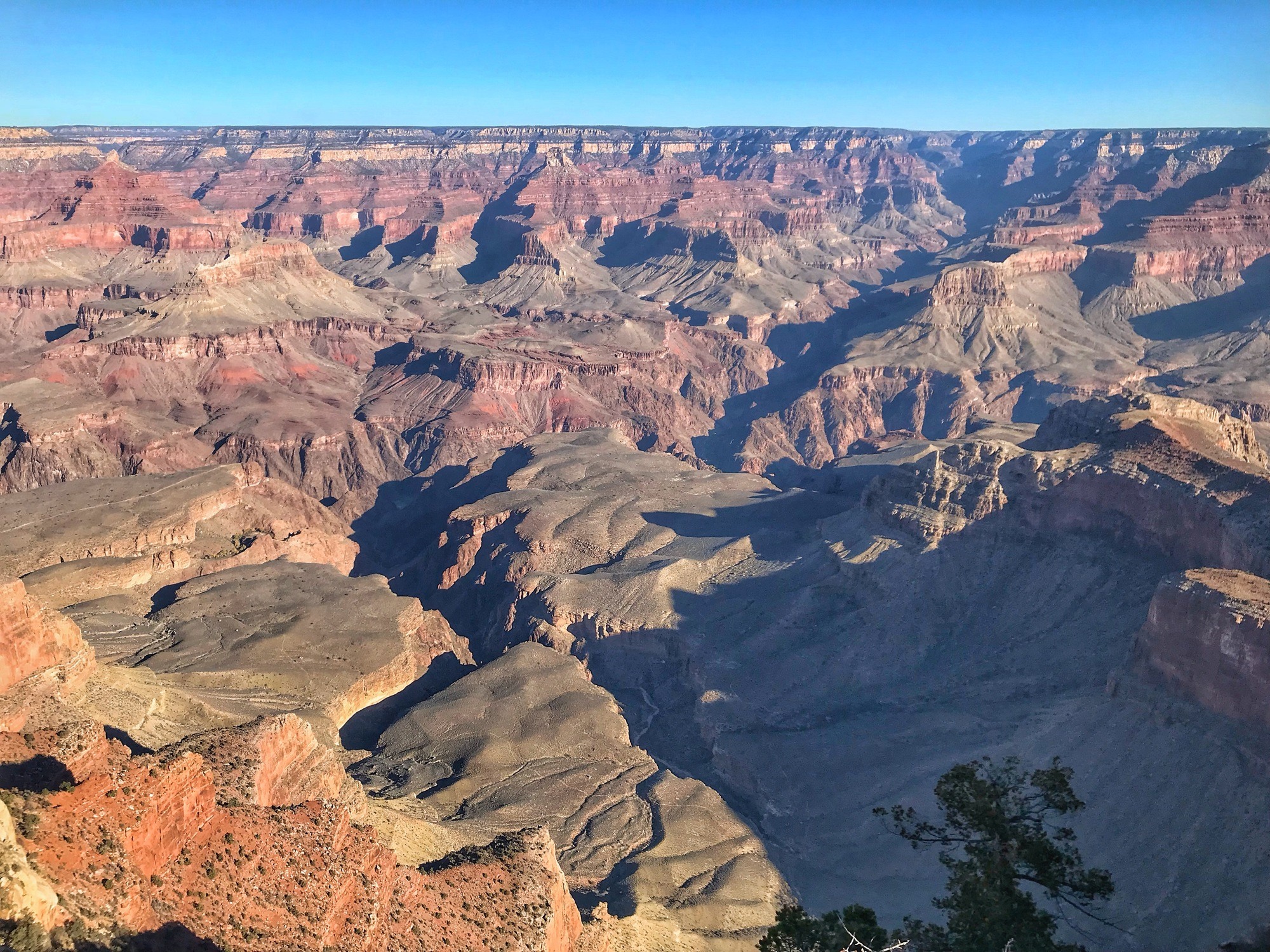
The close proximity of the Grand Canyon to Flagstaff unlocks a multitude of possibilities for a richer travel experience. Instead of rushing a day trip, consider extending your stay in Flagstaff for several nights, allowing you to thoroughly explore both the natural wonders of the canyon and the charming attractions of the city.
This approach offers the flexibility to visit the Grand Canyon over multiple days, perhaps dedicating one day to the eastern viewpoints via Desert View Drive and another to the western Hermit Road section, accessible only by shuttle for most of the year. You can catch a sunrise or sunset at the canyon without the rush of driving back to a distant city. Staying in Flagstaff also means you have a wider variety of dining options and evening entertainment after a day of strenuous hiking or sightseeing.
For those planning a longer Arizona adventure, Flagstaff’s central location makes it an ideal base for exploring other iconic destinations. The red rocks of Sedona are just a 45-minute drive south, offering a completely different but equally stunning landscape. Further afield, Phoenix and Las Vegas are accessible within a few hours, positioning Flagstaff as a pivotal point in a larger Southwest itinerary.
In conclusion, the Grand Canyon’s proximity to Flagstaff, Arizona, approximately 80 miles and a 1.5 to 2-hour drive, firmly establishes Flagstaff as the quintessential launchpad for your exploration of this geological marvel. Whether you seek a convenient day trip, a multi-day immersion, or a stop on a grander Southwest road trip, Flagstaff provides the perfect blend of accessibility, amenities, and attractions to ensure your visit to the Grand Canyon is as smooth and enriching as the canyon views are breathtaking. By choosing Flagstaff, you’re not just finding a place to sleep; you’re securing a prime position to unlock the full spectrum of Northern Arizona’s natural beauty and vibrant local lifestyle.
LifeOutOfTheBox is a participant in the Amazon Services LLC Associates Program, an affiliate advertising program designed to provide a means for sites to earn advertising fees by advertising and linking to Amazon.com. Amazon, the Amazon logo, AmazonSupply, and the AmazonSupply logo are trademarks of Amazon.com, Inc. or its affiliates. As an Amazon Associate we earn affiliate commissions from qualifying purchases.