
For fans of gripping drama, heroic storytelling, and the undeniable charm of a bustling American metropolis, few shows resonate quite like Chicago Fire. Part of Dick Wolf’s expansive One Chicago franchise, this beloved series has captivated audiences for over a decade, pulling them into the high-stakes world of firefighters and paramedics at Firehouse 51. But beyond the compelling narratives and character arcs, a significant part of the show’s appeal lies in its authentic backdrop. Unlike many productions that rely on sound stages or generic urban settings, Chicago Fire is proudly and profoundly rooted in its namesake city. It’s not just set in Chicago; it’s filmed there, embracing the city’s vibrant energy, iconic architecture, and diverse neighborhoods as an integral part of its identity.
This commitment to on-location shooting offers a unique opportunity for enthusiasts of both the show and urban travel. Far from a mere fictional backdrop, Chicago transforms into a tangible destination where the lines between television and reality beautifully blur. For those planning a trip, understanding the filming locations not only enhances the viewing experience but also provides an extraordinary guide to exploring the heart of the Windy City. From the actual fire station that doubles as Firehouse 51 to the iconic establishments that inspire its fictional counterparts, Chicago offers a treasure trove of attractions for any fan. This article serves as your ultimate travel guide, delving into the precise spots where the magic happens and how you can immerse yourself in the authentic Chicago lifestyle, discovering the city as more than just a setting, but a character in itself. Prepare to step into the world of Chicago Fire and experience the real Chicago, Illinois, USA.
The Heart of the Action: Filming Locations in Chicago
The authenticity of Chicago Fire is a cornerstone of its success, largely thanks to its dedication to filming primarily on location throughout Chicago. This means that many of the places viewers see on screen are not elaborate sets but real, functioning buildings and vibrant cityscapes. This commitment to realism offers an unparalleled opportunity for fans to engage in a unique form of tourism, often referred to as “set-jetting,” where travelers visit locations featured in their favorite films and TV shows. For Chicago Fire aficionados, this means a chance to walk in the footsteps of their beloved characters, experiencing the very places that bring the drama to life. These locations range from active public service buildings to beloved local haunts, each offering a distinct flavor of the city. Visiting these sites isn’t just about seeing where a scene was shot; it’s about feeling the pulse of Chicago, understanding the local culture, and appreciating the intricate dance between television production and urban life. From the iconic firehouse that serves as the central hub to the popular pub where characters unwind, these real landmarks invite fans to become a part of the Chicago Fire narrative.
Firehouse 51: A Real-Life Hero Hub
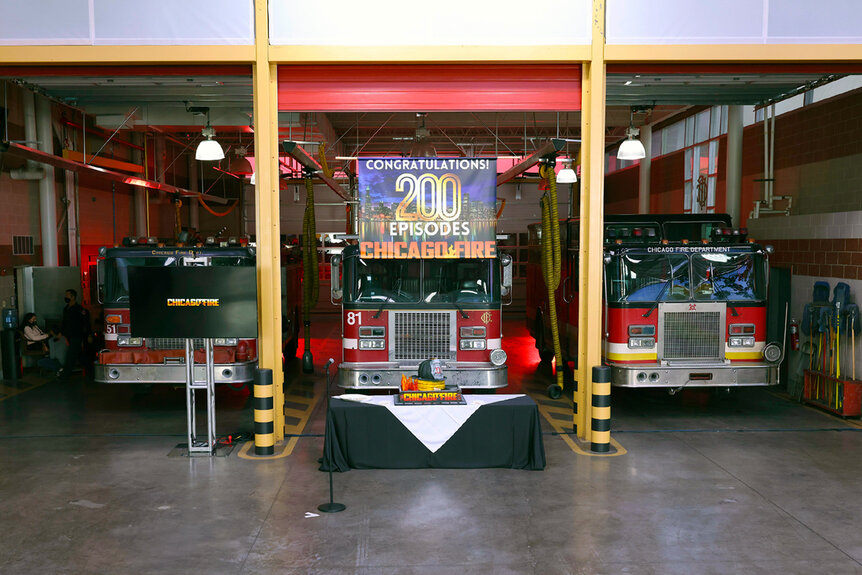
Perhaps the most iconic and recognizable filming location for Chicago Fire is the exterior of Firehouse 51 itself. Far from a Hollywood set, this is an actual, operational fire station: Engine 18 on 1360 S. Blue Island Ave in the Near West Side neighborhood of Chicago. This historic firehouse, with its distinct brick facade and large bay doors, has become a pilgrimage site for fans visiting the city. The production team uses the exterior of the station extensively for establishing shots and scenes involving fire trucks and ambulances departing for emergencies. While the interior shots of Firehouse 51 are primarily filmed on a sound stage at Cinespace Chicago Film Studios, the authenticity provided by the real exterior is invaluable.
Visitors often gather respectfully outside, hoping to catch a glimpse of filming or simply to soak in the atmosphere. It’s important to remember that this is a working fire station, so proper etiquette and safety should always be observed. The real firefighters of Engine 18 are known to be friendly and accommodating to fans, often interacting when time and circumstances permit, adding a layer of genuine experience to the visit. This particular landmark offers more than just a photo opportunity; it’s a living testament to the heroic work of first responders, grounding the fictional drama in a very tangible reality. For any fan planning a Chicago itinerary, a stop at Engine 18 is an absolute must, bridging the gap between screen and street in a truly impactful way. It showcases how tourism can intersect with community life, offering a glimpse into the everyday courage celebrated in the series.
Molly’s Pub: Where Cast and Fans Mingle (Almost)
Another beloved location instantly recognizable to Chicago Fire viewers is Molly’s Pub, the fictional watering hole where the firefighters and paramedics unwind, share stories, and navigate their personal lives. In reality, Molly’s Pub is brought to life by a real Chicago establishment: Lottie’s Pub. Located in the vibrant Bucktown neighborhood at 1925 W. Cortland St, Lottie’s has been a neighborhood staple for decades, long before its television fame. The pub’s classic Chicago charm, complete with dark wood, traditional barstools, and a cozy atmosphere, made it the perfect choice to portray Molly’s.
Unlike the firehouse, Lottie’s Pub is frequently used for both exterior and interior shots, meaning fans can literally step inside the space where countless pivotal scenes have unfolded. While filming typically occurs on specific days and might require temporary closures, when the cameras aren’t rolling, Lottie’s operates as a normal bar and restaurant. This provides an excellent opportunity for visitors to experience a slice of authentic Chicago lifestyle, enjoying a drink or a meal in a place imbued with television history. The pub often embraces its celebrity status, making it a welcoming spot for fans. Experiencing Lottie’s Pub offers a chance to engage with the city’s local culture and perhaps even imagine themselves sharing a pint with their favorite characters. It’s a fantastic example of how real Chicago attractions enhance the show’s narrative, inviting fans to deepen their connection with the series by exploring its tangible roots. For those embarking on a Chicago adventure, a visit to Lottie’s is an essential part of the Chicago Fire tourism itinerary, offering a relaxed yet exciting experience.
The Hub of Production: Cinespace Chicago Film Studios
While Chicago Fire extensively utilizes the vibrant streets and existing architecture of Chicago, a significant portion of the interior filming for the series, along with its sister shows Chicago P.D. and Chicago Med, takes place at Cinespace Chicago Film Studios. Located on the city’s Near West Side, Cinespace is one of the largest film production facilities outside of Los Angeles and New York City, spanning over 1.45 million square feet across 50 acres. This sprawling studio complex houses numerous sound stages where the intricate interior sets for Firehouse 51, District 21 (for Chicago P.D.), and the hospital (for Chicago Med) are meticulously constructed and brought to life.
These studios are crucial for allowing the production team to control lighting, sound, and special effects, creating a seamless viewing experience that blends perfectly with the on-location exterior shots. For example, the detailed bunk rooms, the common area, and the Chief’s office within Firehouse 51 are all carefully replicated sets within Cinespace. While Cinespace Chicago Film Studios is not generally open to public tours, its existence underscores Chicago’s growing prominence as a major filmmaking hub. It represents the logistical heart of the One Chicago franchise and many other film and television projects, contributing significantly to the city’s economy and creative lifestyle. Understanding the role of Cinespace adds another layer to appreciating the scale and complexity of bringing a show like Chicago Fire to life, showcasing the significant infrastructure that supports modern television production and solidifying Chicago’s reputation as a top-tier destination for creative industries.
Exploring Chicago Beyond the Set: A Fan’s Travel Guide
While the specific filming locations offer a direct connection to the world of Chicago Fire, a visit to Chicago offers much more than just a TV-themed pilgrimage. The city itself is a vibrant tapestry of culture, history, architecture, and gastronomy, making it an exceptional travel destination in its own right. The beauty of Chicago Fire’s filming approach is that it seamlessly integrates the city’s most recognizable landmarks and everyday scenes into its narrative. This means that as you explore Chicago, you’re not just seeing tourist spots; you’re also traversing the very streets and gazing upon the very buildings that have played a role in the dramatic events of Firehouse 51.
For fans, this offers an enriched experience. Every turn could reveal a familiar backdrop, every skyline view could evoke a memorable scene. Beyond the dedicated filming locations, the city’s diverse neighborhoods, world-class museums, renowned culinary scene, and stunning natural beauty — from the shores of Lake Michigan to the winding Chicago River — all contribute to the authentic ambiance that defines the show. This section will guide you through iconic Chicago sights that frequently appear on screen, and provide tips for curating a Chicago Fire-themed itinerary that balances show appreciation with a broader exploration of this magnificent destination. It’s an invitation to engage in a deeper level of tourism, where the show acts as a lens through which to discover the truly remarkable facets of the Windy City.
Iconic Chicago Landmarks You’ll Spot on Screen

Chicago Fire is a love letter to Chicago, and the show frequently showcases the city’s most famous landmarks. As you journey through the city, you’ll undoubtedly recognize many of these prominent features, which often serve as backdrops for various emergencies or establishing shots. The towering skyscrapers of the Chicago skyline are a constant presence, most notably the majestic Willis Tower (formerly the Sears Tower), which frequently punctuates panoramic views. Its distinctive form is unmistakable and often appears when characters are gazing out over the city.
Millennium Park and its crown jewel, Cloud Gate, affectionately known as “The Bean,” are also popular spots. These contemporary art installations and green spaces often serve as vibrant urban backdrops, reflecting the city’s modern appeal. The bustling Michigan Avenue, home to the Magnificent Mile with its high-end shops and historic buildings, provides endless opportunities for recognizable street scenes and establishing shots of city life. The iconic Chicago River, with its stunning architecture boat tours, and its numerous bridges, is another recurring element, often shown with fire boats in action or as a picturesque setting.
Further east, Navy Pier, a sprawling complex offering entertainment, restaurants, and unparalleled views of Lake Michigan and the skyline, also makes appearances. Its Ferris wheel and distinctive features are easily spotted. Even the exterior of Rush University Medical Center is often used for hospital scenes, especially for Chicago Med, adding another layer of reality to the One Chicago universe. Integrating these famous places into your travel plans allows you to appreciate Chicago’s grandeur while simultaneously recognizing the familiar canvas of your favorite show. These attractions are not just scenic spots; they are active participants in the ongoing drama of Chicago Fire, making a tour of Chicago’s landmarks an immersive experience for any dedicated fan.
Curating Your Chicago Fire-Themed Itinerary
Designing a Chicago Fire-themed itinerary allows you to blend your passion for the show with an enriching travel experience in the Windy City. Start your day at Engine 18 on 1360 S. Blue Island Ave, taking photos of the iconic Firehouse 51 exterior. Remember to be respectful, as it’s a functioning emergency service building. From there, head north to the Bucktown neighborhood to visit Lottie’s Pub at 1925 W. Cortland St. Enjoy a casual lunch or a drink at the real-life Molly’s, soaking in the local atmosphere and imagining your favorite characters at the bar. This area also offers charming boutique shops and cafes for further exploration.
In the afternoon, immerse yourself in the wider Chicago landscape that frequently appears in the show. Consider an architecture boat tour on the Chicago River, which not only offers stunning views of the city’s iconic architecture but also gives you a different perspective on the waterways often featured in emergency scenes. Afterward, stroll through Millennium Park to see Cloud Gate and then walk along the Magnificent Mile on Michigan Avenue, recognizing the bustling urban backdrop of many episodes. For dinner, embrace Chicago’s renowned food culture with a classic deep-dish pizza or a Chicago-style hot dog.
While Cinespace Chicago Film Studios isn’t accessible to the public, you can drive by the area to get a sense of the production hub. Remember, Chicago is a large city, so utilize its excellent public transportation or ride-sharing services. For those interested in extended stays, combining this themed day with visits to other world-class attractions like the Art Institute of Chicago or the Field Museum will create a well-rounded travel experience. Whether you’re planning a budget travel trip or a more luxury travel escape, Chicago offers diverse activities and experiences to cater to every lifestyle.
Accommodation and Lifestyle for Your Chicago Visit
Visiting Chicago to explore the filming locations of Chicago Fire is more than just a sightseeing trip; it’s an opportunity to immerse yourself in the vibrant urban lifestyle of one of America’s greatest cities. To truly enhance this experience, choosing the right accommodation is paramount. Chicago boasts an extensive array of hotels, resorts, apartments, and villas, catering to every budget and preference, from luxurious suites with breathtaking skyline views to cozy boutique hotels nestled in charming neighborhoods. Your choice of stay can significantly impact your access to attractions, dining, and the overall atmosphere of your trip.
Beyond where you sleep, embracing the local Chicago lifestyle will enrich your journey. This means engaging with the city’s celebrated food scene, exploring its diverse arts and culture, and understanding the rhythm of daily life in the Windy City. Whether you’re traveling solo, with family trips, or on a business stay, Chicago offers a dynamic environment that caters to a wide range of interests. This section will provide guides on finding your ideal accommodation and offer tips on how to live like a local, ensuring your Chicago Fire tourism adventure is as comfortable and immersive as possible. From booking strategies to understanding neighborhood vibes, we’ll help you make the most of your visit to this magnificent city.
Finding Your Perfect Stay in the Windy City
Chicago offers a vast and varied landscape of accommodation options to suit any traveler’s needs and desires. For those seeking luxury and prime location, the Downtown Chicago area, particularly along the Magnificent Mile and in River North, boasts world-class hotels like The Langham Chicago, known for its opulent suites and impeccable amenities, or historic gems like the Palmer House Hilton. Major chains such as Hyatt, Hilton, and Marriott have numerous properties offering a range of price points and amenities, often with stunning views of the Chicago River or Lake Michigan. These resorts and high-rise hotels are perfect for those prioritizing convenience to major attractions and a sophisticated urban lifestyle.
For travelers seeking a more localized or boutique hotel experience, neighborhoods like Lincoln Park, Gold Coast, or Wicker Park offer charming independent hotels and guesthouses. The Thompson Chicago in Gold Coast is a popular choice for its stylish design and vibrant neighborhood setting. These areas provide a deeper dive into local culture, often with unique dining options and a more intimate feel, suitable for budget travel or those preferring less corporate environments.
Vacation rentals through platforms like Airbnb or VRBO are also abundant, offering apartments and villas that can be ideal for family trips, long-term stays, or groups. They provide kitchen facilities and a home-away-from-home atmosphere, allowing for greater flexibility and often more affordable accommodation compared to traditional hotels. When booking, consider the proximity to your planned Chicago Fire itinerary and other attractions, read reviews, and utilize comparison sites to find the best deals. Regardless of your choice, ensuring comfortable and well-located accommodation will significantly enhance your exploration of Chicago and its connection to the beloved TV series.
Embracing the Local Chicago Lifestyle
Beyond the filming locations and tourist attractions, truly experiencing Chicago means embracing its unique local culture and lifestyle. The city is a melting pot of diverse communities, each contributing to its vibrant character. To live like a local, delve into the culinary scene beyond just deep-dish pizza and Chicago-style hot dogs (though these are essential food experiences). Explore ethnic neighborhoods like Pilsen for authentic Mexican cuisine, or Andersonville for Swedish heritage and charming boutiques.
Engage with Chicago’s thriving arts scene by catching a show at a historic theater in the Theater District or visiting one of the city’s many art galleries. The music scene, particularly jazz and blues, is legendary; seek out a live performance at a local club to immerse yourself in this rich history. For sports enthusiasts, attending a Cubs game at Wrigleyville or a Bulls or Blackhawks game at the United Center offers a quintessential Chicago experience.
Consider utilizing the ‘L’ train, Chicago’s elevated public transit system, to navigate the city. It’s an efficient and authentic way to travel, offering unique views of the urban landscape. Discover hidden parks and lesser-known public art installations by wandering off the main tourist paths. For a truly immersive visit, consider joining a local walking tour focused on Chicago’s architecture or specific neighborhoods. Whether your trip is geared towards luxury travel or budget travel, integrating these tips into your travel plans will allow you to connect with the city on a deeper level, making your Chicago Fire tourism adventure a truly unforgettable experience of the real Windy City.
The allure of Chicago Fire extends far beyond the screen, inviting fans and travelers alike to explore the magnificent city that serves as its authentic backdrop. From the real Firehouse 51 to the vibrant local pub that doubles as Molly’s, Chicago offers a tangible connection to the beloved series. By integrating these filming locations with the city’s iconic landmarks, diverse neighborhoods, and rich cultural tapestry, visitors can craft a unique and immersive travel experience. Whether you’re seeking luxury hotels or boutique accommodation, engaging in local food experiences, or simply soaking in the urban lifestyle, Chicago promises an unforgettable adventure. So, pack your bags and prepare to discover the Windy City – where the heroism of Chicago Fire comes alive in every street, building, and smiling face.
LifeOutOfTheBox is a participant in the Amazon Services LLC Associates Program, an affiliate advertising program designed to provide a means for sites to earn advertising fees by advertising and linking to Amazon.com. Amazon, the Amazon logo, AmazonSupply, and the AmazonSupply logo are trademarks of Amazon.com, Inc. or its affiliates. As an Amazon Associate we earn affiliate commissions from qualifying purchases.