
For many travelers planning a trip to New York City, the vibrant borough of Harlem often sparks a question that carries historical baggage: “Is Harlem safe?” This concern, while understandable given past perceptions, often overshadows the reality of a community that has undergone significant transformation and today stands as one of New York City’s most culturally rich, dynamic, and welcoming neighborhoods. Far from being a place to avoid, Harlem offers an unparalleled travel experience, brimming with history, music, art, and an incredible culinary scene. This comprehensive guide will delve into Harlem’s safety, explore its unique attractions, and provide practical tips for an unforgettable and secure visit.
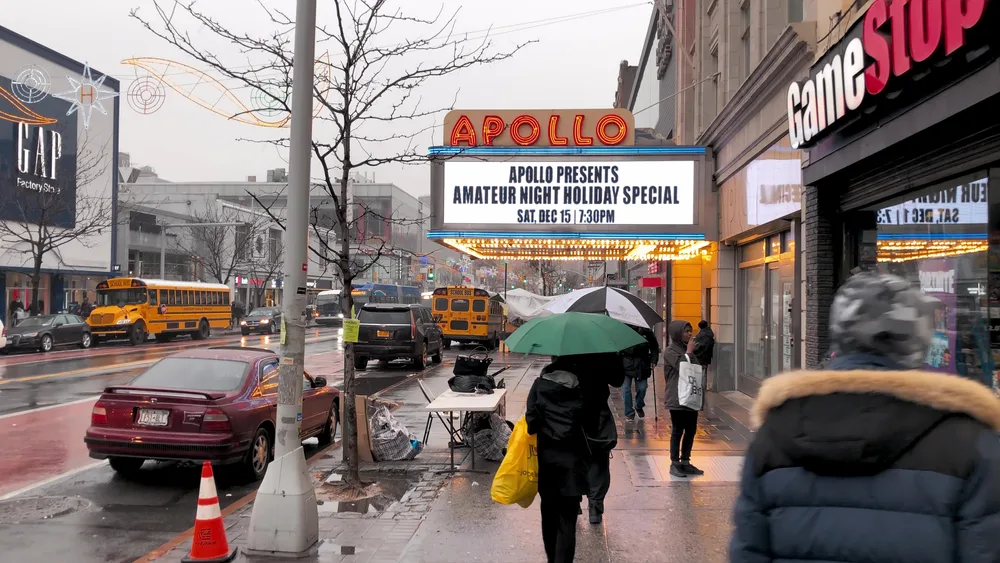
Understanding Harlem’s Evolving Landscape
To truly understand contemporary Harlem and address any safety concerns, it’s essential to look beyond outdated stereotypes and appreciate its ongoing evolution. The area’s narrative is one of resilience, cultural innovation, and continuous revitalization, making it a fascinating destination for any traveler.
A Rich History and Cultural Renaissance
Harlem’s story is deeply interwoven with the African American experience in the United States. It rose to prominence during the Harlem Renaissance in the early 20th century, becoming a crucible of Black artistic, intellectual, and social life. Legendary figures like Langston Hughes, Zora Neale Hurston, and Duke Ellington called this neighborhood home, shaping its identity and leaving an indelible mark on global culture. While later decades saw periods of economic hardship and social challenges, leading to a decline in safety and an increase in crime rates, the turn of the millennium ushered in a new era of revitalization. Investments in infrastructure, housing, and public spaces, coupled with a renewed appreciation for its historical significance, have transformed Harlem into a safer, more prosperous, and increasingly diverse community. Today, it proudly maintains its cultural heritage while embracing modern developments, offering a unique blend of old-world charm and contemporary vibrancy.
Demographics and Community
Harlem is a mosaic of different communities, reflecting the broader diversity of New York City. While historically a predominantly African American neighborhood, it has seen a significant influx of new residents from various backgrounds, including young professionals, artists, and families. This demographic shift has contributed to a more eclectic atmosphere and a broader range of businesses, restaurants, and cultural institutions. The community spirit remains strong, however, with locals often engaging in neighborhood events, supporting local businesses, and taking pride in Harlem’s unique identity. For visitors, this means encountering a warm and welcoming environment, where engagement with residents can enrich the travel experience significantly. Walking through Harlem today, one notices bustling streets, renovated brownstones, new businesses alongside historic landmarks, and a palpable sense of community pride.
Addressing Safety Concerns: Facts vs. Perception
The question of safety is paramount for any traveler, and it’s important to approach it with current information rather than outdated assumptions. While no urban area is entirely crime-free, Harlem’s safety profile has dramatically improved, aligning it closely with many other popular New York City neighborhoods.
Crime Statistics and Trends
Official crime statistics consistently show a downward trend in Harlem over the past two decades. Major crime categories, including violent crime and property crime, have seen significant reductions, mirroring broader trends across New York City. The presence of a robust police force, community-led initiatives, and increased economic investment have all played a role in making Harlem a safer place for residents and visitors alike. While petty crime, like pickpocketing, can occur in any crowded tourist area, serious incidents are rare, particularly in the well-trafficked and tourist-friendly sections of the neighborhood. It’s important for travelers to focus on facts and current data rather than lingering historical perceptions.
Safe Practices for Visitors
To ensure a safe and enjoyable visit to Harlem, or any urban destination, adopting general common-sense travel practices is key:
- Be Aware of Your Surroundings: Pay attention to who and what is around you, especially in crowded areas or when using public transport. Avoid distractions like constantly looking at your phone.
- Secure Valuables: Keep your wallet, phone, and other valuables in secure pockets or bags. Avoid displaying large amounts of cash or expensive jewelry.
- Walk with Confidence: Project an air of confidence and purpose. Looking lost or unsure can sometimes make you a target.
- Travel in Groups at Night: If exploring after dark, it’s always safer to do so with companions.
- Trust Your Instincts: If a situation or area feels uncomfortable, remove yourself from it.
- Use Reputable Transportation: Stick to well-known taxi services, ride-sharing apps, or the extensive New York City subway and bus system.
Navigating Harlem Day and Night
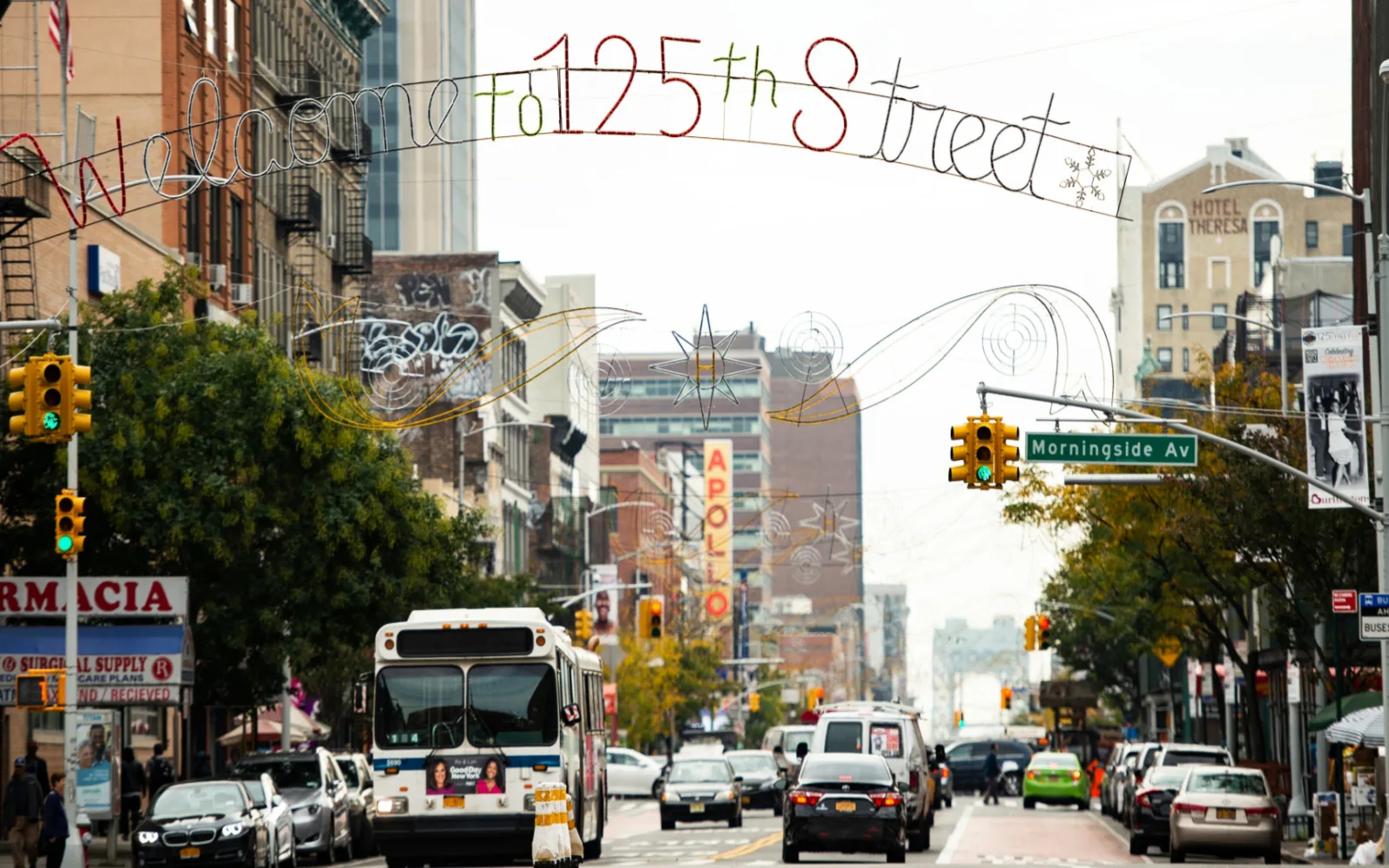
During the day, Harlem is bustling with activity. Streets are full of shoppers, diners, and people going about their daily routines. Popular areas like 125th Street, Striver’s Row, and the vicinity of major attractions like the Apollo Theater are very safe and welcoming. After dark, Harlem takes on a different, but equally vibrant, energy. Many restaurants, jazz clubs, and performance venues come alive. While general caution is always advisable in any city at night, the main thoroughfares and areas around nightlife spots remain active and well-lit. It’s generally recommended to stick to well-populated and familiar streets, especially if you are unfamiliar with the area. Using the subway is usually safe, but consider a taxi or ride-share if you are traveling late at night to less busy locations.
Exploring Harlem: Must-See Attractions and Experiences

Beyond safety, Harlem’s real appeal lies in its unparalleled cultural offerings, making it a vital stop on any New York City itinerary.
Iconic Landmarks and Historical Sites
Harlem is a living museum, with countless sites that tell its powerful story.
- The legendary Apollo Theater on 125th Street is perhaps the most famous. A true landmark in American music history, it continues to host Amateur Night and various concerts.
- The Schomburg Center for Research in Black Culture, a branch of the New York Public Library, is an internationally renowned repository for materials on African American, African, and Afro-Caribbean history and culture.
- Striver’s Row (West 138th and 139th Streets between Adam Clayton Powell Jr. Blvd and Frederick Douglass Blvd) showcases stunning examples of late 19th-century architecture, reflecting a period of prosperity and artistic achievement.
- Abyssinian Baptist Church, one of the oldest and most influential African American churches in the country, offers visitors the chance to experience a powerful gospel service.
- The Studio Museum in Harlem is a vital institution dedicated to the work of artists of African descent and to art inspired by Black culture.
- Green spaces like Marcus Garvey Park and parts of Morningside Park offer serene escapes and historical monuments.
Culinary Delights and Local Flavors
Harlem’s food scene is as diverse and rich as its history. From classic soul food to contemporary fine dining, there’s something to tempt every palate.
- No visit is complete without sampling authentic soul food, and Sylvia’s Restaurant, the “Queen of Soul Food,” has been serving iconic dishes like fried chicken and collard greens for decades.
- Red Rooster Harlem, helmed by celebrity chef Marcus Samuelsson, offers upscale comfort food and a lively atmosphere, often featuring live music.
- Cafes, bakeries, and international eateries dot the streets, offering everything from Ethiopian to West African cuisine, reflecting the neighborhood’s diverse population. Exploring these local spots is an essential part of immersing oneself in Harlem’s culture.
Arts, Music, and Entertainment
The soul of Harlem truly shines through its vibrant arts and music scene.
- Jazz clubs, both historic and contemporary, offer incredible live music experiences. Venues like Minton’s Playhouse and Bill’s Place transport visitors back to the golden age of jazz.
- Gospel choirs, particularly at Sunday services in local churches, provide an uplifting and powerful cultural experience.
- Art galleries showcase emerging and established artists, often with a focus on African American and diasporic art.
- Numerous festivals and cultural events take place throughout the year, celebrating everything from jazz to Caribbean heritage, offering unique insights into the community’s dynamic spirit.
Accommodation and Travel Logistics in Harlem
When planning your visit, considering where to stay and how to get around will enhance your experience and ensure comfort and convenience.
Finding the Right Stay: Hotels and Boutique Options
While Harlem may not have the same density of large chain hotels as Midtown Manhattan, it offers a growing number of charming boutique hotels and guesthouses that provide a more intimate and local experience. Many of these accommodations are housed in beautifully restored brownstones, offering unique character and a connection to the neighborhood’s history. Options range from budget-friendly stays to more luxurious boutique experiences. When booking, consider the proximity to subway lines and major attractions, as this will significantly impact your ease of exploring. Staying in Harlem allows for a deeper immersion into the local culture, often at a more attractive price point than hotels in more tourist-heavy parts of the city. For those seeking apartments or long-term stays, platforms offer various options that can provide a home-away-from-home feel.
Getting Around: Public Transportation and More
Harlem is exceptionally well-served by New York City’s public transportation system, making it easy to navigate the neighborhood itself and connect to other parts of Manhattan and beyond.
- Subway: Several subway lines (A, B, C, D, 2, 3) run through Harlem, providing rapid transit downtown, to Brooklyn, and to other boroughs. This is by far the most efficient way to travel across New York City.
- Buses: Extensive bus routes cover areas not directly served by the subway, offering a great way to see the streets and neighborhood life.
- Walking: Many of Harlem’s attractions are within walking distance of each other, especially along 125th Street and in the historic districts. Walking is often the best way to soak in the atmosphere.
- Taxis/Ride-Shares: Readily available for convenience, especially later at night or for direct routes.
Responsible Tourism and Community Engagement
Visiting Harlem also presents an opportunity for responsible tourism. By choosing to stay in local accommodations, dine at independent restaurants, shop at community stores, and engage with local tour guides, you directly contribute to the neighborhood’s economy and support its residents. Many tours focus specifically on Harlem’s history, civil rights legacy, gospel music, or culinary scene, offering insightful perspectives directly from those who know the area best. Engaging respectfully with the community, learning about its history, and celebrating its culture ensures that your visit is not just a pleasant vacation but also a meaningful cultural exchange.
Final Verdict: Experiencing Harlem Safely and Fully
The unequivocal answer to “Is Harlem in New York safe?” is a resounding yes. Like any major urban area, common-sense precautions are always advisable, but the notion of Harlem as an unsafe destination is firmly a relic of the past. Today, it stands as a testament to resilience and cultural richness, offering a safe, welcoming, and profoundly enriching experience for travelers.
From its historic streets and architectural marvels to its soulful music and incredible food, Harlem invites you to step beyond the usual tourist paths and immerse yourself in a truly authentic New York City experience. It’s a destination where history comes alive, where community thrives, and where every corner tells a story. So, pack your bags, embrace the vibrant spirit of Harlem, and prepare for a journey that will undoubtedly be a highlight of your travel adventures.
LifeOutOfTheBox is a participant in the Amazon Services LLC Associates Program, an affiliate advertising program designed to provide a means for sites to earn advertising fees by advertising and linking to Amazon.com. Amazon, the Amazon logo, AmazonSupply, and the AmazonSupply logo are trademarks of Amazon.com, Inc. or its affiliates. As an Amazon Associate we earn affiliate commissions from qualifying purchases.