
When travelers begin mapping out their dream vacations to Hawaii, a common geographical question often surfaces: Is this stunning Pacific archipelago a continent? It is a fair inquiry, especially given the state’s immense cultural significance and its status as a premier global destination. However, the short answer is no. Hawaii is not a continent; rather, it is a volcanic island chain situated in the central Pacific Ocean. Understanding the unique classification of these islands helps travelers better appreciate the immense isolation and natural beauty that define the Aloha State.
Geographical Classification of the Hawaiian Islands
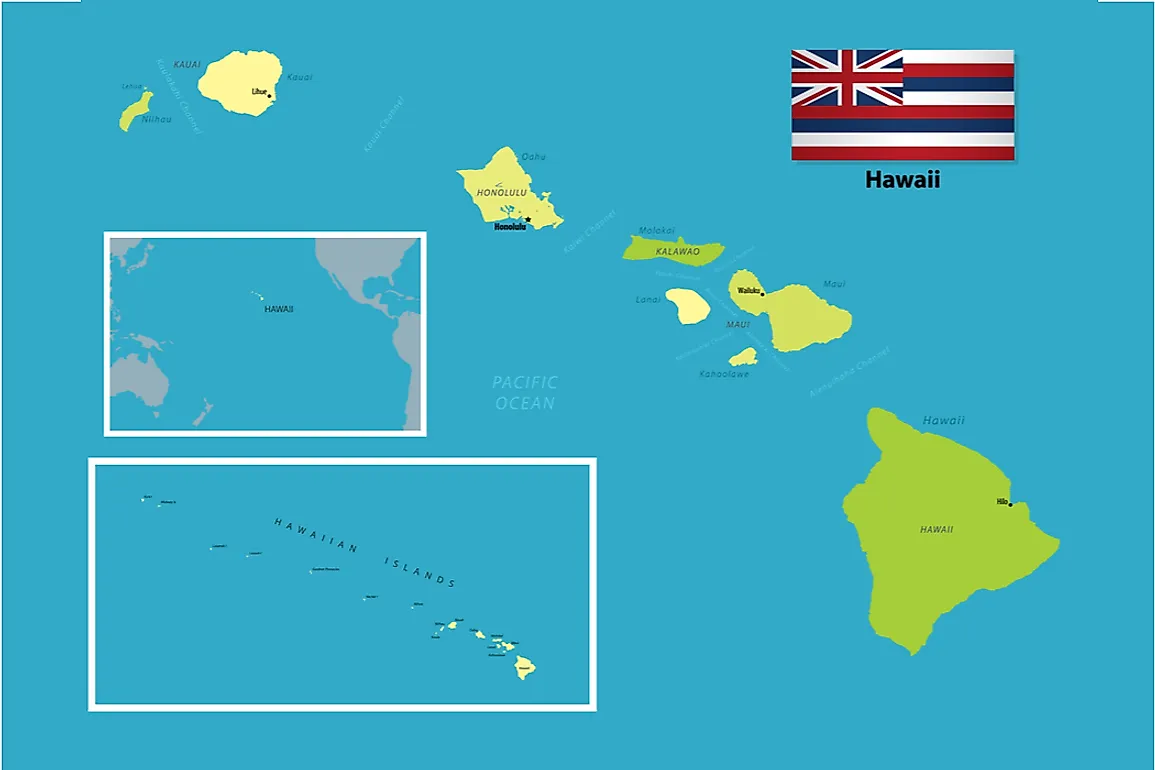
Geologically speaking, Hawaii is part of a series of volcanic seamounts known as the Hawaiian-Emperor Seamount Chain. Unlike continents, which are defined by large landmasses formed by tectonic plates, Hawaii was birthed from a “hotspot” deep beneath the Pacific Plate.
The Formation of a Volcanic Paradise
The islands we see today—including Oahu, Maui, Kauai, and the Big Island—were formed over millions of years as the tectonic plate moved slowly over a stationary plume of magma. This process creates distinct island geography rather than continental mass. While North America sits on a vast continental shelf, Hawaii rises abruptly from the deep ocean floor, far removed from any major continental landmass.
Distance and Isolation
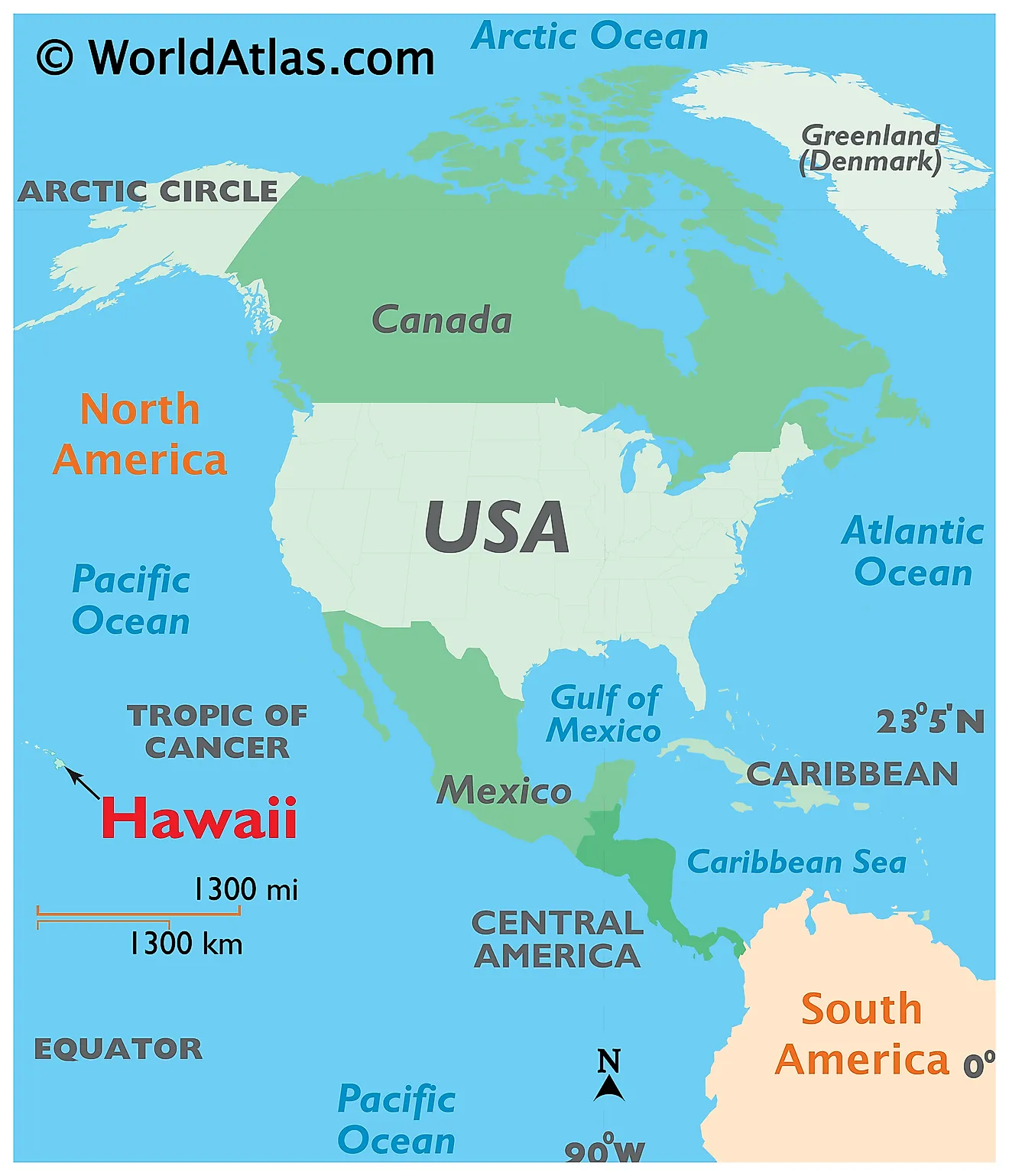
This isolation is precisely what makes Hawaii such a unique landmark. It is officially the most isolated population center on Earth. To travel from Los Angeles to Honolulu, one must cross roughly 2,500 miles of open ocean. This vast distance has allowed for the evolution of unique flora and fauna that exist nowhere else in the world, turning the islands into a biological treasure chest.
Why Hawaii Often Feels Like Its Own World
Because Hawaii is not a continent, it does not share the same geological or political boundaries as the United States mainland. Travelers who visit often report a distinct shift in pace, culture, and atmosphere, which leads many to wonder if they have crossed into a different “territory” entirely.
A Unique Cultural Identity
The culture of Hawaii is deeply rooted in Polynesian heritage, distinct from the Western cultures that dominate the North American continent. From the traditional practice of the Hula to the culinary traditions found in a traditional Luau, the islands maintain a reverence for the land, known as Aina. Visitors to Waikiki Beach or the historic Pearl Harbor can feel this unique pulse, which blends indigenous roots with modern global tourism.
Navigating the Islands
While the state is a single political entity, each island offers a vastly different experience. The Big Island provides dramatic volcanic landscapes at Hawaii Volcanoes National Park, where you can witness the raw power of nature. Meanwhile, Kauai, often called the “Garden Isle,” showcases lush canyons like Waimea Canyon, which looks more like a slice of a continent than an island.
The Role of Hawaii in Modern Travel
Though Hawaii is not a continent, it remains the most iconic landmark in the Pacific. Its influence on travel, nature preservation, and global culture is undeniable. For those planning a visit, understanding the geography helps in managing expectations—especially when it comes to the logistical requirements of island-hopping and experiencing the diverse topography.
Why Geography Matters to Visitors
When you visit Hawaii, you are not just visiting a state; you are visiting a remote ecological marvel. This distinction is vital for those who want to respect the delicate ecosystem. Because Hawaii lacks the vast resources of a continent, sustainability is a major focus. Travelers are encouraged to respect the natural beauty of Hanauma Bay or the pristine waters of Hanalei Bay by adhering to strict conservation guidelines.
Beyond the Tourism Experience
While Hawaii is often categorized under travel, it is much more than just a destination for resorts and beaches. It is a living, breathing landscape that has weathered the forces of the Pacific Ocean for millennia. Whether you are exploring the North Shore on Oahu or hiking the cliffs of the Na Pali Coast, you are interacting with a geologic process that is still actively shaping the planet.
Debunking the Myth
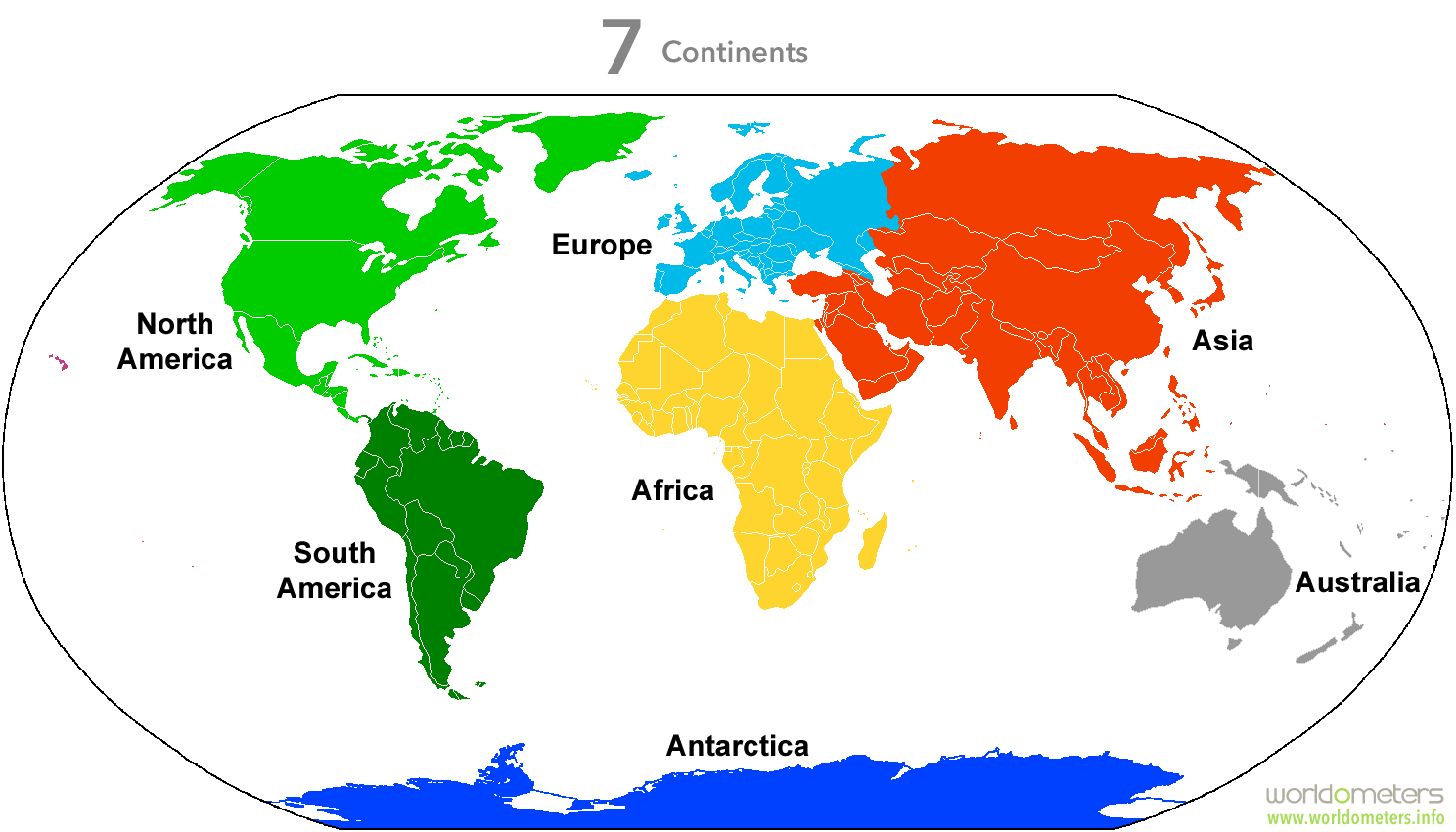
It is easy to see why the confusion exists. Hawaii is so large, so culturally distinct, and so diverse in its geography—boasting everything from snowy peaks on Mauna Kea to tropical rainforests—that it feels like a mini-continent. However, strictly adhering to scientific definitions is important for geography enthusiasts.
- Tectonic Context: Continents are large, continuous masses of land. Hawaii is a collection of volcanic peaks.
- Biological Isolation: Unlike continents, where species can migrate over vast land bridges, the flora and fauna of Hawaii arrived via wind, water, or wings, leading to extremely high rates of endemic species.
- Political Status: While it is part of the United States, Hawaii is the only state in the union that is entirely an archipelago, separated from the continental shelf by thousands of miles.
Ultimately, the fact that Hawaii is not a continent is part of its allure. It allows it to remain a separate sanctuary, a place where the rules of the mainland don’t quite apply, and where the rhythm of the ocean sets the pace for life. As you plan your next journey to the Pacific, remember that you aren’t just visiting another part of a continent; you are venturing out into one of the most remote and breathtaking corners of the globe. Whether you find yourself relaxing at a resort in Lahaina or exploring the historic sites of Hilo, you are experiencing the singular magic of the Hawaiian Islands.
LifeOutOfTheBox is a participant in the Amazon Services LLC Associates Program, an affiliate advertising program designed to provide a means for sites to earn advertising fees by advertising and linking to Amazon.com. Amazon, the Amazon logo, AmazonSupply, and the AmazonSupply logo are trademarks of Amazon.com, Inc. or its affiliates. As an Amazon Associate we earn affiliate commissions from qualifying purchases.