
Hawaii, the legendary archipelago in the heart of the Pacific, has long captivated imaginations with its pristine beaches, vibrant culture, and perpetual sunshine. For countless individuals, the thought of trading the hustle and bustle of mainland life for the tranquil embrace of “paradise” is an irresistible dream. From the lush valleys of Kauai to the active volcanoes of the Big Island (also known as Hawaii Island), each island offers a distinct allure. But moving beyond the idyllic vacation brochures, what truly defines daily life in this isolated yet captivating state? Is Hawaii genuinely a good place to live, or does the reality present a different picture from the fantasy?
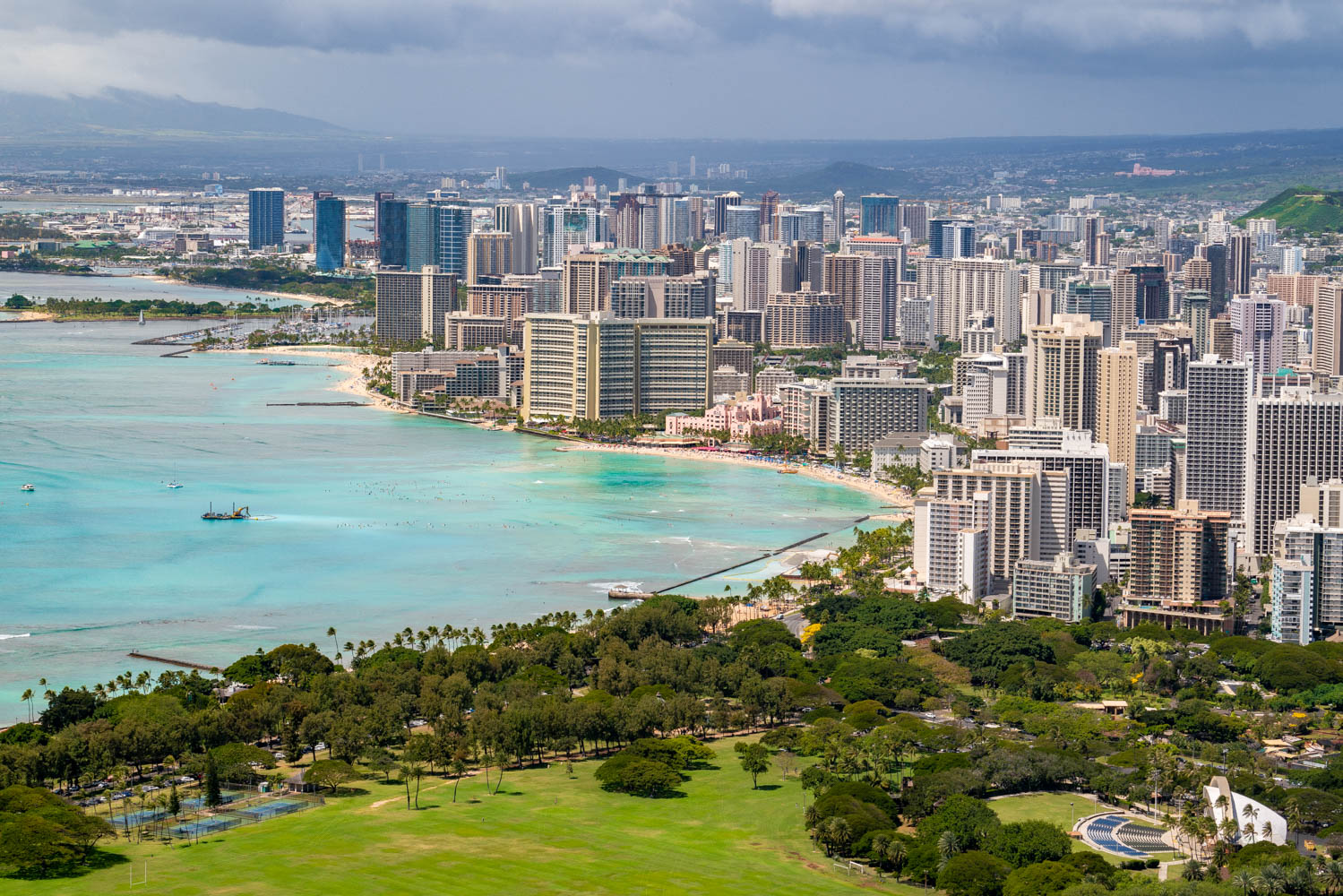
This comprehensive guide delves into the multi-faceted aspects of island living, exploring the myriad benefits that draw people here, alongside the significant challenges that prospective residents must realistically consider. We’ll navigate the unique blend of natural splendor, cultural richness, economic realities, and lifestyle nuances that define calling Hawaii home. Whether you’re contemplating a long-term stay, a significant relocation, or simply curious about life beyond the typical tourist experience, understanding these factors is crucial to determining if the spirit of Aloha truly resonates with your vision of a good life.
The Irresistible Allure of Paradise: Why People Dream of Hawaiian Life
The magnetic pull of Hawaii is undeniable, stemming from a combination of breathtaking natural beauty, an invigorating outdoor lifestyle, and a deeply ingrained cultural ethos. These elements coalesce to create an environment that, for many, represents an unparalleled quality of life and a profound connection to nature.
Unparalleled Natural Beauty and an Active Outdoor Lifestyle
Hawaii’s diverse ecosystems offer a visual feast unlike anywhere else on Earth. From the dramatic, emerald cliffs of the Na Pali Coast on Kauai to the expansive, volcanic landscapes around Kilauea Volcano on the Big Island, each island boasts its own distinct personality and natural wonders. Maui beckons with its world-renowned beaches and the majestic sunrise views from Haleakala Crater, while Oahu, home to Honolulu, combines urban sophistication with iconic surf breaks like those found on its legendary North Shore.
The tropical climate, characterized by year-round warm temperatures, gentle trade winds, and abundant sunshine, is a primary draw. This idyllic weather fosters an inherently outdoor-centric lifestyle. Residents often find themselves integrating activities like surfing, swimming, snorkeling, diving, hiking, paddleboarding, and kayaking into their daily routines. Imagine starting your day with a sunrise swim at Waikiki Beach or exploring a hidden waterfall trail after work. For those who thrive on active living and a deep connection to nature, Hawaii offers an endless playground. The travel possibilities within the islands themselves, whether exploring the black sands of Punalu’u Beach or the lush Waimea Canyon, ensure there’s always a new landmark or attraction to discover.
A Rich Tapestry of Culture and Community
Beyond the stunning scenery, Hawaii offers a profoundly unique cultural experience. The “Aloha Spirit” is more than just a greeting; it’s a philosophy deeply embedded in the islands’ identity – encompassing kindness, hospitality, mutual understanding, and respect for the land and its people. This spirit fosters a strong sense of community and a welcoming attitude towards newcomers, provided they approach local customs with genuine respect and an open mind.
Hawaiian culture is a rich tapestry woven from Polynesian traditions and the diverse influences of Asian, American, and European immigrants over centuries. Central to this culture are core values such as reverence for the land (Aina), the importance of family (Ohana), and respect for elders. Engaging with local communities, learning a few basic Hawaiian phrases, and participating in cultural activities like traditional luaus, hula performances, or community volunteer efforts can profoundly enrich the living experience. The tourism sector frequently highlights these cultural experiences, but as a resident, you gain a deeper, more authentic connection. The local food scene, too, is a delightful fusion, offering everything from traditional poke bowls to innovative farm-to-table dining experiences that reflect the islands’ agricultural bounty. This blending of traditions creates a unique social environment, promoting a slower, more deliberate pace of life that prioritizes relationships and well-being.
Safety and a Distinct Quality of Life
Compared to many urban centers on the mainland U.S., Hawaii generally boasts lower crime rates, contributing to a sense of safety and tranquility. The emphasis on family, the outdoors, and a relaxed pace of life often translates into a high quality of life for many residents. Children grow up with unparalleled access to nature, fostering an active and healthy upbringing. The slower rhythm, often referred to as “island time,” can be a welcome change for those seeking to escape the constant rush. This lifestyle emphasizes enjoying the present moment, connecting with one’s surroundings, and cherishing time with loved ones, making it an ideal setting for families and individuals prioritizing well-being over relentless ambition.
Navigating Island Life: Challenges and Practicalities of Residency
While the appeal of living in Hawaii is powerful, it is crucial to approach the prospect with a clear-eyed understanding of the unique challenges and practical considerations that come with island life. These factors significantly impact daily living and financial planning.
Understanding the High Cost of Living
Perhaps the most formidable hurdle for prospective residents is the exceptionally high cost of living. Hawaii consistently ranks among the most expensive states in the U.S., with nearly every category of expense significantly exceeding the national average.
Housing: The Biggest Hurdle
Housing costs are, without a doubt, the most substantial financial commitment. Median home prices across the islands are consistently among the highest in the nation, making homeownership a distant dream for many. Renting, particularly in urban centers like Honolulu on Oahu or Kailua-Kona on the Big Island, is also prohibitively expensive. A modest apartment can command rents comparable to or even exceeding those in major mainland cities, without necessarily offering the same square footage or amenities. For those exploring accommodation options, whether seeking a long-term stay or evaluating initial housing, understanding this reality is paramount. Even hotels and resorts reflect this high cost, which impacts both luxury travel and budget travel alike. The limited land supply and high demand contribute significantly to this challenging market.
Groceries, Utilities, and Transportation
Due to Hawaii’s isolated location in the middle of the Pacific, nearly all consumer goods, including basic necessities like milk, bread, and fresh produce, must be shipped in. This incurs substantial shipping costs, which are inevitably passed on to the consumer, making groceries shockingly expensive compared to the mainland. Similarly, electricity rates are among the highest in the U.S., due to reliance on imported fossil fuels for energy generation, although a growing commitment to renewable sources is slowly changing this landscape.
Transportation costs are also elevated. Gasoline prices are consistently high, and while public transportation networks like TheBus in Oahu are available, a car is often necessary for navigating the islands, especially outside major urban areas. This adds expenses for vehicle purchase, insurance, maintenance, and parking. For those considering a move, factoring in these daily operational costs is critical for a realistic budget.
Healthcare and Taxes
While Hawaii offers quality healthcare facilities, particularly in Honolulu, costs can still be high. Specialized medical care might occasionally require travel to the mainland, adding further expense and logistical challenges. Furthermore, residents should be prepared for Hawaii’s tax structure, which includes relatively high income and property taxes, contributing to the overall financial burden of island living.
The Job Market and Economic Realities
Hawaii’s job market is heavily influenced by the tourism and hospitality industries. Positions in hotels, resorts, restaurants, and tour operations are generally abundant. However, for those seeking opportunities outside these sectors, the market can be more competitive. Other significant employment areas include the military (due to substantial bases on Oahu), healthcare, and education.
While job availability exists, a common challenge is that wages may not always align with the high cost of living. This disparity often necessitates careful financial planning, multiple income streams, or a willingness to adjust one’s expected standard of living. However, there are growing opportunities in niche sectors like renewable energy, sustainable agriculture, and technology (though smaller than mainland tech hubs). Networking, adapting skills to local needs, and demonstrating a genuine commitment to the community are key strategies for navigating the Hawaiian job market successfully.
Adjusting to “Island Time” and Remote Location
Hawaii’s geographical isolation means that travel to the mainland U.S. or other international destinations is costly and time-consuming. This remote location can contribute to a phenomenon known as “island fever” for some residents – a feeling of being disconnected or confined, especially for those accustomed to easy access to diverse cultural events, shopping, or mainland family. Shipping goods to and from the islands also adds to both expenses and delivery times, requiring patience and foresight when ordering online.
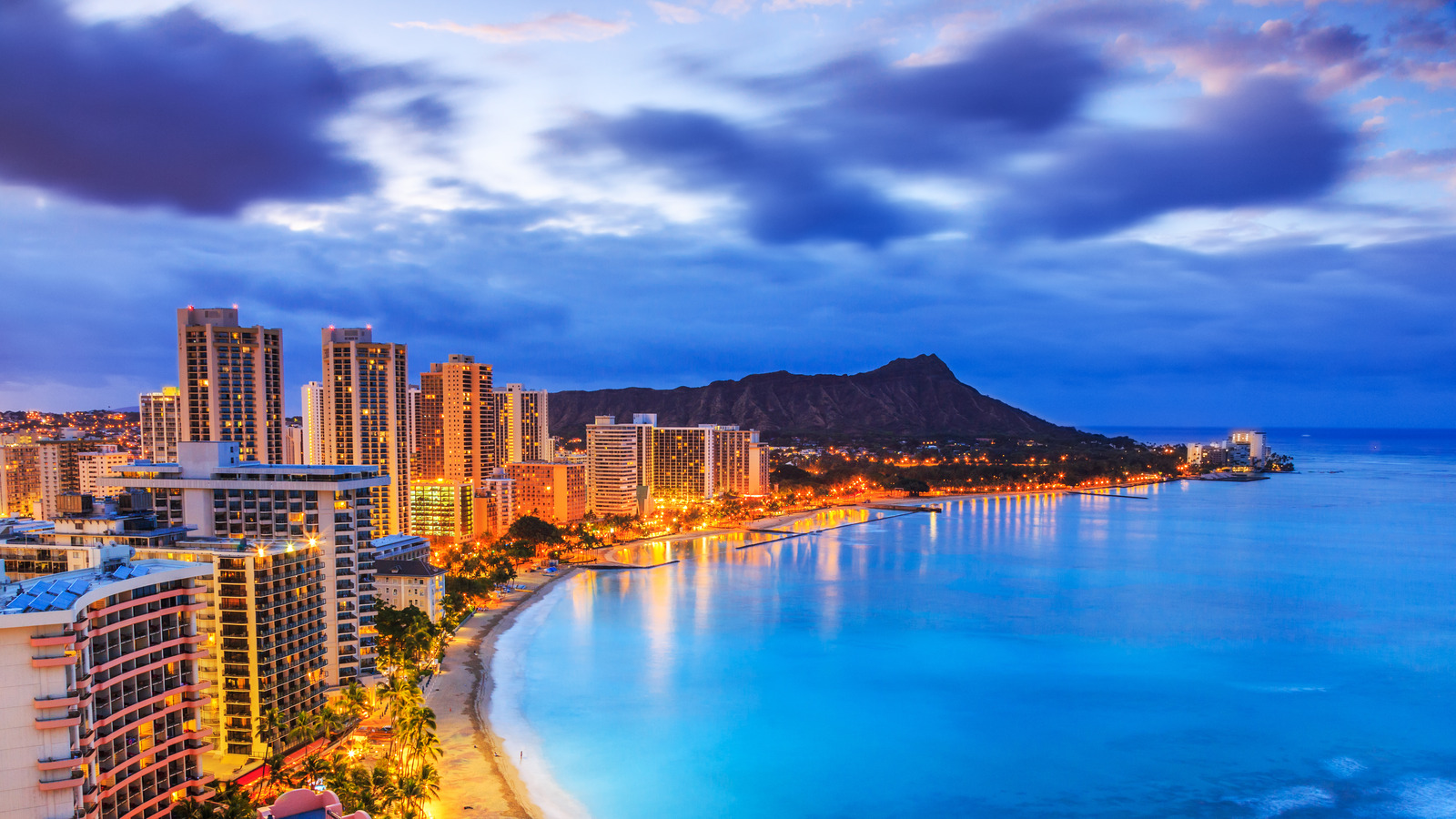
Furthermore, the relaxed pace of “island time” can be both a blessing and a curse. While it fosters a stress-free environment, it can also translate to slower service, longer waits, and a general lack of urgency that might frustrate those accustomed to mainland efficiency. Adapting to this rhythm requires patience and a significant shift in perspective.
Unique Challenges in the Puna District on the Big Island
The Puna District on the Big Island presents a particularly distinct set of challenges and opportunities. Located on the active flank of Kilauea Volcano, the area is uniquely subject to lava flows, which can dramatically alter landscapes, destroy homes and infrastructure, and significantly impact property values and insurance availability. This constant geological activity creates a dynamic and sometimes unpredictable living environment.
Infrastructure in parts of Puna can be less developed than in other areas of Hawaii, with many roads unpaved and access to reliable internet and water sometimes limited. However, this region attracts a specific demographic seeking a more rural, off-grid lifestyle. It appeals to those looking for self-sufficiency, a deeper connection to raw nature, and a tighter-knit, alternative community. Living in Puna demands a high degree of adaptability, resilience, and a realistic understanding of its inherent risks and rewards.
Finding Your Ideal Hawaiian Home: Accommodation and Lifestyle Choices
Considering the significant investment involved, finding the right accommodation and understanding the various lifestyle choices available are paramount for anyone contemplating a move to Hawaii. The islands offer a spectrum of living situations, from bustling urban environments to serene rural retreats.
Exploring Housing Options: From Honolulu Condos to Rural Retreats
The type of housing available in Hawaii varies significantly by island and region, as does its cost. In Honolulu on Oahu, the most common options are high-rise condos and apartments, which offer convenience and urban amenities but come with a hefty price tag. For those prioritizing a business stay or city convenience, these might be suitable. Suburban areas around Honolulu like Kailua or Hawaii Kai offer more traditional single-family homes, often with small yards, but at a premium.
On islands like Maui, Kauai, and the Big Island, housing can range from beachfront properties and private villas (often popular for long-term stays or vacation rentals) to more rural homesteads. Regions such as Hilo on the Big Island or parts of Waimea (on both Kauai and the Big Island) offer a more agricultural or small-town feel, with slightly more affordable (though still high) housing options, often featuring larger plots of land. Many new residents start by renting, carefully comparing different areas and types of residences before committing to a purchase. It’s advisable to factor in potential reviews from previous tenants or local insights when making decisions.
Lifestyle Considerations: Luxury, Budget, and Family Trips
Hawaii caters to a diverse range of lifestyles, each with its own set of implications for living costs and daily experiences.
For those seeking a luxury lifestyle, Hawaii offers exclusive beachfront resorts, high-end suites, and private communities with amenities like golf courses and marinas. These areas typically come with a higher price tag but also offer unparalleled service and exclusivity. Living in these environments often means proximity to fine dining, boutique shopping, and top-tier recreational facilities.
Conversely, a budget lifestyle in Hawaii requires careful planning and a willingness to adapt. This might involve living in smaller apartments further from prime locations, cooking at home more often, utilizing local markets for fresh produce, and embracing public transportation or cycling. Many residents also adopt a more sustainable approach, growing their own food or participating in community gardens to offset high grocery costs. For families, the focus might be on affordable community activities, free natural attractions, and public schools, which can still provide an excellent environment for children to grow up in. Choosing a particular island or district also plays a huge role in balancing lifestyle aspirations with financial realities. For instance, the more rural parts of Kauai or the Big Island might offer a more relaxed, budget-friendly existence compared to the bustling urban core of Honolulu.
Making the Move: Essential Tips for Relocation
Relocating to Hawaii is a significant undertaking that requires thorough preparation and a proactive mindset. Beyond just securing a job and housing, several practical aspects must be addressed to ensure a smooth transition and a successful integration into island life.
Researching Schools, Healthcare, and Utilities
Families considering a move must research the educational system thoroughly. Hawaii has public and private schools, each with varying reputations and offerings. Understanding school districts, enrollment processes, and any specific requirements is crucial for ensuring a positive experience for children. Online reviews and local parent forums can provide valuable insights.
Access to quality healthcare is another vital consideration. While major islands have hospitals and clinics, specialized care may be limited, potentially requiring travel to the mainland for complex conditions. Prospective residents should investigate health insurance options, locate primary care physicians, and understand emergency services available in their chosen area.
Setting up utilities, including electricity, water, internet, and waste management, can sometimes be a bureaucratic process that demands patience. Researching providers in advance, understanding typical costs, and initiating setup well before arrival can alleviate stress. Some rural areas, particularly in the Puna District, might have different utility infrastructures or rely more on alternative systems like catchment water or solar power.
Embracing the Spirit of Aloha
Ultimately, a truly fulfilling life in Hawaii hinges on more than just overcoming financial hurdles; it requires an open heart and a willingness to embrace the unique cultural fabric of the islands. The “Aloha Spirit” is foundational to life here, emphasizing respect, harmony, and community. Newcomers who genuinely strive to understand and integrate into local customs, show respect for the land (Aina), and engage respectfully with their neighbors will find themselves warmly welcomed.
Learning basic Hawaiian phrases, participating in community events, patronizing local businesses, and understanding the history and traditions of the islands are all ways to demonstrate this respect. It’s about becoming a part of the community, rather than just an observer. This spirit fosters a strong sense of belonging and creates a rich, supportive environment that is often cited as one of the most rewarding aspects of living in Hawaii.

Is Hawaii Right For You? A Balanced Perspective
Living in Hawaii is undeniably a dream for many, offering an extraordinary blend of natural beauty, an active outdoor lifestyle, and a deep cultural connection. It is a place that fosters a profound sense of well-being, community, and an unparalleled connection to its unique environment. The year-round warmth, stunning landscapes, and the pervasive “Aloha Spirit” contribute to a quality of life that is truly distinct from anywhere else in the world.
However, the reality of calling this paradise home is not without its significant challenges. The exceptionally high cost of living, particularly for accommodation and groceries, requires meticulous financial planning and often a significant adjustment in spending habits. The job market, while vibrant in tourism and hospitality, can be competitive in other sectors, and wages may not always perfectly align with expenses. Furthermore, the remote location can lead to “island fever” for some, and the slower pace of “island time” demands patience and adaptability.
Ultimately, determining if Hawaii is a good place to live for you comes down to a careful weighing of these pros and cons against your personal values, financial preparedness, and desired lifestyle. If you are someone who deeply values nature, outdoor activities, a strong sense of community, and a slower, more deliberate pace of life, and you are realistically prepared for the financial demands and potential isolation, then Hawaii could very well be your dream home. It’s a place that asks for adjustment but, in return, offers an enriching and unforgettable experience unlike any other. For those who embrace its unique rhythm and contribute positively to its spirit, Hawaii is not just a place to live; it’s a way of life.
LifeOutOfTheBox is a participant in the Amazon Services LLC Associates Program, an affiliate advertising program designed to provide a means for sites to earn advertising fees by advertising and linking to Amazon.com. Amazon, the Amazon logo, AmazonSupply, and the AmazonSupply logo are trademarks of Amazon.com, Inc. or its affiliates. As an Amazon Associate we earn affiliate commissions from qualifying purchases.