
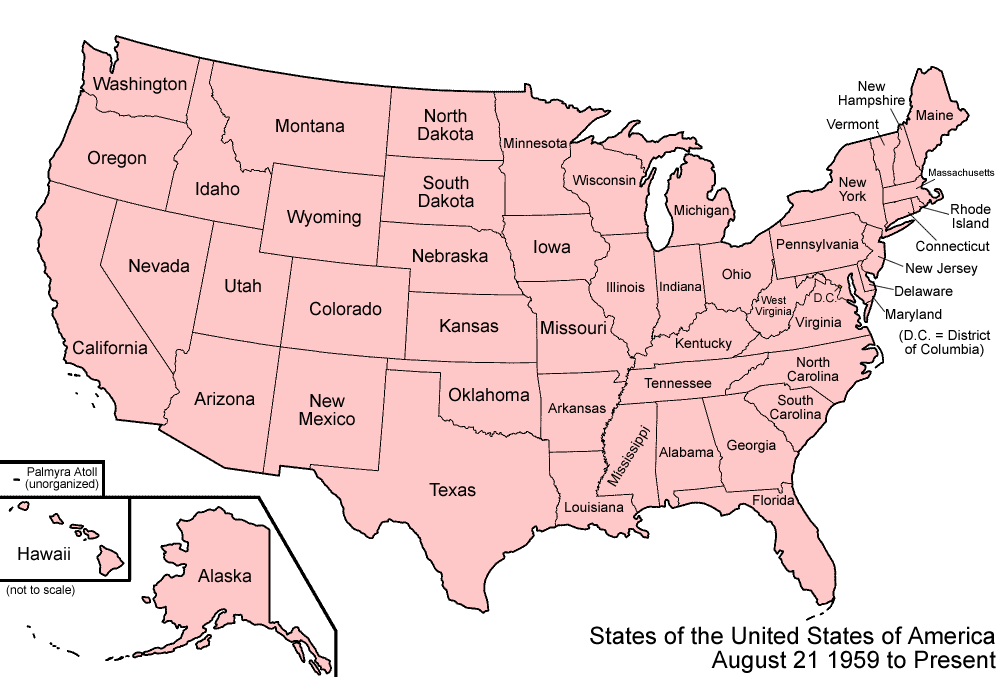
The question “Is Hawaii a part of the United States?” might seem surprising to some, but it reflects a common curiosity, particularly given the islands’ unique geographical isolation, vibrant culture, and historical journey. The definitive answer is a resounding yes. Hawaii is the 50th state of the United States of America, having officially achieved statehood on August 21, 1959. Despite its location more than 2,000 miles from the mainland, nestled in the central Pacific Ocean, Hawaii is undeniably an integral part of the nation, operating under federal laws, using the US dollar, and whose citizens hold American passports.
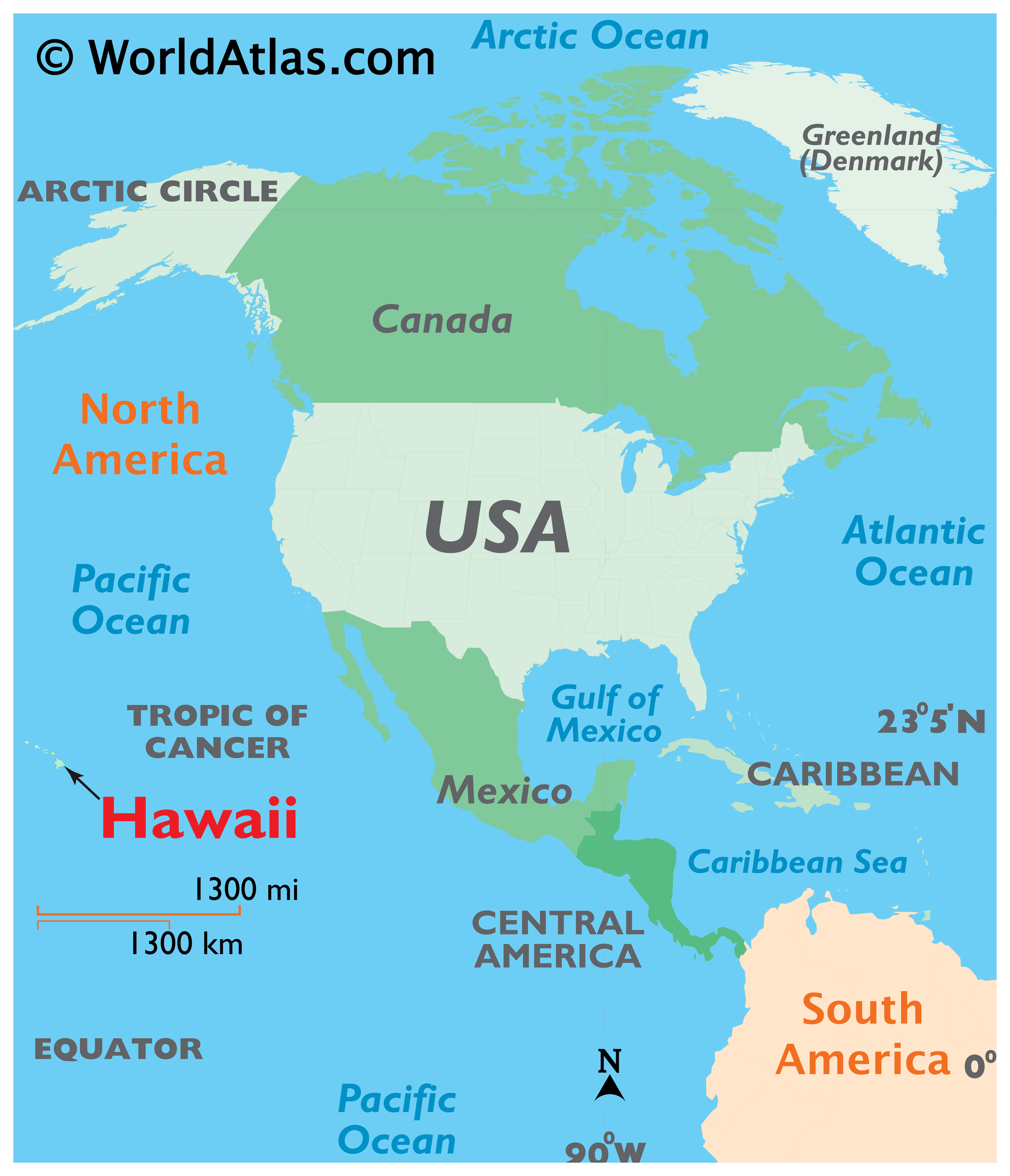
However, the journey to statehood was complex and multifaceted, involving a rich tapestry of indigenous royalty, Western influence, economic interests, and geopolitical shifts. This unique history contributes to the perception that Hawaii stands apart, not just geographically, but also culturally. For travelers, this distinctiveness is precisely what makes the islands such an irresistible destination, offering a blend of familiar American conveniences with an exotic allure found nowhere else within the nation. From its breathtaking natural beauty and rich indigenous traditions to its world-class accommodation and diverse culinary scene, Hawaii truly offers an unparalleled travel experience.
From Sovereign Kingdom to American Statehood: Hawaii’s Unique Trajectory
To understand Hawaii’s place within the United States, one must delve into its fascinating history. For centuries, the Hawaiian Islands thrived as an independent Polynesian kingdom, ruled by powerful monarchs. The arrival of Captain James Cook in 1778 marked the beginning of increased Western contact, which gradually transformed the islands. By the early 19th century, King Kamehameha I had unified the warring island chiefdoms into the Kingdom of Hawaii, establishing a stable and recognized sovereign nation.
Throughout the 19th century, foreign powers, including the United States, Great Britain, and France, vied for influence. American missionaries and businessmen, particularly those involved in the burgeoning sugar and pineapple industries, gained significant economic and political power. This growing influence eventually led to the overthrow of the Hawaiian monarchy in 1893, specifically Queen Liliʻuokalani, by a group of American and European businessmen. A provisional government was established, followed by the Republic of Hawaii.
In 1898, driven by strategic interests (especially after the Spanish-American War highlighted the naval importance of Pearl Harbor), the United States formally annexed Hawaii, designating it as a US territory. For over six decades, Hawaii operated as a territory, its residents American citizens but without full voting representation in Congress. The desire for statehood grew, fueled by patriotism, especially after the attack on Pearl Harbor during World War II, which underscored Hawaii’s crucial strategic role. Finally, after a popular vote in Hawaii overwhelmingly supported statehood, and extensive debates in Washington D.C., the Statehood Act was passed in 1959.
This historical backdrop is vital for any visitor to Hawaii. It explains the deep reverence for Hawaiian culture, the efforts to preserve the indigenous language (ʻŌlelo Hawaiʻi), and the ongoing discussions about sovereignty. Many landmarks across the islands tell this story, from the grandeur of Iolani Palace, the only royal palace on US soil, to the solemn reflection offered at the USS Arizona Memorial at Pearl Harbor. Understanding this past enriches the entire tourism experience, transforming a simple vacation into a journey through a vibrant living history.
The Melting Pot of the Pacific: A Unique Cultural Tapestry
One of the most compelling reasons Hawaii feels distinct is its incredible cultural diversity, a direct result of its history. While distinctly American, Hawaii proudly embraces its Polynesian roots, blended with influences from Asian immigrant communities (Chinese, Japanese, Filipino, Korean) who arrived to work on the plantations, as well as Portuguese and other European settlers. This amalgamation has created a unique “melting pot” culture that manifests in every aspect of daily life, from language and food to traditions and celebrations.
The Hawaiian language, although largely supplanted by English, is experiencing a resurgence, with many place names, street names, and common phrases in daily use. Visitors will quickly learn words like “Aloha” (hello, goodbye, love), “Mahalo” (thank you), and “Ohana” (family). This cultural mosaic is also vividly expressed in Hawaiian cuisine, which combines traditional Hawaiian dishes like poi and kalua pig with Asian-inspired flavors and classic American comfort food. Food tours are a fantastic way to immerse yourself in this local culture, exploring everything from bustling farmers’ markets in Honolulu to beachfront eateries in Lahaina.
For those interested in experiencing the depth of Hawaiian and Polynesian culture, the Polynesian Cultural Center on Oahu offers an immersive journey through various island villages, showcasing traditional dances, crafts, and customs. Festivals throughout the year celebrate this rich heritage, from the vibrant Aloha Festivals to competitive hula competitions. This profound cultural experience is a significant draw for many travelers, seeking more than just sun and sand. It adds a layer of depth to the travel experience that connects visitors to the spirit of the islands and its people, fostering a greater appreciation for Hawaii’s special place within the United States.
Experiencing Hawaii: Travel, Tourism, and Accommodation
As a US state, Hawaii offers seamless travel for American citizens, with no passports required for mainlanders and the use of the familiar US dollar. For international visitors, while a passport and appropriate visa are necessary, the underlying infrastructure, legal framework, and consumer protections are those of the United States. This balance of exotic appeal and structural familiarity makes Hawaii an accessible yet extraordinary destination for millions of tourists each year. The islands cater to every kind of traveler, from those seeking ultimate luxury to adventurers on a budget, and families looking for unforgettable trips.
The major islands each offer distinct attractions and experiences. Oahu, home to the capital city of Honolulu and the iconic Waikiki Beach, is the most populated and offers a blend of urban amenities, historical sites like Pearl Harbor, and world-famous surfing spots. Maui, known as the “Valley Isle,” boasts stunning beaches, the scenic Road to Hana, and the majestic Haleakala National Park, ideal for sunrise viewing. The Big Island (Hawaii Island) is geologically diverse, featuring active volcanoes in Hawaii Volcanoes National Park, snow-capped peaks like Mauna Kea, and black sand beaches. Kauai, the “Garden Isle,” is renowned for its lush rainforests, dramatic cliffs of the Na Pali Coast, and breathtaking canyons. Smaller islands like Molokai and Lanai offer more secluded and luxury experiences.
Hotels and Resorts for Every Traveler
The range of accommodation options in Hawaii is vast, catering to every preference and budget, a testament to its status as a premier global travel destination. From sprawling luxury resorts to charming boutique hotels and budget-friendly vacation rentals, the islands are equipped to host millions of visitors annually.
Luxury seekers will find world-class hotels and resorts from renowned brands like Four Seasons, Ritz-Carlton, and St. Regis across Maui, Oahu, and Lanai. These establishments often feature opulent suites, private villas, championship golf courses, award-winning spas, and exclusive amenities like private beach access and concierge services, epitomizing luxury travel. For families, larger resorts such as the Hilton Hawaiian Village on Oahu or the Grand Wailea on Maui offer extensive facilities, including multiple pools, kids’ clubs, and diverse dining options, making family trips effortless and enjoyable.
Mid-range options are plentiful, with reputable chains like Marriott, Hyatt, and Sheraton providing comfortable and well-appointed rooms in prime locations, often with resort-style amenities at more accessible price points. For those prioritizing budget travel or a more local experience, independent hotels, hostels, and a thriving market for vacation rentals (including apartments and villas through platforms like Airbnb or VRBO) provide excellent alternatives. These options often allow for self-catering, which can be a significant cost-saver, especially for long-term stays. When booking accommodation, it’s always advisable to read reviews and use comparison tools to find the best fit for your needs and budget. Many hotels also offer specialized packages for business stays or events, with meeting rooms and connectivity options.
Iconic Landmarks and Natural Wonders
Hawaii is a treasure trove of landmarks and natural wonders, each contributing to its allure as a premier destination. Beyond the historical sites like Pearl Harbor and Iolani Palace, the islands are defined by their extraordinary nature.
On Oahu, the volcanic crater of Diamond Head offers panoramic views of Waikiki Beach and Honolulu after a rewarding hike. The lush Nuʻuanu Pali Lookout provides stunning vistas of Oahu’s windward coast, historically significant as the site of a decisive battle by King Kamehameha I. The world-famous surf breaks of the North Shore draw professional surfers and spectators alike, particularly during the winter months.
Maui is home to the dormant volcano Haleakala, where watching the sunrise from its summit is a transcendent experience. The scenic drive along the Road to Hana reveals countless waterfalls, bamboo forests, and secluded swimming holes. The Maui Ocean Center in Ma’alaea is an acclaimed aquarium dedicated to showcasing and conserving Hawaii’s diverse marine life.
The Big Island lives up to its name with immense natural attractions. Hawaii Volcanoes National Park allows visitors to witness the raw power of creation as land is continuously formed by active volcanoes, offering trails through lava fields and steam vents. The summit of Mauna Kea, home to world-class observatories, offers incredible stargazing opportunities and even snow in winter. Along the coast near Kailua-Kona, historical sites like Puʻuhonua o Hōnaunau National Historical Park provide insights into ancient Hawaiian laws and traditions.
Kauai’s dramatic Na Pali Coast, accessible by boat or helicopter, is a vision of emerald cliffs plunging into turquoise waters, a truly iconic landmark. The “Grand Canyon of the Pacific,” Waimea Canyon, offers breathtaking vistas and numerous hiking trails. These natural wonders are not merely sights to behold; they are integral to the Hawaiian spirit and provide endless activities for adventurers, from hiking and surfing to snorkeling and whale watching.
Planning Your Hawaiian Adventure: Tips for Every Lifestyle
Planning a trip to Hawaii requires careful consideration, but its status as a US state simplifies many aspects, from currency to legal frameworks. Travelers benefit from the established infrastructure, safety standards, and communication ease of the United States. However, the unique geographical and cultural aspects necessitate some specific tips for maximizing your experience.
Logistics and Local Insights
Firstly, deciding which island or islands to visit is paramount, as each offers a distinct flavor. Most visitors fly into Honolulu International Airport (HNL) on Oahu and then take inter-island flights to reach other destinations. Rental cars are highly recommended for exploring beyond resort areas, especially on Maui, the Big Island, and Kauai. Public transportation is more limited outside of Oahu’s Honolulu city bus system.
Understanding local customs and etiquette, known as “Malama Aina” (care for the land) and “Aloha Spirit,” is crucial. This means respecting the environment, preserving natural resources, and showing courtesy to residents. Visitors are encouraged to learn a few basic Hawaiian phrases and engage with the local culture respectfully. Booking popular attractions and activities, especially those with limited capacity like sunrise at Haleakala or hiking permits for some trails, well in advance is highly advisable, particularly during peak seasons.

Tailoring Your Stay: Budget to Luxury
Whether you’re planning a lavish honeymoon or an adventurous backpacking trip, Hawaii can accommodate your lifestyle.
For Luxury Travelers: Indulge in private villas at resorts like the Four Seasons Hualalai on the Big Island, enjoy gourmet dining, private yacht charters, and helicopter tours of the Na Pali Coast. Upscale shopping and fine dining are prevalent in areas like Waikiki and Wailea.
For Budget Travelers: Consider staying in vacation rentals or hostels, utilizing grocery stores for food, and focusing on free activities like hiking state park trails, relaxing on public beaches, and snorkeling from shore. Food trucks and local eateries offer delicious and affordable Hawaiian fare. Many guides offer insights into how to experience Hawaii on a shoestring.
For Family Trips: Look for resorts with extensive kids’ programs, water slides, and family-friendly pools. Oahu offers diverse attractions like the Honolulu Zoo and the Waikiki Aquarium, while Maui has the Maui Ocean Center. Many beaches, particularly on Maui and Kauai, have calm, protected areas perfect for younger children.
For Adventure Seekers: Hawaii is a playground. Surf lessons on the North Shore, diving with manta rays off Kona, hiking to remote waterfalls, exploring lava tubes, or zip-lining through rainforests – the options are endless.
Ultimately, Hawaii is a vibrant and essential part of the United States, offering a travel experience that is simultaneously familiar and exotically unique. Its statehood ensures a level of accessibility and consistency that enhances the visitor experience, while its rich history, distinct culture, and unparalleled natural beauty promise an adventure unlike any other in America. When you visit Hawaii, you are not just traveling to a beautiful island chain; you are stepping into a profound blend of American identity and ancient Polynesian spirit.
LifeOutOfTheBox is a participant in the Amazon Services LLC Associates Program, an affiliate advertising program designed to provide a means for sites to earn advertising fees by advertising and linking to Amazon.com. Amazon, the Amazon logo, AmazonSupply, and the AmazonSupply logo are trademarks of Amazon.com, Inc. or its affiliates. As an Amazon Associate we earn affiliate commissions from qualifying purchases.