
When considering a travel destination, most people primarily focus on the sun-drenched beaches, captivating historical sites, luxurious accommodations, or the thrilling adventures that await. Yet, for an increasingly aware segment of globetrotters, understanding the political and social fabric of a state can profoundly shape their travel experience, influencing everything from the local culture they encounter to the sustainability initiatives they support. In the context of the United States, states are often categorized as “red” (Republican-leaning) or “blue” (Democrat-leaning). So, where does the idyllic paradise of Hawaii stand? The answer is unequivocally blue.
Hawaii is one of the most consistently Democratic states in the nation, a deep blue bastion known for its progressive values and policies. This political alignment is not merely a label; it’s an integral part of the state’s identity, deeply influencing its approach to environmental conservation, social justice, economic development, and cultural preservation—all factors that significantly impact the tourism industry and the overall lifestyle visitors experience. From its stunning natural landmarks to its unique cultural tapestry, Hawaii’s “blueness” colors every aspect of its appeal as a premier travel destination. Understanding this foundational characteristic can enrich your journey, allowing you to appreciate the islands not just for their physical beauty, but for the progressive spirit that defines them.

Hawaii’s Political Landscape: A Deep Dive into its Blue Identity
The political identity of Hawaii is a fascinating reflection of its unique history and diverse population. Unlike many states where political leanings might fluctuate, Hawaii has remained steadfastly blue for decades, consistently voting for Democratic Party candidates in presidential elections and electing Democrats to nearly all its statewide and federal offices. This deep-rooted progressivism is more than just a voting pattern; it’s a cultural inclination towards community, environmental stewardship, and social equity.
Historical Roots of Progressivism
Hawaii’s journey to becoming a blue state is deeply intertwined with its history, particularly its plantation era and the subsequent labor movements. In the late 19th and early 20th centuries, waves of immigrants from Japan, the Philippines, China, Portugal, and other countries arrived to work on sugar and pineapple plantations. These diverse groups, often facing exploitation and harsh working conditions, eventually united to form powerful labor unions. This collective struggle for workers’ rights and social justice laid the groundwork for a strong liberal tradition.
When Hawaii became a U.S. state in 1959, the descendants of these plantation workers, along with a growing number of Native Hawaiians, largely aligned with the Democratic Party, which at the time was more closely associated with the interests of the working class and minority groups. This historical legacy fostered a political culture deeply committed to social welfare programs, economic equality, and environmental protection, principles that continue to resonate strongly today.
Contemporary Political Alignment
Today, Hawaii’s political landscape is dominated by the Democratic Party. The state consistently sends Democrats to the U.S. Congress, and its state legislature is overwhelmingly Democratic. This strong alignment is reflected in Hawaii’s progressive policies, which often lead the nation in areas such as renewable energy mandates, climate change initiatives, comprehensive healthcare access, and LGBTQ+ rights. The “spirit of Aloha” extends beyond mere hospitality; it encapsulates a philosophy of mutual respect, community responsibility, and environmental consciousness that is deeply embedded in the state’s governance.
For travelers, this means visiting a place where sustainable practices are often legislated, where local culture is actively preserved, and where diversity is celebrated. This commitment translates into tangible experiences, from the emphasis on locally sourced food in restaurants and resorts to the protection of its fragile ecosystems, which are paramount for the very tourism industry that thrives there.
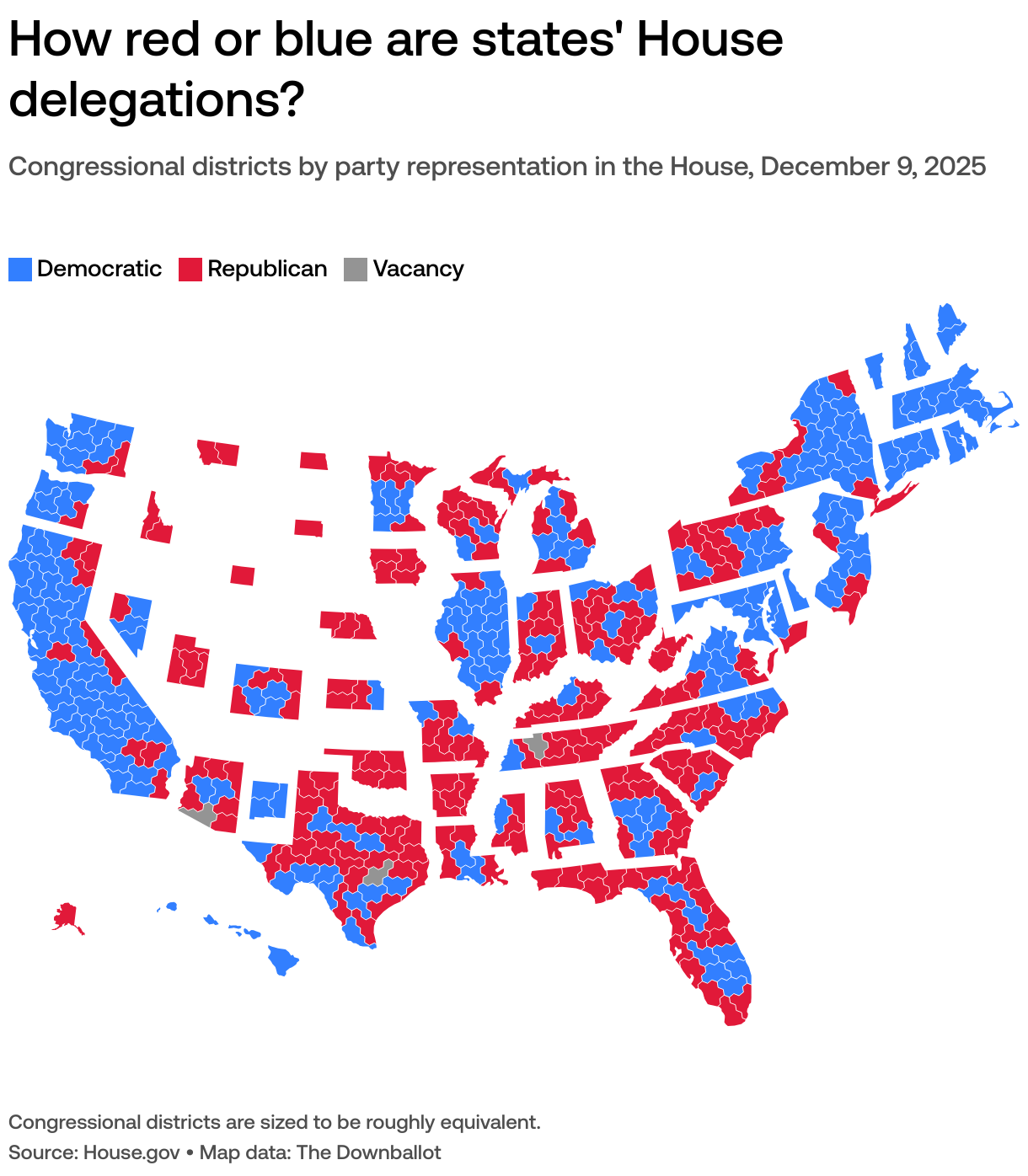
The Intersection of Politics and Paradise: What it Means for Travelers
Hawaii’s blue political identity is not just a statistical anomaly; it’s a living philosophy that profoundly shapes the visitor experience. From the moment you step off the plane, you’ll feel the influence of these progressive values in the state’s commitment to environmental stewardship, the celebration of its diverse local culture, and the very choices available in accommodation and lifestyle.
Sustainable Tourism and Environmental Stewardship
At the heart of Hawaii’s blue identity is an unwavering commitment to protecting its unparalleled natural beauty. The islands of Maui, Oahu, the Big Island, and Kauai boast some of the world’s most pristine beaches, lush rainforests, and vibrant marine ecosystems. This natural wealth is not taken for granted; it is actively safeguarded through a range of progressive policies.
The state has ambitious goals for renewable energy, aiming for 100% clean energy by 2045, and stringent regulations protect its coral reefs and marine life. Initiatives like “Malama Aina,” meaning “care for the land,” are more than slogans; they are guiding principles that inform policies affecting everything from waste management to land use and water conservation. Visitors to Hawaii will find this commitment reflected in many ways:
- Eco-Tourism Opportunities: Numerous operators offer tours focused on sustainable practices, emphasizing minimal impact and educational experiences.
- Protected Natural Landmarks: Iconic sites such as Diamond Head on Oahu, the breathtaking Na Pali Coast on Kauai, and Hawaii Volcanoes National Park on the Big Island are managed with preservation as a top priority, often with strict rules to protect their delicate environments.
- Conscious Consumption: Many local businesses, hotels, and resorts actively promote sustainable practices, from reducing single-use plastics to sourcing local, organic ingredients.

This emphasis on environmental responsibility means that when you explore a pristine beach or hike through a verdant valley, you’re experiencing the direct benefits of Hawaii’s progressive environmental policies.
Celebrating Diversity and Local Culture
Hawaii’s “blue” identity also aligns perfectly with its incredible cultural diversity. The state is a true melting pot, where Native Hawaiian traditions blend seamlessly with influences from Japan, the Philippines, China, Portugal, and many other nations. Progressive values naturally foster an environment where this rich tapestry of cultures is not just tolerated but actively celebrated and preserved.
For visitors, this translates into an authentic and vibrant cultural experience:
- Diverse Cuisine: The food scene in Hawaii is a testament to its cultural fusion, with farm-to-table movements flourishing and local ingredients taking center stage. You can savor authentic poke, traditional plate lunches, and innovative fusion dishes that reflect centuries of culinary exchange.
- Festivals and Events: Throughout the year, various cultural festivals, parades, and art exhibitions showcase the islands’ diverse heritage, offering a deeper insight into the local way of life.
- Historical Sites: Honolulu on Oahu is home to Iolani Palace, the only official residence of royalty in the United States, and Pearl Harbor, a poignant reminder of pivotal historical events. These sites are maintained with a deep respect for their historical and cultural significance. The Polynesian Cultural Center offers an immersive experience into the cultures of Polynesia.
- Support for Local Arts: The local art scene thrives, often with public funding and community support, allowing artists to express Hawaiian stories and traditions through various mediums.
This emphasis on inclusivity and cultural preservation creates a welcoming atmosphere where visitors are encouraged to learn and engage with the islands’ unique heritage.
Lifestyle and Accommodation Choices
The political leaning of Hawaii also influences the lifestyle and accommodation options available to travelers. In a state that prioritizes ethical practices and environmental responsibility, many hospitality providers strive to align with these values.
- Eco-Friendly Hotels and Resorts: From luxury travel resorts like the Four Seasons Resort Maui at Wailea or the Grand Wailea Maui, A Waldorf Astoria Resort on Maui to boutique hotels and vacation rentals, you’ll find a growing number of establishments committed to sustainable operations. This can include everything from water conservation programs and solar energy use to sourcing amenities from local, ethical suppliers. The Ritz-Carlton, Kapalua is another example of luxury intertwined with respect for the environment.
- Support for Local Businesses: The “buy local” movement is strong in Hawaii, reflecting a desire to support the community and reduce environmental impact. Travelers can enjoy this by exploring local farmers’ markets, boutique shops, and independent restaurants rather than solely relying on large chain stores.
- Diverse Accommodation Options: While high-end resorts like those in Waikiki offer unparalleled comfort, Hawaii also caters to budget travel and those seeking more authentic experiences, with numerous charming apartments, villas, and eco-lodges that allow visitors to immerse themselves more deeply in the local environment and culture.
Whether you’re planning a family trip, a romantic getaway, or a business stay, Hawaii’s progressive ethos ensures that you have access to services and products that align with ethical and sustainable values, enhancing your overall experience.
Planning Your Hawaiian Journey: Embracing the Spirit of Aloha
Understanding that Hawaii is a deeply blue state, with values centered around community, environmental protection, and social justice, allows for a more meaningful and responsible travel experience. When you plan your trip, consider how you can align your choices with these foundational principles to not just see the islands, but truly experience them.
Navigating the Islands with a Conscience
Responsible tourism is paramount in Hawaii. The state’s progressive policies are continually striving to balance the needs of its residents and environment with the desires of its visitors. By making conscious choices, you can contribute positively to this delicate ecosystem.
- Respect Sacred Sites: Many natural areas and landmarks hold deep cultural and spiritual significance for Native Hawaiians. Always approach these sites with respect, follow posted guidelines, and avoid disturbing the environment.
- Reduce Your Footprint: Opt for reusable water bottles, reef-safe sunscreen, and minimize waste. Support local businesses that demonstrate a commitment to sustainability. Consider inter-island travel options that are more eco-friendly when possible.
- Engage with Local Culture: Seek out opportunities to learn about Hawaiian history, language, and traditions. Attend a traditional luau that genuinely celebrates local culture, or visit cultural centers to gain a deeper appreciation.
By adopting a mindful approach, your journey becomes a testament to the “Malama Aina” philosophy, fostering a deeper connection with the islands and its people.
Iconic Destinations and Experiences Reflecting Hawaiian Values
Hawaii’s blue identity is woven into the very fabric of its most famous attractions and activities. Each island offers unique experiences that, when viewed through the lens of Hawaii’s values, gain additional depth.
- Oahu: The Gathering Place: Beyond the bustling streets of Waikiki and the historical significance of Pearl Harbor, Oahu offers places like the Hanauma Bay Nature Preserve, a protected marine sanctuary that exemplifies the state’s dedication to conservation, offering unparalleled snorkeling in a pristine environment.
- Maui: The Valley Isle: Known for its stunning beaches and luxurious resorts in areas like Wailea and Kapalua, Maui also encourages responsible exploration of its natural wonders, such as the scenic Road to Hana and the historic town of Lahaina, where cultural preservation efforts are ongoing.
- Big Island: The Orchid Isle: Home to Hawaii Volcanoes National Park, this island showcases the raw, untamed power of nature, managed under strict federal and state guidelines to ensure public safety and ecological integrity. Its coffee farms also highlight sustainable agriculture.
- Kauai: The Garden Isle: With its dramatic Na Pali Coast and lush interior, Kauai epitomizes Hawaii’s commitment to preserving wild, natural spaces, offering incredible opportunities for hiking, kayaking, and experiencing untouched beauty.
From surfing the legendary waves to hiking volcanic landscapes, engaging in these activities with an awareness of Hawaii’s progressive ethos allows for a deeper, more respectful, and ultimately more rewarding journey.
In conclusion, Hawaii is undeniably a deep blue state, and this political identity is far more than a simple demographic fact. It is a defining characteristic that shapes the very essence of the islands, influencing its commitment to environmental protection, cultural diversity, and social equity. For travelers, understanding this progressive core allows for a more profound and conscious engagement with all that Hawaii has to offer. By choosing to visit Hawaii, you are not just embarking on a tropical vacation; you are stepping into a place where the “spirit of Aloha” extends beyond warm greetings to encompass a deep-seated respect for the land, its people, and a future built on sustainable and inclusive principles. Embrace this spirit, and your Hawaiian adventure will be truly unforgettable.
LifeOutOfTheBox is a participant in the Amazon Services LLC Associates Program, an affiliate advertising program designed to provide a means for sites to earn advertising fees by advertising and linking to Amazon.com. Amazon, the Amazon logo, AmazonSupply, and the AmazonSupply logo are trademarks of Amazon.com, Inc. or its affiliates. As an Amazon Associate we earn affiliate commissions from qualifying purchases.