
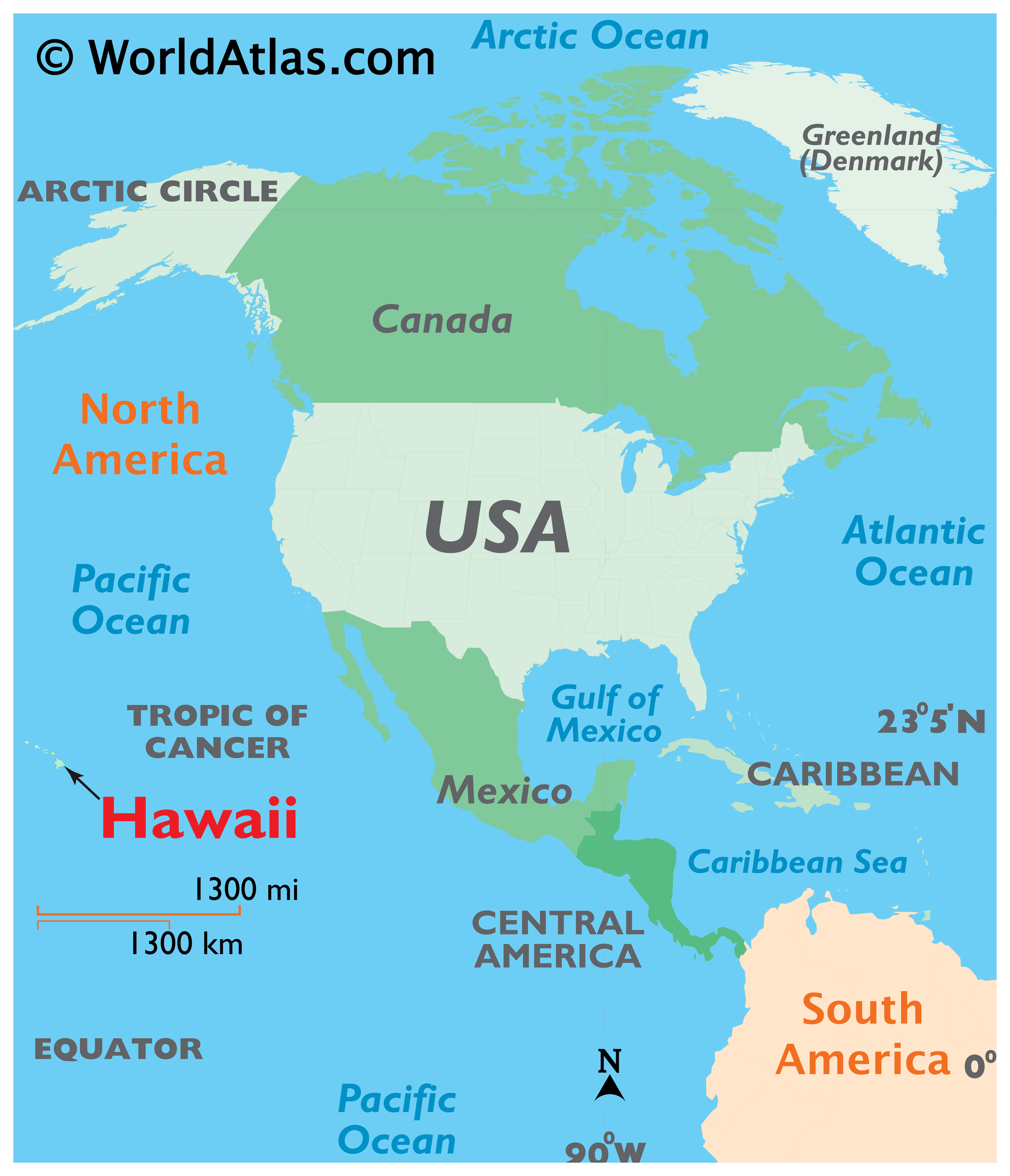
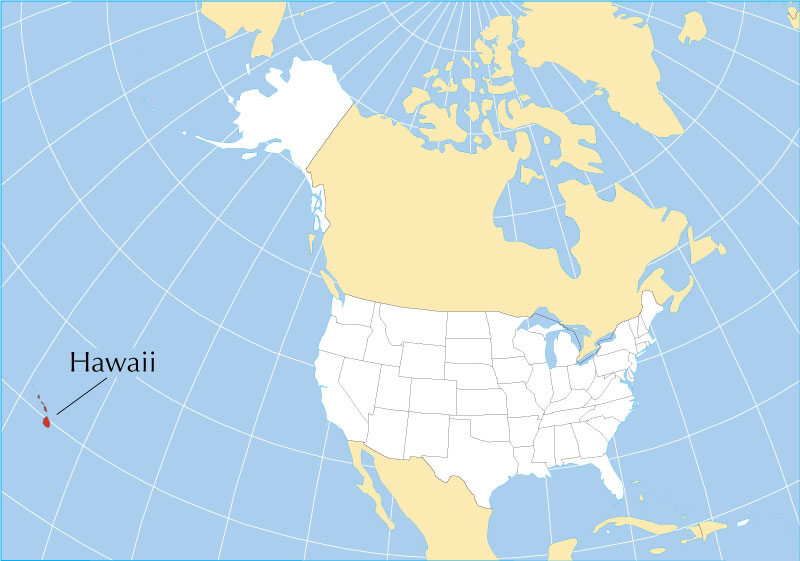
The question of whether Hawaii is a state in the United States is one that touches upon history, geography, and the unique political identity of the Pacific Basin. To provide a definitive answer: Yes, Hawaii is the 50th state of the United States, officially admitted to the union on August 21, 1959. It remains the only island state in the nation and the only state located outside of North America. Beyond its political status, the islands serve as a living museum of geological wonders, historical sites, and architectural heritage that distinguish it from any other part of the USA.
The Historical Journey to Statehood and the Iolani Palace
The transition of Hawaii from an independent kingdom to the 50th star on the American flag is a complex narrative documented through its most significant historical landmarks. Long before it became a state, the archipelago was a sovereign nation. The unification of the islands was achieved by King Kamehameha I in the early 19th century, establishing a monarchy that would interact with global powers, including Great Britain and the United States.
One of the most profound landmarks representing this era is the Iolani Palace in Honolulu. Built by King Kalakaua in 1882, it stands as the only royal palace on American soil. The architecture, often described as American Florentine, features grand staircases, ornate koa wood carvings, and artifacts from the reign of the Hawaiian monarchy. The palace is not just a building; it is a symbol of a lost era. It was here that Queen Liliuokalani, the last reigning monarch, was held under house arrest following the overthrow of the kingdom in 1893 by a group of businessmen and sugar planters supported by U.S. Marines.
Following the overthrow, Hawaii was briefly a republic before being annexed as a territory of the United States in 1898. For over sixty years, the islands remained a territory, a status that lacked the full political rights of statehood. The drive for statehood gained momentum following World War II, largely due to the islands’ strategic importance and the bravery shown by local residents during the conflict. Finally, after a decades-long struggle and a popular vote in which 93% of the island residents supported statehood, President Dwight D Eisenhower signed the proclamation that officially welcomed Hawaii as an equal member of the union.
The Role of Prince Jonah Kuhio Kalanianaole
In the halls of history, Prince Jonah Kuhio Kalanianaole is remembered as a pivotal figure who bridged the gap between the monarchy and the American political system. Serving as a non-voting delegate to the U.S. Congress, he introduced the first Hawaii Statehood Act in 1919. While it took another forty years to realize that dream, his efforts ensured that the voice of the Hawaiian people was heard in Washington DC.
Natural Landmarks and the Birth of the Archipelago
Geographically, Hawaii is unique among the states because it is composed entirely of islands formed by volcanic activity. While most states are defined by borders on a continent, Hawaii is defined by its relationship with the Pacific Ocean. The state consists of eight main islands: Oahu, Maui, Kauai, Lanai, Molokai, Niihau, Kahoolawe, and the island of Hawaii, often referred to as the Big Island.
The most significant natural landmark illustrating this volcanic origin is Hawaii Volcanoes National Park. Located on the Big Island, this park is home to two of the world’s most active volcanoes: Kilauea and Mauna Loa. These landmarks offer a rare opportunity to witness the literal growth of the United States, as molten lava reaches the sea and hardens into new land. The geological history preserved here dates back hundreds of thousands of years, showcasing the raw power of the earth.
On the island of Maui, Haleakala National Park serves as another monumental landmark. The dormant volcano, Haleakala, rises over 10,000 feet above sea level, creating a landscape that resembles the moon more than a tropical island. The preservation of these sites as National Parks is a testament to Hawaii’s status as a state, as it places these treasures under the protection of the federal government, ensuring they remain accessible for future generations.
The Canyons and Cliffs of Kauai
Kauai, known as the Garden Isle, hosts the Waimea Canyon State Park. Often called the “Grand Canyon of the Pacific,” this landmark showcases the erosive power of water and time on volcanic rock. The deep red and orange hues of the canyon walls contrast sharply with the lush greenery, providing a historical record of the island’s formation and subsequent weathering over five million years.
Pearl Harbor and the Legacy of the 20th Century
No discussion of Hawaii’s place in the United States is complete without acknowledging Pearl Harbor. This site is perhaps the most significant historical landmark in the state, as it marks the moment the USA was thrust into the global theater of war. On December 7, 1941, the surprise attack on the naval base led to the nation’s entry into the conflict.
The USS Arizona Memorial stands as a somber tribute to the sailors and marines who lost their lives during the attack. The structure, which straddles the sunken hull of the battleship, is a masterpiece of commemorative architecture. It serves as a bridge between the past and the present, reminding visitors of the heavy price paid for the security and unity of the United States. The site is part of the Pearl Harbor National Memorial, which also includes the USS Bowfin Submarine Museum and Park and the Battleship Missouri Memorial.
The presence of these landmarks reinforces Hawaii’s identity as an integral part of American history. The defense of the Pacific Basin was centered here, and the subsequent recovery and economic boom of the 1950s paved the way for the islands to transition from a military outpost to a full-fledged state.
Diamond Head State Monument
Looking over the coastline of Waikiki is Diamond Head State Monument. Known to Native Hawaiians as Leahi, this tuff crater is one of the most recognized landmarks in the world. Historically, it served as a coastal defense lookout for the U.S. Army. Today, the hike to the summit offers a panoramic view of the state capital, Honolulu, and the vast Pacific Ocean, symbolizing the intersection of natural beauty and military history.
Cultural Landmarks and the Preservation of Heritage
While Hawaii is politically a state in the United States, its cultural landscape is deeply rooted in Polynesia. This dual identity is preserved through various landmarks that celebrate the indigenous Hawaiian culture while operating within the framework of an American state.
The Bishop Museum, officially known as the Bernice Pauahi Bishop Museum, is the premier cultural landmark for studying Hawaiian history and the broader Pacific world. Founded in 1889, the museum houses the world’s largest collection of Hawaiian artifacts and royal heirlooms. The Victorian-era architecture of the main building, constructed with dark lava stone, is a landmark in its own right. It provides the historical context necessary to understand how the islands evolved from a tribal society to a sophisticated kingdom and, eventually, a modern state.
Another vital landmark is Puuhonua o Honaunau National Historical Park on the Big Island. This “place of refuge” was a sanctuary for those who broke ancient laws (kapu) or for defeated warriors. The reconstructed temples, wooden statues (kii), and massive stone walls offer a glimpse into the religious and social structures that governed the islands for centuries before Western contact. The preservation of such sites by the National Park Service highlights the commitment of the United States to honoring the unique heritage of its 50th state.
The Educational Legacy of the Polynesian Cultural Center
Located on the North Shore of Oahu, the Polynesian Cultural Center serves as a living museum. Through its various villages representing different Pacific nations, including Samoa, Tahiti, and Aotearoa, it educates the public on the connections between Hawaii and its neighbors. This landmark underscores the fact that while Hawaii is part of the USA, it is also the cultural heart of the Pacific.
The Modern Identity of the 50th State
Today, Hawaii functions as a vibrant and essential part of the United States. Its capital, Honolulu, is a major metropolitan hub that blends modern skyscrapers with historic landmarks. The Hawaii State Capitol building is a masterpiece of symbolic architecture. Unlike the neoclassical domes found in states like California or Texas, the Hawaii capitol is designed to represent the islands’ environment. The two legislative chambers are shaped like cones to signify volcanoes, the columns represent palm trees, and the building is surrounded by a moat, symbolizing the Pacific Ocean.
The state’s legal and political status is identical to that of the other 49 states. Residents pay federal taxes, vote in presidential elections, and are represented in the U.S. Senate and the U.S. House of Representatives. This sets it apart from Territories of the United States such as Guam, Puerto Rico, or American Samoa, which do not have the same level of political representation.
From the volcanic peaks of Mauna Kea to the bustling streets of Waikiki, Hawaii is a state that honors its past while looking toward the future. Landmarks like the Kalaupapa National Historical Park on Molokai tell stories of resilience, while Hanauma Bay on Oahu showcases the state’s dedication to marine conservation. Each of these famous places contributes to the undeniable fact that Hawaii is not just a destination, but a vital, sovereign, and permanent state within the United States.
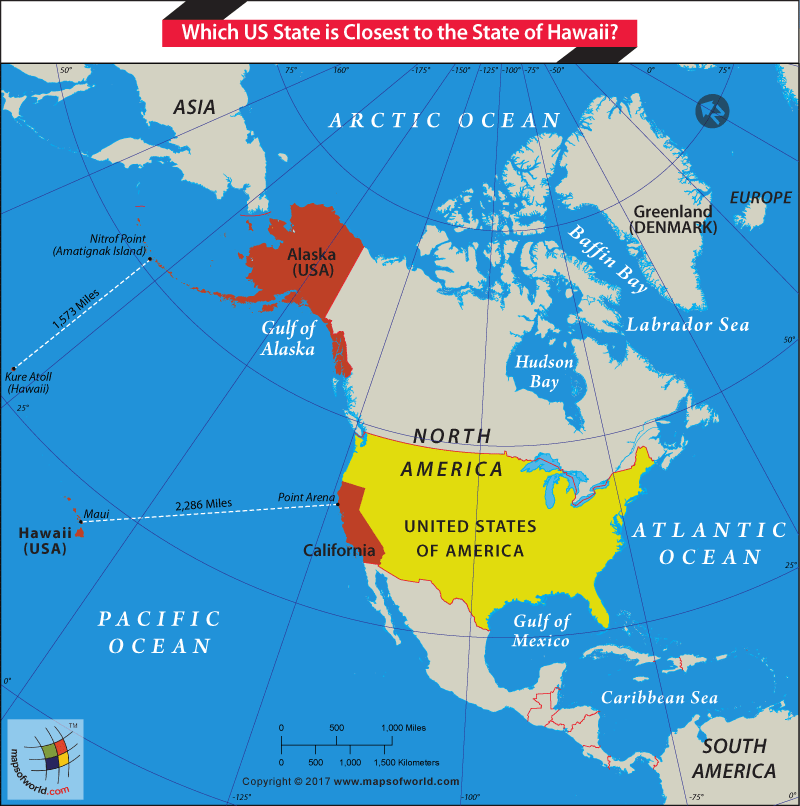
By understanding the landmarks—both natural and man-made—one gains a deeper appreciation for the journey the islands have taken. Whether it is the solemn silence of Pearl Harbor or the regal halls of the Iolani Palace, the evidence of Hawaii’s complex and beautiful identity as the 50th state is etched into every corner of the archipelago. Regardless of the distance from San Francisco or Alaska, Hawaii remains an inseparable part of the American story.
LifeOutOfTheBox is a participant in the Amazon Services LLC Associates Program, an affiliate advertising program designed to provide a means for sites to earn advertising fees by advertising and linking to Amazon.com. Amazon, the Amazon logo, AmazonSupply, and the AmazonSupply logo are trademarks of Amazon.com, Inc. or its affiliates. As an Amazon Associate we earn affiliate commissions from qualifying purchases.