
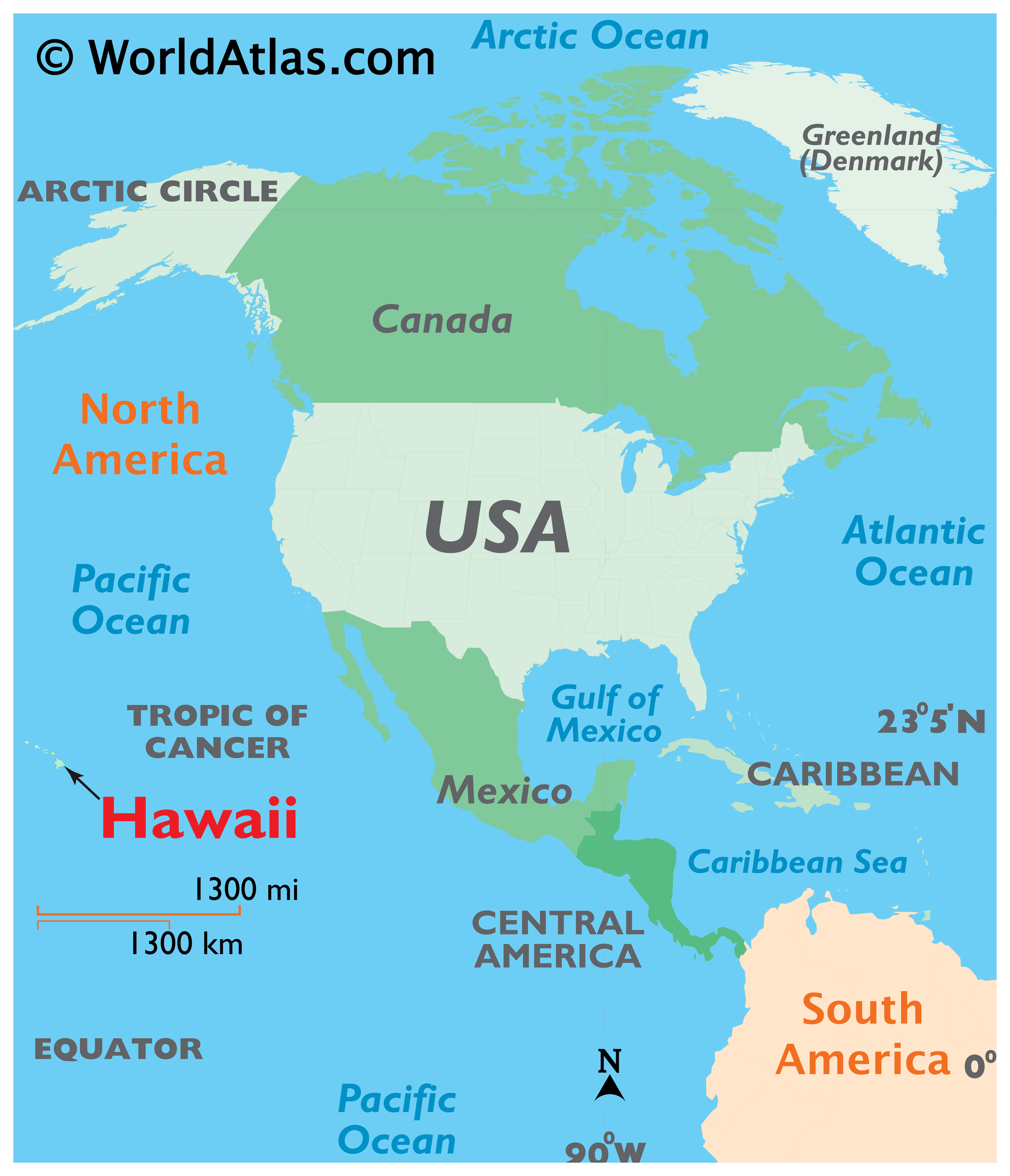
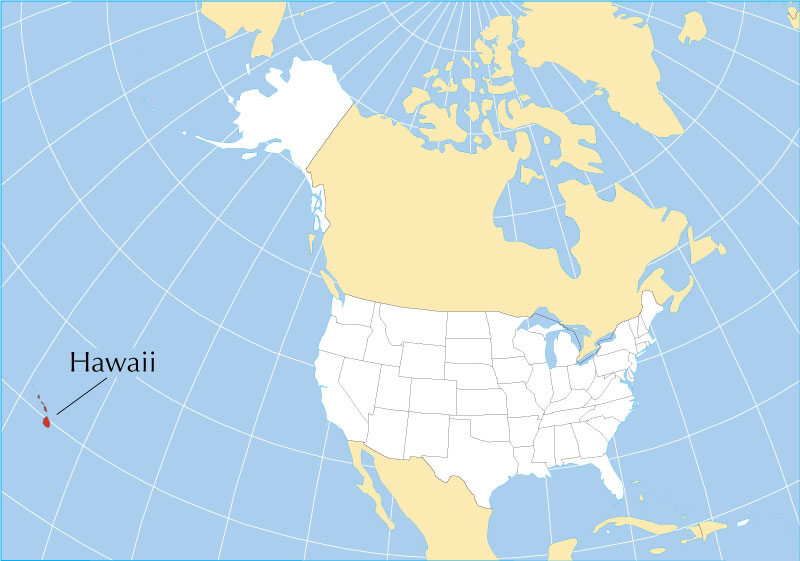
The question “Is Hawaii a state of the US?” might seem straightforward to many, but it often carries a deeper curiosity about the islands’ unique history, culture, and geographical separation from the North American mainland. The definitive answer is a resounding yes: Hawaii proudly stands as the 50th state of the United States, having achieved statehood on August 21, 1959. This tropical paradise, a sprawling archipelago in the heart of the Pacific Ocean, offers a captivating blend of indigenous Polynesian heritage, diverse cultural influences, and breathtaking natural beauty, making it a dream destination for travelers worldwide.
Beyond its political status, Hawaii represents an unparalleled travel experience. Its allure lies not only in its sun-drenched beaches and lush volcanic landscapes but also in its vibrant local culture, world-class accommodations, and myriad activities catering to every type of lifestyle, from luxurious escapes to adventurous budget-friendly trips. Whether you’re planning a family vacation, a romantic honeymoon, or a solo exploration, understanding Hawaii’s journey to statehood and its current identity enriches the travel experience, allowing visitors to appreciate the profound stories embedded in its shores. This article delves into Hawaii’s historical trajectory, explores its unique contributions as a US state, and provides a comprehensive guide for those dreaming of an unforgettable adventure in the Aloha State.
The Path to Statehood: A Journey Through History
Hawaii’s history is as rich and complex as its vibrant ecosystems. Its path to becoming the 50th US state is a fascinating saga that began centuries before European contact, shaped by indigenous ingenuity, global exploration, and geopolitical shifts.
From Ancient Polynesia to a Sovereign Kingdom
The story of human settlement in Hawaii dates back over 1,500 years, when fearless Polynesian navigators embarked on epic voyages across the Pacific. Using sophisticated wayfinding techniques, they discovered and settled these remote islands, establishing a thriving society built on a deep reverence for the land and sea, intricate social structures, and a rich oral tradition. Over centuries, distinct island cultures emerged, each with unique expressions of art, religion, and governance.
The arrival of Captain James Cook in 1778 marked a pivotal moment, introducing Hawaii to the Western world. This contact, while bringing new technologies and trade, also ushered in devastating diseases that decimated the native population. Amidst these changes, King Kamehameha I rose to power, unifying the islands into the Kingdom of Hawaii by 1810. Under his rule and those of his successors, the kingdom navigated increasing foreign interest, establishing diplomatic relations with major global powers, developing a written language, and adopting a constitutional monarchy. For nearly a century, the Hawaiian Monarchy maintained its sovereignty, a testament to its resilience and diplomatic prowess.
Annexation, Territory, and the Dawn of a New Era
However, by the late 19th century, growing economic interests, particularly from American sugar planters, exerted immense pressure on the kingdom. In 1893, a group of American and European businessmen, supported by the United States military, overthrew Queen Lili’uokalani, the last reigning monarch. This controversial act led to the establishment of a provisional government, then the Republic of Hawaii in 1894.
In 1898, driven by strategic military and economic motivations during the Spanish-American War, the United States formally annexed Hawaii, declaring it a US territory. For the next six decades, Hawaii operated as a territory, experiencing significant shifts in demographics, economy, and infrastructure. The devastating attack on Pearl Harbor on Oahu in 1941, which drew the United States into World War II, further underscored Hawaii’s strategic importance. Following the war, a robust movement for statehood gained momentum, fueled by a desire for full political representation and equal rights for its citizens. After years of advocacy and debate, Congress passed the Hawaii Admission Act, and on August 21, 1959, Hawaii officially became the 50th state of the United States, a momentous occasion celebrated across the islands.
Hawaii’s Unique Identity as the 50th State
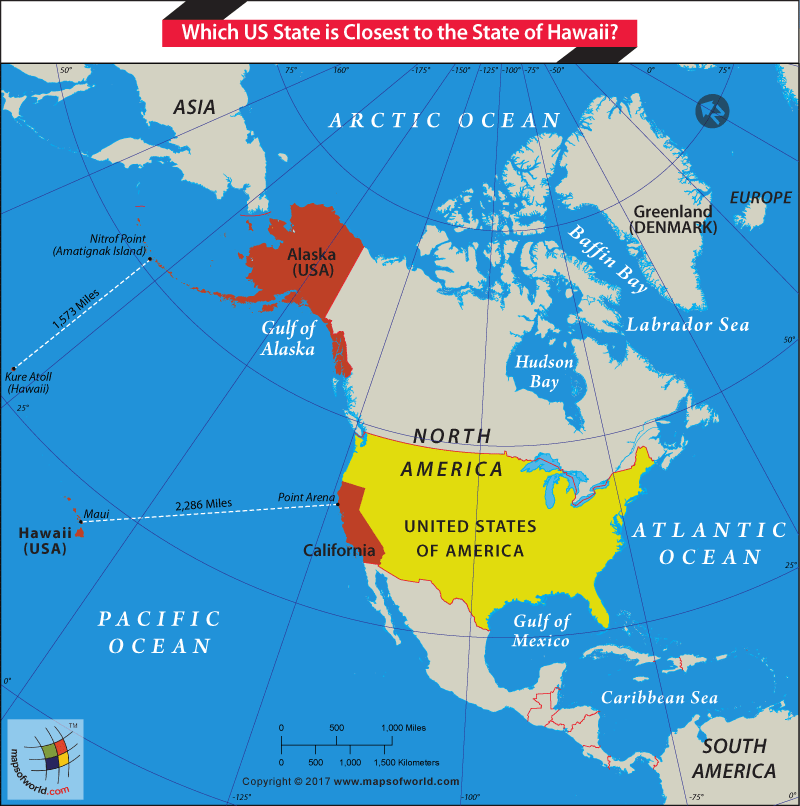
As the most geographically isolated landmass on Earth, Hawaii’s status as a US state is profoundly unique. It contributes a distinctive flavor to the American tapestry, enriching it with its unparalleled natural environment and vibrant multiculturalism.
A Melting Pot of Culture and Natural Wonders
Hawaii is renowned for its extraordinary biodiversity, boasting active volcanoes, lush rainforests, pristine coral reefs, and a wide array of endemic species found nowhere else on the planet. From the dramatic cliffs of the Na Pali Coast on Kauai to the fiery lava flows of Hawaii Volcanoes National Park on the Big Island (Hawaii Island), the islands offer a continuous spectacle of nature’s grandeur. These natural wonders are not just backdrops for tourism; they are integral to the local way of life and a source of deep cultural pride.
Culturally, Hawaii is a vibrant fusion. While its indigenous Polynesian roots remain strong, expressed through the language, hula, and the aloha spirit, centuries of immigration have created a truly unique demographic. People from Japan, the Philippines, China, Portugal, and many other countries in Asia and beyond have contributed to Hawaii’s rich cultural mosaic. This diversity is palpable in its cuisine, festivals, music, and daily interactions, offering visitors an immersive experience far removed from typical mainland American culture. The local food scene, a testament to this blend, features delicious fusions like Japanese-inspired poke, Filipino adobo, and traditional Hawaiian kalua pig, all contributing to a distinct culinary identity.
Economic Pillars: Tourism, Agriculture, and Military Presence
Hawaii’s economy is primarily driven by three sectors: tourism, agriculture, and military spending. Tourism is undoubtedly the largest, drawing millions of visitors annually who seek out its iconic beaches, surf spots, and cultural experiences. This industry supports a vast network of businesses, from luxury resorts and boutique hotels to local restaurants and tour operators. The “aloha spirit” – a philosophy of hospitality, mutual respect, and love – forms the bedrock of the tourism experience.
Agriculture, though less dominant than in previous centuries, continues to be a vital part of the economy, known for its pineapple, macadamia nuts, and, most famously, Kona coffee. These products are not just commodities but integral parts of the islands’ heritage and a source of pride for local communities. Lastly, the significant military presence, largely concentrated around Pearl Harbor and other strategic bases on Oahu, provides a substantial economic base and employment opportunities, reflecting Hawaii’s enduring importance in national defense.
Experiencing the Aloha State: A Traveler’s Guide
For those planning a visit, Hawaii is much more than just a collection of islands; it’s a diverse landscape of experiences waiting to be discovered. Each island offers its own distinct personality and attractions, ensuring that every traveler finds their perfect paradise.
Island Hopping: Discovering Hawaii’s Diverse Landscapes and Attractions
The main inhabited islands, Oahu, Maui, the Big Island (Hawaii Island), and Kauai, are the primary destinations for travelers.
-
Oahu: The Gathering Place
Oahu is the most populated island and home to the capital city, Honolulu. Here, urban sophistication meets stunning natural beauty. The world-famous Waikiki Beach offers iconic surfing lessons, vibrant nightlife, and a plethora of hotels ranging from the luxurious Moana Surfrider, A Westin Resort & Spa to more budget-friendly accommodations. History buffs will find solemn reflection at the Pearl Harbor National Memorial and hiking enthusiasts can conquer Diamond Head for panoramic views. The North Shore beckons surfers with legendary breaks like Banzai Pipeline and the Turtle Bay Resort, while the Polynesian Cultural Center provides an immersive journey into island cultures. -
Maui: The Valley Isle
Known for its romantic ambiance and diverse landscapes, Maui is a favorite for honeymooners and adventure seekers. Witnessing the sunrise from the summit of Haleakala National Park’s dormant volcano is an ethereal experience. The scenic and winding Road to Hana reveals hidden waterfalls and black sand beaches. Opulent resorts line the shores of Wailea and Ka’anapali Beach, offering amenities like world-class spas and championship golf courses. Consider the Four Seasons Resort Maui at Wailea or the Grand Wailea, A Waldorf Astoria Resort for an unforgettable stay. -
Big Island (Hawaii Island): The Orchid Isle
The largest and youngest of the islands, the Big Island is still growing thanks to its active volcanoes, Kilauea and Mauna Loa, both located within Hawaii Volcanoes National Park. Here, you can witness dramatic lava landscapes, explore black sand beaches, and experience diverse climates from tropical rainforests near Hilo to the sunny, dry Kona coast, famous for its coffee. Resorts like the Mauna Lani, Auberge Resorts Collection offer luxurious beachfront experiences. -
Kauai: The Garden Isle
Kauai lives up to its name with verdant valleys, dramatic cliffs, and cascading waterfalls. The iconic Na Pali Coast, accessible by boat tour, helicopter, or challenging hike, is a sight to behold. The vast Waimea Canyon, often called the “Grand Canyon of the Pacific,” offers breathtaking vistas. Resorts like the Grand Hyatt Kauai Resort & Spa provide luxury amid tropical splendor, while numerous villas and apartments cater to long-term stays or family trips.
Accommodation and Lifestyle: From Luxury Resorts to Budget-Friendly Stays
Hawaii offers an extensive range of accommodation options to suit every preference and budget. Luxury travelers can indulge in five-star resorts boasting infinity pools, private suites, and personalized services, often located in prime beachfront spots like Ka’anapali or Wailea. Brands like Marriott, Hilton, and the aforementioned Four Seasons or Grand Hyatt offer unparalleled amenities and experiences.
For those seeking a more local experience or a budget-conscious trip, there are charming boutique hotels, vacation apartments, and private villas available for booking across the islands. Websites dedicated to accommodation comparison and reviews can help travelers find the perfect fit, whether it’s a cozy Airbnb in Paia or a family-friendly condo in Kona. Long-term stay options are also increasingly popular for those looking to immerse themselves deeply in the island lifestyle.
Embracing Local Culture, Cuisine, and Activities
No trip to Hawaii is complete without embracing its local culture and cuisine. Attending a traditional luau is a must, offering a feast of kalua pig, poke, and fresh seafood, accompanied by captivating hula performances and live Hawaiian music. Engaging in water sports like surfing, snorkeling, diving with manta rays, or paddling a outrigger canoe provides unique experiences in the clear Pacific waters. Land-based activities include hiking through volcanic landscapes, exploring botanical gardens, or taking a scenic drive.
Food tourism in Hawaii is a delight, from fresh fruits like mangoes and pineapples to the innovative farm-to-table dining scenes in Honolulu and Lahaina. Don’t forget to try shave ice, a refreshing treat perfect for sunny days. Respect for the ‘āina (land) and the local culture is paramount; learning a few Hawaiian phrases and understanding local tips for respectful travel significantly enhances the experience.
Planning Your Unforgettable Hawaiian Adventure
Careful planning is key to maximizing your Hawaiian adventure, whether it’s a quick getaway or a prolonged long-term stay.
Essential Tips for a Seamless Trip
The best time to visit Hawaii is generally during the shoulder seasons (April-May and September-November) when the weather is pleasant, and crowds are thinner. Flights from the US mainland arrive at major airports like Daniel K. Inouye International Airport in Honolulu on Oahu or Kahului Airport on Maui. Intra-island transportation often involves renting a car, which is highly recommended for exploring beyond resort areas, or utilizing local bus services in urban centers.
Budgeting for a trip to Hawaii requires foresight, as it can be an expensive destination. However, there are ways to manage costs, such as cooking some meals, utilizing public transportation where possible, and seeking out free attractions like public beaches and hiking trails. For those desiring a luxury travel experience, Hawaii offers exclusive services, private tours, and high-end resorts that cater to every whim. Conversely, backpackers and budget travel enthusiasts can find hostels and camping options on some islands. Remember to book accommodations and popular tours well in advance, especially during peak seasons, using reliable booking platforms.
Finally, embracing the local customs, practicing responsible tourism by respecting marine life and natural environments, and supporting local businesses will ensure a more authentic and rewarding experience for both you and the communities you visit.
In conclusion, Hawaii is unequivocally a state of the United States, a status it has held for over six decades. Its unique blend of history, culture, and breathtaking natural beauty positions it as far more than just a dot on the map. It’s a vibrant destination that offers an array of experiences for every traveler, promising memories that last a lifetime. From its storied past as a sovereign kingdom to its present-day role as a beacon of natural splendor and cultural diversity, the Aloha State continues to captivate hearts and inspire wanderlust, inviting everyone to discover its magic.
LifeOutOfTheBox is a participant in the Amazon Services LLC Associates Program, an affiliate advertising program designed to provide a means for sites to earn advertising fees by advertising and linking to Amazon.com. Amazon, the Amazon logo, AmazonSupply, and the AmazonSupply logo are trademarks of Amazon.com, Inc. or its affiliates. As an Amazon Associate we earn affiliate commissions from qualifying purchases.