
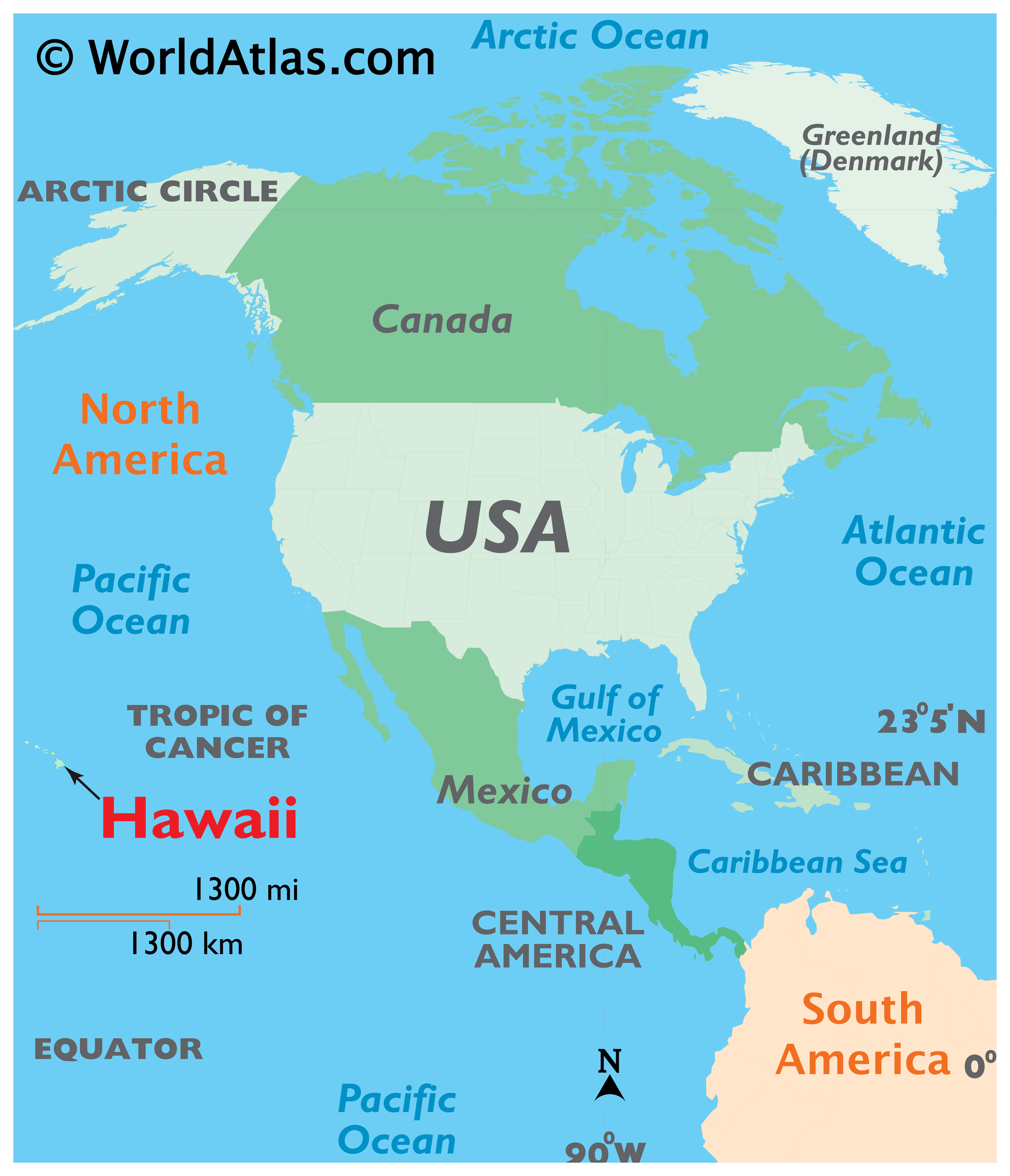
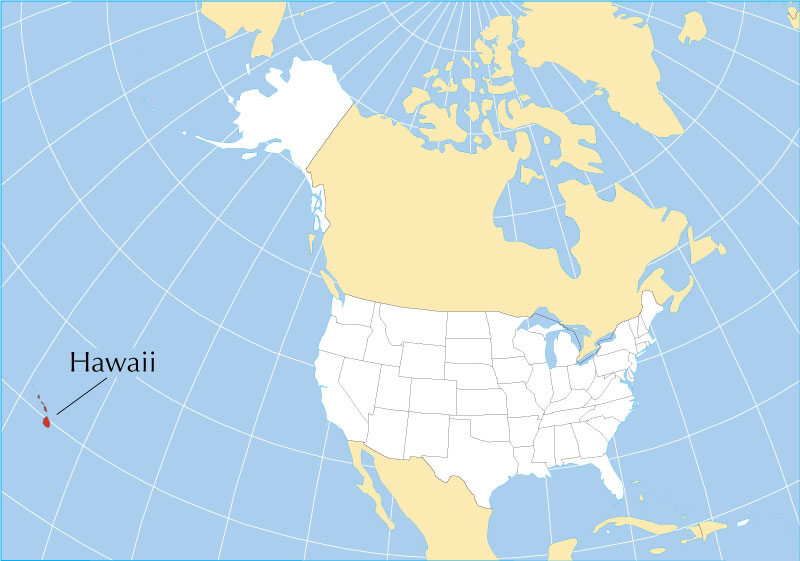
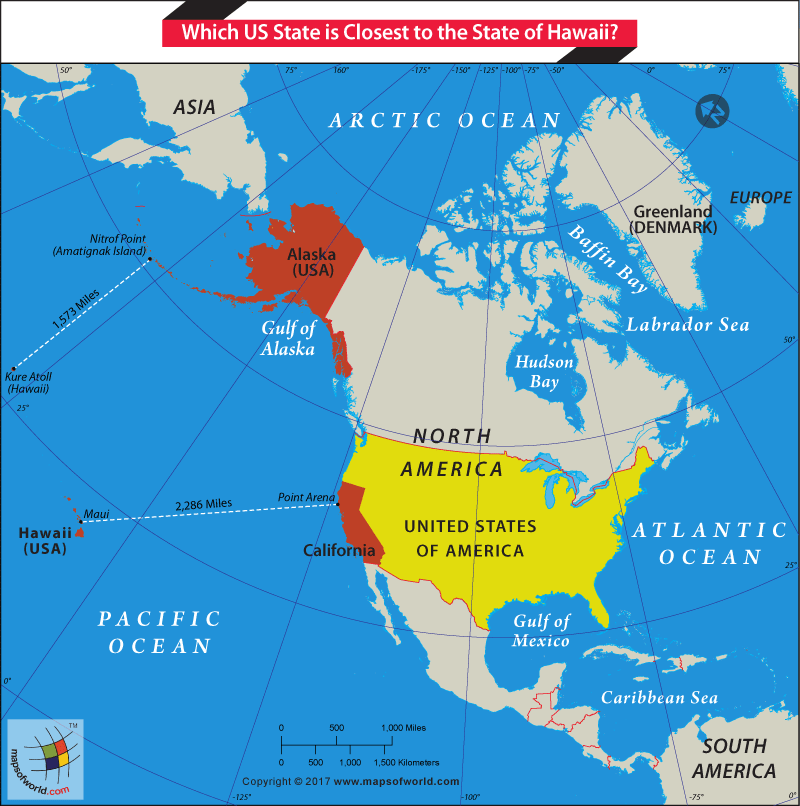
Yes, Hawaii is indeed a state of the United States of America (USA). On August 21, 1959, Hawaii officially became the 50th state, a pivotal moment that integrated this stunning archipelago into the fabric of the nation. Its unique position as the only US state located entirely in Oceania and the only one composed completely of islands distinguishes it significantly from its continental counterparts. Far removed from the mainland, nestled in the vast Pacific Ocean, Hawaii’s journey to statehood was long and complex, reflecting its rich cultural heritage and strategic importance.
This tropical paradise, renowned for its breathtaking landscapes, vibrant culture, and warm aloha spirit, is much more than just a collection of beautiful islands; it is a fully integrated part of the USA, operating under federal laws, participating in national elections, and contributing to the diverse tapestry of American society. For travelers, this means the convenience of domestic travel for US citizens – no passports required, standard currency (US Dollar), and familiar infrastructure. This integration, however, hasn’t diminished Hawaii’s distinct identity, making it an unparalleled destination that blends American familiarity with a captivating Polynesian essence.
The Path to Statehood: A Brief History
The question of Hawaii’s statehood is rooted in a fascinating historical narrative that spans centuries, from its indigenous kingdom to its eventual incorporation into the United States. Understanding this journey provides crucial context to its current status and its enduring appeal as a destination that perfectly marries cultural depth with modern convenience.
From Kingdom to Territory
Before its annexation, Hawaii existed as an independent kingdom for nearly a century, unified under King Kamehameha I in 1810. This period saw the flourishing of a unique Hawaiian culture, language, and governance. However, by the late 19th century, increasing foreign influence, particularly from American businessmen and missionaries, began to reshape the islands’ political and economic landscape. The desire for a closer relationship with the United States was driven by economic interests, primarily related to the sugar industry, and strategic military considerations in the Pacific.
In 1893, a group of American and European businessmen, supported by the US Minister to Hawaii, overthrew the reigning monarch, Queen Liliuokalani. This led to the establishment of the Republic of Hawaii in 1894, which then sought annexation by the United States. Despite some domestic opposition in the US and within Hawaii, the islands were annexed in 1898, largely influenced by the geopolitical context of the Spanish-American War. Following annexation, Hawaii became an organized incorporated territory of the United States in 1900, maintaining this status for nearly six decades. During this territorial period, Hawaii’s economy grew, its population diversified, and its strategic importance to the US military became critically apparent, especially after the attack on Pearl Harbor during World War II.
The 50th Star
The movement for Hawaiian statehood gained significant momentum after World War II. Residents of the territory argued for full political representation and the rights afforded to citizens of states, which they believed were denied to them as territorial inhabitants. Supporters highlighted Hawaii’s economic self-sufficiency, its diverse population, and its unwavering loyalty to the United States. Despite some opposition, primarily concerning racial prejudices and fears of creating a “non-contiguous” state, the tide turned in favor of statehood.
In 1959, both the US House of Representatives and the Senate passed the Hawaii Admission Act, which was subsequently signed into law by President Dwight D. Eisenhower. A plebiscite held in Hawaii showed an overwhelming majority of its residents voting in favor of statehood, solidifying the decision. On August 21, 1959, Hawaii officially joined the Union as the 50th state. This historic event marked the culmination of a long journey, integrating a tropical archipelago with a rich cultural tapestry into the American federal system, while preserving its distinct identity that continues to fascinate visitors from around the globe.
Hawaii as a Premier Travel Destination
Beyond its political status, Hawaii shines as a world-class travel destination, drawing millions of visitors each year seeking adventure, relaxation, and cultural immersion. Its status as a US state streamlines travel for Americans, but its allure is universal, rooted in its incredible natural beauty and diverse offerings.
Diverse Islands, Unique Experiences
The Hawaiian archipelago comprises eight main islands, each offering a distinct personality and an array of experiences that cater to every type of traveler.
- Oahu, often called “The Gathering Place,” is home to the capital city of Honolulu and the iconic Waikiki Beach. It’s a bustling hub that perfectly balances urban sophistication with stunning natural beauty. Visitors can explore the solemn history of Pearl Harbor, hike to the summit of Diamond Head for panoramic views, or catch world-class surfing waves on the North Shore.
- Maui, known as “The Valley Isle,” offers a more relaxed pace with luxurious resorts, scenic drives, and incredible whale watching opportunities. The famous Road to Hana winds through lush rainforests and waterfalls, while the sunrise from the volcanic crater of Haleakala National Park is an unforgettable spectacle.
- Kauai, “The Garden Isle,” lives up to its name with verdant landscapes, dramatic cliffs, and untouched wilderness. The breathtaking Na Pali Coast is best explored by boat or helicopter, while Waimea Canyon, often called the “Grand Canyon of the Pacific,” offers stunning vistas and hiking trails.
- Hawaii Island, or the “Big Island,” is geologically the youngest and largest, boasting incredible diversity. Here, you can witness active volcanoes at Hawaii Volcanoes National Park, explore black sand beaches, or even find snow-capped peaks on Mauna Kea. Each island presents a unique blend of Hawaiian charm, ensuring that every visit can be tailored to individual preferences, from adventurous treks to tranquil beach days.
Iconic Landmarks and Natural Wonders
Hawaii’s landscape is dotted with natural and historical landmarks that are not only visually stunning but also deeply significant. The islands are a geologist’s dream, born from volcanic activity and continuously shaped by powerful oceanic forces. Beyond the aforementioned Pearl Harbor on Oahu, which serves as a poignant reminder of World War II history, and the majestic Diamond Head crater, other notable sites abound.
The active volcanoes within Hawaii Volcanoes National Park on the Big Island offer a rare chance to witness the earth’s creation in real-time, with steam vents, lava tubes, and sometimes even flowing lava visible from designated viewing areas. Haleakala on Maui, a dormant shield volcano, offers an otherworldly landscape for stargazing and sunrise viewing. The lush Waimea Valley on Oahu provides a glimpse into ancient Hawaiian life with botanical gardens and cultural sites, culminating in a beautiful waterfall. These landmarks, alongside countless pristine beaches like Lanikai Beach and snorkeling havens like Molokini Crater, encapsulate the natural splendor that makes Hawaii an unparalleled destination for those seeking both relaxation and adventure.
Planning Your Hawaiian Getaway: Accommodation and Tourism
Planning a trip to Hawaii involves considering various aspects of accommodation, local tourism experiences, and cultural immersion to make the most of your visit. Given its status as a US state, travelers from the mainland often find the process straightforward, yet the unique island environment presents its own set of considerations.
From Luxury Resorts to Budget-Friendly Stays
Accommodation in Hawaii caters to a wide spectrum of preferences and budgets. For those seeking opulence and comprehensive services, the islands boast an impressive collection of luxury resorts. On Maui, destinations like Wailea are home to world-renowned properties such as the Four Seasons Resort Maui at Wailea and the Grand Wailea, A Waldorf Astoria Resort, offering pristine beachfront access, multiple pools, fine dining, and rejuvenating spas. In Waikiki, Oahu, options like the Moana Surfrider, A Westin Resort & Spa, or the sprawling Hilton Hawaiian Village Waikiki Beach Resort provide a blend of historical charm and modern amenities. For families or those desiring more space and a home-away-from-home feel, condominium rentals and vacation villas are popular, especially on islands like Kauai and the Big Island, with options ranging from rustic beachfront cottages to upscale private estates.
Budget-conscious travelers can also find suitable lodging. Numerous hotels outside the main resort areas, guesthouses, hostels, and even camping options in designated state parks offer more affordable ways to experience the islands. It’s advisable to book accommodation well in advance, especially during peak seasons, to secure the best rates and locations. Comparison websites and direct bookings are excellent tools for finding deals on everything from boutique hotels to long-term stays, ensuring that your accommodation perfectly complements your travel style and financial plan.
Embracing Local Culture and Cuisine
Tourism in Hawaii extends far beyond its stunning natural attractions; it offers a deep dive into a vibrant and unique culture. Engaging with local Hawaiian traditions, history, and customs is an enriching part of any visit. Many resorts and cultural centers offer luau experiences, which include traditional Hawaiian food, hula dancing, and storytelling, providing an accessible introduction to the island’s heritage. Beyond these organized events, visitors can explore historical sites like Iolani Palace in Honolulu, the only official residence of royalty in the United States, or visit local museums and art galleries to learn about Hawaiian art and history.
The cuisine of Hawaii is a delightful fusion of Polynesian, Asian, and American influences, reflecting the islands’ diverse population. Fresh seafood, tropical fruits, and traditional dishes like poke, kalua pig, and lau lau are staples. Food tours, farmers’ markets, and local eateries offer authentic culinary experiences that go beyond typical tourist fare. From casual food trucks serving garlic shrimp on the North Shore of Oahu to upscale restaurants in Lahaina, Maui, Hawaii’s food scene is as diverse and inviting as its landscapes. Engaging with local guides, attending cultural workshops, or simply conversing with residents can provide invaluable insights into the “aloha spirit” and the true essence of Hawaiian life.
The Hawaiian Lifestyle: More Than Just a Vacation
The allure of Hawaii is not just in its status as a US state or its picturesque scenery; it’s deeply embedded in the lifestyle it offers, whether you’re visiting for a short break, an extended stay, or even considering a move. It’s a place where diverse interests converge, from adrenaline-pumping adventures to serene relaxation, catering to various travel styles and needs.
Adventure, Relaxation, and Family Fun
Hawaii’s natural environment is a playground for adventure seekers. Surfing, snorkeling, scuba diving, and paddleboarding are popular water activities, with world-renowned spots like Hanauma Bay on Oahu offering vibrant marine life. Hiking trails abound, from the challenging ascent of Koko Head on Oahu to the verdant paths of Kokee State Park on Kauai. Zip-lining through rainforests, exploring lava tubes, or embarking on a thrilling helicopter tour over the Na Pali Coast are just a few ways to experience the islands’ wild side.
For those seeking relaxation, Hawaii delivers with its myriad of pristine beaches. Spending a day sunbathing on the golden sands of Kaanapali Beach in Maui or enjoying a peaceful sunset cruise offers profound tranquility. The numerous spas, wellness retreats, and yoga studios across the islands provide ample opportunities for rejuvenation.
Hawaii is also an exceptional destination for family trips. Many resorts offer kids’ clubs, family-friendly pools, and activities designed for all ages. Educational opportunities, such as visiting the Dole Plantation on Oahu or exploring interactive exhibits at the Imiloa Astronomy Center on the Big Island, combine fun with learning. The relaxed atmosphere and emphasis on outdoor activities make it an ideal setting for creating lasting family memories.
Business and Long-Term Stays
While famous for leisure, Hawaii also caters to business travelers and those interested in long-term stays. Honolulu, as the state capital, hosts conferences, conventions, and trade shows, leveraging its world-class facilities like the Hawaii Convention Center. Many hotels and resorts offer dedicated business amenities, meeting rooms, and high-speed internet, allowing professionals to blend work with the unique Hawaiian environment. Business stays can be incredibly productive, with the added benefit of unwinding on a beautiful beach after a day of meetings.
For individuals considering a longer immersion into the island lifestyle, either as digital nomads or those seeking an extended escape, Hawaii offers various options. Apartments, condos, and long-term rental homes are available across the islands, providing a deeper sense of local living. These options allow for a more leisurely exploration of local culture, food, and activities, moving beyond typical tourist itineraries. Access to US banking, postal services, and healthcare systems simplifies extended stays for American citizens, making the transition seamless. Whether for a luxurious business trip, an adventurous family vacation, or a serene long-term retreat, Hawaii’s robust infrastructure and captivating charm ensure a fulfilling experience for all.
In conclusion, Hawaii’s status as the 50th state of the USA is unequivocal, a fact backed by a rich history and a strong connection to the mainland. This unique position allows it to offer the best of both worlds: the convenience and familiarity of domestic travel combined with an exotic, culturally distinct experience. From its ancient kingdoms to its vibrant present, Hawaii remains a captivating destination, continually inviting travelers to explore its diverse islands, embrace its aloha spirit, and discover why this remote archipelago holds such a special place in the American landscape and the hearts of visitors worldwide.
LifeOutOfTheBox is a participant in the Amazon Services LLC Associates Program, an affiliate advertising program designed to provide a means for sites to earn advertising fees by advertising and linking to Amazon.com. Amazon, the Amazon logo, AmazonSupply, and the AmazonSupply logo are trademarks of Amazon.com, Inc. or its affiliates. As an Amazon Associate we earn affiliate commissions from qualifying purchases.