
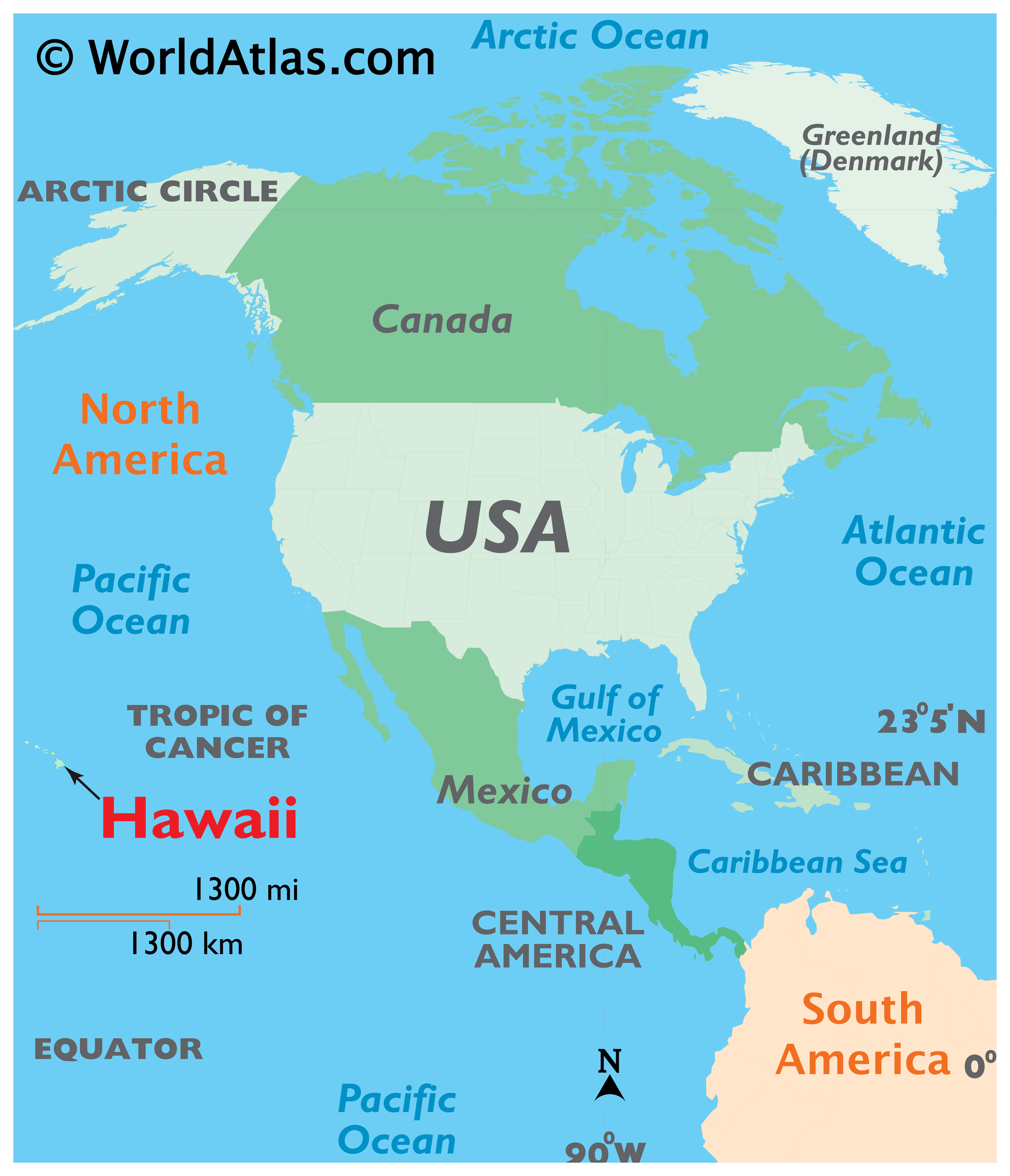
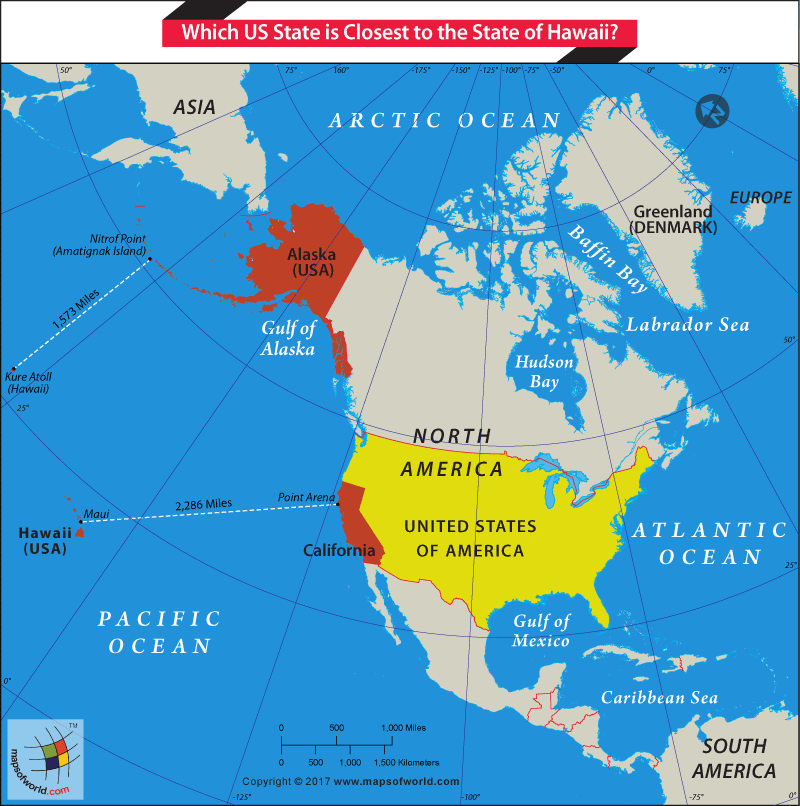
Yes, Hawaii is unequivocally a U.S. State. As the 50th and most recent state to join the Union on August 21, 1959, this archipelago in the central Pacific Ocean holds a unique and treasured position within the United States. Far removed from the continental mainland, its distinct cultural heritage, breathtaking natural landscapes, and strategic importance have shaped its journey from an independent kingdom to a vibrant American state. For travelers worldwide, and particularly for U.S. citizens, knowing that Hawaii is a state offers not only clarity but also the promise of seamless travel combined with the allure of an exotic, yet domestic, destination. This unique blend makes it a top choice for those seeking unparalleled experiences, diverse accommodations, and a rich tapestry of local tourism without leaving the American fold.
Hawaii’s Journey to Statehood: A Look Back
The path for Hawaii to become a U.S. state is a fascinating narrative spanning centuries, marked by exploration, cultural exchange, political shifts, and economic interests. Understanding this history not only answers the question of its statehood but also provides deeper insight into its multifaceted identity.
From Polynesian Kingdom to American Territory
The Hawaiian Islands were first settled by Polynesian voyagers between the 4th and 7th centuries AD, bringing with them a rich oral tradition, complex social structures, and sophisticated navigation techniques. For over a millennium, the islands flourished as independent chiefdoms. In the late 18th century, Kamehameha I successfully unified the islands, establishing the Kingdom of Hawaii in 1810. This kingdom was recognized by major world powers and maintained its sovereignty for nearly a century.
However, the arrival of Europeans and Americans in the late 18th century brought profound changes. Missionaries, merchants, and plantation owners began to exert increasing influence, particularly those from the United States. American business interests, especially in sugar and pineapple plantations, grew substantially, leading to a desire for political control to protect their investments.
In 1893, a group of American and European businessmen, supported by the U.S. Minister to Hawaii, staged an overthrow of the monarchy, deposing Queen Liliʻuokalani. Although President [Grover Cleveland](https://lifeoutofthebox.com/ Grover-cleveland) initially opposed the coup, the provisional government established a republic. In 1898, amidst the Spanish-American War and the growing strategic importance of the Pacific, the United States formally annexed Hawaii as a U.S. territory.
The Road to Becoming the 50th State
For nearly six decades, Hawaii operated as a U.S. territory, with its residents holding U.S. citizenship but lacking full voting representation in Congress. Despite some opposition, primarily from those advocating for the restoration of the monarchy or concerns about Hawaii’s non-contiguous location and distinct ethnic makeup, the push for statehood gained momentum.
The strategic significance of Pearl Harbor during World War II underscored Hawaii’s vital role in national defense. Following the war, the argument for full political equality for Hawaiian residents strengthened. Finally, after a territorial plebiscite showed overwhelming support for statehood, Congress passed the Hawaii Admission Act, and President Dwight D. Eisenhower signed it into law. On August 21, 1959, Hawaii officially became the 50th U.S. state, marking a pivotal moment in American history. This admission solidified its place as the only U.S. state located entirely outside North America and the sole state composed solely of islands.
The Aloha State: A Unique American Gem
Beyond its political status, Hawaii offers a tapestry of cultural richness and natural wonders that set it apart from any other part of the United States. This distinct identity is precisely what draws millions of travelers to its shores each year, seeking an escape that feels both familiar and wonderfully foreign.
A Vibrant Cultural Mosaic
Hawaii’s culture is a captivating blend of influences, rooted in its indigenous Hawaiian heritage and enriched by waves of immigration from Asia (especially Japan, China, and the Philippines) and the Western world. This unique fusion has created a society defined by the “aloha spirit”—a philosophy of hospitality, mutual respect, and love that permeates daily life.
The official languages are English and Hawaiian, with efforts to revitalize the latter. Visitors will find that local customs and traditions are deeply valued. The cuisine is a prime example of this cultural melting pot, featuring dishes like traditional poi and lau lau, alongside poke bowls inspired by Japanese sashimi, and the ubiquitous “plate lunch” reflecting diverse influences. Music, hula dancing, and various festivals celebrating different ethnic groups further showcase this rich cultural mosaic, providing endless opportunities for tourists to immerse themselves in local life and traditions.
Geographic Splendor and Natural Landmarks
The Hawaiian archipelago is a marvel of volcanic origin, comprising eight main islands: Oahu, Maui, Hawaii Island (often called the Big Island), Kauai, Molokai, Lanai, Niihau, and Kahoolawe. Each island boasts its own distinct personality and an incredible array of landscapes, from active volcanoes to snow-capped peaks like Mauna Kea, lush rainforests, arid deserts, and pristine beaches of white, black, and even green sand.
These natural wonders are protected within renowned National Parks, such as Hawaii Volcanoes National Park on the Big Island, where visitors can witness Kīlauea’s ongoing eruptions, and Haleakala National Park on Maui, famous for its stunning crater and epic sunrises. Iconic beaches like Waikiki Beach on Oahu, Lanikai Beach known for its turquoise waters, and Poipu Beach on Kauai offer idyllic settings for relaxation and water activities. The sheer biodiversity, from vibrant coral reefs to unique endemic plant and animal species, makes Hawaii a paradise for nature lovers and adventurers alike.
Experiencing Hawaii as a U.S. Traveler
The fact that Hawaii is a U.S. state offers significant advantages and a sense of familiarity for travelers from the United States, making what could be an international trip feel like a domestic getaway to an exotic locale.
Seamless Travel and Familiar Amenities
For U.S. citizens, one of the greatest benefits is the ease of travel. No passport is required, simplifying the travel planning process significantly. The official currency is the U.S. dollar, and credit cards are widely accepted, eliminating the need for currency exchange. All transactions, prices, and services are in English, further streamlining the experience. U.S. laws and regulations apply, offering a sense of security and familiarity.
The infrastructure across the islands is robust, featuring modern airports, well-maintained roads, and reliable communication networks. When it comes to accommodation, Hawaii boasts a wide range of hotels and resorts catering to various budgets and preferences. From ultra-luxury establishments like the Four Seasons Resort Maui at Wailea to expansive complexes like the Hilton Hawaiian Village Waikiki Beach Resort offering numerous amenities, or charming boutique hotels and vacation rentals, visitors can find exactly what suits their lifestyle and needs. Dining options range from casual local eateries to world-class fine dining establishments, ensuring every palate is satisfied.
Must-See Attractions and Activities
Each of Hawaii’s main islands offers a unique set of attractions and activities:
- Oahu: The Gathering Place is home to the state capital, Honolulu. Key landmarks include the somber yet essential Pearl Harbor National Memorial, the iconic volcanic crater of Diamond Head State Monument offering panoramic views, and the legendary North Shore, famous for its colossal winter waves, making it a global hub for surfing.
- Maui: The Valley Isle is celebrated for its diverse landscapes. The scenic and winding Road to Hana reveals hidden waterfalls and lush rainforests, while experiencing a Haleakala sunrise from above the clouds is an unforgettable sight. During winter months, Maui is also one of the world’s best spots for whale watching.
- Hawaii Island: The Big Island lives up to its name, offering vast and varied terrain. Hawaii Volcanoes National Park allows visitors to witness geological forces at work. The island is also famous for its Kona coffee farms and exceptional snorkeling opportunities at sites like Kealakekua Bay.
- Kauai: The Garden Isle is renowned for its dramatic natural beauty. The majestic cliffs of the Na Pali Coast are best viewed by boat or helicopter, while Waimea Canyon State Park, often called the “Grand Canyon of the Pacific,” offers stunning vistas.
Beyond specific sights, popular activities across the islands include [hiking](https://lifeoutofthebox.com/hiking, snorkeling, scuba diving, attending traditional luaus, and simply relaxing on world-class beaches.
Practical Tips for Your Hawaiian Getaway
Planning a trip to Hawaii means balancing the excitement of an exotic paradise with practical considerations, especially when it comes to accommodation and engaging with local culture responsibly.
Accommodation and Booking Insights
When selecting accommodation in Hawaii, travelers have an abundance of choices. From sprawling luxury resorts offering every imaginable amenity to charming boutique hotels nestled in quieter towns, and a wide array of vacation rentals and more budget-friendly options, there’s something for everyone. It’s crucial to book well in advance, especially if you plan to visit during peak seasons like winter holidays or summer, as popular hotels and specific types of resorts can fill up quickly.
Consider what kind of experience you seek: bustling Waikiki for city life and famous beaches, the serene beauty of Maui’s resorts, or the rugged adventure of the Big Island. Also, factor in inter-island travel if you plan to visit more than one island, as flights and rental car bookings will need to be coordinated.
Embracing Local Culture and Sustainable Tourism
A trip to Hawaii is an opportunity to connect with a unique cultural heritage and stunning natural environment. Tourism in Hawaii is not just about visiting attractions; it’s about respectful engagement. Visitors are encouraged to embrace the ‘aina (land) and local traditions. This means supporting local businesses, buying locally sourced products, and being mindful of the environmental impact.
Practicing sustainable tourism is vital: use reef-safe sunscreen, stay on marked trails, and always leave no trace behind. Remember that Hawaii is not just a resort but a vibrant home for its residents. By being conscious and considerate travelers, you can ensure that the beauty and unique spirit of Hawaii are preserved for future generations, allowing you to fully appreciate the depth of this truly special U.S. state.
Conclusion
To definitively answer the question, “Is Hawaii a U.S. State?”, the answer is a resounding yes. Since 1959, the Hawaiian Islands have proudly held their place as the 50th state, a fact that brings with it the convenience and familiarity of domestic travel for U.S. citizens, coupled with the extraordinary appeal of an exotic and culturally rich destination. Its fascinating history, from a powerful Polynesian kingdom to a U.S. territory and finally to statehood, has forged an identity unlike any other in America.
From the bustling streets of Honolulu to the serene beaches of Kauai, the volcanic landscapes of the Big Island, and the luxurious resorts of Maui, Hawaii offers a kaleidoscope of experiences. Whether you’re seeking adventure, relaxation, cultural immersion, or simply breathtaking natural beauty, Hawaii provides a seamless blend of American convenience and Pacific paradise. It stands as a testament to diversity and resilience, inviting travelers from all walks of life to discover its magic and embrace the timeless aloha spirit.
LifeOutOfTheBox is a participant in the Amazon Services LLC Associates Program, an affiliate advertising program designed to provide a means for sites to earn advertising fees by advertising and linking to Amazon.com. Amazon, the Amazon logo, AmazonSupply, and the AmazonSupply logo are trademarks of Amazon.com, Inc. or its affiliates. As an Amazon Associate we earn affiliate commissions from qualifying purchases.