
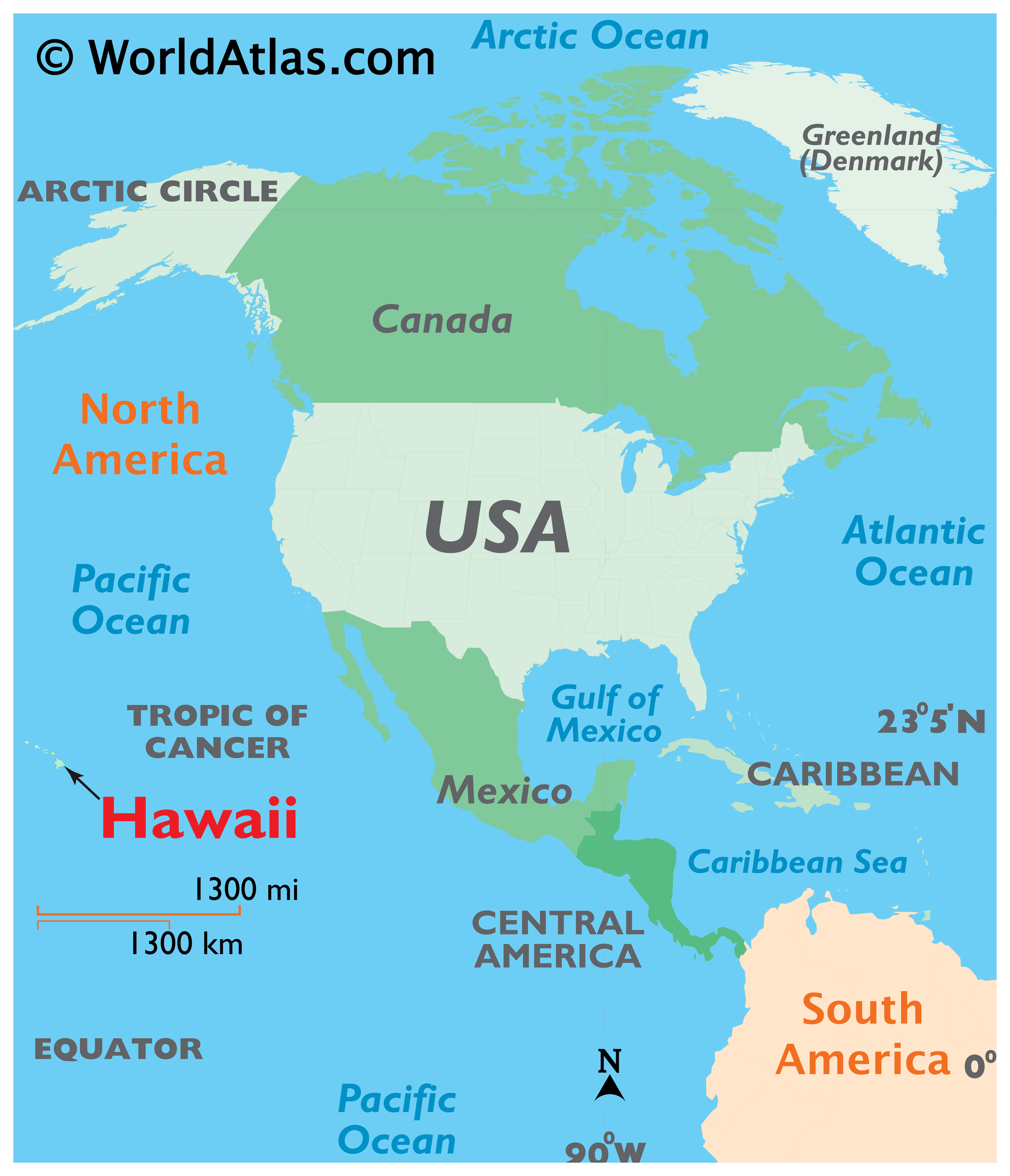
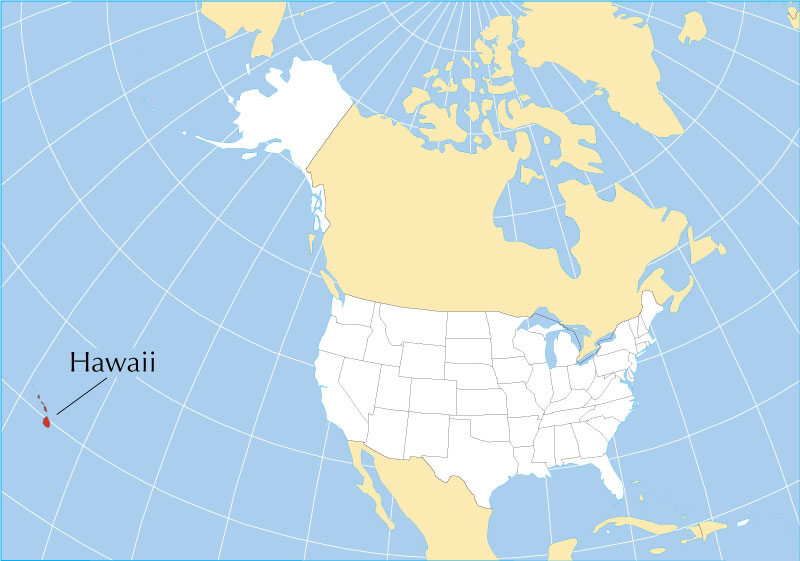
The question of whether Hawaii is a USA state is a frequent one, often arising from its unique geographical location, distinct cultural heritage, and the enduring allure of its islands. For many travelers, Hawaii exists as a tropical paradise, a dream destination synonymous with sun-drenched beaches, lush landscapes, and vibrant Polynesian culture. But beyond the postcard-perfect imagery and the allure of its stunning resorts, the political status of Hawaii is a matter of fact that underpins its accessibility and integration within the United States. The answer, in short, is a resounding yes. Hawaii is indeed the 50th state of the United States, a fact that has significant implications for travel, accommodation, and the overall experience for visitors from the mainland and around the globe.
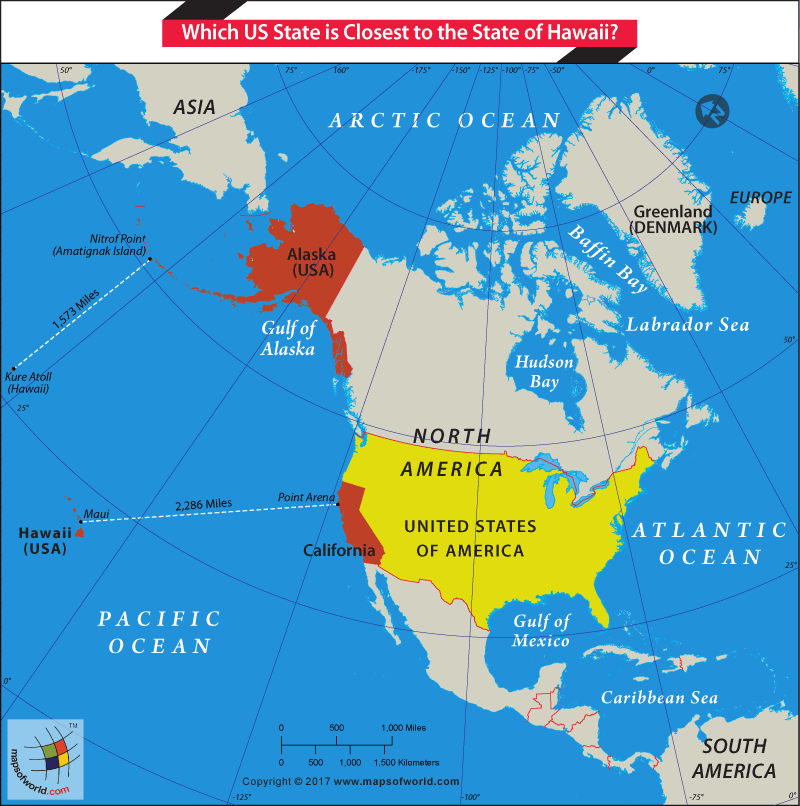
This comprehensive guide aims to illuminate the journey of Hawaii from a sovereign kingdom to its current statehood, offering insights relevant to every aspect of travel, from planning your accommodation to experiencing its rich local culture and exploring its iconic landmarks. Whether you’re considering a luxurious escape to a beachfront resort or a budget-friendly adventure exploring the natural wonders, understanding Hawaii’s status as a USA state provides a crucial context for your visit.
A Journey to Statehood: From Kingdom to 50th Star
The story of Hawaii’s integration into the United States is a fascinating narrative of political evolution, cultural preservation, and strategic importance. For centuries, the Hawaiian Islands existed as an independent and sovereign nation, rich in its own distinct traditions, language, and governance. The Kingdom of Hawaii was a recognized entity on the world stage, interacting with various international powers.
The Overthrow and Annexation
The late 19th century marked a pivotal turning point in Hawaii’s history. Driven by economic interests, particularly in the sugar industry, American businessmen and sugar planters, with the support of U.S. military forces, orchestrated the overthrow of Queen Liliuokalani in 1893. This event was deeply controversial and remains a sensitive subject in Hawaii, representing a significant disruption to its self-determination. Following the overthrow, a provisional government was established, and efforts to annex Hawaii to the United States gained momentum. Despite initial resistance and a desire by many Hawaiians to retain their independence, Hawaii was formally annexed by the United States in 1898, becoming a U.S. territory.
The Path to Statehood
As a U.S. territory, Hawaii began a journey towards full integration. For decades, the islands functioned under territorial governance, with a delegate in the U.S. Congress but without full voting representation. The mid-20th century saw a growing movement advocating for statehood, driven by a desire for equal rights and representation within the United States. This aspiration was fueled by the sacrifices made by Hawaiian soldiers during World War II and the increasing integration of Hawaii’s economy and population with the mainland U.S. After considerable debate and political maneuvering, Hawaii was finally admitted as the 50th state on August 21, 1959. This momentous occasion marked the culmination of a long and complex process, solidifying Hawaii’s place as an integral part of the United States.
Experiencing the Aloha State: Travel, Tourism, and Lifestyle
Understanding that Hawaii is a USA state simplifies many aspects of travel planning. Visitors can expect to use their U.S. dollars, follow U.S. laws, and enjoy the conveniences of U.S. infrastructure, including easy access to flights and reliable communication. This integration allows for a seamless travel experience, whether you’re seeking a luxurious resort stay on Maui or an adventurous exploration of the volcanic landscapes of the Big Island.
Destinations and Attractions
Hawaii comprises six major islands, each offering a unique blend of natural beauty, cultural experiences, and recreational opportunities. Oahu, the “Gathering Place,” is home to Honolulu, the bustling capital city, and world-famous Waikiki Beach, a hub for surfing, shopping, and dining. Here, visitors can explore historical sites like Pearl Harbor and Iolani Palace, the only royal palace in the United States.
Maui, the “Valley Isle,” is renowned for its stunning beaches, including the famed Ka’anapali Beach, and the scenic Road to Hana, a winding route through lush rainforests and past breathtaking waterfalls. Haleakala National Park offers an unforgettable sunrise experience above the clouds.
Kauai, the “Garden Isle,” is characterized by its dramatic cliffs, lush valleys, and pristine beaches. The Na Pali Coast is a majestic natural wonder, best viewed by boat tour or helicopter. Waimea Canyon, known as the “Grand Canyon of the Pacific,” is another must-see attraction.
The Island of Hawaii, often referred to as the Big Island, is the largest and most geologically active. Hawaii Volcanoes National Park allows visitors to witness the raw power of nature, with active lava flows and unique volcanic landscapes.
Lanai and Molokai offer a more secluded and authentic experience, with fewer tourist crowds and a focus on natural beauty and local culture.
Accommodation and Lifestyle
The availability of accommodation in Hawaii caters to a wide range of preferences and budgets. From opulent resorts like the Four Seasons Resort Maui at Wailea and The Ritz-Carlton, Kapalua, offering world-class amenities and breathtaking ocean views, to charming boutique hotels, private villas, and vacation rentals, there is something for every traveler. The integration as a USA state means that booking accommodations is straightforward, with many familiar hotel chains and booking platforms readily available.
For those seeking a more immersive experience, long-term stays and apartment rentals are also common, allowing visitors to truly live like a local. The lifestyle in Hawaii embraces the “aloha spirit,” a philosophy of love, peace, and compassion that permeates daily life. This translates into a relaxed pace, a deep respect for nature, and a vibrant cultural scene. Whether you’re indulging in luxury travel, planning a family trip, or seeking budget-friendly adventures, Hawaii offers diverse experiences that cater to all.
Tourism: Culture, Food, and Activities
Hawaii’s tourism industry is built on its rich cultural tapestry and its stunning natural environment. Local culture is a significant draw, with visitors eager to experience hula performances, traditional luau feasts, and the melodic sounds of the ukulele. Exploring historical sites, learning about ancient Hawaiian traditions, and engaging with the local community offer a deeper understanding of the islands’ heritage.
The culinary scene in Hawaii is a delightful fusion of indigenous Hawaiian flavors, Asian influences, and American staples. From fresh seafood and tropical fruits to local favorites like poke, lau lau, and kalua pig, the food is a highlight for many visitors. Participating in a luau is a quintessential Hawaiian experience, offering a taste of traditional cuisine, music, and dance.
Activities abound, catering to every interest. Surfing lessons on the beaches of Oahu, snorkeling and diving in the crystal-clear waters of Maui, hiking through verdant rainforests on Kauai, or exploring the volcanic craters of the Big Island are just a few of the countless options. For those interested in history and landmarks, Pearl Harbor stands as a solemn reminder of a pivotal moment in U.S. history, while ancient Hawaiian temples (heiau) offer glimpses into the islands’ spiritual past.
The Enduring Appeal of a Tropical Paradise
The fact that Hawaii is a USA state does not diminish its exotic allure; rather, it enhances its accessibility and appeal to a global audience. It allows for a unique blend of familiar American conveniences with an unparalleled tropical environment and a rich, distinct cultural identity. The islands offer a sanctuary from the everyday, a place where the pressures of modern life can melt away under the warm Pacific sun.
From the moment you step off the plane, whether at Honolulu International Airport or one of the other island airports, you are greeted by the fragrant scent of plumeria and the warm embrace of the trade winds. The Hawaiian landscape is a constant source of wonder, from the dramatic volcanic peaks of Mauna Kea and Mauna Loa to the turquoise waters teeming with marine life. The natural beauty is so profound that it has inspired countless works of art, music, and literature, and continues to draw millions of visitors each year.
When planning your trip to this breathtaking archipelago, remember that you are embarking on a journey to a state that embodies the diversity and dynamism of the United States. Whether your interests lie in adventure, relaxation, cultural immersion, or simply soaking up the sun on some of the world’s most beautiful beaches, Hawaii promises an unforgettable experience, all within the familiar framework of being a part of the U.S.A.
LifeOutOfTheBox is a participant in the Amazon Services LLC Associates Program, an affiliate advertising program designed to provide a means for sites to earn advertising fees by advertising and linking to Amazon.com. Amazon, the Amazon logo, AmazonSupply, and the AmazonSupply logo are trademarks of Amazon.com, Inc. or its affiliates. As an Amazon Associate we earn affiliate commissions from qualifying purchases.