
The question of whether Hawaii was “against the USA” during World War II is a complex one, touching upon the island’s unique political status, the devastating attack on Pearl Harbor, and the subsequent experiences of its people. Far from being a rebellious territory, Hawaii was an integral part of the United States at the time, yet the war profoundly impacted its relationship with the mainland and the lives of its diverse population. Understanding this period requires looking beyond simplistic notions of allegiance and exploring the nuanced reality of a nation under siege and a territory thrust into the global conflict.
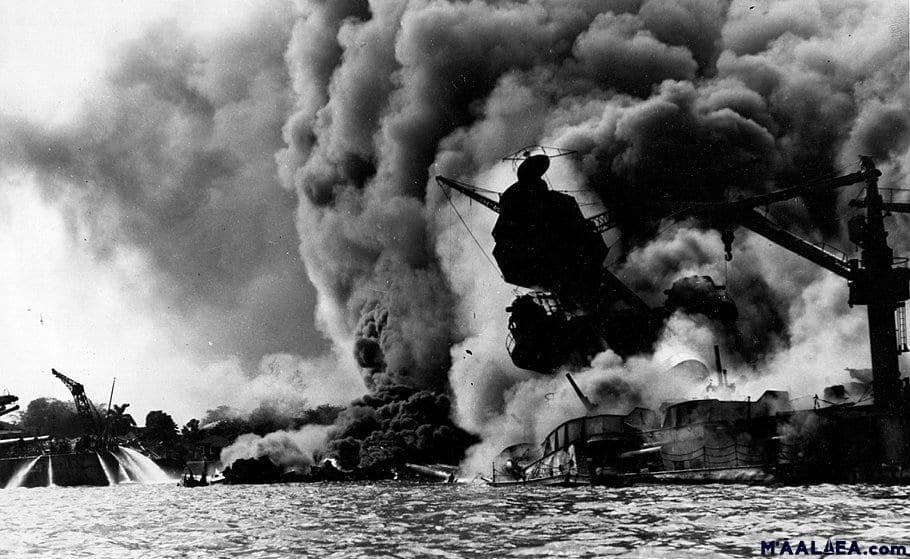
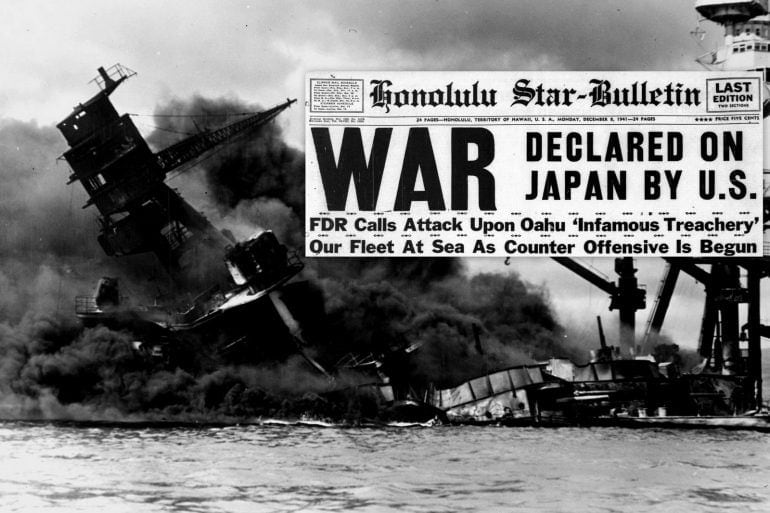
The narrative of Hawaii being “against” the USA is a misconception. In reality, Hawaii was a territory of the United States from 1898, and its citizens, though not fully enfranchised with statehood rights, were American subjects. The attack on Pearl Harbor on December 7, 1941, by the Imperial Japanese Navy was a direct assault on American soil and a catalyst for the United States‘ entry into World War II. The overwhelming sentiment among most Hawaiian residents, regardless of their ethnic background, was one of shock, grief, and a unified desire to defend their home and their nation.
The Impact of Pearl Harbor and the Dawn of War
The infamous attack on Pearl Harbor remains the defining event that forever linked Hawaii to World War II in the global consciousness. This surprise military strike, aimed at crippling the US Pacific Fleet, was a brutal wake-up call for the United States. The devastation was immense, with thousands of American servicemen killed and injured, and significant damage inflicted upon naval vessels and infrastructure.
A Territory Thrust into the Global Spotlight
Prior to the attack, Hawaii was a picturesque tropical paradise, a vital naval base, and a burgeoning tourist destination. Its population was a rich tapestry of ethnicities, including native Hawaiians, Americans, Europeans, Chinese, Japanese, Filipinos, and Koreans, who had come to work on the islands’ sugarcane and pineapple plantations. This diverse demographic would later face unique challenges and exhibit remarkable resilience in the face of war.
The attack immediately transformed Hawaii from a peacetime territory into a heavily militarized zone. The US military took over many aspects of daily life, imposing curfews, rationing, and strict security measures. The vibrant tourism industry, so crucial to the Hawaiian economy, ground to a halt. The islands became a critical staging ground for Allied operations in the Pacific Theater, with military personnel outnumbering civilians in some areas.
The Experience of Different Ethnic Groups
The Japanese-American community in Hawaii, which constituted a significant portion of the population, faced particular scrutiny and suspicion in the aftermath of the attack. Despite their loyalty to the United States and the fact that many had been born and raised in Hawaii, they were often viewed with distrust by some mainland Americans and even some military officials. While mass internment, as seen on the US mainland, did not occur in Hawaii, many Japanese-Americans were subjected to surveillance, loss of property, and social ostracization.
However, it is crucial to highlight the extraordinary service and loyalty of Japanese-Americans from Hawaii who volunteered for military service. The 442nd Regimental Combat Team, comprised almost entirely of Japanese-Americans, many from Hawaii, became one of the most decorated units in US military history. Their bravery and sacrifice in combat in Europe directly refuted any notion of disloyalty and demonstrated an unwavering commitment to their country.
Native Hawaiians also played a vital role. Many enlisted in the US military, serving with distinction in various capacities. Their deep connection to the land and their understanding of the local environment made them invaluable to military operations. The war also brought about significant changes in Hawaiian society, with increased economic opportunities for some and disruptions to traditional ways of life for others.
Life Under Martial Law and Military Occupation
The imposition of martial law in Hawaii following the attack on Pearl Harbor fundamentally altered the lives of its residents for years to come. This period, which lasted until October 1944, gave the military extensive control over civilian life, leading to both essential wartime measures and, in some instances, overreach.
The Pervasive Presence of the Military
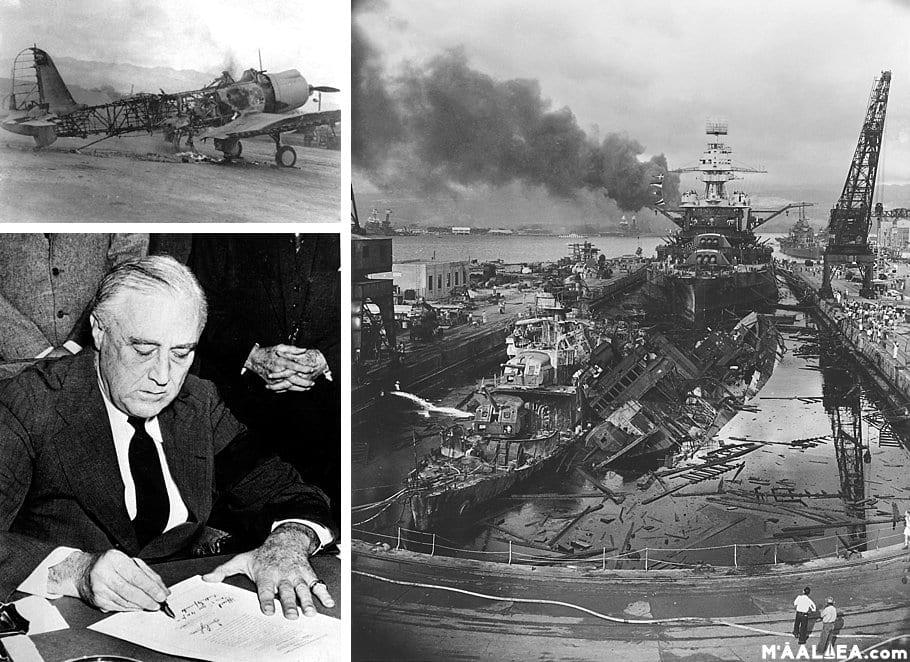
From the immediate aftermath of the attack, the US military presence became ubiquitous. Military bases expanded, and soldiers and sailors were a common sight throughout the islands. The ports and airfields were vital for the war effort, facilitating the movement of troops, supplies, and equipment. Cities like Honolulu transformed into bustling military hubs, with Waikiki, once a haven for tourists, becoming a rest and recreation area for servicemen.
Martial law meant that civilian courts were suspended and replaced by military tribunals for many offenses. Freedoms of speech, assembly, and movement were curtailed. Curfews were enforced, and travel between islands or to the mainland required military authorization. While these measures were often justified by the exigencies of war and the fear of further attacks or sabotage, they represented a significant suspension of civil liberties.
The Economic and Social Transformation
The war economy dramatically reshaped Hawaii’s social landscape. While the tourism industry collapsed, industries related to the war effort, such as shipbuilding, repair, and logistics, boomed. This created new employment opportunities, particularly for women and minority groups who took on roles previously held by men. The influx of hundreds of thousands of American servicemen also had a significant impact on local businesses and social interactions.
However, the war also brought hardship. Rationing of food, gasoline, and other essential goods was common. The constant threat of attack, though diminished after the initial months, created an atmosphere of anxiety. The disruption to education and other civilian services was also a considerable challenge.
Despite the hardships and the imposition of martial law, the prevailing sentiment was one of unity in the face of a common enemy. The attacks on Pearl Harbor and subsequent assaults on other Pacific islands galvanized a sense of shared purpose among Hawaiians and Americans alike.
The Legacy of War and the Path to Statehood
The experience of Hawaii during World War II left an indelible mark on its history and its relationship with the United States. While the war solidified its strategic importance, it also brought to the forefront the question of its political future and the rights of its inhabitants.
A Strategic Keystone in the Pacific
Hawaii’s strategic location made it a critical asset for the United States during the war and cemented its importance in American defense policy. The islands served as a launching pad for offensives against Japanese strongholds and a vital resupply point for Allied forces throughout the Pacific. The military infrastructure developed during the war continued to be a significant presence, shaping the island’s economy and development for decades to come.
The war also highlighted the perceived vulnerability of Hawaii and underscored the need for a more integrated approach to its defense and governance. The experience of martial law, while necessary in wartime, also fueled a desire among many Hawaiians for greater self-determination and a more equal standing within the United States.
The Road to Statehood
The question of Hawaii’s statehood gained momentum in the post-war era, partly as a consequence of its wartime contributions and the recognition of its American identity. Hawaiians had fought and died for their country, and many felt it was time for full political equality. The diverse population of Hawaii, which had proven its loyalty and resilience during the war, was a testament to the inclusive ideals the United States espoused.
The path to statehood was not without its challenges, including political opposition and lingering racial prejudices. However, the demonstrated patriotism and commitment of Hawaiians during World War II played a crucial role in shifting public opinion and ultimately led to Hawaii becoming the 50th state of the United States in 1959.
In conclusion, the notion that Hawaii was “against the USA” during World War II is a profound mischaracterization. The islands were attacked and defended as American territory. The people of Hawaii, in all their ethnic diversity, responded to the crisis with courage, resilience, and a deep sense of loyalty to their nation. The war was a transformative period for Hawaii, solidifying its place in the American narrative and paving the way for its eventual statehood. The legacy of Pearl Harbor and the wartime experiences of Hawaii’s people serve as a powerful reminder of unity, sacrifice, and the enduring strength of the American spirit.
LifeOutOfTheBox is a participant in the Amazon Services LLC Associates Program, an affiliate advertising program designed to provide a means for sites to earn advertising fees by advertising and linking to Amazon.com. Amazon, the Amazon logo, AmazonSupply, and the AmazonSupply logo are trademarks of Amazon.com, Inc. or its affiliates. As an Amazon Associate we earn affiliate commissions from qualifying purchases.