
The University of Chicago, with its distinctive Gothic Revival architecture, intellectually charged atmosphere, and Nobel laureate-studded faculty, is often considered one of the most prestigious universities in the world. Its rigorous academic programs, particularly in economics, law, and the sciences, consistently place it among the top institutions globally. Given this formidable reputation, it’s a common misconception that the University of Chicago is an Ivy League university. However, the answer is no – at least, not officially.
While the University of Chicago shares many characteristics with the venerable Ivy League institutions – elite academics, highly selective admissions, and a rich history – it is not a member of the official Ivy League athletic conference. This distinction, though seemingly minor, is crucial to understanding what the term “Ivy League” truly signifies. For travelers, prospective students, and curious minds alike, delving into this question not only clarifies academic terminology but also opens up a fascinating exploration of Chicago itself – a city that perfectly blends world-class education with unparalleled cultural, culinary, and architectural experiences.
Unpacking the Ivy League: More Than Just Academics
The term “Ivy League” is one of the most recognized and often misunderstood labels in higher education. It evokes images of ancient stone buildings, formidable endowments, and a certain intellectual gravitas. However, its origins are far more pragmatic than one might initially assume, stemming from a collegiate athletic conference rather than a formal academic designation.
Defining the Ivy League: A Legacy of Sport and Scholarship
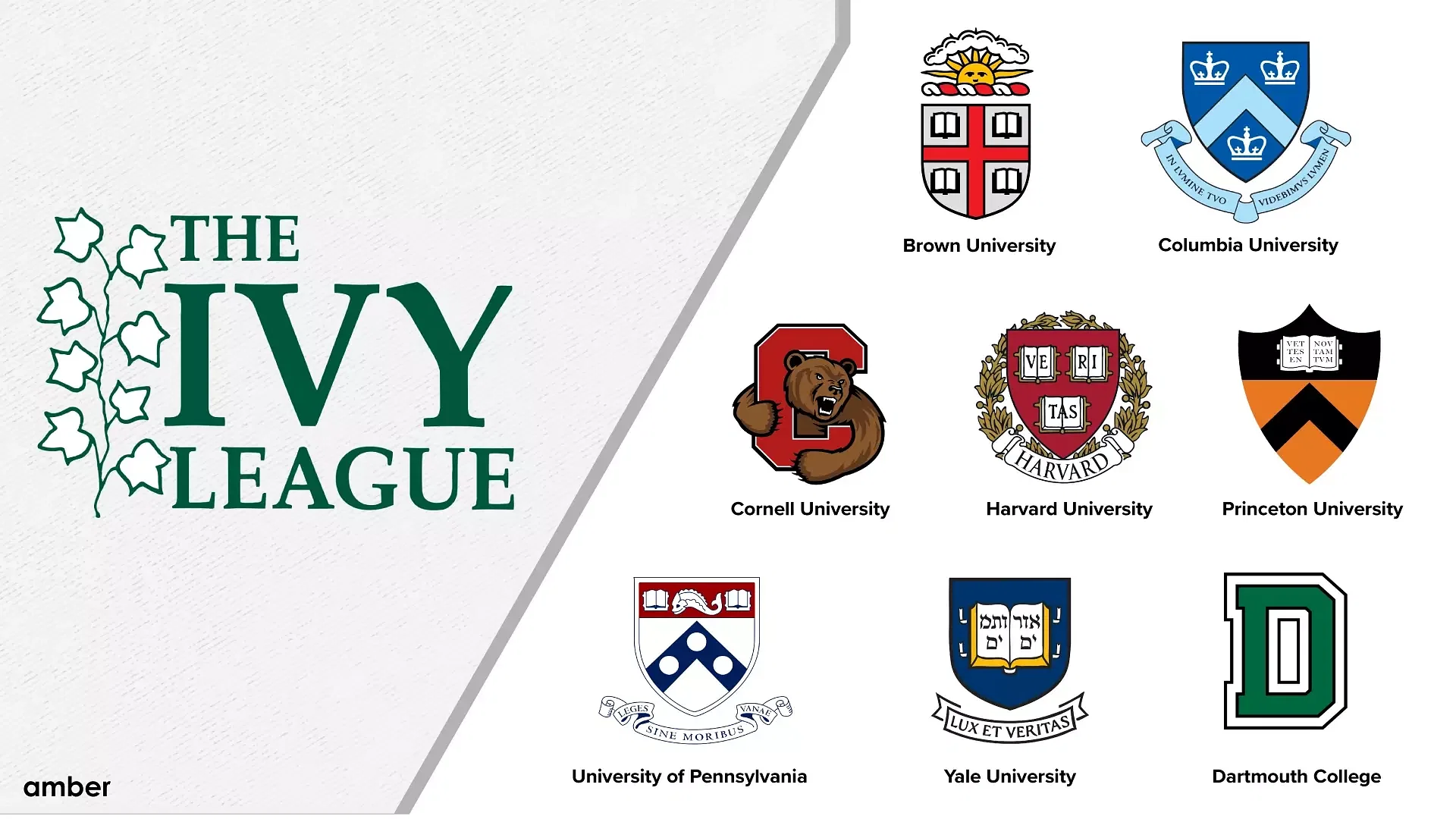
The Ivy League is, first and foremost, an athletic conference comprising eight private universities in the Northeastern United States. These institutions are Brown University, Columbia University, Cornell University, Dartmouth College, Harvard University, Princeton University, the University of Pennsylvania, and Yale University. The term itself is believed to have originated in the 1930s, formalized as an athletic conference in 1954.
Over time, due to the consistent academic excellence, historical prestige, and high selectivity of these particular universities, the term “Ivy League” evolved beyond its athletic roots to become a widely accepted shorthand for a group of elite, highly competitive, and academically rigorous institutions. It represents a benchmark for quality, intellectual tradition, and a certain socioeconomic standing. These universities share not only a commitment to liberal arts education but also significant research output, substantial endowments, and a global reputation for producing leaders in various fields. Visitors to these campuses, whether for prospective student tours or simply to admire their historic architecture, often find themselves immersed in environments that feel both academically intense and deeply historical, reflecting centuries of educational pursuit.
Beyond the Original Eight: The “New Ivies” and Public Ivies
While the official Ivy League remains a fixed group of eight, the informal use of the term has expanded to include other institutions that rival them in academic standing and selectivity. The University of Chicago is a prime example of such an institution, often referred to as a “New Ivy” or “Little Ivy” due to its comparable, if not superior, academic rigor and intellectual reputation. These universities share the attributes that people associate with the Ivies: world-class faculty, groundbreaking research, highly competitive admissions, and a vibrant campus culture.
This expanded perception acknowledges that academic excellence is not exclusive to the Northeastern athletic conference. Other private universities across the United States, such as Stanford University, MIT, Duke University, and indeed, the University of Chicago, consistently rank alongside or above official Ivy League schools in various academic metrics. Similarly, the concept of “Public Ivies” highlights public universities that offer a quality of education comparable to the Ivies, but at a typically lower cost, such as the University of California system or the University of Michigan. This broader categorization allows for a more nuanced understanding of the diverse landscape of top-tier higher education in America, recognizing that true academic distinction extends far beyond a historical athletic affiliation.
The University of Chicago: A Titan of the Midwest
Nestled in the vibrant Hyde Park neighborhood of Chicago, the University of Chicago has carved out its own formidable identity as a global intellectual powerhouse. Often dubbed “where fun goes to die” due to its intense academic environment, its reputation for rigorous inquiry and groundbreaking research is anything but a joke.
A Legacy of Innovation and Excellence
The University of Chicago was founded in 1890 with a substantial endowment from John D. Rockefeller. From its inception, it was designed to be a research university of the highest caliber, attracting leading scholars from around the world. It quickly established itself as a hub of intellectual thought, famously giving birth to the “Chicago School” of economics and sociology, which profoundly influenced these disciplines. Its commitment to free inquiry and challenging conventional wisdom has been a hallmark of its academic philosophy, fostering an environment where students and faculty are encouraged to think critically and push the boundaries of knowledge.
The university’s contributions to various fields are immense, ranging from pioneering work in nuclear physics – with the first self-sustaining nuclear chain reaction achieved at Stagg Field – to groundbreaking research in law, medicine, and the humanities. Its faculty and alumni boast an astounding number of Nobel laureates, Field Medalists, and Pulitzer Prize winners, underscoring its profound impact on global scholarship and innovation. For travelers interested in academic history or scientific milestones, a visit to the University of Chicago offers a unique glimpse into a place where the course of human understanding has been significantly altered, providing a compelling “Landmark” experience beyond typical tourist attractions.
Architectural Splendor and Campus Life
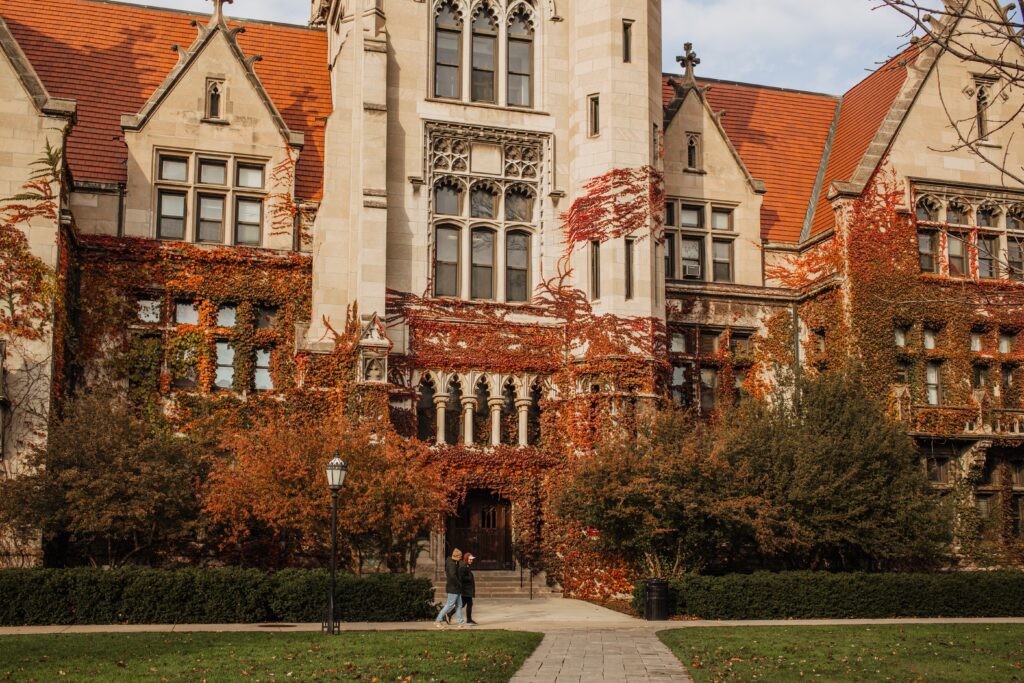
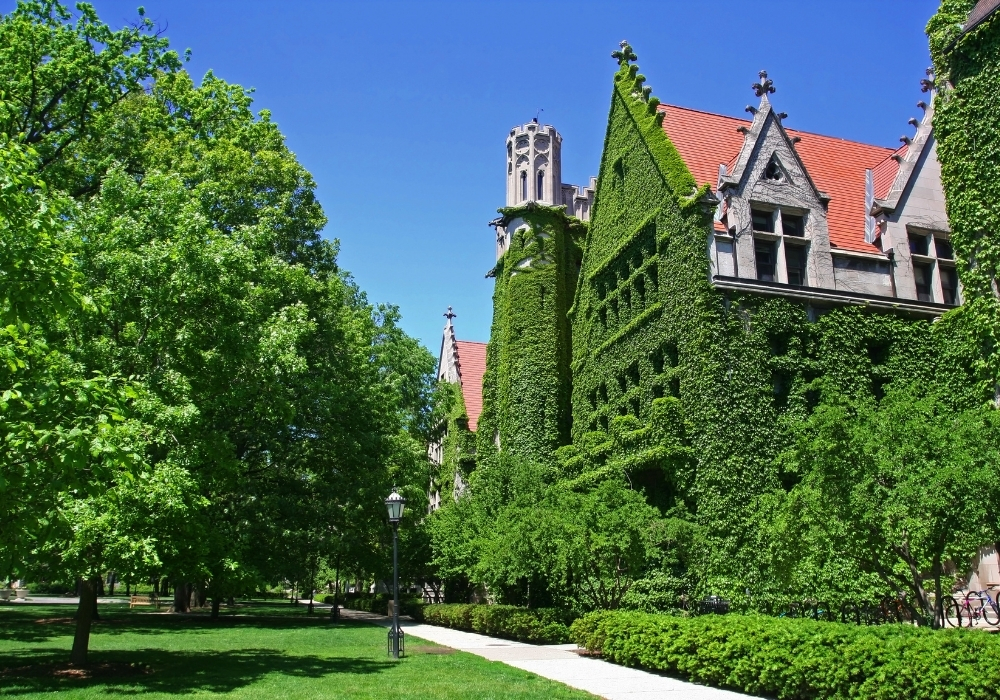
Beyond its intellectual prowess, the University of Chicago campus itself is a landmark of architectural beauty. The dominant Gothic Revival style, characterized by soaring spires, intricate stonework, and expansive quadrangles, creates an atmosphere reminiscent of ancient European universities. Buildings like the majestic Rockefeller Chapel and the grand Harper Memorial Library are not just functional spaces but works of art, inviting quiet contemplation and admiration. Walking through the quadrangles, especially during the fall or spring, offers a picturesque experience for any visitor, encapsulating a blend of history and academic vibrancy.
Despite its demanding academic reputation, campus life at the University of Chicago is remarkably vibrant and diverse. Students engage in a wide array of extracurricular activities, from philosophical debates and artistic performances to spirited athletic competitions. The surrounding Hyde Park neighborhood integrates seamlessly with the university, offering students and residents alike a mix of cultural venues, independent bookstores, and diverse dining options. This rich tapestry of academic rigor and engaging community life defines the unique “Lifestyle” of a UChicagoan, offering a distinct flavor compared to other university towns. For those considering university visits as part of their “Travel” itinerary, experiencing this campus provides not just an academic insight but also an appreciation for architectural heritage and a dynamic student culture.
Exploring Hyde Park and the Vibrant City of Chicago
A visit to the University of Chicago is an excellent opportunity to explore not only its immediate surroundings in Hyde Park but also the broader splendors of Chicago itself. This renowned institution serves as a gateway to one of America’s most dynamic cities, offering a blend of historical context, natural beauty, and urban excitement.
A Campus Integrated with Culture: Hyde Park’s Charms
Hyde Park, the South Side neighborhood home to the University of Chicago, is a destination in itself. Rich in history and culture, it offers a distinct contrast to the bustling downtown core. Visitors can stroll through expansive green spaces like Jackson Park, which hosted the 1893 World’s Columbian Exposition, and the Midway Plaisance, a linear park connecting the university to the lakefront. These parks provide beautiful backdrops for leisurely walks, picnics, or simply enjoying the outdoors.
Beyond its verdant landscapes, Hyde Park is home to significant cultural attractions. The Museum of Science and Industry, housed in the former Palace of Fine Arts from the 1893 Exposition, is a world-class institution offering interactive exhibits that fascinate visitors of all ages. The neighborhood also boasts numerous independent bookstores, cafes, and restaurants, reflecting its diverse and intellectual community. Exploring Hyde Park allows visitors to delve into a unique facet of Chicago tourism, experiencing local culture, historical landmarks, and the daily life of a vibrant university town. This offers a different “experience” compared to the typical downtown tourist circuits, grounding you in a rich, historical, and intellectual environment.
Chicago: A World-Class Destination for Every Traveler
Venturing beyond Hyde Park, the city of Chicago unfolds as a premier “Travel” destination, packed with “Attractions” and “Landmarks” that cater to every taste. From its iconic skyline to its renowned arts scene, the Windy City truly offers “experiences” for everyone. Architecture enthusiasts can embark on boat tours along the Chicago River to admire the city’s innovative skyscrapers, or simply wander through the Loop. Millennium Park is a must-see, featuring the famous “Bean” sculpture, officially named Cloud Gate, which provides fantastic photo opportunities and reflects the city’s magnificent architecture.
Art lovers will be captivated by the Art Institute of Chicago, one of the oldest and largest art museums in the United States, boasting an encyclopedic collection spanning centuries. For family-friendly fun and stunning lake views, Navy Pier offers Ferris wheel rides, cruises, and various entertainment options. Thrill-seekers can head to the Willis Tower (formerly the Sears Tower) for breathtaking panoramic views from its Skydeck ledges. With its extensive public transportation system, navigating Chicago and hopping from one incredible site to another is remarkably easy, making it an ideal city for extensive exploration.
Accommodation and Culinary Delights in the Windy City
When planning a trip to Chicago, finding the right “Accommodation” is key to enjoying your stay. The city offers a vast array of “Hotels,” from luxurious five-star resorts along the Magnificent Mile to boutique hotels in vibrant neighborhoods like River North, and more budget-friendly options further afield. For those seeking “Long-term Stay” options or a more local feel, numerous serviced apartments and vacation rentals are also available, providing comfort and flexibility. It’s advisable to check “Reviews” and use “Comparison” tools when “Booking” to ensure you find the perfect fit for your “Lifestyle” and preferences, whether you’re on a “Luxury Travel” spree or seeking “Budget Travel” solutions.
No visit to Chicago would be complete without indulging in its legendary culinary scene. Famous for its deep-dish pizza, Chicago-style hot dogs, and an explosion of diverse ethnic cuisines, the city is a foodie’s paradise. From Michelin-starred restaurants to casual eateries and bustling food markets, the “Food” aspect of Chicago’s “Tourism” is a major draw. Exploring these local flavors is an integral part of experiencing the city’s rich “Local Culture,” adding a delicious dimension to any travel itinerary.
Planning Your Visit: A Blend of Academia and Adventure
Whether you’re a prospective student, a parent supporting an applicant, an academic tourist, or simply someone looking to explore an incredible American city, combining a visit to the University of Chicago with wider Chicago exploration makes for an incredibly enriching “Travel” experience.
Tips for Prospective Students and Academic Tourists
For students considering the University of Chicago, planning a campus visit is essential. Schedule an official tour and information session well in advance to get a comprehensive overview of academic programs, student life, and admissions processes. While on campus, take time to wander through the quadrangles, visit the Rockefeller Chapel, and perhaps grab a coffee at one of the student haunts in Hyde Park to soak in the atmosphere. “Accommodation” near the university can be found through various hotels or bed-and-breakfasts in the Hyde Park area, offering convenience for campus-focused visits. Always check “Reviews” and consider amenities like Wi-Fi or breakfast when “Booking.”
Academic tourists, or those simply interested in institutions of higher learning, will find the campus a fascinating “Landmark” in itself. Many departments and research centers host public lectures or exhibitions, providing deeper insights into the university’s intellectual pursuits. Check the university’s public events calendar for opportunities to engage with the vibrant academic community. This type of specialized “Tourism” allows for a unique blend of intellectual curiosity and architectural appreciation, offering a different lens through which to view the city.
Experiencing Chicago: Lifestyle and Leisure
Beyond the academic pursuits, visitors to Chicago can tailor their trip to suit any “Lifestyle” or budget. For “Luxury Travel,” indulge in world-class dining, high-end shopping along the Magnificent Mile, and stays at opulent “Hotels.” Those on “Budget Travel” can take advantage of free attractions like Millennium Park, stroll along the lakefront, or explore diverse neighborhoods by public transit, enjoying affordable eats.
“Family Trips” to Chicago are easily planned, with numerous museums, parks, and attractions like Navy Pier catering to children and adults alike. For “Business Stays,” Chicago’s convention centers and accessible downtown “Hotels” make it an ideal choice, often with opportunities to blend work with leisure. Regardless of your reason for visiting, Chicago provides an engaging backdrop for any traveler, where the intellectual rigor of its institutions like the University of Chicago is complemented by a city renowned for its hospitality, culture, and endless possibilities.
In conclusion, while the University of Chicago is not an Ivy League institution by the official definition, its unparalleled academic standing, historical significance, and beautiful campus undoubtedly place it in the same league of elite global universities. For anyone seeking to explore the pinnacles of education combined with the vibrant “Tourism” and “Travel” experiences of a major American city, the University of Chicago and the city of Chicago offer an incredibly rich and rewarding destination.
LifeOutOfTheBox is a participant in the Amazon Services LLC Associates Program, an affiliate advertising program designed to provide a means for sites to earn advertising fees by advertising and linking to Amazon.com. Amazon, the Amazon logo, AmazonSupply, and the AmazonSupply logo are trademarks of Amazon.com, Inc. or its affiliates. As an Amazon Associate we earn affiliate commissions from qualifying purchases.