
The phrase “Texas A&M” is instantly recognizable to many, conjuring images of spirited traditions, a robust academic environment, and a distinctive campus culture. However, for those unfamiliar with its rich history, the “A&M” appended to the university’s name can spark curiosity. What exactly do these letters signify, and what is their origin? Delving into the history of Texas A&M University reveals that the “A&M” are not arbitrary abbreviations but represent a crucial aspect of the institution’s founding purpose and its enduring legacy.
The story of the “A&M” begins with the very establishment of the university. Texas A&M University, originally named the Agricultural and Mechanical College of Texas, was founded in 1876. This was a time when the United States was actively promoting land-grant colleges, a concept born from the Morrill Act of 1862. This landmark federal legislation aimed to establish institutions of higher learning that would focus on practical education, particularly in fields like agriculture and mechanical arts, to benefit the common people and contribute to the nation’s burgeoning industrial and agricultural growth.
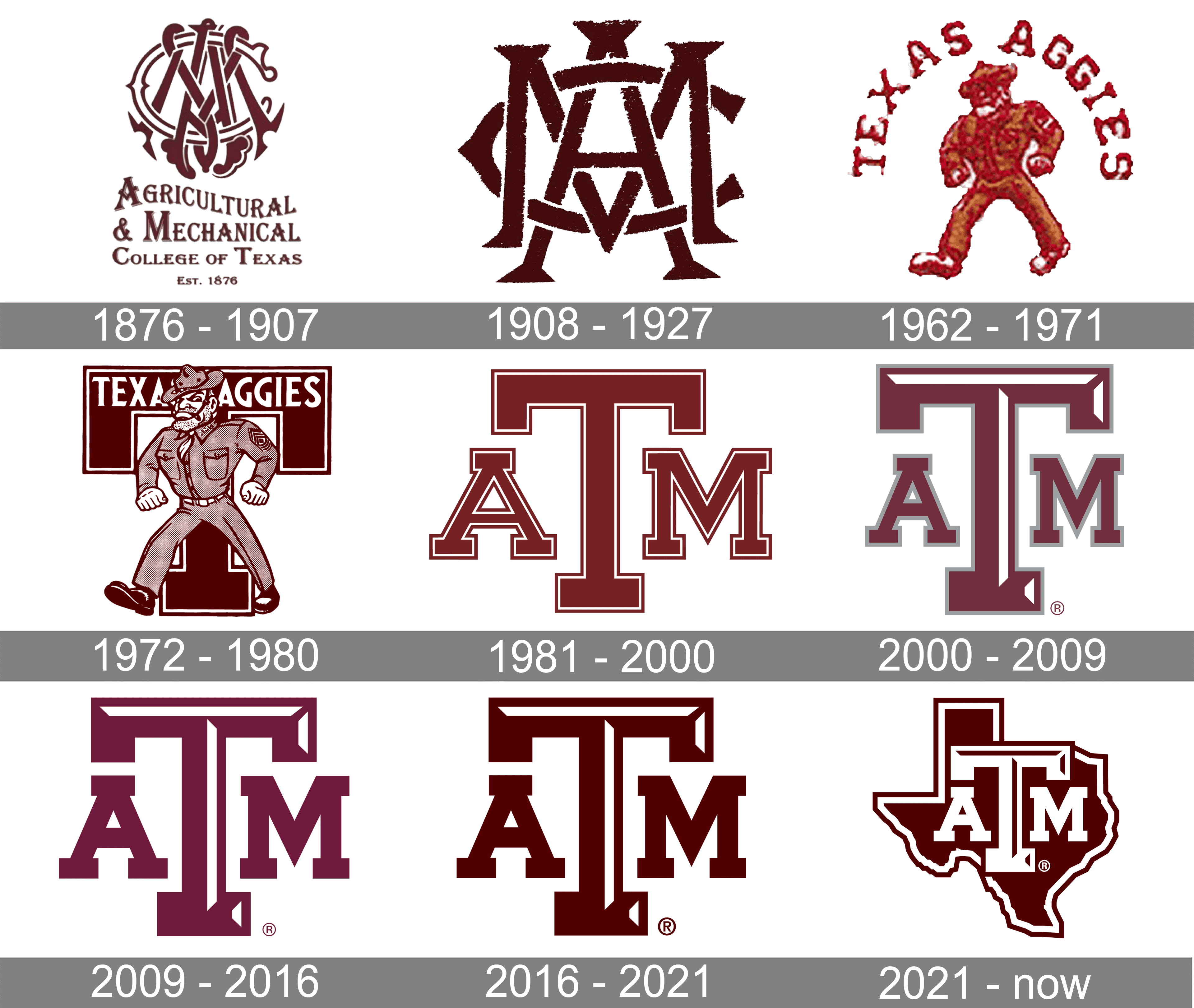
Thus, the “A” stands for Agriculture, signifying the university’s foundational commitment to advancing agricultural science, techniques, and practices. The “M” represents Mechanical Arts, encompassing a broad range of disciplines related to engineering, technology, and the practical application of scientific knowledge. These were the twin pillars upon which the college was built, designed to equip students with skills directly applicable to the needs of a growing and developing Texas.
The inclusion of these specific fields was a deliberate choice, reflecting the agrarian and industrial landscape of Texas in the late 19th century. The state, with its vast open lands and increasing demand for skilled labor in burgeoning industries, needed graduates who could contribute to its economic advancement. The Agricultural and Mechanical College of Texas was envisioned as the engine for this progress, fostering innovation and expertise in areas vital to the state’s prosperity.
The Evolution of a Name and a Mission
While the original name clearly articulated the university’s dual focus, the evolution of higher education and the expansion of academic offerings led to a shift in how the institution was commonly referred to. Over the decades, the university grew far beyond its initial agricultural and mechanical roots, developing comprehensive programs in liberal arts, sciences, business, and numerous other professional fields. Despite this expansion, the “A&M” remained an integral part of its identity, a proud reminder of its origins and its enduring commitment to practical, applied education, alongside its expanded academic pursuits.
The name change to Texas A&M University in 1963 was more of a formal acknowledgment of its comprehensive nature than a departure from its core principles. The “A&M” persisted, becoming a shorthand that conveyed not just its historical foundation but also its ongoing dedication to excellence in both traditional academic disciplines and its historic strengths in agriculture and engineering. This continuity is a testament to the enduring relevance of its foundational mission.
Agriculture: Cultivating Innovation and Sustaining the State
The “A” in Texas A&M is deeply rooted in the state’s identity. Historically, Texas has been an agricultural powerhouse, and the university played a pivotal role in its development. From pioneering new farming techniques to developing more resilient crop varieties and improving livestock management, the agricultural programs at Texas A&M have been instrumental in feeding the state and the nation.
The College of Agriculture and Life Sciences at Texas A&M University continues to be a leader in research and education. Its work spans a vast array of areas, including crop science, animal science, food science, agricultural economics, and environmental science. Researchers are at the forefront of addressing contemporary challenges such as sustainable agriculture, food security, water conservation, and the impact of climate change on food production. This commitment to agriculture is not merely historical; it is a vital and forward-looking aspect of the university’s mission.

Visitors interested in exploring this aspect of Texas A&M‘s heritage can find numerous points of interest. While not a traditional tourist attraction, the university’s extensive agricultural facilities, including research farms and experimental stations, offer a glimpse into the cutting-edge work being done. Though access may be limited to specific tours or events, understanding the significance of agriculture to the university’s name enriches the appreciation of its broader impact.
Mechanical Arts: Engineering the Future
The “M” for Mechanical Arts represents the university’s equally strong commitment to engineering and technology. In the 19th century, mechanical arts encompassed the practical skills and scientific principles necessary for the Industrial Revolution. Today, this translates into a robust and highly regarded engineering program at Texas A&M, encompassing a wide spectrum of disciplines.
The College of Engineering at Texas A&M is one of the largest and most comprehensive in the nation. Its departments cover fields such as aerospace engineering, civil engineering, electrical engineering, mechanical engineering, computer science, and petroleum engineering, among many others. The “M” signifies a long-standing tradition of producing highly skilled engineers who have gone on to shape industries, build infrastructure, and drive technological advancements worldwide.
The campus itself offers architectural and historical landmarks that speak to this legacy. While specific buildings might not be labeled as tourist attractions, exploring the Recollection Hall or Academic Building can provide a sense of the historical development of the campus. For those interested in the engineering achievements, attending public lectures or visiting departmental displays when available can offer insights into the innovative projects undertaken by students and faculty. The sheer scale and reputation of the engineering programs are a direct legacy of the “M” in its name.

Beyond the Name: A Culture of Tradition and Excellence
The “A&M” in Texas A&M University is more than just a historical acronym; it is a fundamental part of the university’s identity and culture. It signifies a lineage of pragmatism, innovation, and a dedication to serving the state and its people. This heritage is woven into the fabric of campus life, influencing everything from its academic programs to its renowned traditions.
The university is celebrated for its unique traditions, many of which are deeply connected to its historical roots. The Aggie Spirit, a term often used to describe the camaraderie and loyalty of Texas A&M alumni and students, is palpable. This spirit manifests in various ways, including the famous Midnight Yell Practice, a pre-game tradition that energizes the crowd, and the Bonfire, a large, student-built structure that symbolizes unity and tradition (though its practice has evolved due to safety concerns).
Understanding the “A&M” provides a deeper context for these traditions and the overall ethos of the university. It explains the emphasis on discipline, leadership, and a commitment to service that is often associated with Aggies. This is not just an academic institution; it is a community that prides itself on shaping well-rounded individuals ready to make a significant impact on the world.
For travelers visiting the College Station area, the Texas A&M University campus offers a rich experience that goes beyond typical tourist destinations. While it may not boast Paris‘s Eiffel Tower or New York City‘s Central Park, the campus itself is a landmark. Visitors can explore the MSC (Memorial Student Center), a hub of student activity, or walk through the historic Quad. The George H.W. Bush Presidential Library and Museum is a significant attraction on campus, offering insights into the life and presidency of the former U.S. President, who had deep ties to Texas.
The university’s commitment to its founding principles of agriculture and mechanical arts continues to shape its research, its educational offerings, and its impact on society. The “A&M” serves as a constant reminder of this legacy, a testament to the enduring value of practical education and applied knowledge. Whether you are a prospective student, an alum, or simply a curious visitor, understanding the meaning behind “A&M” offers a richer appreciation for one of Texas‘s most iconic institutions. It speaks to a foundation built on hard work, innovation, and a deep-seated desire to contribute to the betterment of the state and the world.
LifeOutOfTheBox is a participant in the Amazon Services LLC Associates Program, an affiliate advertising program designed to provide a means for sites to earn advertising fees by advertising and linking to Amazon.com. Amazon, the Amazon logo, AmazonSupply, and the AmazonSupply logo are trademarks of Amazon.com, Inc. or its affiliates. As an Amazon Associate we earn affiliate commissions from qualifying purchases.