
Navigating the world of travel often involves a flurry of practical questions, and one that frequently arises is about payment methods. As you plan your next adventure, whether it’s a luxurious escape to the Maldives, a cultural immersion in Kyoto, or a family-friendly stay near Disneyland, understanding how you can settle your bills is crucial. The question “Do Hotels Take Debit Cards?” is a common one, and the straightforward answer is a resounding yes, but with important nuances to consider. This article will delve into the specifics of using debit cards for hotel bookings and stays, covering everything from the initial reservation to check-out, and offering practical advice to ensure a smooth transaction.
Understanding Debit Card Acceptance in Hotels
For decades, credit cards were the undisputed champions of hotel payments. They offered a layer of security and convenience that made them ideal for the pre-authorization holds hotels often require. However, in recent years, the landscape of travel payments has evolved significantly. Debit cards, linked directly to your bank account, have become increasingly prevalent and widely accepted. This shift reflects broader consumer trends and the growing comfort of travelers with using their debit cards for a wider range of transactions.
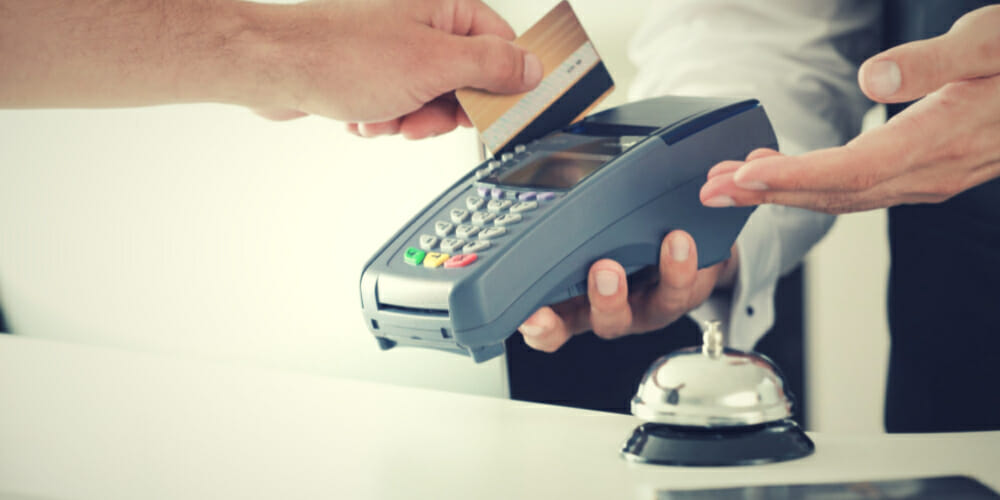
When you book a hotel, whether directly on the hotel’s website, through an online travel agency (OTA) like Expedia or Booking.com, or even upon arrival at the front desk, you’ll typically have the option to pay with a debit card. Most major hotel chains, from budget-friendly options like Motel 6 to upscale establishments like the Ritz-Carlton, have adapted their payment systems to accommodate debit cards. This includes major brands such as Marriott, Hilton, Hyatt, and IHG Hotels & Resorts. Even independent hotels and boutique accommodations are generally equipped to accept them.
The primary reason for this widespread acceptance is simple: accessibility. Debit cards are a common financial tool, used by a vast majority of travelers. By accepting them, hotels broaden their customer base and cater to a wider range of preferences and financial situations. For many, using a debit card is a way to manage their spending more effectively, avoiding the accumulation of credit card debt.
However, it’s important to distinguish between using a debit card for booking and using it for the pre-authorization hold. While the card itself might be accepted for payment, the way it’s used for security deposits can differ from credit cards.
The Nuances of Pre-Authorization Holds
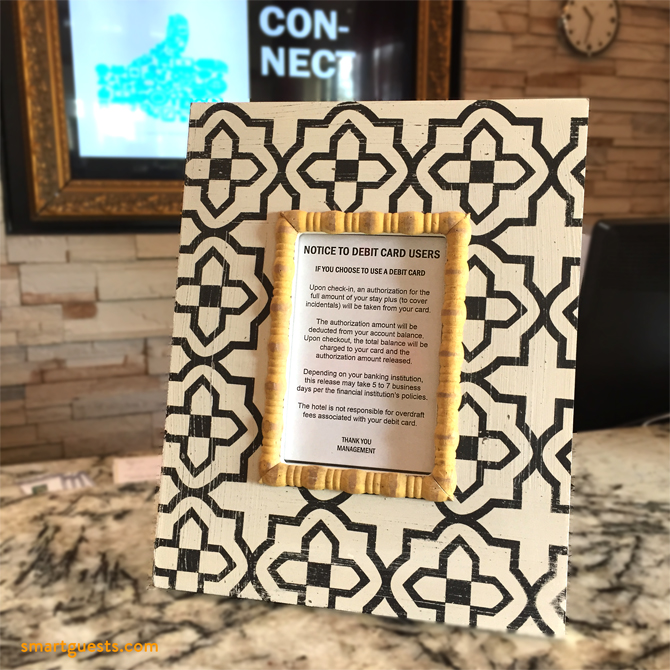
This is where the primary difference between debit and credit cards often comes into play. When you check into a hotel, they typically place a pre-authorization hold on your card. This is a temporary charge that reserves funds to cover your stay, including the room rate, taxes, and any incidental charges you might incur (like room service, minibar usage, or damage to the room).
With a credit card, this hold simply reduces your available credit. It doesn’t deduct money directly from your bank account. The actual charge for your stay is processed upon check-out, and the pre-authorization is released shortly after.
With a debit card, the pre-authorization hold does deduct funds directly from your linked bank account. This means that the amount of the hold is temporarily unavailable for you to spend on other things. While most hotels aim to release these holds quickly after check-out, it can sometimes take a few business days for the funds to reappear in your account, depending on your bank’s processing times.
What to expect with debit card holds:
- Amount: The hold amount typically covers the room rate for your entire stay plus a buffer for incidentals. This can vary significantly between hotels and the length of your stay. Some hotels might estimate this amount, while others have a fixed daily rate for incidentals.
- Processing Time: While many hotels release holds within 24-48 hours after you check out, it’s not uncommon for it to take up to 7-10 business days for the funds to become available again in your account. This is especially true for longer stays.
- Overdraft Risk: If you have a significant hold placed on your debit card and your available balance is low, you risk incurring overdraft fees if you make other purchases that exceed your remaining funds.
To mitigate potential issues, it’s wise to:
- Check your bank balance: Ensure you have enough funds to cover the pre-authorization hold, plus a buffer for unexpected expenses.
- Inquire about the hold amount: When booking or checking in, don’t hesitate to ask the hotel for an estimate of the pre-authorization amount for debit cards.
- Consider a credit card for holds: If you have a credit card available, it might be a less stressful option for the pre-authorization hold, as it doesn’t directly impact your immediate cash flow.
Using Debit Cards for Direct Bookings vs. Third-Party Sites
The process of using a debit card for booking can also vary slightly depending on where you make your reservation.
Direct Bookings (Hotel Websites):
When you book directly through a hotel’s official website, such as the Marriott or Hilton websites, debit card acceptance is generally straightforward. You’ll enter your debit card details during the booking process. The hotel might either charge your card immediately for the full amount or place a pre-authorization hold, depending on their specific policies. Many hotels offer better rates or perks for direct bookings, making it a preferred choice for many travelers.
Third-Party Booking Sites (OTAs):
Online travel agencies like Expedia, Booking.com, Priceline, and Agoda also widely accept debit cards. When you use a debit card on these platforms, you’ll typically pay the full amount at the time of booking. The OTA then handles the payment to the hotel. In this scenario, you might not need to provide a debit card again at check-in for the room payment itself. However, the hotel will likely still require a form of payment for incidentals, which could be your debit card again or a credit card.
Important Considerations for OTAs:
- Cancellation Policies: Always pay close attention to the cancellation policies, as these can differ significantly between hotels and OTAs.
- Refunds: If you need a refund, it will be processed back to the original debit card used for the booking. The time it takes for the funds to reflect in your account will depend on the OTA, the hotel, and your bank.
- Pre-Authorization Still Possible: Even if you paid in full through an OTA, the hotel may still require a pre-authorization for incidentals upon check-in when you use a debit card.

Alternatives and Tips for Debit Card Users
While debit cards are widely accepted, there might be instances where they are not the ideal or only payment option. Understanding these scenarios and having a backup plan can save you from potential stress during your travels.
When Debit Cards Might Not Be Ideal:
- Pre-Authorization Amounts: If you’re on a tight budget or have limited funds in your bank account, the pre-authorization hold on a debit card can be problematic. A credit card offers more flexibility in this regard.
- International Travel: While many international hotels accept debit cards, it’s always wise to confirm. Exchange rates and foreign transaction fees can also apply, which can be higher with debit cards compared to some credit cards. Some smaller establishments or those in more remote areas might still prefer cash or credit cards.
- Car Rentals: When renting a car, many rental agencies have stricter policies regarding debit card use, often requiring a significant hold and additional verification steps. It’s generally easier to use a credit card for car rentals.
Tips for Using Debit Cards at Hotels:
- Carry a Backup: Always have a secondary payment method available, such as a different debit card, a credit card, or even some cash. This is especially important if you’re traveling to a new destination where payment practices might be unfamiliar.
- Check Hotel Policies in Advance: Before booking, visit the hotel’s website or call them directly to confirm their debit card policy, particularly regarding pre-authorization holds. Look for information on their amenities or payment FAQs.
- Understand Your Bank’s Policies: Be aware of your bank’s overdraft fees and the typical processing times for pre-authorization releases.
- Keep Your PIN Secure: You’ll need your Personal Identification Number (PIN) for many debit card transactions, especially at the point of sale. Keep it safe and don’t share it.
- Consider Prepaid Travel Cards: If you’re concerned about overspending or managing your budget, a prepaid travel card can be a good alternative. These cards are loaded with a specific amount of money and function similarly to debit cards but without the direct link to your bank account.
- Contact the Hotel if Issues Arise: If you encounter any problems with your debit card transaction, don’t hesitate to speak with the hotel’s front desk staff or management. They are usually willing to work with you to find a solution.
In conclusion, the answer to “Do Hotels Take Debit Cards?” is generally yes. Debit cards have become a standard and accepted form of payment in the vast majority of hotels worldwide, from budget motels to luxury resorts. However, understanding the mechanics of pre-authorization holds, the potential impact on your bank balance, and having a backup payment method are crucial steps to ensure a seamless and stress-free travel experience. By being informed and prepared, you can confidently use your debit card for your next hotel stay, whether you’re exploring the historic streets of Rome, relaxing on the beaches of Cancun, or attending a business conference in Singapore.
LifeOutOfTheBox is a participant in the Amazon Services LLC Associates Program, an affiliate advertising program designed to provide a means for sites to earn advertising fees by advertising and linking to Amazon.com. Amazon, the Amazon logo, AmazonSupply, and the AmazonSupply logo are trademarks of Amazon.com, Inc. or its affiliates. As an Amazon Associate we earn affiliate commissions from qualifying purchases.