
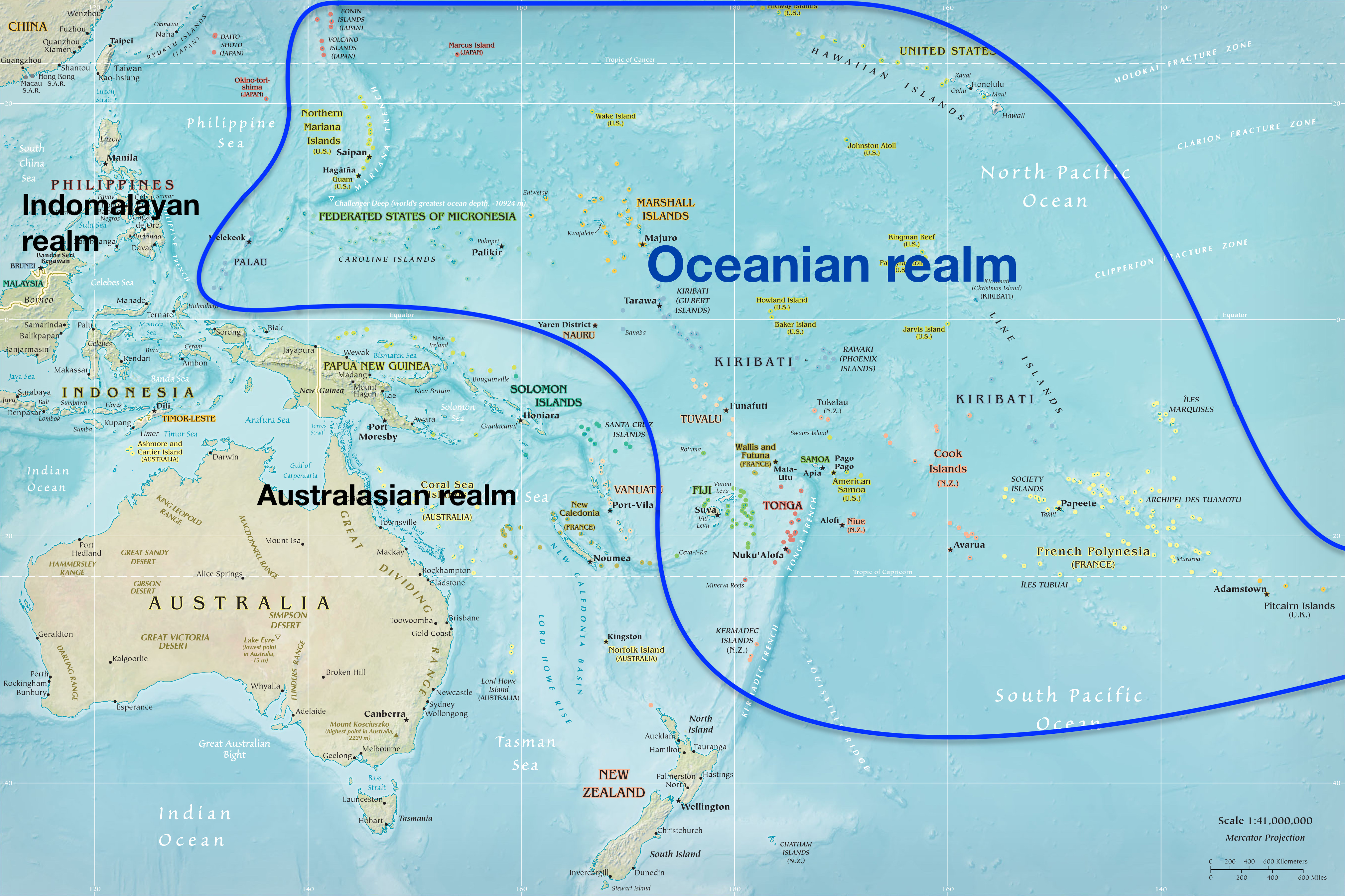
The question “Is Hawaii in Oceania?” might seem straightforward to some, yet it often sparks curiosity and even confusion for others. Geographically, culturally, and historically, the unequivocal answer is a resounding yes: Hawaii is indeed an integral part of Oceania. This vast, island-dotted region of the world, often overlooked or misunderstood, finds one of its most recognizable and beloved jewels in the Hawaiian Islands. For the discerning traveler, understanding Hawaii’s place within this grand tapestry of Pacific Island cultures enriches the experience, transforming a simple beach vacation into a journey woven with deep historical roots, vibrant traditions, and breathtaking natural beauty that truly reflects its Oceanian heritage.

The Definitive Answer: Hawaii’s Place in Oceania
To properly situate Hawaii, one must first grasp the concept of Oceania itself. Far from being a mere collection of isolated islands, Oceania is a major geographical region encompassing thousands of islands scattered across the central and western Pacific Ocean. It’s broadly divided into three primary subregions: Polynesia, Melanesia, and Micronesia. Each of these subregions boasts its own unique blend of geography, culture, and history, yet they are all connected by the vast expanse of the ocean and the incredible journeys of their ancestral inhabitants.
Geographical Classification: Polynesia’s Northern Apex
Hawaii belongs distinctly to Polynesia, a subregion defined by a vast triangular area formed by three points: Hawaii to the north, Easter Island (Rapa Nui) to the southeast, and New Zealand (Aotearoa) to the southwest. This immense Polynesian Triangle is a testament to the unparalleled navigational skills and exploratory spirit of the ancient Polynesian voyagers who settled these remote islands thousands of years ago. The Hawaiian Islands represent the northernmost apex of this cultural and geographical expanse, making their inclusion in Oceania not just plausible but essential to understanding the region’s full scope.
Beyond Geography: Cultural Connections
While geographical placement is fundamental, Hawaii’s connection to Oceania runs far deeper, into the very fabric of its culture. The indigenous Hawaiian people share common ancestral roots, linguistic patterns, mythological narratives, and traditional practices with other Polynesian societies across the Pacific. Elements such as the aloha spirit, a profound sense of hospitality and mutual respect, resonate with similar values found in Samoa, Tonga, and Tahiti. Traditional arts like the hula, the wearing of lei, the art of wayfinding, and the communal feast (luau) have clear parallels and shared origins throughout Polynesia. Despite significant influence from Western cultures, particularly the United States, the deep-seated Polynesian heritage remains a vibrant, living part of Hawaiian culture.
Unpacking Oceania: A Continent of Islands
Oceania is often referred to as a “continent of islands” due to its sheer scale and the unique way its landmasses are distributed across the ocean. Unlike conventional continents defined by large, contiguous landmasses, Oceania is characterized by its insular nature, with vast stretches of water separating countless islands, each with its own story and charm.
Defining a Dynamic Region
The term “Oceania” encompasses a staggering diversity of landscapes, from the high volcanic islands of Hawaii and Fiji to the low-lying coral atolls of Kiribati and the Marshall Islands. Its inhabitants speak hundreds of distinct languages and practice a rich mosaic of cultural traditions. Major island nations and territories within Oceania include Australia and New Zealand (which are sometimes grouped separately as Australasia within the broader Oceanian context), Papua New Guinea, Fiji, Samoa, Tonga, French Polynesia (including Tahiti), and of course, Hawaii. This immense geographical and cultural spread underscores the dynamism and complexity of a region often reduced to simplistic stereotypes.
The Polynesian Triangle Explained
The Polynesian Triangle is perhaps the most iconic and illustrative concept for understanding the scale and interconnectedness of Oceania’s subregions. Stretching thousands of miles across the central Pacific, its corners are marked by Hawaii in the north, Easter Island in the east, and New Zealand in the southwest. Within this vast expanse lie other renowned Polynesian islands like Samoa, Tonga, the Cook Islands, and French Polynesia. The remarkable feat of ancient Polynesian navigators, who used sophisticated knowledge of stars, currents, and bird migrations to traverse these immense distances in double-hulled canoes, is a testament to human ingenuity and resilience. Their incredible voyages not only populated these islands but also established a shared cultural foundation that persists to this day, making the inclusion of Hawaii within this lineage undeniable.
Hawaii’s Unique Cultural and Geographical Tapestry
While firmly rooted in Oceania and Polynesia, Hawaii has also forged a distinctive identity shaped by its volcanic origins, isolated evolution, and later, its integration into the United States. This creates a truly unique destination that blends ancient traditions with modern influences.
Volcanic Origins and Biodiversity
The Hawaiian Islands are a geological marvel, formed over millions of years by a hotspot in the Earth’s mantle. This process continues today, most notably on the Big Island (Hawaii Island) with active volcanoes like Kilauea and the majestic dormant giant Mauna Kea. This volcanic genesis has created diverse landscapes, from black sand beaches and lush rainforests to high alpine deserts and snow-capped peaks. The islands’ extreme isolation has also led to the evolution of an extraordinary array of endemic plant and animal species, making Hawaii a global biodiversity hotspot and a living laboratory for evolution. This natural heritage is profoundly Oceanian, characterized by island ecosystems that have evolved uniquely over millennia.
A Rich Polynesian Heritage
Despite centuries of external influence, the heart of Hawaii beats with a strong Polynesian rhythm. The Hawaiian language (ʻŌlelo Hawaiʻi), once suppressed, is undergoing a revitalization, serving as a powerful link to the past. Traditional practices, from surfing (which originated in Polynesia and was perfected in Hawaii) to ancient chants and navigation techniques, are celebrated and preserved. The “aloha spirit” is more than just a greeting; it’s a way of life, embodying concepts of love, peace, compassion, and mutual respect that are deeply embedded in Polynesian worldview. Travelers who seek out these cultural experiences, whether through a traditional luau, a visit to a historical site, or engaging with local artisans, gain a deeper understanding of Hawaii’s Oceanian soul.
The American Influence
The annexation of Hawaii by the United States in 1898 and its subsequent statehood in 1959 brought significant changes. Modern infrastructure, a diverse population drawn from around the world, and a strong economic and political alignment with the US have layered a distinct American identity onto the islands. This dual identity makes Hawaii unique among Oceanian nations. For American travelers, it offers the comfort of familiar currency, language, and legal systems, coupled with the exotic allure of a tropical paradise steeped in Polynesian culture. This blend presents a fascinating case study in cultural convergence, where ancient traditions meet contemporary global influences, yet the fundamental Oceanian identity persists.
Why This Matters for the Traveler
Understanding that Hawaii is part of Oceania is more than an academic exercise; it’s a key to unlocking a richer, more meaningful travel experience. It shifts the perspective from viewing Hawaii as merely a distant American state to recognizing it as a vibrant hub within a vast and fascinating global region.
Deeper Appreciation of a Destination
When travelers understand Hawaii’s context within Oceania, they begin to appreciate the nuances of its culture, the origins of its traditions, and the challenges and triumphs of its people. This knowledge fosters a deeper connection to the destination, moving beyond superficial enjoyment of its beautiful beaches and resorts. It encourages exploration of historical sites like Pearl Harbor on Oahu, but also ancient Heiau (temples), and sacred natural landscapes, understanding their significance within a broader Polynesian spiritual framework. This perspective transforms a passive visit into an active engagement with the spirit of the place.
Informing Travel Choices and Expectations
Recognizing Hawaii as Oceanian also informs travel choices. It highlights opportunities to engage with specific cultural activities, eco-tourism initiatives focused on preserving endemic species, and local culinary experiences that reflect both the land and sea. Travelers might seek out authentic hula performances, learn a few phrases in Hawaiian, or explore the agricultural traditions tied to crops like taro. Furthermore, it sets appropriate expectations; while Hawaii offers American conveniences, it also presents a distinct island rhythm and cultural etiquette that, while welcoming, are rooted in Polynesian values of respect, community, and harmony with nature. Embracing this duality enhances the overall journey, allowing for a more immersive and respectful experience.
Exploring Hawaii: An Oceanian Jewel
For those ready to explore this jewel of Oceania, Hawaii offers an unparalleled array of destinations and experiences that reflect its rich heritage. Each island, while distinctly Hawaiian, echoes the broader Oceanian spirit through its landscapes and cultural expressions.
Must-Visit Hawaiian Islands and Attractions
- Oahu: Home to the bustling capital city of Honolulu and the world-famous Waikiki Beach, Oahu serves as the primary gateway to the islands. Beyond its vibrant urban core, it offers significant historical sites like Pearl Harbor, stunning surf breaks on the North Shore, and lush hiking trails that connect visitors to the island’s natural beauty.
- Maui: Known as “The Valley Isle,” Maui captivates with its diverse geography, from the breathtaking sunrise views atop Haleakala National Park to the scenic wonders of the Road to Hana. Its serene beaches and vibrant marine life make it a prime destination for relaxation and ocean adventures.
- Kauai: The “Garden Isle” lives up to its name with verdant landscapes, dramatic cliffs, and cascading waterfalls. The iconic Na Pali Coast offers unparalleled hiking and boat tours, while Waimea Canyon, the “Grand Canyon of the Pacific,” provides awe-inspiring vistas.
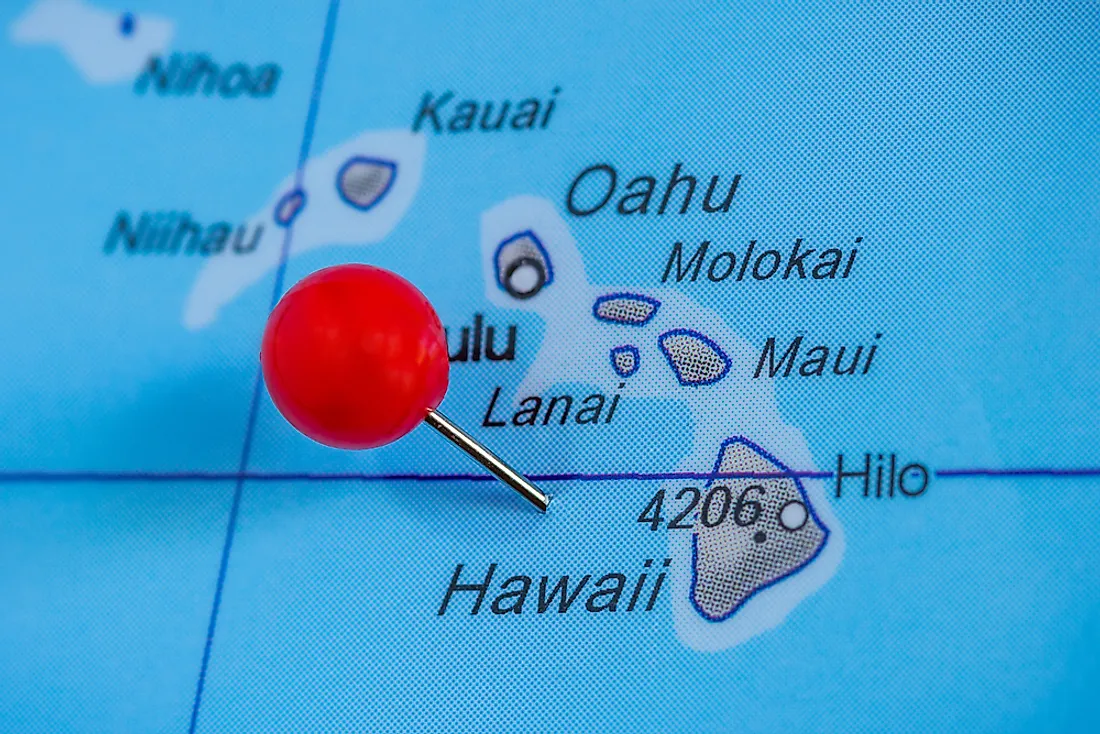
- Big Island (Hawaii Island): The youngest and largest of the islands, Hawaii Island is a land of extremes. Hawaii Volcanoes National Park allows visitors to witness active volcanic landscapes, while its diverse climate zones range from lush rainforests to arid lava fields, offering unique experiences like stargazing from Mauna Kea.
Embracing the Spirit of Aloha
Ultimately, traveling to Hawaii is an invitation to embrace the spirit of aloha, a philosophy deeply ingrained in its Oceanian roots. It encourages respect for the land (aina), reverence for cultural practices, and genuine connection with its people. By acknowledging and appreciating Hawaii’s rightful place within Oceania, travelers gain a richer, more profound understanding of this extraordinary destination, discovering not just a beautiful vacation spot, but a living testament to the enduring legacy of the Pacific Island cultures. This perspective enriches every moment, from the first lei received upon arrival to the last sunset over its sacred waters.
LifeOutOfTheBox is a participant in the Amazon Services LLC Associates Program, an affiliate advertising program designed to provide a means for sites to earn advertising fees by advertising and linking to Amazon.com. Amazon, the Amazon logo, AmazonSupply, and the AmazonSupply logo are trademarks of Amazon.com, Inc. or its affiliates. As an Amazon Associate we earn affiliate commissions from qualifying purchases.