
The question “Is Hawaii in the United States?” often arises due to the islands’ unique geographical location and distinct cultural identity. Separated by thousands of miles of the Pacific Ocean from the North American mainland, Hawaii feels like a world apart from the contiguous 48 states. Its lush, volcanic landscapes, vibrant Polynesian heritage, and tropical climate stand in stark contrast to the familiar plains, deserts, and cities that define much of the continental USA. This sense of exoticism and isolation often leads travelers and even some curious minds to wonder if this paradise archipelago truly belongs to the American federation.
The answer, unequivocally, is yes. Hawaii is the 50th state of the United States, having achieved statehood on August 21, 1959. This fact, while straightforward, belies a rich and complex history that shaped Hawaii’s journey from an independent kingdom to a U.S. territory, and eventually, a full-fledged state. For anyone planning a trip to these mesmerizing islands, understanding this fundamental truth is key, as it impacts everything from currency and language to legal frameworks and ease of travel. However, the initial query also highlights the very essence of what makes Hawaii such an extraordinary destination for travel, tourism, and lifestyle experiences – its unparalleled blend of American convenience with a deeply rooted local culture and awe-inspiring natural beauty.
The Unmistakable Truth: Hawaii’s Place in the Union
Despite its seemingly remote location, Hawaii’s status as a U.S. state is a cornerstone of its modern identity. It is an integral part of the nation, operating under the same federal laws, using the U.S. dollar, and adhering to American governance structures. This political integration means that travelers from other U.S. states do not need passports or currency exchange to visit, making domestic travel to this tropical haven incredibly seamless. For international visitors, the same visa requirements apply as for any other part of the United States, simplifying the process for those looking to explore its unique charms.
A Brief History of Statehood
The path to statehood for Hawaii was a long and multifaceted one, beginning long before it officially joined the United States. Originally settled by Polynesian navigators, the Hawaiian Islands were unified into a single kingdom by King Kamehameha I in the early 19th century. For decades, the Hawaiian Monarchy maintained its independence, interacting with various global powers. However, American influence grew steadily, particularly through missionary efforts and the burgeoning sugar plantations, which attracted a diverse workforce from Japan, China, the Philippines, and Portugal.
In 1893, a group of American and European businessmen, supported by the U.S. military, overthrew Queen Liliuokalani, the last monarch of Hawaii. This led to the establishment of the Republic of Hawaii, which was subsequently annexed by the United States in 1898, becoming a U.S. territory. For over 60 years, Hawaii remained a territory, playing a crucial strategic role, especially during World War II with the attack on Pearl Harbor. The people of Hawaii actively campaigned for statehood, seeking full representation and the rights afforded to citizens of a state. This aspiration was finally realized in 1959, marking a pivotal moment in both Hawaiian and American history.
Geographic Isolation vs. Political Connection
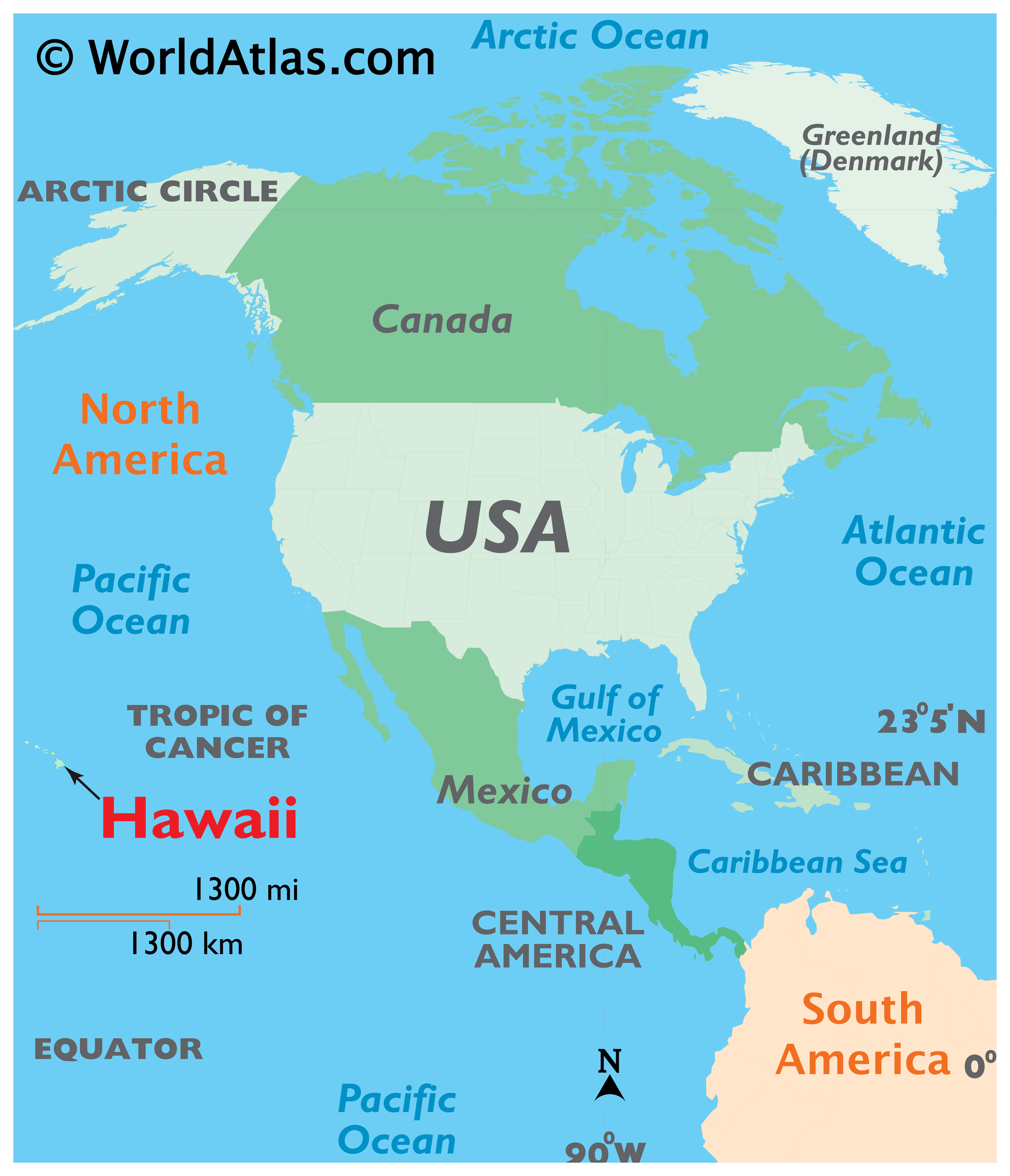
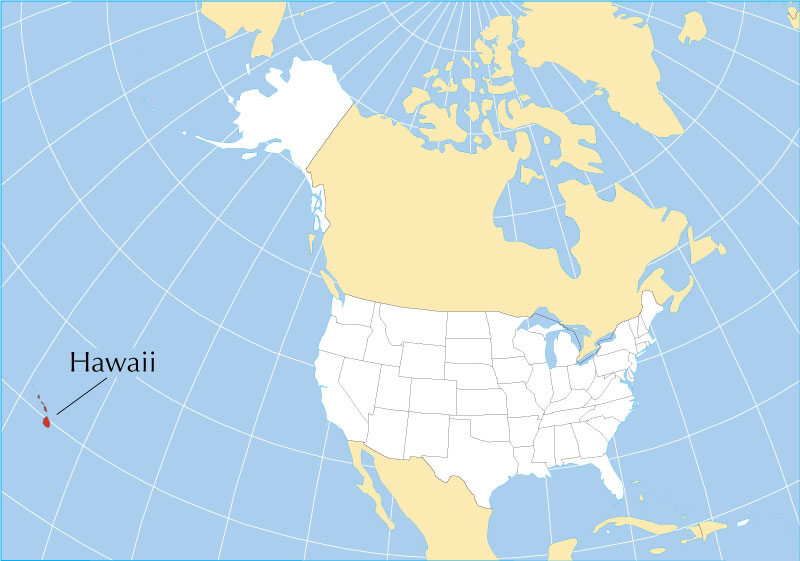
Geographically, Hawaii is the most isolated major population center on Earth. Its capital city, Honolulu, on the island of Oahu, is approximately 2,500 miles southwest of Los Angeles, California. This vast distance from the North American continent, far greater than that between many countries, is a primary reason for the enduring confusion about its affiliation. Unlike Alaska, which shares a border with Canada and is clearly connected to the continental landmass, Hawaii sits alone in the middle of the Pacific Ocean.
However, this isolation has not hindered its political and economic integration with the United States. As a state, Hawaii benefits from federal funding, infrastructure, and defense, while contributing to the nation’s cultural tapestry and economy, particularly through tourism and agriculture. The U.S. military presence, significant since the late 19th century, also firmly anchors the islands within the American strategic sphere. This unique blend of geographical remoteness and robust political connection creates a fascinating dynamic that travelers often find both intriguing and reassuring.
Why the Confusion? Hawaii’s Distinct Identity
Beyond its geographical distance, the lingering question about Hawaii’s U.S. status stems from its profoundly distinct identity. Unlike any other U.S. state, Hawaii boasts a heritage that is predominantly Polynesian, infused with influences from Asia and other Pacific islands. This cultural richness, combined with its unparalleled natural beauty, sets it apart from the rest of the nation and gives it a truly global appeal.
A Melting Pot of Cultures and Traditions
The cultural landscape of Hawaii is a vibrant tapestry woven from indigenous Hawaiian traditions and the diverse cultures brought by immigrants over centuries. The “aloha spirit,” a philosophy of kindness, hospitality, and respect, permeates daily life and is a hallmark of the islands. Visitors can experience authentic Hawaiian culture through traditional hula performances, ancient chants, and ceremonies. The Polynesian Cultural Center on Oahu, for example, offers an immersive journey through the traditions of Hawaii and other Polynesian islands, highlighting the deep roots of this heritage.
Furthermore, the influence of Japanese, Chinese, Filipino, and Portuguese communities is evident in everything from the local cuisine to festivals and architectural styles. This cultural fusion gives Hawaii a unique flavor that distinguishes it from mainland American destinations. The languages spoken, while predominantly English, often include Hawaiian phrases and a distinct local pidgin, further adding to the sense of being in a unique cultural space. For travelers seeking more than just a beach vacation, Hawaii’s cultural depth offers endless opportunities for exploration and enrichment, from historical sites like Iolani Palace, the only official residence of royalty in the United States, to local art galleries and craft markets.
Breathtaking Landscapes Beyond the Mainland Norm
The natural beauty of Hawaii is arguably its most compelling differentiator. Formed by volcanic activity, the islands feature an incredible diversity of landscapes that are unlike anything found in the continental United States. From active volcanoes to black sand beaches, lush rainforests, and towering sea cliffs, the scenery is constantly awe-inspiring.
The Big Island of Hawaii is home to Volcanoes National Park, where visitors can witness the dynamic forces of creation at work, with active volcanoes like Kilauea and Mauna Loa shaping the land. On Maui, the scenic Road to Hana winds through dense jungle, revealing hidden waterfalls and breathtaking coastal views. Kauai, known as the “Garden Isle,” boasts the dramatic cliffs of the Na Pali Coast and the majestic Waimea Canyon, often called the “Grand Canyon of the Pacific.” These natural wonders provide a stark contrast to the familiar geographical features of places like Arizona’s Grand Canyon or the Rocky Mountains, reinforcing the perception of Hawaii as a distinctly separate entity. This unique geological makeup also provides a diverse range of outdoor activities, from surfing and snorkeling in crystal-clear waters to hiking through verdant valleys and exploring lava tubes.
Planning Your Hawaiian Escape: Travel, Accommodation, and Experiences
Understanding Hawaii’s place within the United States simplifies the logistical aspects of planning a trip, allowing travelers to focus on the exciting details of their itinerary. From choosing the right island to finding the perfect resort and immersing oneself in local culture, the options for a memorable Hawaiian escape are virtually limitless.
Navigating the Islands: Destinations and Attractions
The Hawaiian archipelago comprises eight main islands: Oahu, Maui, Kauai, Hawaii Island (the Big Island), Molokai, Lanai, Niihau, and Kahoolawe. Each offers a distinct personality and an array of attractions.
- Oahu: The Gathering Place – Home to the bustling capital city of Honolulu, Oahu is the most populated island and often the entry point for international travelers. Here, you’ll find iconic landmarks like Pearl Harbor, the majestic volcanic crater of Diamond Head, and the world-famous Waikiki Beach. Honolulu itself is a hub for dining, shopping, and vibrant nightlife, blending urban sophistication with island charm.
- Maui: The Valley Isle – Renowned for its stunning beaches, luxury resorts in areas like Wailea and Kaanapali, and the legendary Road to Hana, Maui offers a perfect blend of adventure and relaxation. Whale watching (seasonal) and surfing are popular activities, along with exploring the historic town of Lahaina.
- Kauai: The Garden Isle – For nature lovers and adventurers, Kauai is a paradise. Its dramatic Na Pali Coast, Waimea Canyon, and lush rainforests provide incredible hiking, kayaking, and helicopter tour opportunities.
- Hawaii Island (Big Island): The Orchid Isle – The largest island offers an unparalleled diversity of ecosystems, from active volcanoes in Volcanoes National Park to snow-capped peaks, black sand beaches, and vibrant coral reefs. Major towns like Kona and Hilo offer different flavors of island life.
Inter-island travel is typically by short flights, making it feasible to experience multiple islands in one trip. Each island’s unique attractions cater to different interests, from historical exploration and cultural immersion to exhilarating outdoor sports and serene beach relaxation.
Where to Stay: Hotels, Resorts, and Unique Accommodations
As a premier travel destination, Hawaii offers an extensive range of accommodation options to suit every budget and lifestyle. From opulent five-star resorts to charming boutique hotels, family-friendly apartments, and secluded villas, the choices are vast.
Luxury seekers can indulge in world-class amenities at properties like the Four Seasons Resort Maui at Wailea or the Grand Hyatt Kauai Resort & Spa, which offer exquisite dining, spa services, and direct beach access. For families, Aulani, A Disney Resort & Spa on Oahu provides a magical, immersive experience. Mid-range hotels and vacation rentals are plentiful, offering comfortable stays with many amenities, often near popular attractions. For those seeking a more local experience or a longer stay, private villas and vacation apartments provide home-like comforts and flexibility, often with fully equipped kitchens. Booking in advance, especially for peak seasons, is highly recommended to secure preferred locations and competitive rates. Reviews and comparison tools are invaluable resources when planning your accommodation in Hawaii.
Embracing the Local Lifestyle: Food, Activities, and Culture
Tourism in Hawaii is not just about beautiful scenery; it’s about embracing a lifestyle. The local cuisine is a delicious fusion of Hawaiian, Asian, and American flavors, with fresh seafood, tropical fruits, and traditional dishes like poke, kalua pig, and shave ice being staples. Dining experiences range from casual food trucks to high-end restaurants, offering something for every palate.
Activities abound, catering to all interests. Surfing lessons on Waikiki Beach, snorkeling or diving in vibrant coral reefs, hiking to panoramic viewpoints, or simply relaxing on a pristine beach are just a few options. Experiencing a traditional luau, with its feast, music, and hula dancing, is a must-do for many visitors, providing a glimpse into Hawaiian culture and hospitality. Exploring local markets, art galleries, and small towns also offers insights into the unique community spirit and creative energy of the islands. This rich tapestry of experiences makes Hawaii a destination that engages all the senses and leaves a lasting impression.
The Hawaiian Lifestyle: Luxury, Adventure, and Serenity
The lifestyle in Hawaii is often romanticized, and for good reason. It embodies a blend of laid-back island living with opportunities for grand adventures and luxurious indulgence. Whether you’re seeking a serene escape, a thrilling journey, or a family-friendly vacation, Hawaii caters to a wide spectrum of lifestyle preferences.
From Budget-Friendly to Ultra-Luxe: Tailoring Your Trip
One of the great aspects of travel to Hawaii is its versatility in accommodating different budgets. While often perceived as a luxury destination, smart planning can make a Hawaiian vacation accessible for budget travelers as well. Opting for vacation rentals or smaller hotels outside of major resort areas, cooking some meals, and utilizing public transportation or carpooling can significantly reduce costs. Free activities like hiking, swimming at public beaches, and exploring local parks are plentiful.
Conversely, for those desiring the pinnacle of luxury, Hawaii delivers. Exclusive five-star resorts like The Ritz-Carlton, Kapalua on Maui offer private villas, personal concierge services, gourmet dining, and championship golf courses. High-end experiences include private yacht charters, helicopter tours over volcanic landscapes, and bespoke culinary adventures. Families can find resorts tailored to their needs, with kids’ clubs and themed activities, while business travelers can find upscale hotels with conference facilities and executive amenities. This adaptability ensures that the Hawaiian experience can be customized to fit nearly any lifestyle or financial plan, making it a truly inclusive travel destination within the United States.
Must-See Landmarks and Natural Wonders
The landmarks of Hawaii are as diverse as its culture, ranging from historically significant sites to breathtaking natural formations. No trip to Hawaii would be complete without visiting some of these iconic places.
- Pearl Harbor, Oahu: A profound historical site commemorating the attack that led the United States into World War II.
- Diamond Head State Monument, Oahu: Hike to the summit of this iconic volcanic crater for panoramic views of Waikiki Beach and Honolulu.
- Volcanoes National Park, Hawaii Island: Witness active volcanic landscapes, steam vents, and potentially even lava flows, a truly unique natural spectacle.
- Na Pali Coast, Kauai: Best viewed by boat or helicopter, these dramatic emerald cliffs plunging into the Pacific Ocean are a sight of unparalleled beauty.
- Road to Hana, Maui: A legendary scenic drive featuring countless waterfalls, lush rainforests, and stunning ocean vistas.
- Haleakala National Park, Maui: Watch the sunrise or sunset from the dormant volcano’s summit, an unforgettable experience above the clouds.
- Waimea Canyon, Kauai: Often called the “Grand Canyon of the Pacific,” this vast canyon offers breathtaking views and numerous hiking trails.
These landmarks, whether natural or man-made, reflect the deep history and astounding geological forces that have shaped Hawaii. They serve as powerful reminders of the islands’ unique character and their significant contributions to both American history and the global natural heritage.
In conclusion, while the question “Is Hawaii in the United States?” is born from its exotic appeal and geographical remoteness, the answer firmly places it as the 50th state. This status brings with it the ease and familiarity of domestic travel for U.S. citizens, coupled with the extraordinary experience of an entirely different culture and landscape. For any traveler, Hawaii offers a rare opportunity to explore a world-class destination that is both distinctly American and wonderfully unique, providing a rich tapestry of travel, tourism, accommodation, landmark exploration, and diverse lifestyle experiences under the same national flag. Its allure lies precisely in this duality: an accessible paradise that feels a million miles away.
LifeOutOfTheBox is a participant in the Amazon Services LLC Associates Program, an affiliate advertising program designed to provide a means for sites to earn advertising fees by advertising and linking to Amazon.com. Amazon, the Amazon logo, AmazonSupply, and the AmazonSupply logo are trademarks of Amazon.com, Inc. or its affiliates. As an Amazon Associate we earn affiliate commissions from qualifying purchases.