
The question “Is Hawaii in the United States of America?” is far more common than one might initially expect. While the answer is a resounding yes – Hawaii proudly stands as the 50th state of the U.S.. – the very asking of this question highlights its unique position. Unlike any other American state, Hawaii is an archipelago thousands of miles from the mainland, situated in the vast expanse of the Pacific Ocean. This geographical isolation, coupled with its distinct Polynesian cultural heritage and history, often leads to a natural curiosity about its true national affiliation.
This article aims to definitively address this question, exploring not only Hawaii’s official status within the U.S.. but also delving into the rich tapestry of elements that make it such a singular and cherished part of the American landscape. From its vibrant culture and breathtaking natural beauty to its pivotal role as a global travel destination, we will uncover what makes Hawaii undeniably American, yet wonderfully unique.
Hawaii’s Place in the Union: A Clear Affirmation
To unequivocally answer the question, Hawaii has been an integral part of the United States of America since August 21, 1959, when it officially joined the Union as the 50th state. This status means that Hawaii operates under the same federal laws, uses the U.S.. dollar as its currency, and its citizens are full American citizens with all the rights and responsibilities that entail, including voting in federal elections and having representation in Congress.
The 50th State and Its Capital
The process of becoming a state was a culmination of decades of political and social transformation. Before 1959, Hawaii existed as a U.S.. territory for over 60 years. Its capital city, Honolulu, located on the island of Oahu, serves as the governmental and economic hub of the state. It is a bustling metropolis that perfectly encapsulates the blend of American modernity with island charm, boasting impressive skyscrapers alongside historic landmarks and stunning natural vistas. The state’s administrative structure mirrors that of other U.S.. states, with a governor, state legislature, and a judiciary system, all operating under the framework of the United States Constitution.
Geographical Context: Bridging Continents
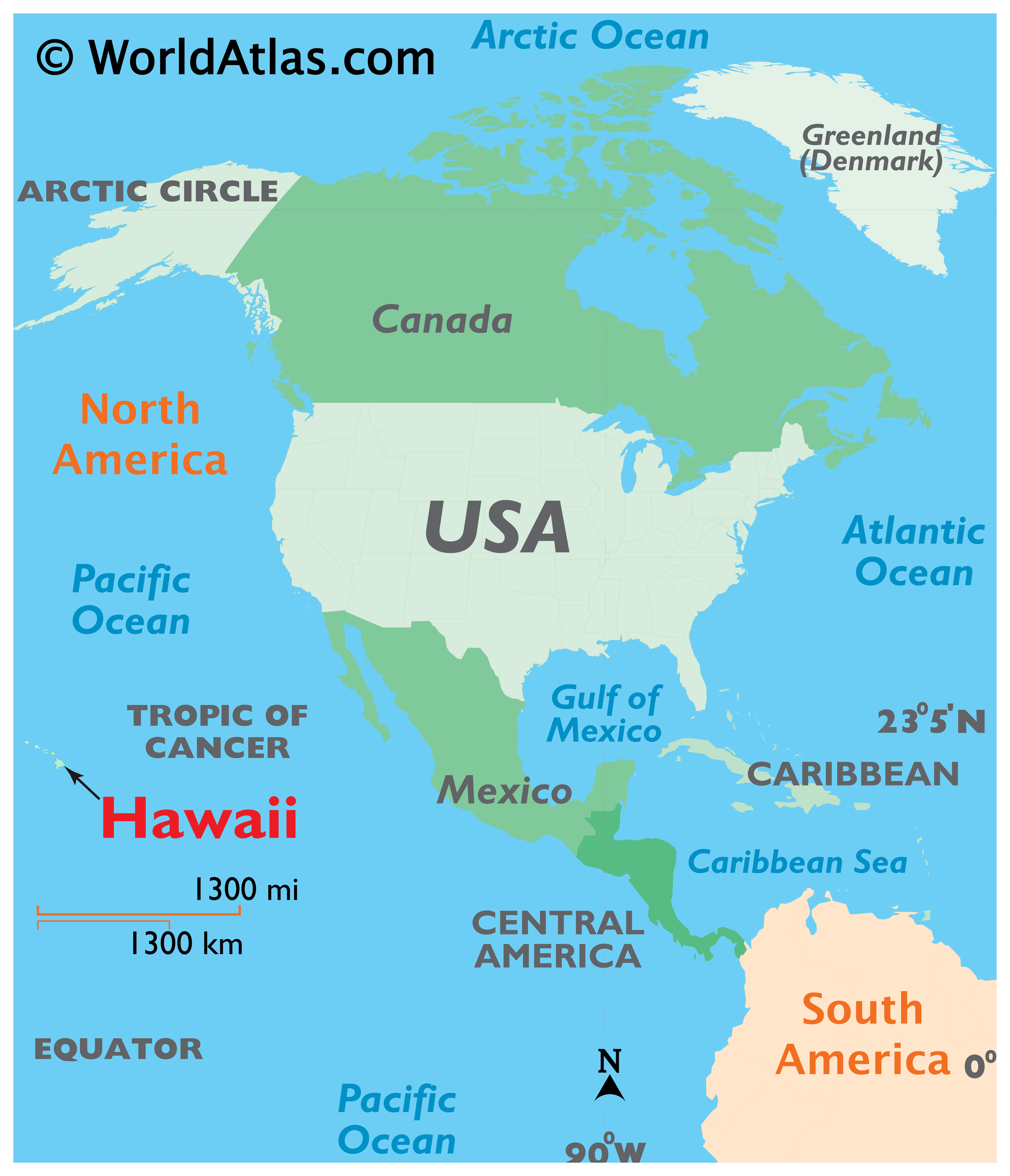
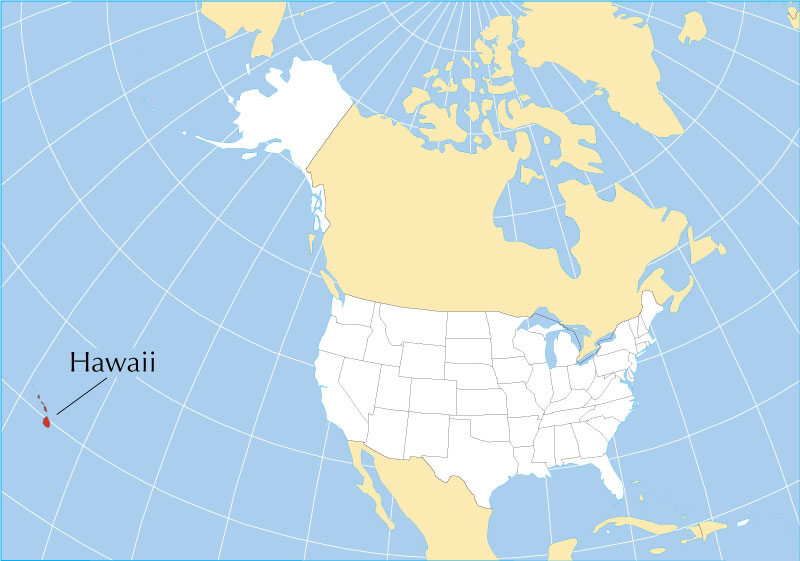
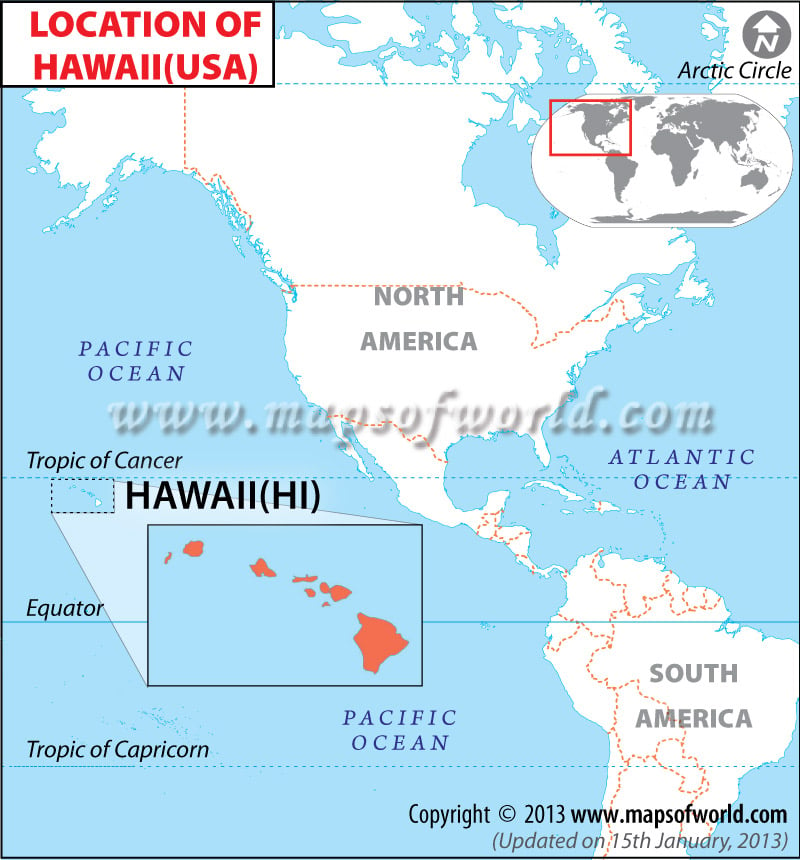
The primary reason for any confusion regarding Hawaii’s national affiliation stems from its extraordinary geography. Unlike Alaska, which shares a border with Canada, Hawaii is entirely surrounded by the Pacific Ocean, making it the only U.S.. state located outside of North America. It lies approximately 2,400 miles (3,860 kilometers) southwest of California, placing it closer to Japan and Australia than to the U.S.. mainland.
The Hawaiian Islands are an archipelago consisting of eight main islands – Hawaii (the Big Island), Maui, Oahu, Kauai, Molokai, Lanai, Niihau, and Kahoolawe – along with numerous smaller islets and atolls. These islands are the exposed peaks of an immense underwater mountain range, formed by volcanic activity over millions of years. This unique geological origin contributes to the islands’ dramatic landscapes, ranging from black sand beaches to towering volcanoes.
Despite its distance, the integration into the U.S.. system is seamless. Mail delivery, banking, and communications function just as they would in any other state. Hawaii even has its own time zone, Hawaii Standard Time (HST), which does not observe daylight saving. This geographical distinction, while sparking questions, ultimately underscores Hawaii’s remarkable capacity to bridge the Pacific and maintain its strong American identity.
A Melting Pot of Cultures: Beyond the American Mainland
What truly sets Hawaii apart within the United States is its profoundly rich and diverse cultural landscape. Long before Europeans arrived, the islands were inhabited by Polynesian navigators who brought with them a sophisticated understanding of their environment, a vibrant language, and deep spiritual traditions.
A Rich Polynesian Heritage
The indigenous Hawaiian people are descendants of Polynesian voyagers who traveled across the Pacific in double-hulled canoes, settling the islands between 300 and 800 AD. This heritage remains a powerful force in contemporary Hawaii. The Hawaiian language, ‘Ōlelo Hawaiʻi, although once suppressed, has experienced a resurgence and is an official language of the state alongside English. Visitors are encouraged to learn basic Hawaiian phrases like “Aloha” (hello, goodbye, love) and “Mahalo” (thank you), which are deeply embedded in daily life.
Traditional practices such as hula, the storytelling dance, and luau, a traditional feast, are not merely tourist attractions but living expressions of cultural identity. The concept of “aloha,” more than just a greeting, embodies a philosophy of compassion, love, peace, and respect for all living things and the land, or ‘āina. This spirit of aloha permeates the islands, influencing everything from interpersonal interactions to environmental conservation efforts.
A Unique Cultural Tapestry
Over centuries, Hawaii became a crossroads for various cultures. Following the arrival of European explorers and American missionaries, waves of immigrants from China, Japan, the Philippines, Portugal, and other nations came to work on the sugar and pineapple plantations. Each group contributed to the unique cultural mosaic that defines modern Hawaii.
This blend is most deliciously evident in Hawaiian cuisine, which fuses Polynesian staples with Asian flavors and Western influences. From poke bowls and kalua pig to shave ice and fresh tropical fruits, the food tells a story of migration and fusion. Festivals and local traditions celebrate this diversity, creating a vibrant, inclusive community unlike anywhere else in the U.S.. This profound cultural depth ensures that a trip to Hawaii is not just a beach vacation, but an immersive experience in a distinct and welcoming way of life.
Hawaii as a Premier Travel Destination
Beyond its political status and cultural depth, Hawaii is globally renowned as a premier travel destination, attracting millions of visitors each year. Its inclusion within the United States offers a distinct advantage for American travelers, providing an exotic escape without the need for passports, currency exchange, or complex international travel logistics. For international visitors, it offers the best of both worlds: the safety and infrastructure of a developed nation coupled with the allure of a tropical, culturally rich paradise.
Iconic Attractions and Natural Wonders
The islands boast an incredible array of natural wonders and historical landmarks, catering to every type of traveler.
- Oahu, often called “The Gathering Place,” is home to the famous Waikiki Beach, where visitors can learn to surf or simply bask in the sun. Nearby, the majestic volcanic crater of Diamond Head offers panoramic views of Honolulu. History buffs can pay their respects at Pearl Harbor, the site of the pivotal WWII attack, including the solemn USS Arizona Memorial.
- Maui, known as “The Valley Isle,” enchants with its stunning Road to Hana, a scenic drive winding through lush rainforests and past cascading waterfalls. The dormant volcano Haleakala, within Haleakala National Park, provides unforgettable sunrise views from above the clouds.
- The Big Island, or Hawaii Island, is a geological marvel. Hawaii Volcanoes National Park is home to Kilauea and Mauna Loa, two of the world’s most active volcanoes, offering a rare opportunity to witness active lava flows (when conditions permit). The towering Mauna Kea, a dormant volcano, is the highest point in Hawaii and an unparalleled stargazing location.
- Kauai, “The Garden Isle,” lives up to its name with verdant landscapes and dramatic cliffs. The breathtaking Na Pali Coast is accessible by boat, helicopter, or challenging hiking trails, revealing cathedral-like valleys and pristine beaches. The “Grand Canyon of the Pacific,” Waimea Canyon, offers spectacular vistas and hiking opportunities.
Diverse Experiences for Every Traveler
Whether you seek adventure, relaxation, or cultural immersion, Hawaii delivers. Travel guides to the islands often emphasize the incredible array of activities available:
- Adventure: Surfing, snorkeling, scuba diving in vibrant coral reefs, hiking through volcanic landscapes or lush rainforests, zip-lining, and even seasonal whale watching.
- Relaxation: Lounging on world-famous beaches, enjoying spa treatments at luxurious resorts, or simply savoring a sunset cruise.
- Cultural Immersion: Attending a traditional luau, taking hula lessons, visiting ancient temples (heiau), or exploring local markets and art galleries.
Accommodation Options: Hawaii caters to all budgets and preferences. Luxury travelers can indulge in world-class resorts like the Four Seasons Resort Maui at Wailea or The Ritz-Carlton, Kapalua, offering exquisite suites, private villas, and an abundance of amenities. Mid-range hotels and charming boutique accommodations provide comfortable stays, while budget-conscious travelers can find hostels, vacation rentals, and campsites. Booking platforms offer extensive reviews and comparison tools to help visitors find the perfect fit, whether for a short getaway or a long-term stay.
Lifestyle & Experiences: The unique blend of laid-back island lifestyle with modern amenities makes Hawaii appealing for various types of trips:
- Family Trips: Kid-friendly beaches, nature parks, and cultural activities.
- Romantic Getaways: Secluded beaches, fine dining, and stunning sunsets.
- Business Stays: Conference facilities and a vibrant city environment in Honolulu.
- Luxury Travel: Exclusive experiences, private tours, and high-end resorts.
- Budget Travel: Options for exploring on a tighter budget, including local eateries and free natural attractions.
Tourism remains the backbone of the Hawaiian economy, and the state has developed an infrastructure that supports this industry while striving to preserve its natural beauty and cultural integrity. This commitment ensures that visitors can enjoy its wonders responsibly, creating memorable experiences that last a lifetime.
A Brief History of Hawaiian Statehood
Understanding Hawaii’s journey to becoming a U.S.. state provides crucial context for its current identity. The islands were first settled by Polynesian explorers, establishing a thriving society centuries before Europeans arrived.
The first documented European contact occurred in 1778 with the arrival of British explorer Captain James Cook. In the late 18th and early 19th centuries, King Kamehameha I successfully unified the warring island chiefdoms, establishing the independent Kingdom of Hawaii. This sovereign kingdom flourished for nearly a century, developing diplomatic ties with major world powers, including the United States and Great Britain.
However, by the late 19th century, American business interests, particularly sugar planters, gained significant political and economic influence. This eventually led to the overthrow of the Hawaiian monarchy in 1893, with Queen Liliuokalani being the last reigning monarch. A provisional government, dominated by American and European businessmen, was established, followed by the Republic of Hawaii in 1894.
In 1898, amid the Spanish-American War and strategic interests in the Pacific, the United States formally annexed Hawaii, making it a U.S.. territory. The islands played a crucial strategic role, particularly during World War II, when the attack on Pearl Harbor on December 7, 1941, thrust the U.S.. into the conflict. This event cemented Hawaii’s strategic importance and fostered a stronger sense of connection with the mainland.
Following decades of advocacy and political debate, and with a strong majority vote from Hawaiian residents in a referendum, Hawaii finally achieved statehood on August 21, 1959. This historical progression, from an independent kingdom to a U.S.. territory and finally a state, has shaped its unique identity as both deeply rooted in Pacific heritage and fully integrated into the American fabric.
In conclusion, the answer to “Is Hawaii in the United States of America?” is an unequivocal yes. It is the 50th state, a vibrant democracy operating under federal law, and an integral part of the American story. However, its geographical isolation and rich Polynesian and multicultural heritage mean that it offers an experience unlike any other state. Hawaii represents the best of both worlds: the familiar comforts and protections of the U.S.., combined with the exotic allure, profound cultural depth, and breathtaking natural beauty of a true Pacific paradise. It is, without a doubt, a cherished jewel in the American crown and a dream destination for travelers worldwide.
LifeOutOfTheBox is a participant in the Amazon Services LLC Associates Program, an affiliate advertising program designed to provide a means for sites to earn advertising fees by advertising and linking to Amazon.com. Amazon, the Amazon logo, AmazonSupply, and the AmazonSupply logo are trademarks of Amazon.com, Inc. or its affiliates. As an Amazon Associate we earn affiliate commissions from qualifying purchases.