
The geographical and cultural classification of Hawaii has been a subject of academic debate and travel discourse for decades. Situated in the vast expanse of the Pacific Ocean, this archipelago serves as a bridge between diverse worlds. To understand whether these islands truly belong to Oceania, one must look beyond simple map coordinates and explore the historical, cultural, and geological context that defines this unique destination.
The Geographical and Political Classification
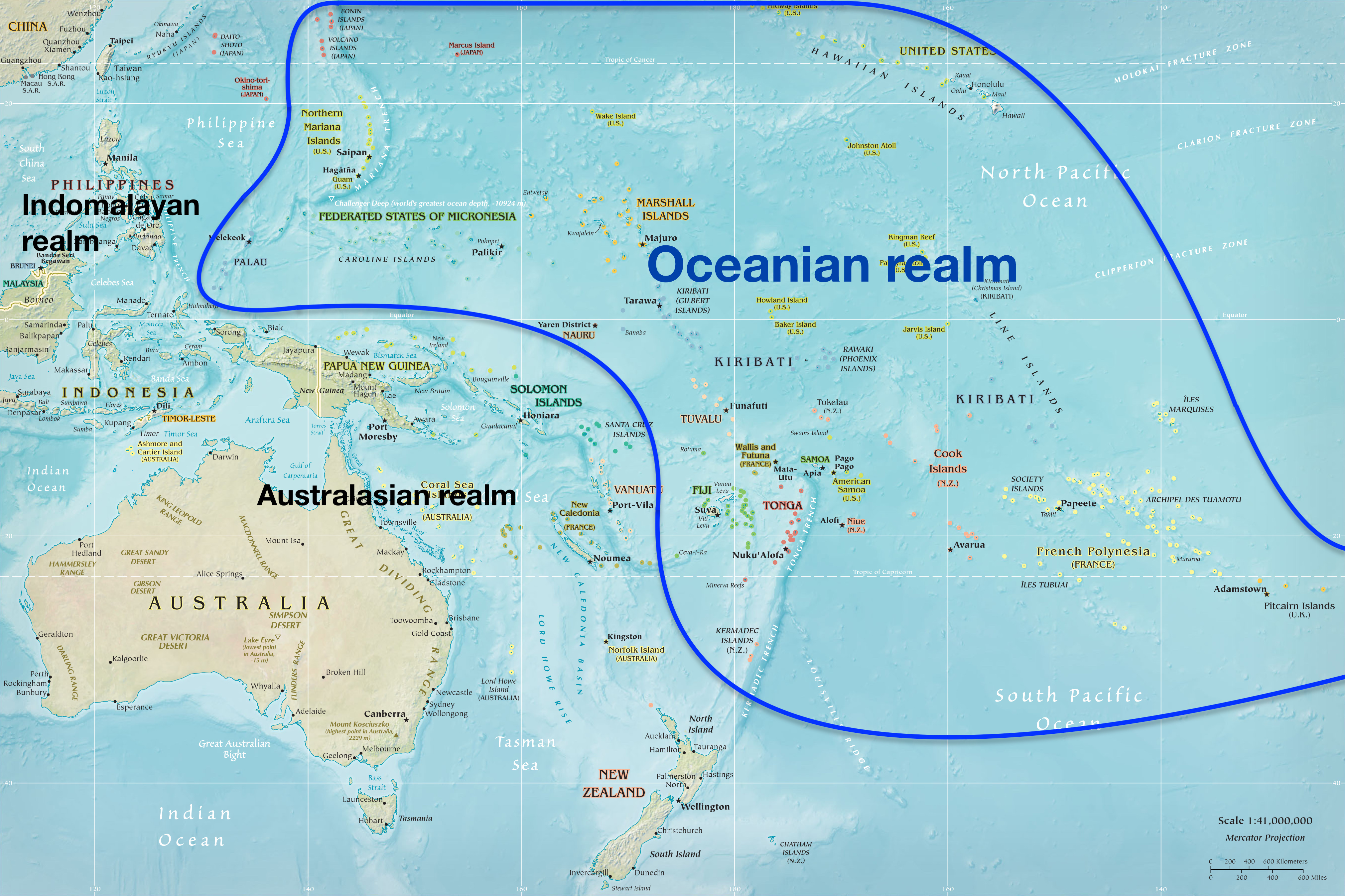
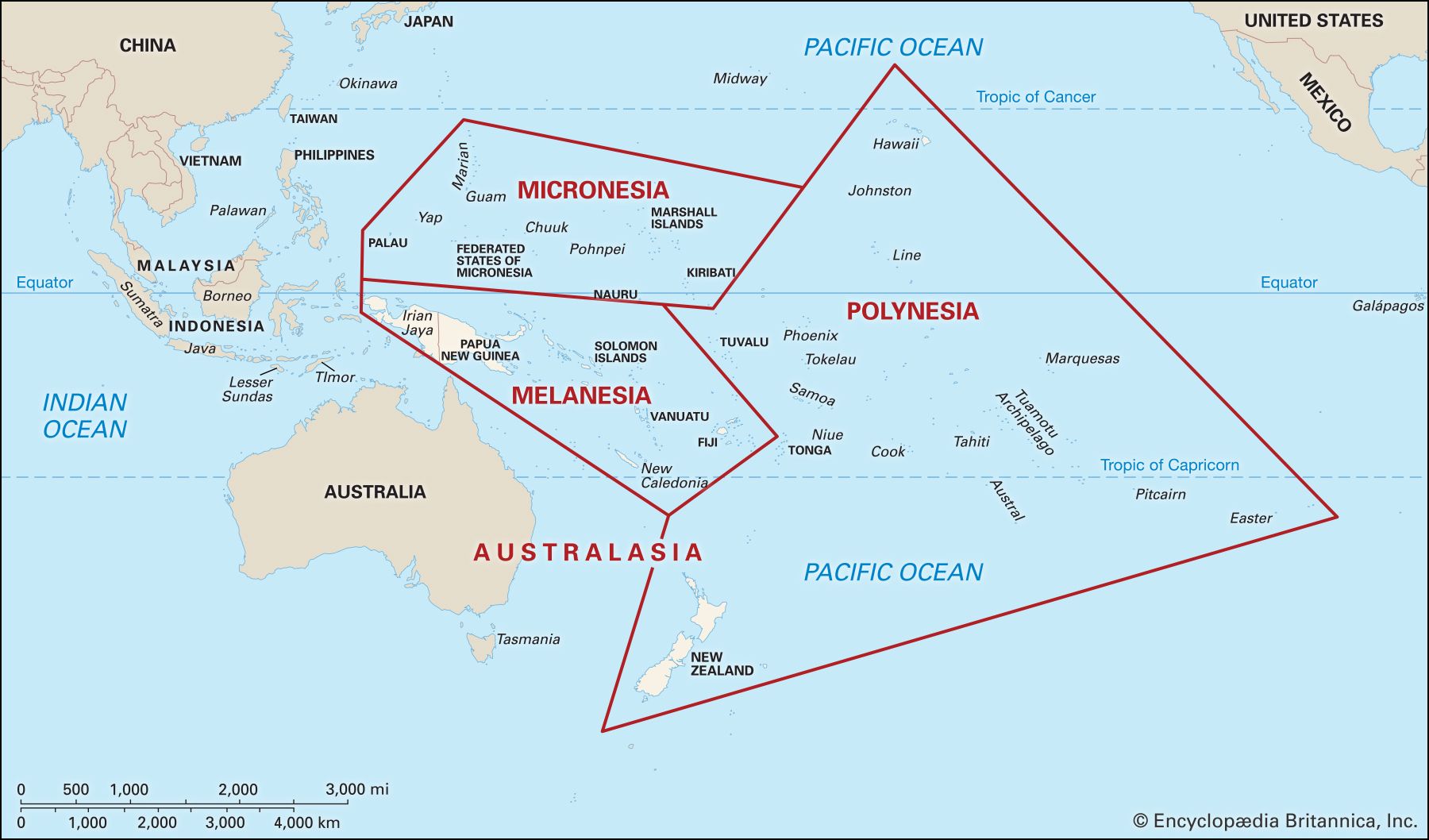
From a strictly geographical perspective, Oceania is often defined as a region comprising Australasia, Melanesia, Micronesia, and Polynesia. Because Hawaii is arguably the northernmost point of the Polynesian Triangle, geographers frequently categorize it as a central component of this island group.
The Polynesian Connection
The Polynesian Triangle is defined by its three corners: Hawaii to the north, Easter Island to the southeast, and New Zealand to the southwest. This vast cultural region shares ancient linguistic roots, navigational traditions, and ancestral heritage. By identifying as a Polynesian society, the native people of the islands inherently link their identity to the greater Oceanic sphere.
Political Integration with the United States
Despite its geographical and cultural roots, Hawaii functions as a state within the United States of America. This political reality often confuses the categorization of the islands. While many travelers view it primarily as a North American destination due to its governance, its physical separation from the continental shelf places it firmly within the Pacific island world.
Cultural Identity and Indigenous Heritage
While politics dictate governance, culture defines belonging. The traditions, language, and ancestral history of the islands provide a more profound answer than any government document could.
Ancestral Roots and Wayfinding
The indigenous people of Hawaii were master navigators who crossed the Pacific Ocean using celestial cues and the stars. Their history is inextricably linked to other populations across Oceania. Archaeological evidence shows a clear migration pattern from Tahiti and the Marquesas Islands, cementing the cultural affinity between these regions.
Language and Social Customs
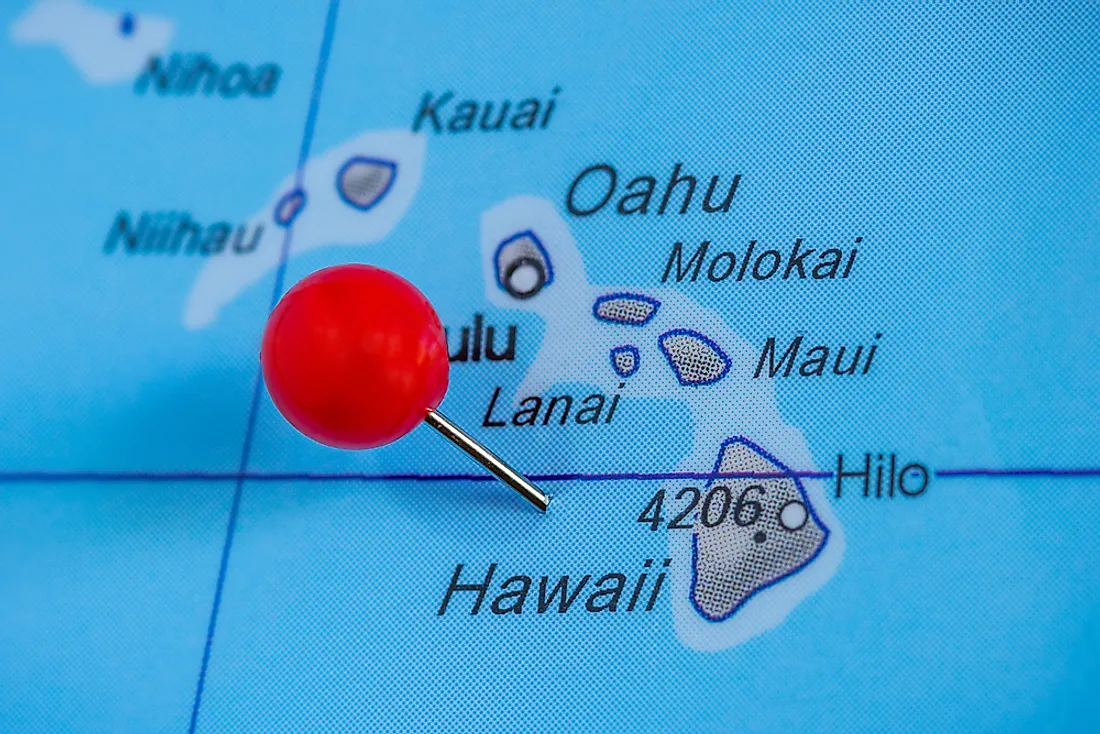
The Hawaiian language is a member of the Austronesian language family, which is dominant across Oceania. From the performance of the Hula to the intricate social structures reminiscent of Fiji or Samoa, the cultural tapestry of the islands is uniquely Pacific. Travelers visiting Oahu or Maui will notice that the “Aloha Spirit” shares a common heartbeat with the communal values found across the South Pacific.
Travel Perspectives: Why the Distinction Matters
For the modern traveler, the classification of Hawaii within Oceania changes how one experiences the islands. Viewing Hawaii as a part of Oceania encourages deeper exploration of its heritage rather than merely treating it as a standard American vacation spot.
Embracing the Pacific Identity
When visitors recognize Hawaii as a critical hub within Oceania, they are more likely to seek out authentic experiences. This includes visiting the Polynesian Cultural Center, attending traditional Luau ceremonies, or engaging with local craftspeople in Kauai. Understanding that these islands are part of a massive, interconnected Pacific network fosters a greater respect for the land, or Aina.
Sustainability and Cultural Tourism
As a remote archipelago, Hawaii faces unique environmental challenges similar to those experienced in Kiribati, Tonga, and the Marshall Islands. Identifying Hawaii within the Oceanic context highlights the importance of sustainable tourism. Protecting the Great Barrier Reef or similar ecosystems in the Pacific becomes a shared goal for visitors who understand that they are traversing an interconnected region.
The Future of Oceanic Integration
As the world becomes more interconnected, the cultural lines between Hawaii and the rest of the Pacific are becoming more pronounced. Regional festivals and trade summits often see Hawaii acting as a representative for Polynesian interests, further proving that while the islands are politically American, they are culturally Oceanic.
Strengthening Regional Ties
Organizations like the Pacific Islands Forum demonstrate how Hawaii can play a leadership role among its neighbors. By maintaining its unique Polynesian identity while operating within a globalized economy, Hawaii serves as a successful model for other island nations seeking to preserve their heritage while engaging with the wider world.
A Destination Beyond Borders
Ultimately, Hawaii belongs to the world. However, for those who value cultural integrity and geographic truth, it is indisputable that Hawaii is a jewel of Oceania. Whether you are trekking through Haleakala National Park or relaxing on the shores of Waikiki Beach, you are witnessing the convergence of ancient Pacific traditions and modern global influence.
By defining the islands as an integral part of Oceania, travelers gain a richer appreciation for the complex, beautiful, and enduring history of this legendary paradise. The islands remain a testament to the resilience of Polynesian culture, standing proudly in the middle of the Pacific Ocean, inviting all who visit to see them not just as a state, but as a crucial pillar of the Oceanic world.
LifeOutOfTheBox is a participant in the Amazon Services LLC Associates Program, an affiliate advertising program designed to provide a means for sites to earn advertising fees by advertising and linking to Amazon.com. Amazon, the Amazon logo, AmazonSupply, and the AmazonSupply logo are trademarks of Amazon.com, Inc. or its affiliates. As an Amazon Associate we earn affiliate commissions from qualifying purchases.