
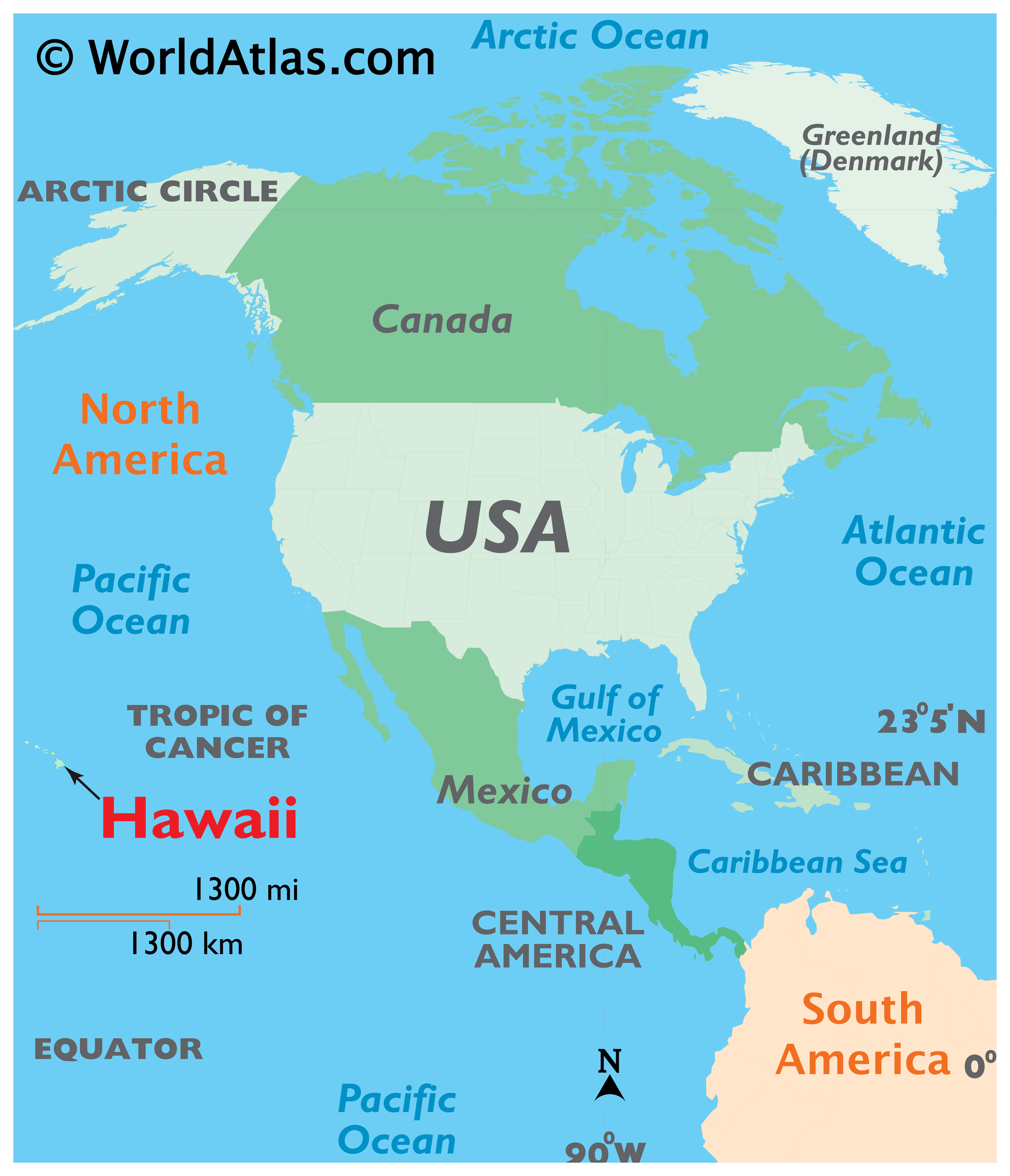
The question “Is Hawaii part of the United States?” might seem straightforward to many, but it’s a query that reveals a fascinating story of geography, history, and culture. For those unfamiliar with its unique position, Hawaii’s location in the middle of the Pacific Ocean, thousands of miles from the North American mainland, can certainly lead to confusion. The definitive answer is a resounding yes; Hawaii is indeed the 50th state of the United States of America. Admitted to the Union on August 21, 1959, it stands as the only U.S. state located entirely outside North America, the only island state, and the only state in the tropics.
This geographical isolation, however, is precisely what makes Hawaii such a captivating and sought-after destination for travelers worldwide. It’s a place where American ideals blend seamlessly with rich Polynesian traditions, creating a vibrant tapestry of experiences unlike anywhere else. From its dramatic volcanic landscapes to its pristine beaches and thriving coral reefs, the Aloha State offers an unparalleled escape. Understanding its journey to statehood and its cultural fabric is key to appreciating this unique gem, whether you’re planning a luxurious resort stay, an adventurous backpacking trip, or a family-friendly vacation.
A Definitive “Yes”: Hawaii’s Journey to Statehood
The path for Hawaii to become a U.S. state was long and complex, rooted in centuries of indigenous rule, European exploration, and increasing American influence. Its history is a testament to resilience and the evolving geopolitical landscape of the Pacific.
From Kingdom to Territory: A Tumultuous Transformation
Before any Western contact, the Hawaiian Islands were home to a sophisticated Polynesian society, governed by a system of chiefs. The arrival of Captain James Cook in 1778 marked the beginning of significant change. Over the following decades, the islands saw the rise of the Kingdom of Hawaii, unified under the powerful leadership of King Kamehameha I. This independent monarchy flourished for nearly a century, establishing diplomatic ties with major world powers and developing its own unique identity.
However, increasing American missionary and business interests in the 19th century began to exert considerable pressure. The islands’ strategic location made them a crucial hub for whaling and sugar production, attracting a growing number of American settlers. By the late 1800s, these American businessmen, along with European residents, held significant economic and political power. In 1893, a group of these foreign residents, with the support of the U.S. military, overthrew the reigning monarch, Queen Liliuokalani, dissolving the Kingdom of Hawaii. This coup led to the establishment of a provisional government, which then lobbied for annexation by the United States. Despite initial resistance and debates within the U.S. Congress regarding the legality and ethics of the overthrow, Hawaii was formally annexed as a U.S. territory in 1898.
The Path to the 50th Star: From Territory to Statehood
For over half a century, Hawaii existed as a U.S. territory, governed by federal laws but without full representation in Congress or the right to vote in presidential elections. During this period, its strategic importance to the United States became undeniably clear, particularly with the attack on Pearl Harbor in 1941, which thrust the nation into World War II. The bravery and loyalty of Hawaiian residents, many of whom were of Japanese descent, during the war further solidified the case for statehood.
After years of fervent lobbying by residents and several congressional debates, the push for statehood gained unstoppable momentum. In 1959, a plebiscite was held in Hawaii, where residents voted overwhelmingly in favor of becoming a U.S. state. On August 21, 1959, President Dwight D. Eisenhower signed the proclamation admitting Hawaii as the 50th state. This historic moment formally cemented Hawaii’s identity as an integral part of the United States, granting its citizens full rights and representation while preserving its unique cultural heritage.
Unique Geographic and Cultural Integration
Despite its political integration, Hawaii remains distinctly unique. Located roughly 2,400 miles southwest of California, it is the most isolated population center on Earth. This isolation has allowed it to develop a vibrant culture that is a blend of indigenous Hawaiian traditions, influences from immigrant populations from Asia (like Japan, China, and the Philippines), and American contemporary life. While fully American, it retains a character that sets it apart from the continental United States, offering a bridge between Eastern and Western cultures. This blend is evident in its languages, cuisine, music, and the pervasive “aloha spirit” that defines its people.
The Allure of the Aloha State: Why Hawaii Captivates Travelers
Beyond its political status, Hawaii’s magnetic appeal lies in its extraordinary natural beauty, rich cultural tapestry, and the endless array of experiences it offers. For any traveler, it’s a destination that consistently exceeds expectations.
Diverse Landscapes and Natural Wonders
The Hawaiian archipelago is a volcanic wonderland, with each island boasting its own distinct personality and breathtaking scenery.
- The Big Island, or Hawaii Island, is home to Hawaii Volcanoes National Park, where visitors can witness the raw power of creation as lava flows into the sea from active volcanoes like Kilauea and Mauna Loa. It also hosts Mauna Kea, the world’s tallest mountain from base to peak, offering stargazing opportunities that are second to none. Its diverse climate zones range from lush rainforests near Hilo to arid lava fields in Kona.
- Maui, often called the “Valley Isle,” is renowned for its idyllic beaches, world-class surfing, and the famous Road to Hana, a scenic drive teeming with waterfalls and verdant landscapes. The majestic sunrise from Haleakala Crater is a bucket-list experience.
- Oahu, the “Gathering Place,” is the most populated island, blending urban sophistication with stunning natural beauty. Honolulu is its vibrant capital, featuring the iconic Waikiki Beach with its surfing lessons and luxury resorts, and the historic Diamond Head crater offering panoramic views.
- Kauai, the “Garden Isle,” is a paradise of dramatic cliffs, cascading waterfalls, and emerald valleys. The breathtaking Na Pali Coast is accessible by boat, kayak, or challenging hikes, offering some of the most spectacular scenery on Earth.
- Lesser-known islands like Lanai and Molokai offer more secluded, authentic Hawaiian experiences, perfect for those seeking tranquility and a deeper connection with local culture.

From snorkeling in vibrant coral gardens teeming with marine life to hiking through ancient forests, Hawaii’s natural environment is an endless playground for adventure seekers and nature lovers.
Rich Culture and Heritage
Hawaii’s culture is as vibrant and diverse as its landscapes. The indigenous Hawaiian culture, with its deep reverence for nature, intricate storytelling through hula, and spiritual connection to the land (mana), forms the bedrock of the islands’ identity. Visitors can immerse themselves in this heritage by attending a traditional luau, learning about ancient navigation techniques at the Polynesian Cultural Center on Oahu, or exploring landmarks like Iolani Palace, the only official residence of royalty in the United States.
The “aloha spirit” is more than just a greeting; it’s a philosophy of kindness, hospitality, and mutual respect that permeates daily life. This welcoming attitude, combined with the fusion of Asian, Pacific Islander, and American influences, creates a truly unique social fabric. The food scene reflects this diversity, offering everything from fresh poke bowls and kalua pig to Japanese-inspired ramen and Filipino adobo. It’s an epicurean journey that mirrors the cultural melting pot.
World-Class Travel Experiences
Whether you’re an adrenaline junkie or seeking serene relaxation, Hawaii delivers. The islands are synonymous with surfing, offering legendary breaks like those on Oahu’s North Shore, perfect for both beginners and seasoned pros. Snorkeling and diving reveal an underwater world teeming with colorful fish, sea turtles, and vibrant coral. Hiking trails range from gentle coastal walks to challenging volcanic ascents.
For those interested in history, the solemn grounds of Pearl Harbor and the USS Arizona Memorial offer a powerful reminder of a pivotal moment in American history. Art galleries, farmers’ markets, and live music venues provide insights into contemporary Hawaiian life. From luxury shopping in Honolulu to secluded beach picnics, Hawaii caters to every travel lifestyle.
Planning Your Hawaiian Escape: Accommodation and Travel Tips
As a premier travel destination, Hawaii offers a vast array of options for accommodation and experiences. Planning your trip wisely can significantly enhance your enjoyment of this paradise.
Choosing Your Island and Stay
Selecting the right island is crucial, as each offers a distinct experience:
- Oahu is ideal for first-time visitors seeking a mix of city life, historical sites, and iconic beaches. You’ll find a wide range of accommodation, from luxury resorts in Waikiki like the Halekulani or the Moana Surfrider to budget-friendly hotels and vacation rentals further out.
- Maui is perfect for romantic getaways, family trips, and those who appreciate scenic drives and active outdoor adventures. Its resorts in Wailea and Ka’anapali, such as the Grand Wailea or the Hyatt Regency Maui Resort and Spa, are renowned for their amenities and oceanfront locations.
- Kauai appeals to nature lovers, hikers, and those seeking a more tranquil, verdant escape. Boutique hotels and charming condominiums are popular choices, offering a blend of comfort and immersion in nature.
- The Big Island is for adventurers, volcano enthusiasts, and those fascinated by diverse ecosystems. Accommodation ranges from luxury resorts along the Kona-Kohala Coast to charming B&Bs in Hilo and rustic cabins near Hawaii Volcanoes National Park.

When booking, consider your travel style. Luxury travelers will find opulent suites and full-service resorts with spas and fine dining. Budget travelers can explore hostels, guesthouses, or self-catering apartments. For longer stays or family trips, villas and vacation rentals offer space and flexibility. Always read reviews and compare prices to find the best fit for your needs.
Navigating the Islands and Mainland Connections
Traveling to Hawaii from the continental United States is straightforward, with numerous direct flights available from major cities on the West Coast like Los Angeles, San Francisco, and Seattle, as well as routes from cities further east. Once in Hawaii, inter-island flights are the primary mode of transport between the major islands, offering quick and convenient connections. Renting a car is highly recommended on most islands to explore at your own pace and reach hidden gems. For those focused on a single island like Oahu, public transport and ride-sharing services are also available, especially in Honolulu.
Essential Travel Considerations
- Best Time to Visit: Hawaii enjoys a tropical climate year-round, but generally, the shoulder seasons (April-May and September-November) offer pleasant weather, fewer crowds, and potentially better deals on accommodation and flights.
- Budgeting: While Hawaii can be an expensive destination, careful planning, booking in advance, and looking for local eateries can help manage costs. There are options for both luxury travel and budget travel.
- Cultural Etiquette: Embrace the aloha spirit! Be respectful of local customs, the ‘aina (land), and the ocean. Learn a few Hawaiian phrases like “mahalo” (thank you) and “e komo mai” (welcome).
- Environmental Responsibility: Practice responsible tourism by protecting the fragile ecosystem. Use reef-safe sunscreen, avoid touching marine life, and dispose of waste properly. Many resorts and tour operators offer eco-friendly experiences and guides.
In conclusion, the answer to “Is Hawaii part of the United States?” is an unequivocal yes, and its status as the 50th state is a source of pride for its diverse population. This tropical paradise stands as a testament to its rich history, vibrant culture, and unparalleled natural beauty. For any traveler, exploring Hawaii means embarking on an unforgettable journey, where the comfort and familiarity of a U.S. destination merge with the exotic allure of a distinct Pacific Island heritage. Whether you seek adventure, relaxation, cultural immersion, or simply breathtaking scenery, Hawaii truly offers an experience out of the box.
LifeOutOfTheBox is a participant in the Amazon Services LLC Associates Program, an affiliate advertising program designed to provide a means for sites to earn advertising fees by advertising and linking to Amazon.com. Amazon, the Amazon logo, AmazonSupply, and the AmazonSupply logo are trademarks of Amazon.com, Inc. or its affiliates. As an Amazon Associate we earn affiliate commissions from qualifying purchases.